
pearl lupin
Also known as: tarhui; tarwi
An erect, bushy annual with blue-green leaves of seven to nine leaflets and upright spires of small, pea-like flowers with pale purple-blue keels, yellow standards and deep blue wings. The seeds can be processed to make them edible
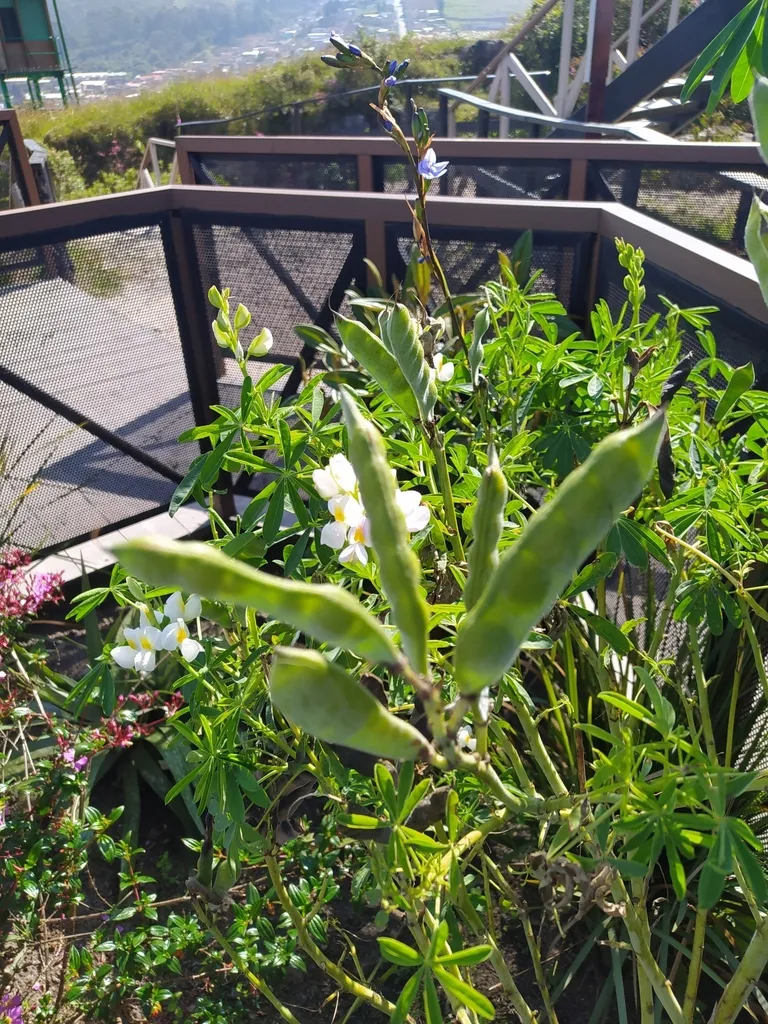
Scientific classification
- Species
- pearl lupin (Lupinus mutabilis)
- Genus
- Lupinus
- Family
- Fabaceae
- Harmful if eaten. Wear gloves and other protective equipment when handling
- Toxicity
- Annual Biennial
- Plant type
- 0.5-1 metres
- Height
- 0.1-0.5 metres
- Spread
- Deciduous
- Foliage
- Bushy
- Habit
- Spring · Summer
- Season of interest
- Full sun · Partial shade
- Sunlight
- Information to be completed
- Ideal temperature









pearl lupin pictures
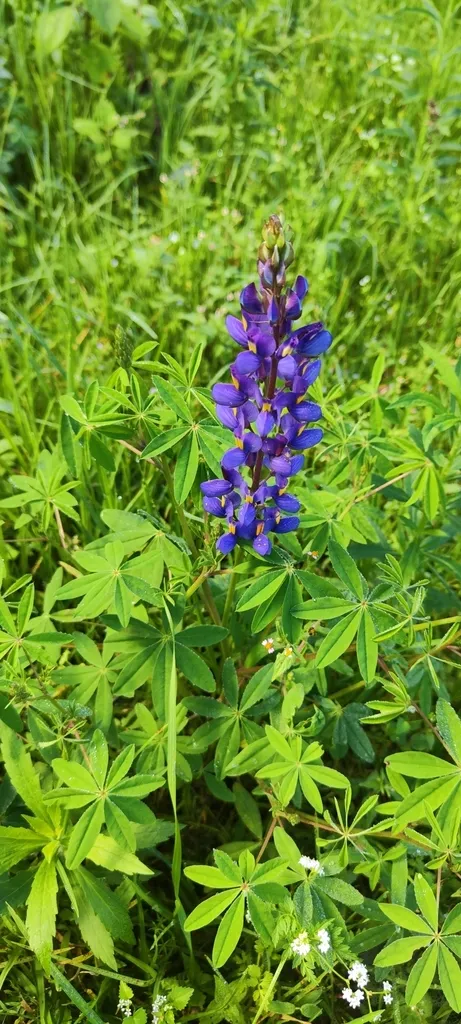
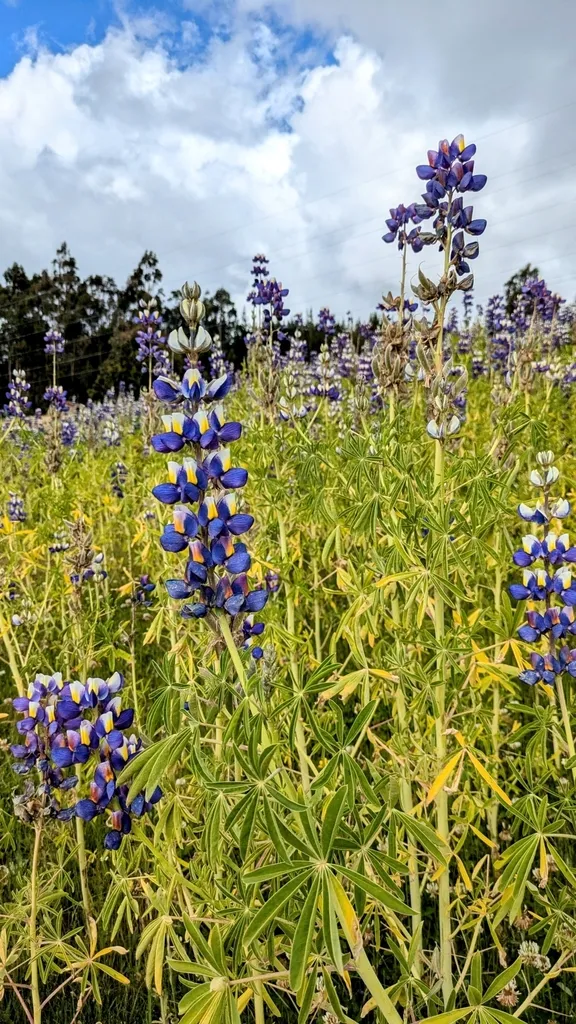
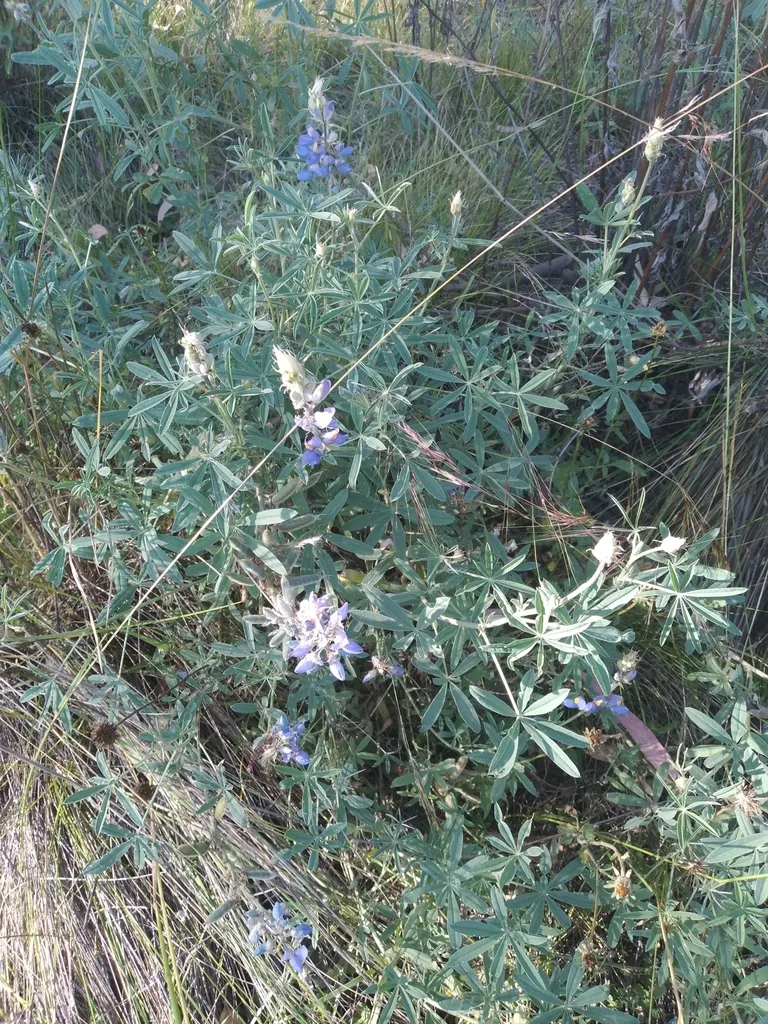
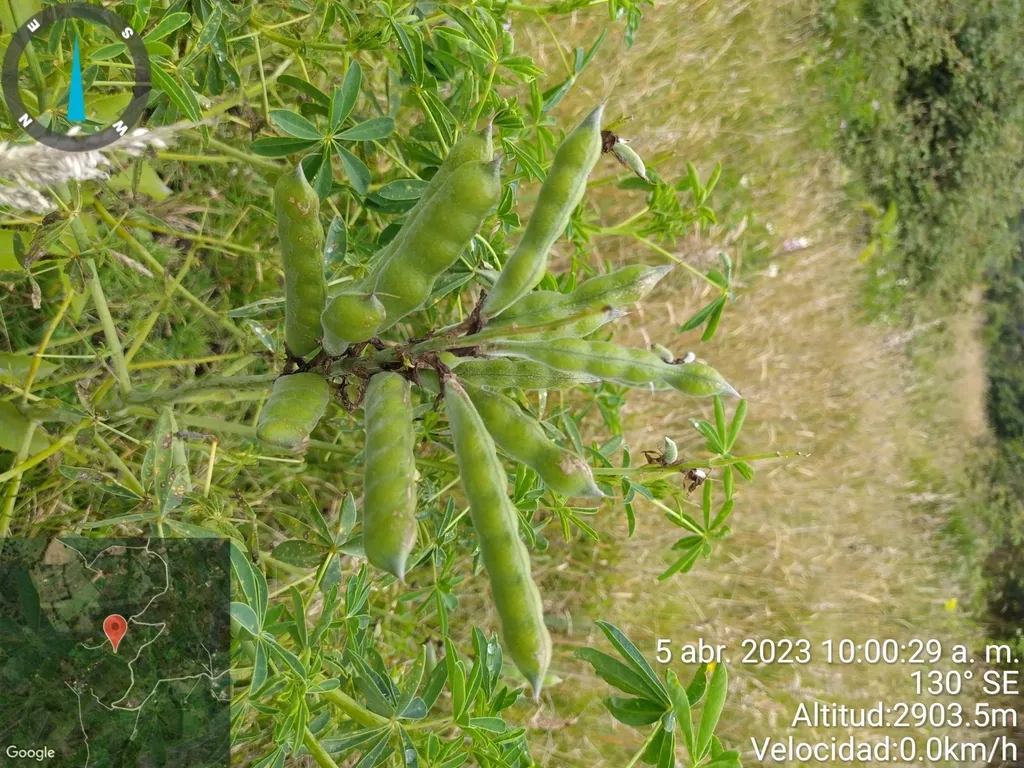
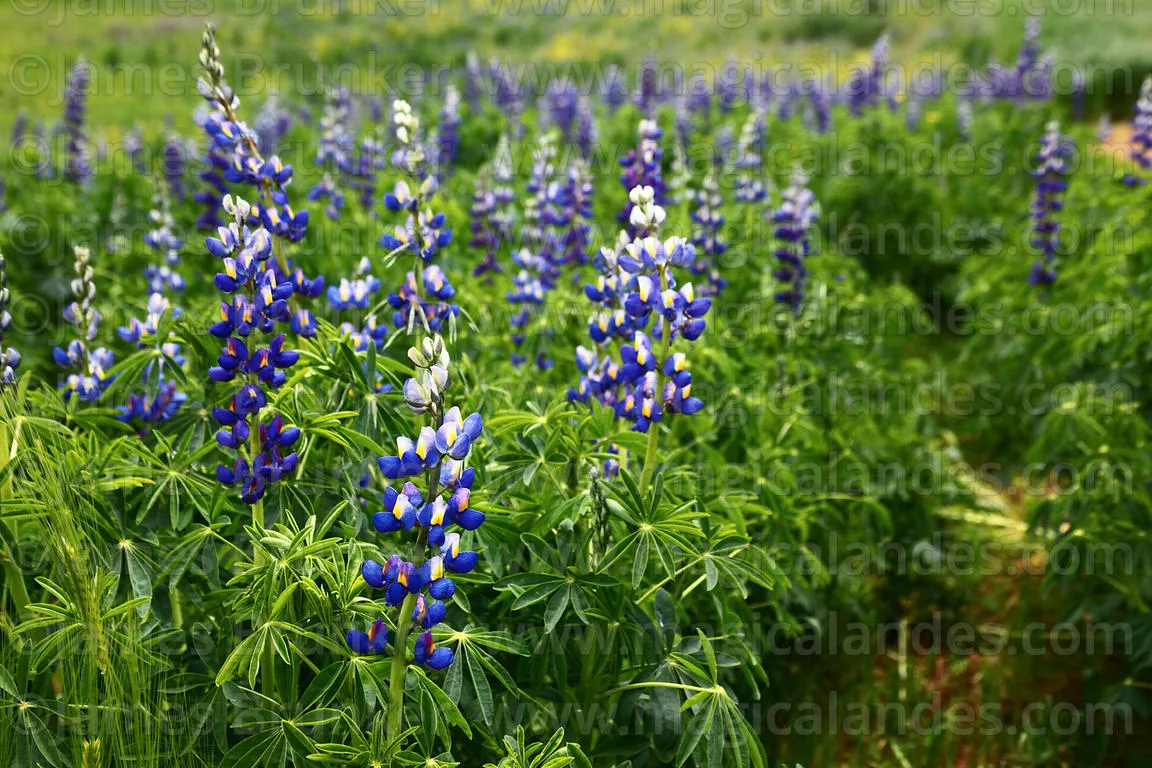
Distribution of pearl lupin
Distribution map
Information to be completed
Information to be completed
Culture
Information to be completed
Toxicity
Harmful if eaten. Wear gloves and other protective equipment when handling
Quick identification of pearl lupin
Information to be completed
pearl lupin care guide
- Moderate watering, keeping soil lightly moist during active growth
- Watering
- Full sun · Partial shade
- Sunlight
- Information to be completed
- Ideal temperature

Watering
Moderate watering, keeping soil lightly moist during active growth
Fertilizing
 Fertilizing
Light low-nitrogen feed once in spring and again before flowering
Pruning
 Pruning
Deadhead to encourage more flowers
Propagation
 Propagation
Propagate from seed (indoors or outdoors)
Growing
 Growing
Grow in moderately fertile, humus-rich, light, moist but well-drained soil in full sun or light, dappled shade
People also ask
Information to be completed
Common pests and diseases
Diseases
May be susceptible to powdery mildews, rots, a leaf spot and a virus
Pests
May be susceptible to slugs and lupin aphid
Explore the plant health library →




