
mamey
Also known as: mammee; mammee apple; martin; San Domingo apricot; Santa Domingo apricot; South American apricot; wild apricot tree
Large evergreen tree, native to tropical areas, to 20m in height, heavily branched with a very dense, oval crown of leathery, glossy dark green leaves. Fragrant, white flowers with 4-6 petals, in late spring or early summer, are followed by edible rounded brown or grey fruit with thick flesh, the flavour similar to an apricot. Good for wildlife
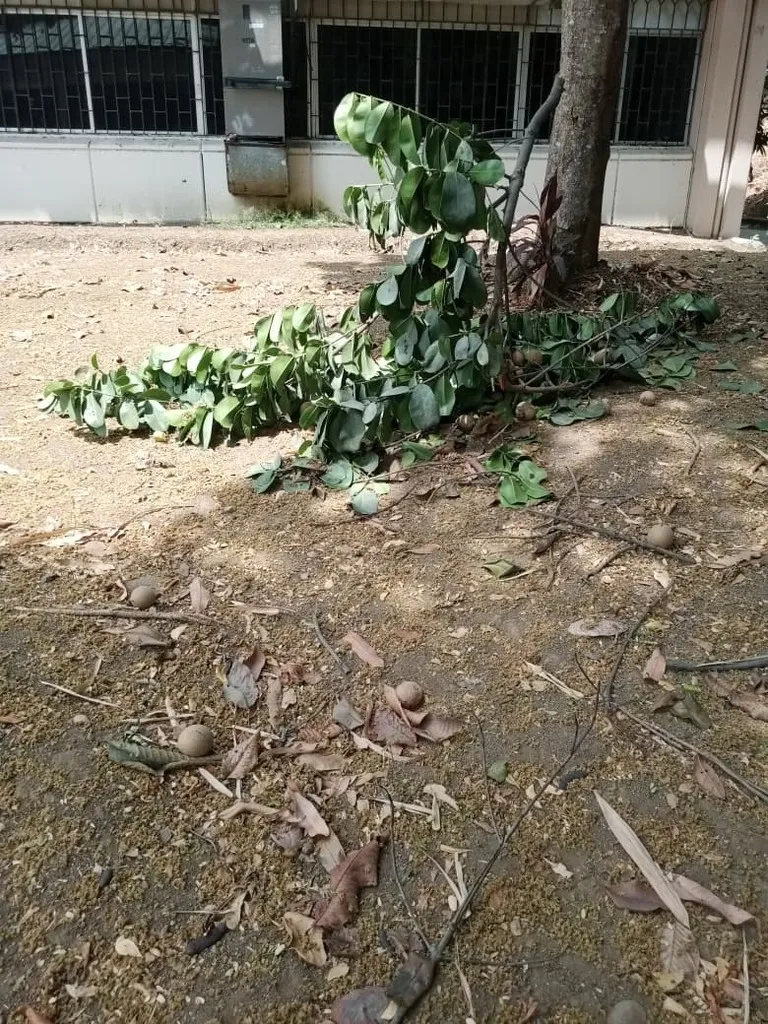
Scientific classification
- Species
- mamey (Mammea americana)
- Genus
- Mammea
- Family
- Calophyllaceae
- Order
- Malpighiales
- Class
- Magnoliopsida
- Phylum
- Magnoliophyta
- Information to be completed
- Toxicity
- Trees · Fruit Edible
- Plant type
- Higher than 12 metres
- Height
- wider than 8 metres
- Spread
- Evergreen
- Foliage
- Information to be completed
- Habit
- Spring · Summer · Autumn · Winter
- Season of interest
- Full sun · Partial shade
- Sunlight
- Information to be completed
- Ideal temperature









mamey pictures
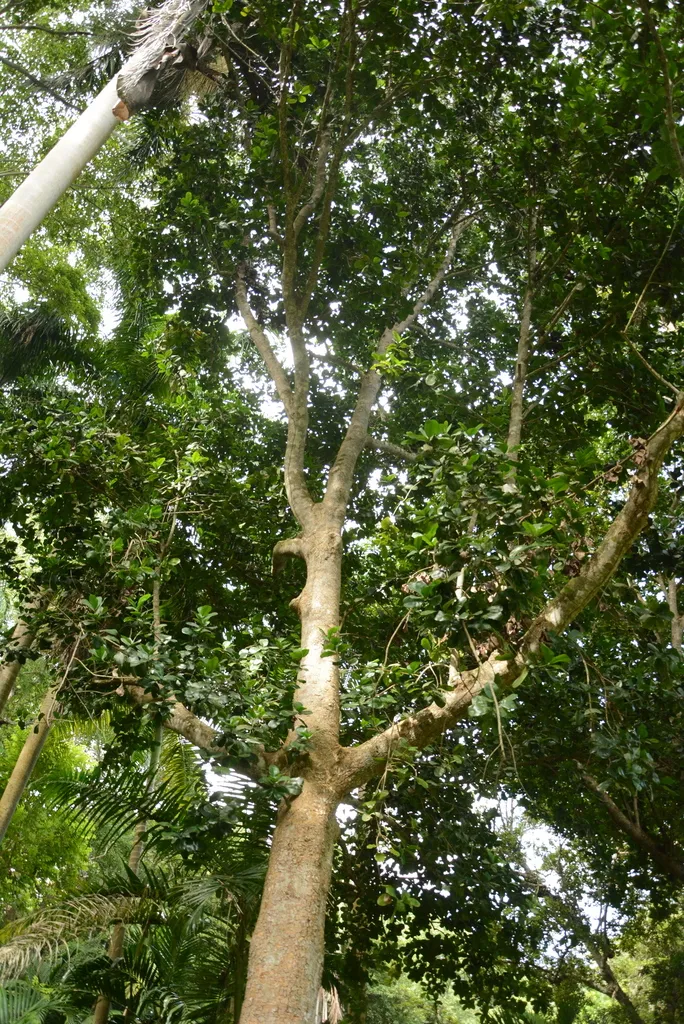
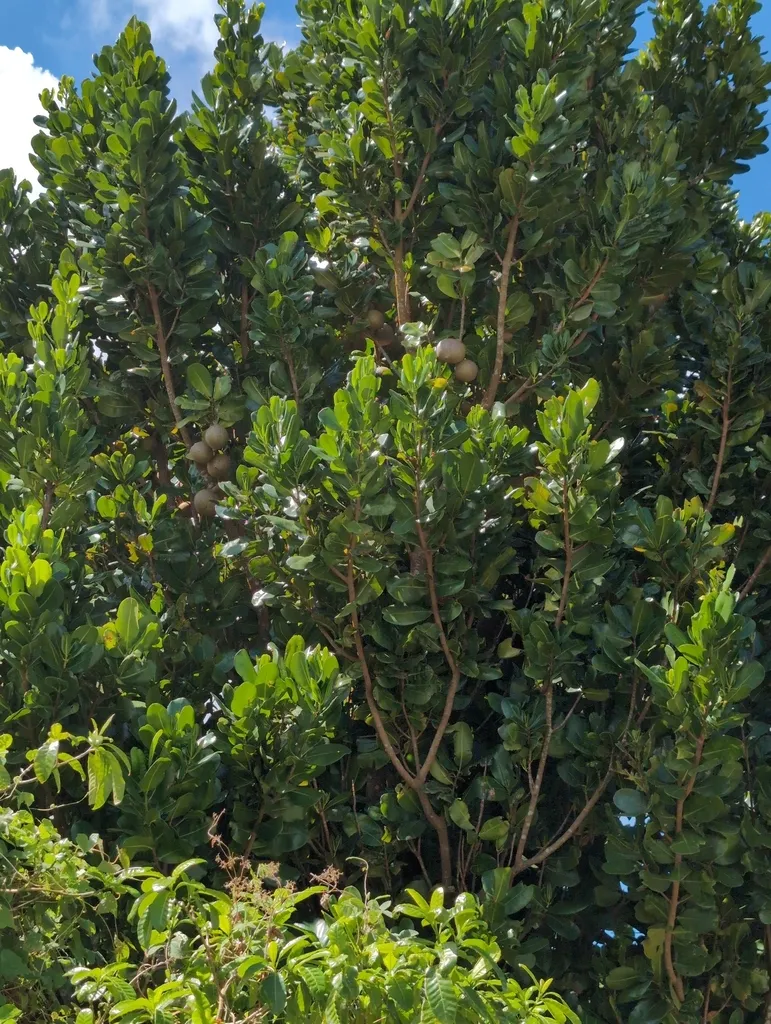
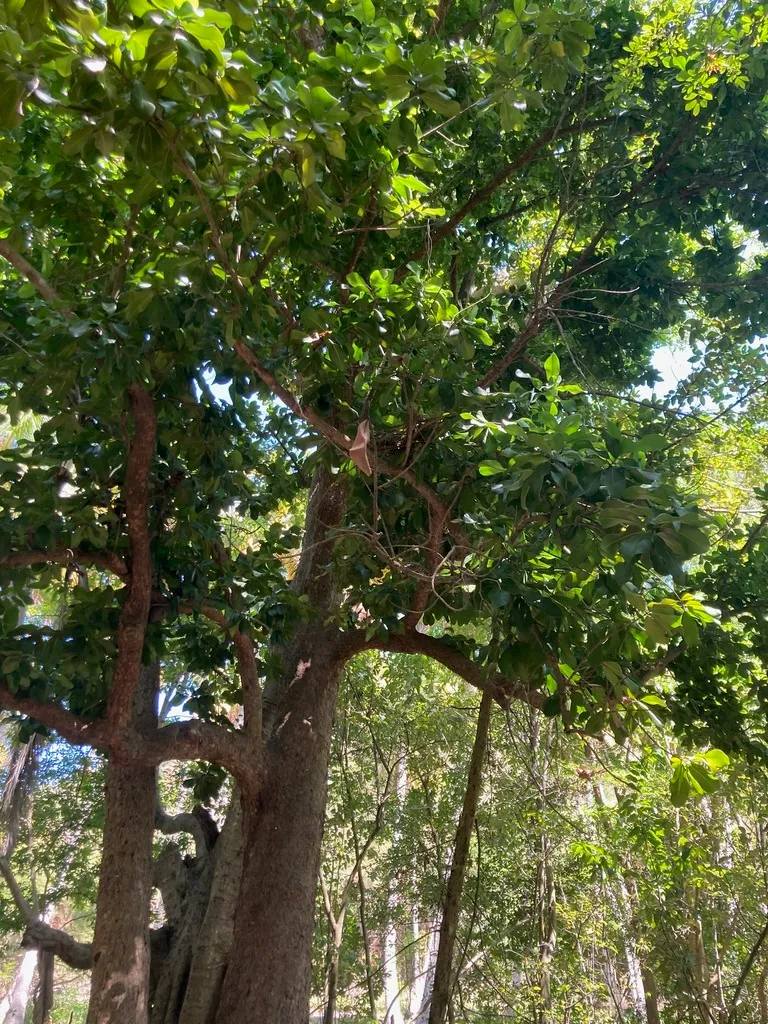
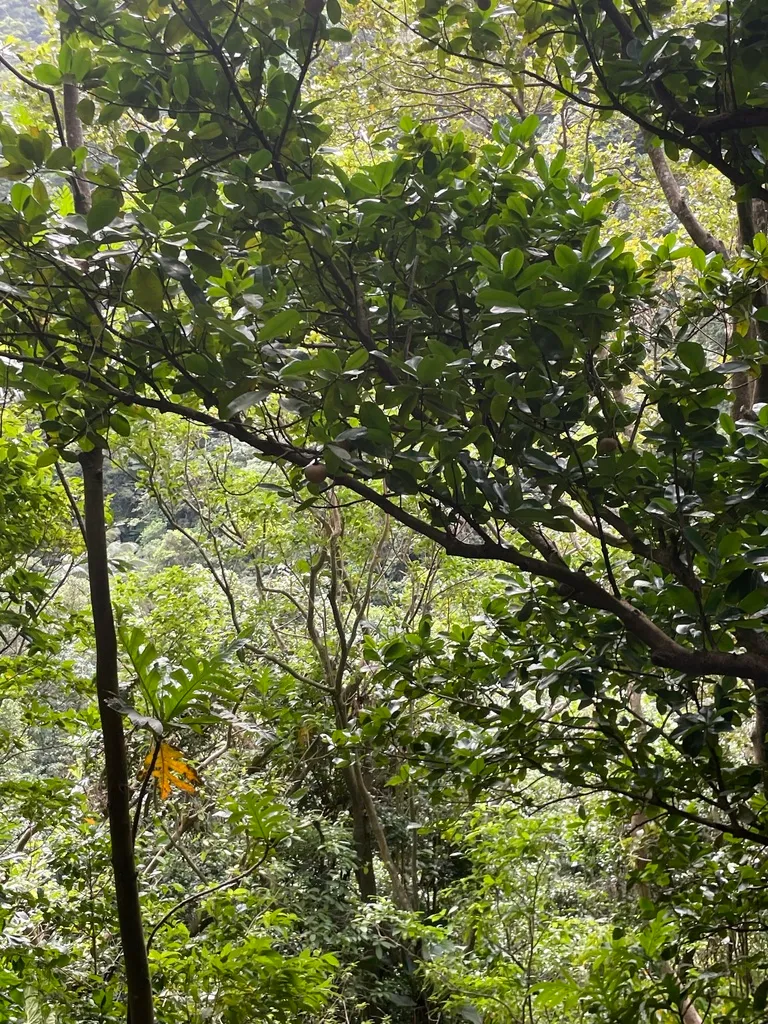
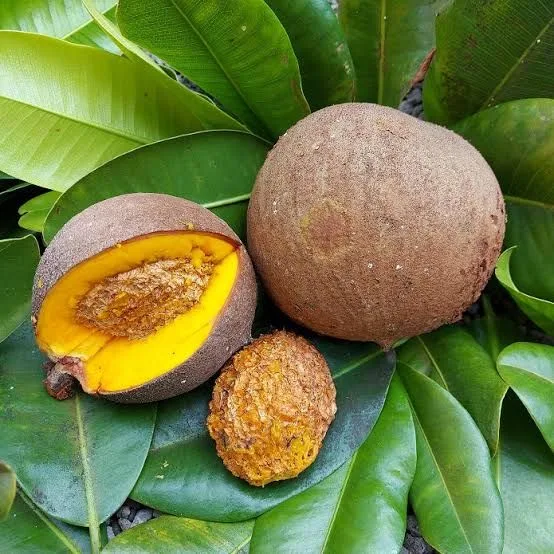
Distribution of mamey
Distribution map
- Native
- Introduced
- Cultivated
Source:WCVP v16 · Royal Botanic Gardens, Kew · CC BY 3.0 · Boundaries:WGSRPD / TDWG
mamey care guide
- Regular deep watering, mature tropical tree withstands mild droughts
- Watering
- Full sun · Partial shade
- Sunlight

Watering
Regular deep watering, mature tropical tree withstands mild droughts
Fertilizing
 Fertilizing
Tropical fruit tree feed every four weeks warm growing season
Pruning
 Pruning
Little pruning is needed. Remove diseased, damaged, crowded or crossing shoots and unwanted growth. Timing depends on the plant: generally late winter or early spring; plants prone to bleeding and deciduous magnolias need different timing, and deciduous azaleas and lilacs are pruned after flowering.
Propagation
 Propagation
Propagate by seed, greenwood cuttings with bottom heat, or grafting
Growing
 Growing
Suited to tropical climates only where the fruit and timber are widely used. Prefers a deep, rich, well-drained neutral to acid sandy loam in sun or part shade
Common pests and diseases
Diseases
Generally disease-free
Pests
May be susceptible to a range of tropical insects such as borers
Explore the plant health library →




