
tulip poppy
Also known as: Information to be completed
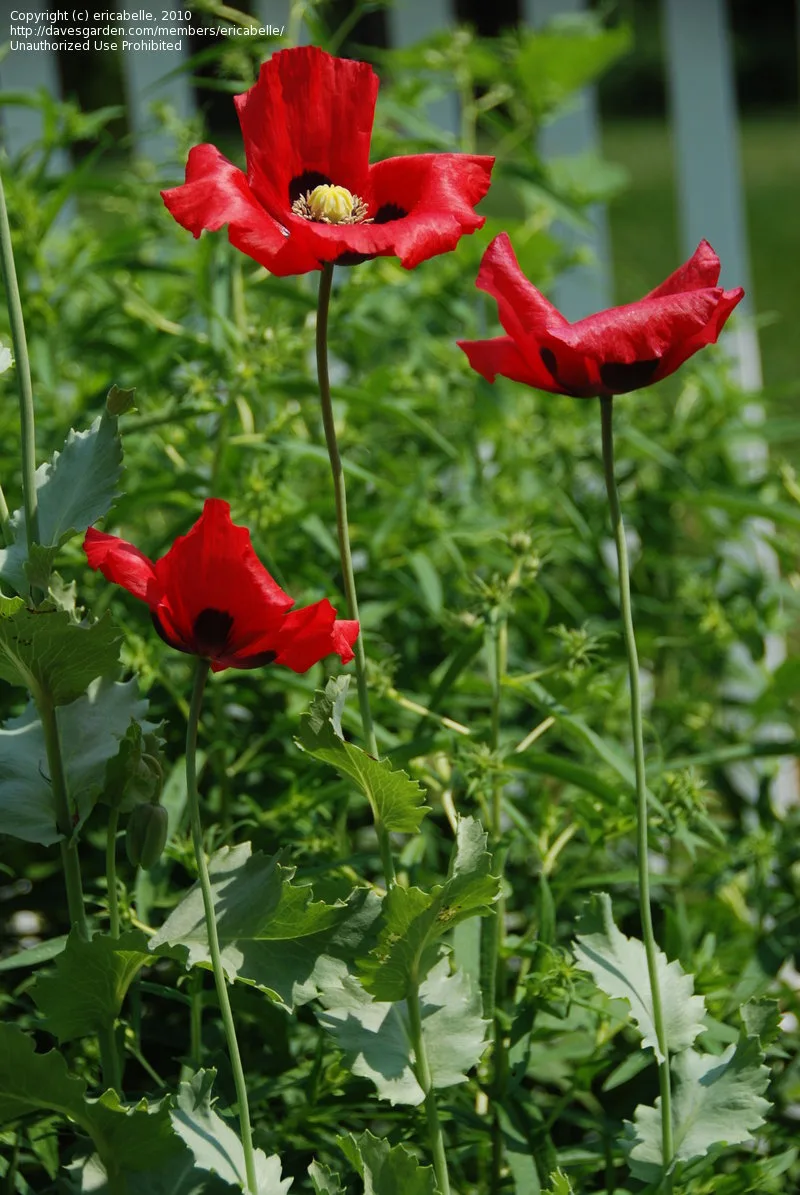
A bushy annual poppy to 60cm high, with grey-green, finely divided leaves. Large, rich red flowers, with upright petals in the centre and a small black blotch in the base, are borne on hairy, upright stems in summer, and followed by rounded seed capsules
Scientific classification
- Species
- tulip poppy (Papaver glaucum)
- Genus
- Papaver
- Family
- Papaveraceae
- Information to be completed
- Toxicity
- Annual Biennial
- Plant type
- 0.5-1 metres
- Height
- 0.5-1 metres
- Spread
- Deciduous
- Foliage
- Bushy
- Habit
- Spring · Summer
- Season of interest
- Full sun
- Sunlight
- Information to be completed
- Ideal temperature









tulip poppy pictures
Distribution of tulip poppy
Distribution map
Information to be completed
Information to be completed
Culture
Information to be completed
Toxicity
Information to be completed
Quick identification of tulip poppy
Information to be completed
tulip poppy care guide
- Moist while sprouting, fully dry after leaves wilt and fade
- Watering
- Full sun
- Sunlight
- Information to be completed
- Ideal temperature

Watering
Moist while sprouting, fully dry after leaves wilt and fade
Fertilizing
 Fertilizing
Diluted poppy feed biweekly before bloom buds fully expand
Pruning
 Pruning
Deadhead after flowering if seed is not required
Propagation
 Propagation
Propagate by seed sown in situ in autumn or spring
Growing
 Growing
Grow in an open, sunny spot in well-drained soil. Dislikes root disturbance
People also ask
Information to be completed
Common pests and diseases
Diseases
May be susceptible to downy mildews, powdery mildews, fungal wilts and verticillium wilt
Pests
May be susceptible to aphids
Explore the plant health library →




