
greengage
Also known as: Information to be completed
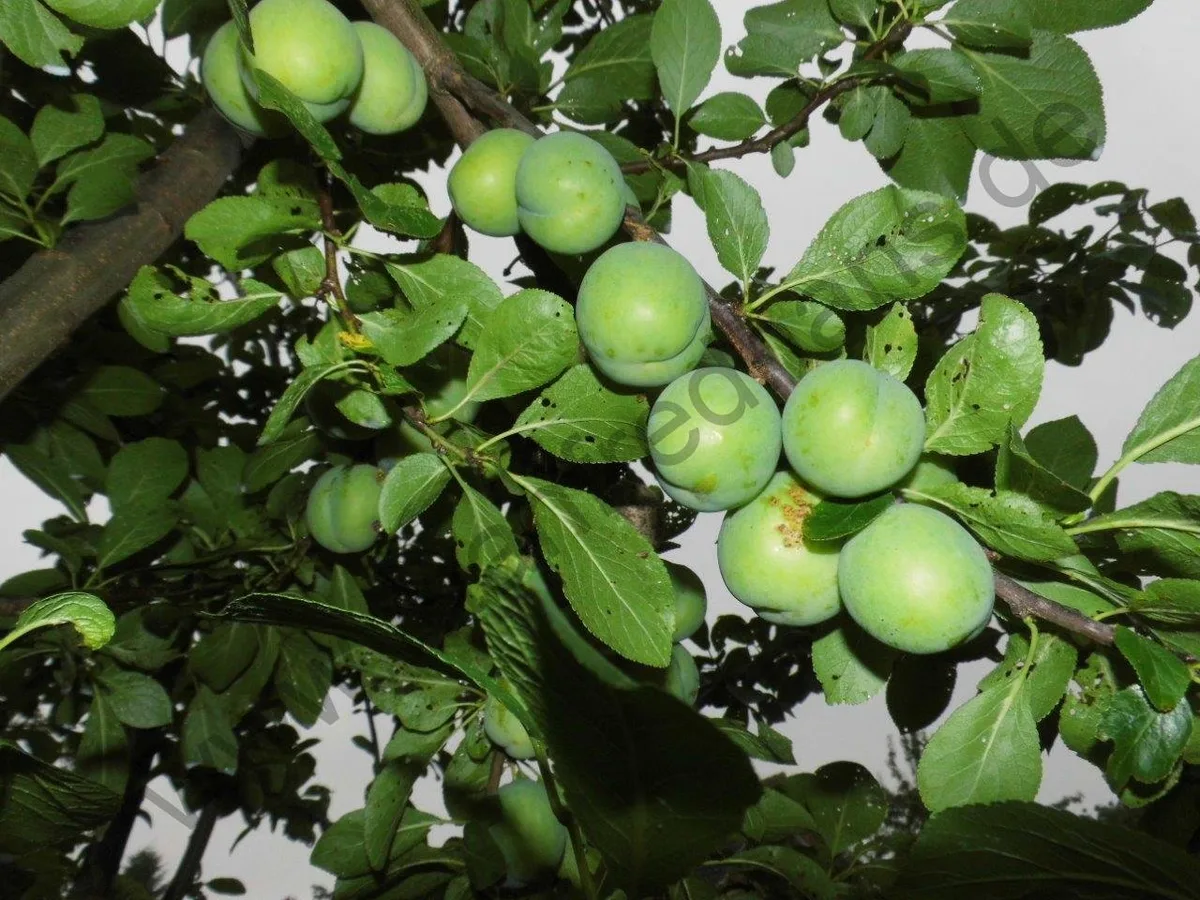
A small, twiggy, deciduous tree generally with arching or drooping branches. It has white blossom in early spring followed in late summer or early autumn by sweet, juicy fruits with golden or greenish-yellow flesh and green or yellow skin. Many cultivated varieties of gage have been developed from this subspecies.
Scientific classification
- Species
- greengage (Prunus domestica subsp. italica)
- Genus
- Prunus
- Family
- Rosaceae
- Order
- Rosales
- Class
- Magnoliopsida
- Phylum
- Magnoliophyta
- Information to be completed
- Toxicity
- Trees · Fruit Edible
- Plant type
- Information to be completed
- Height
- Information to be completed
- Spread
- Deciduous
- Foliage
- Bushy
- Habit
- Spring · Summer
- Season of interest
- Full sun
- Sunlight
- Information to be completed
- Ideal temperature









greengage pictures
Distribution of greengage
Distribution map
- Native
- Introduced
- Cultivated
Source:WCVP v16 · Royal Botanic Gardens, Kew · CC BY 3.0 · Boundaries:WGSRPD / TDWG
greengage care guide
- Deep watering during dry spells, allowing slight surface drying between soakings
- Watering
- Full sun
- Sunlight

Watering
Deep watering during dry spells, allowing slight surface drying between soakings
Fertilizing
 Fertilizing
Balanced shrub or tree feed once each early spring
Pruning
 Pruning
Prune regularly depending on how the tree is trained – see pruning plums. Train fan-trained trees in spring. Pruning established fans is carried out in early summer and after harvest
Propagation
 Propagation
Propagate by chip budding or grafting onto a rootstock for fruit. The rootstock will largely determine the vigour of the tree
Growing
 Growing
Grow in a warm, sheltered position; suitable for fan-training on a south- or west-facing wall. See gage cultivation
Common pests and diseases
Diseases
May be susceptible to silver leaf, bacterial canker and blossom wilt. The fruit can be affected by brown rot. Protect flowers against late frost damage
Pests
May be susceptible to plum aphid, red spider mite and winter moth caterpillar. The fruit can be damaged by plum moth caterpillars, wasps and birds
Explore the plant health library →




