
purple roscoea
Also known as: Information to be completed
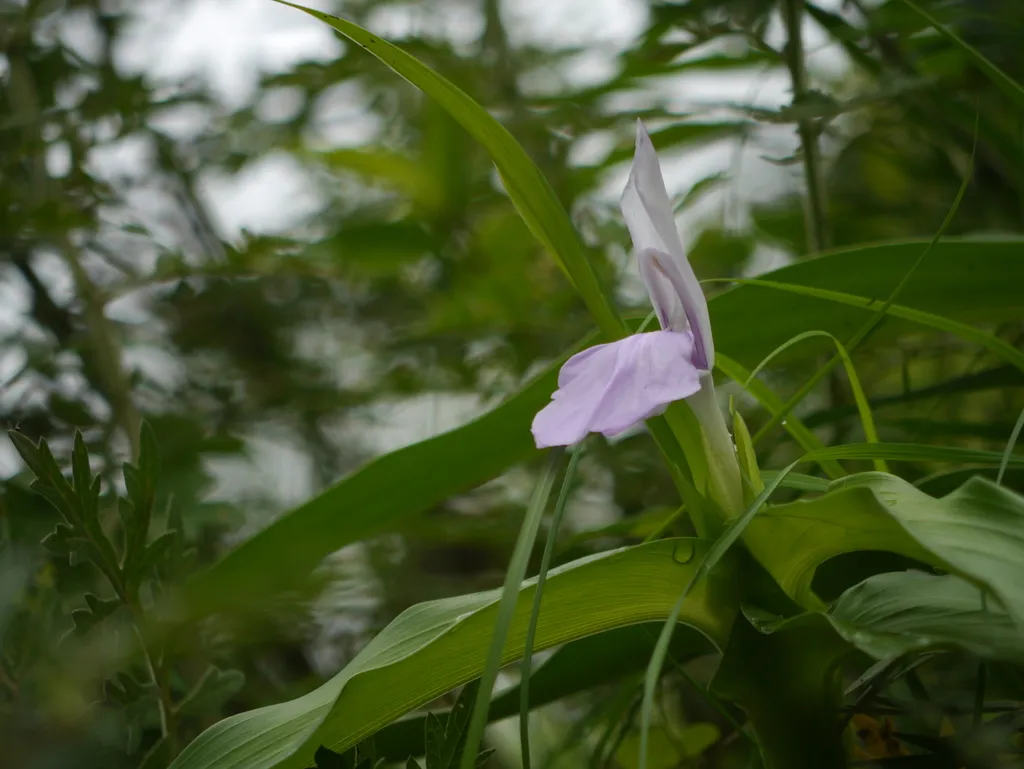
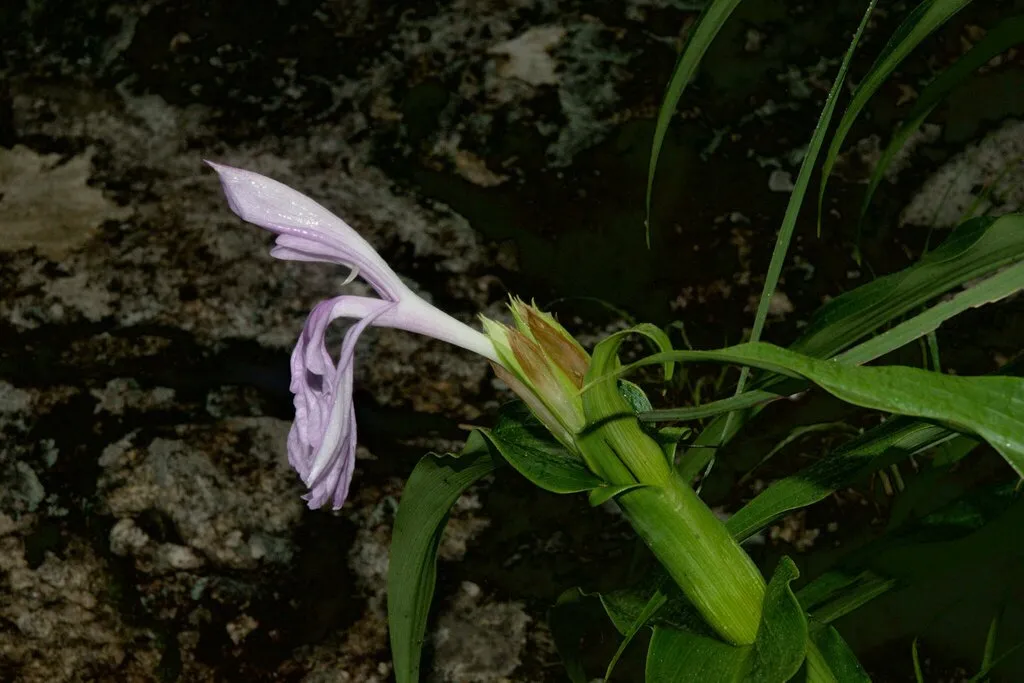
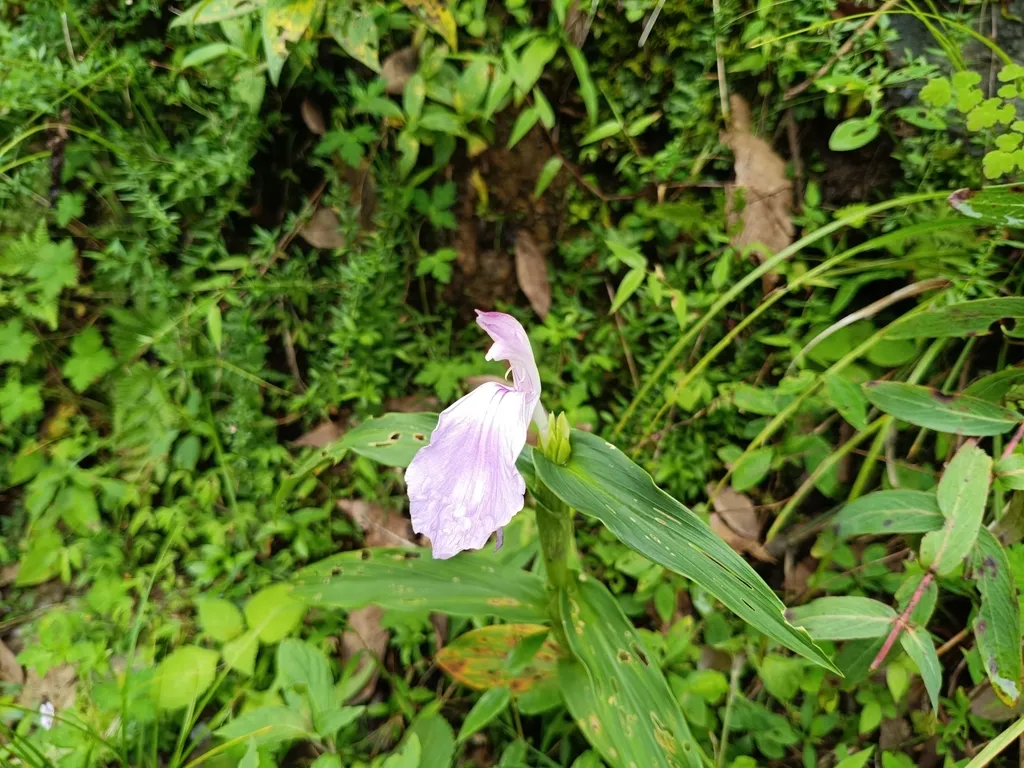
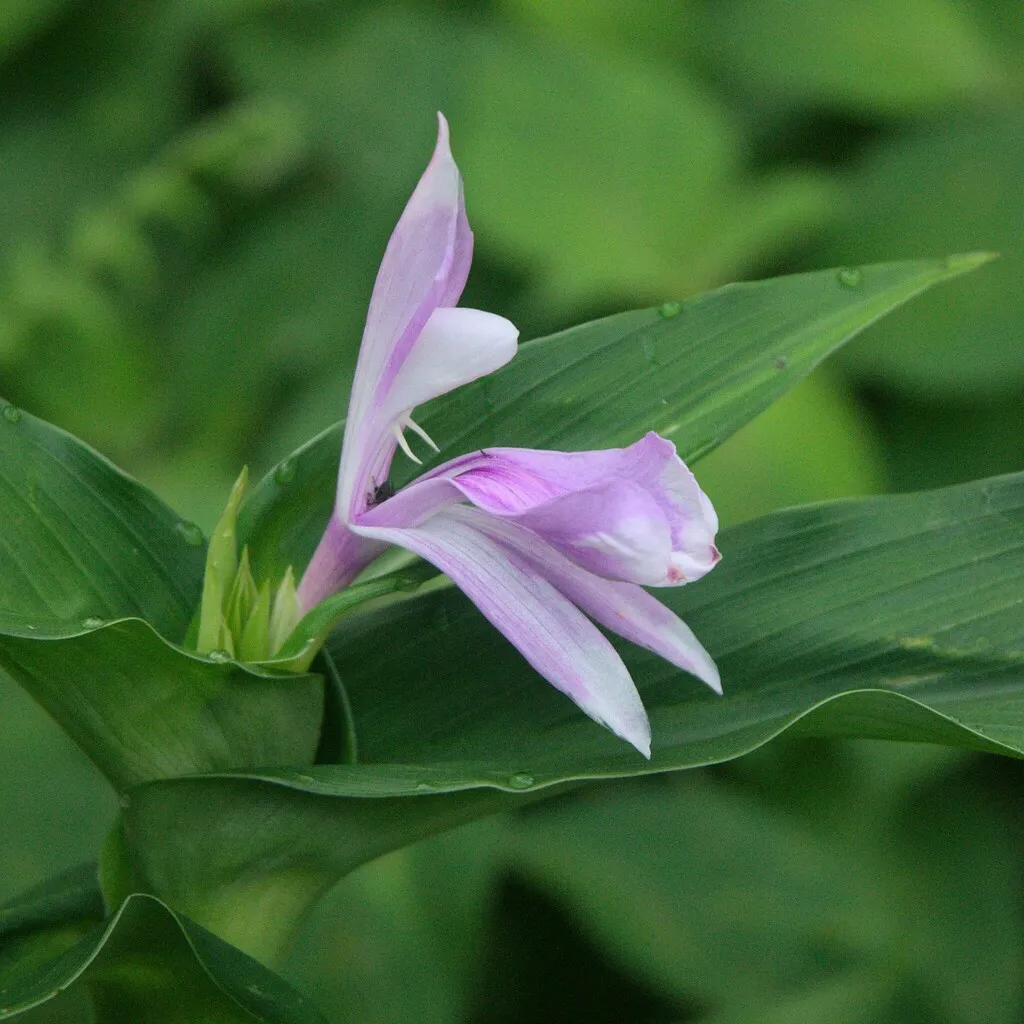
R. purpurea is an upright deciduous tuberous perennial forming a clump of leafy stems to 30cm tall, with orchid-like light purple flowers 5cm long in summer and early autumn
Scientific classification
- Species
- purple roscoea (Roscoea purpurea)
- Genus
- Roscoea
- Family
- Zingiberaceae
- Information to be completed
- Toxicity
- Herbaceous Perennial
- Plant type
- 0.1-0.5 metres
- Height
- 0.1-0.5 metres
- Spread
- Deciduous
- Foliage
- Columnar upright
- Habit
- Spring · Summer · Autumn
- Season of interest
- Partial shade
- Sunlight
- Information to be completed
- Ideal temperature









purple roscoea pictures
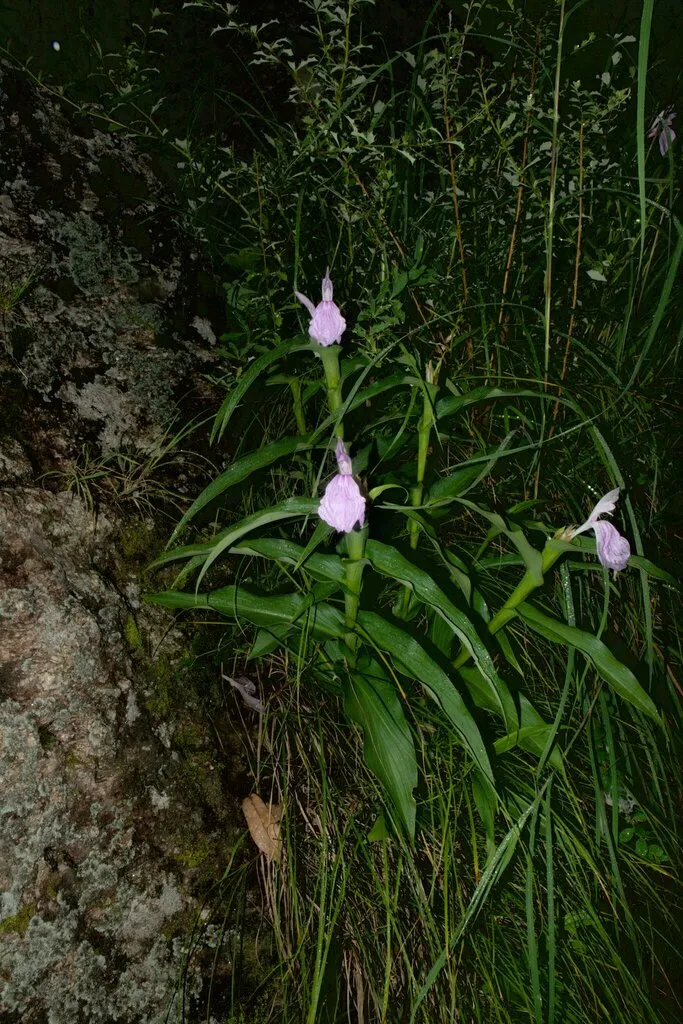
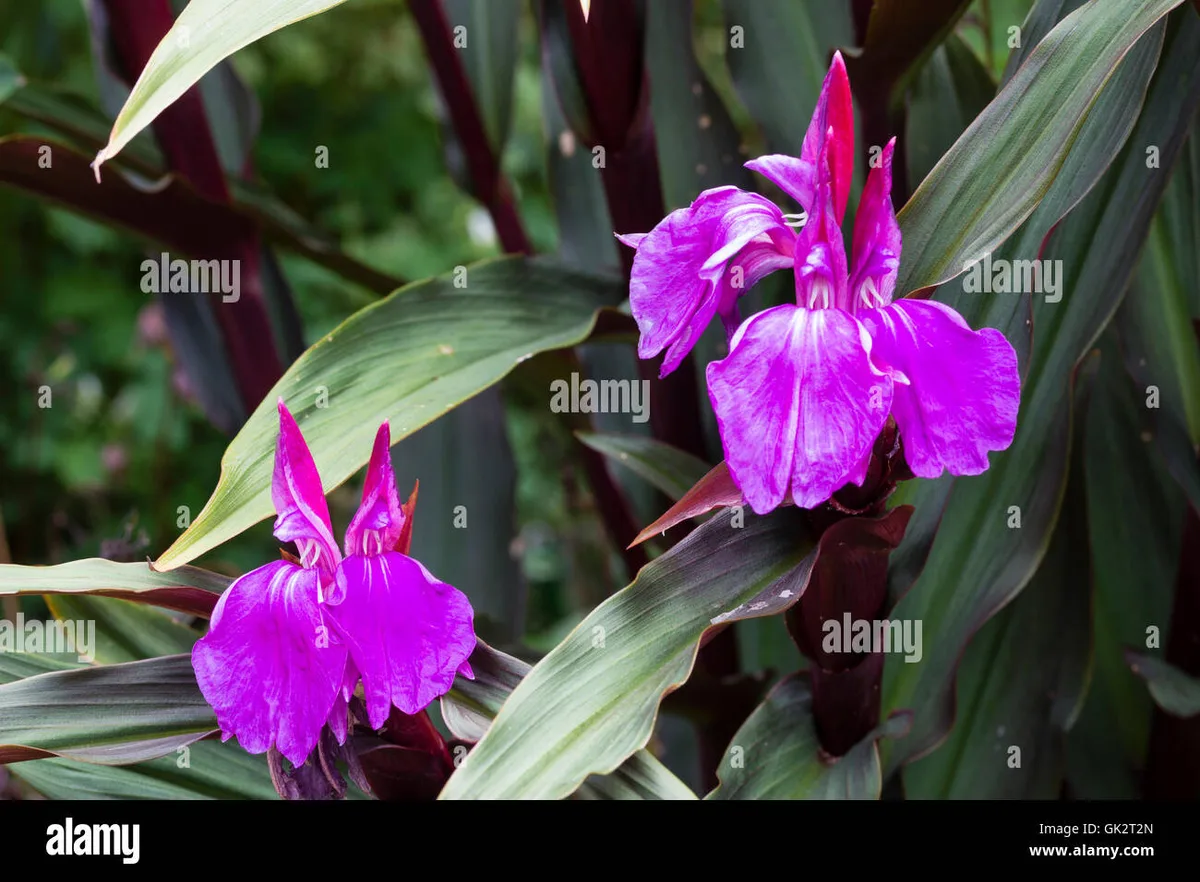
Distribution of purple roscoea
Distribution map
Himalaya
Information to be completed
Culture
Information to be completed
Toxicity
Information to be completed
Quick identification of purple roscoea
Information to be completed
purple roscoea care guide
- Keep rich woodland soil evenly moist, never baked dry in summer
- Watering
- Partial shade
- Sunlight
- Information to be completed
- Ideal temperature

Watering
Keep rich woodland soil evenly moist, never baked dry in summer
Fertilizing
 Fertilizing
Light balanced feed monthly during spring and summer growth
Pruning
 Pruning
Deadhead after flowering
Propagation
 Propagation
Propagate by seed in containers in a cold frame as soon as ripe or by division in spring
Growing
 Growing
Fertile, humus-rich, leafy, moist but well-drained neutral soil is preferred; although best in part-shade, if the soil is moist will do well in more open sites. Young growth is late, often not appearing until later in spring. Plant tubers 15cm deep in winter or early spring. Apply a deep winter mulch in colder areas
People also ask
Information to be completed
Common pests and diseases
Diseases
Generally trouble free, but may be affected by a virus
Pests
Slugs and vine weevil may be a problem
Explore the plant health library →




