
dyer's madder
Also known as: madder
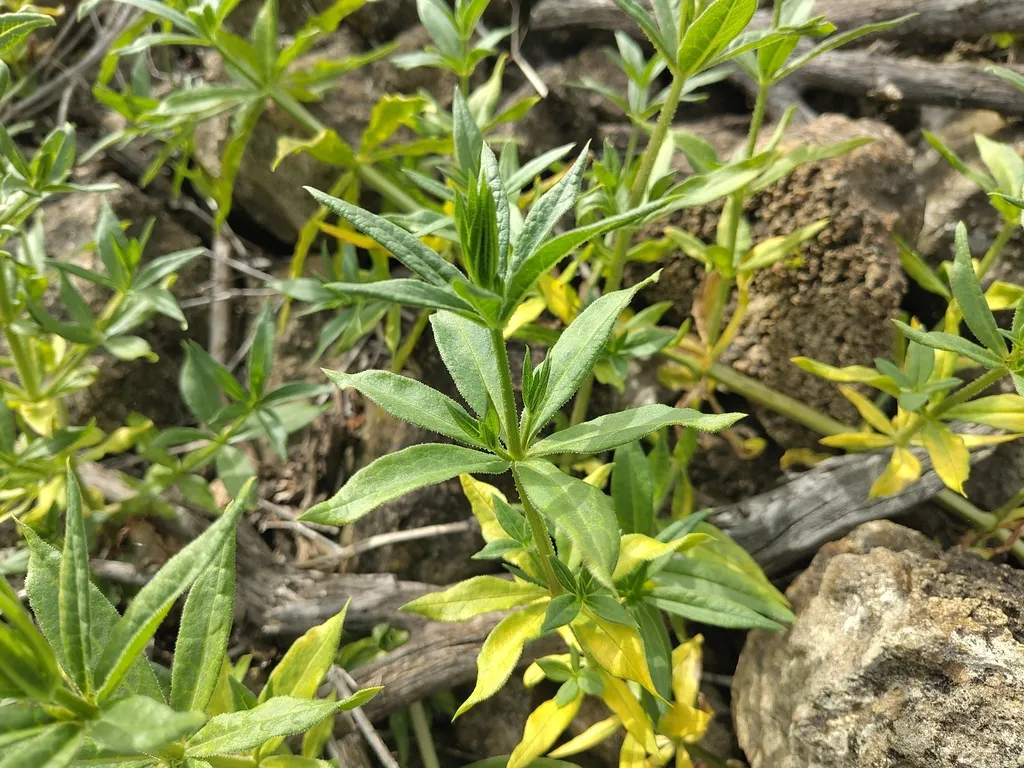
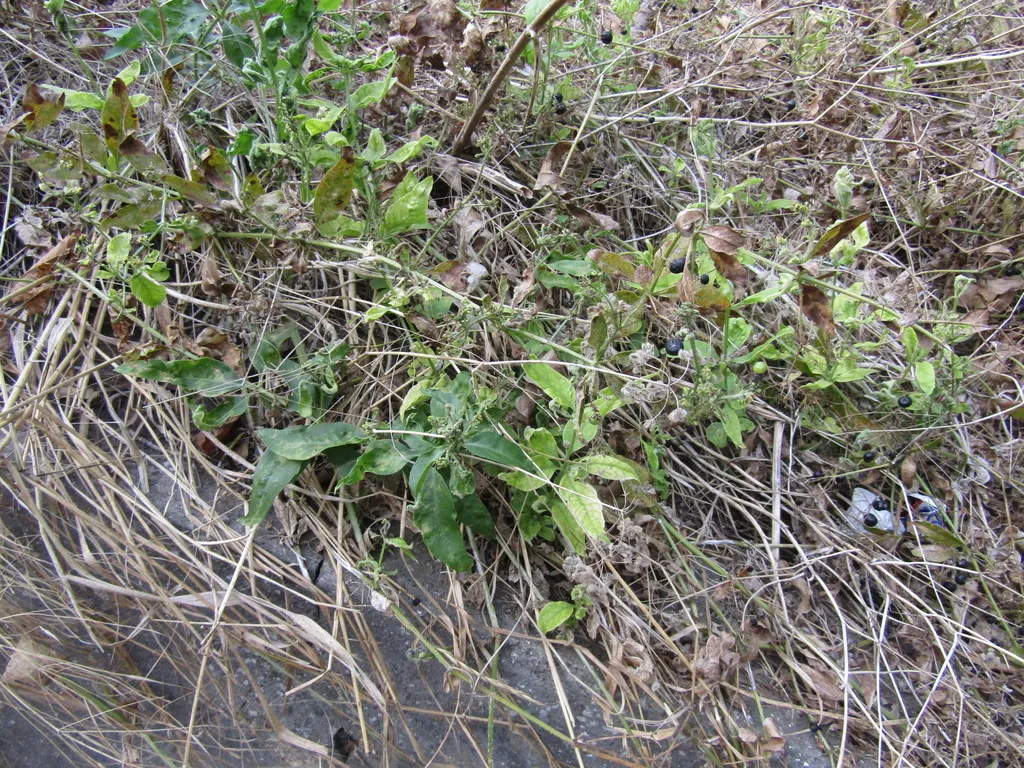
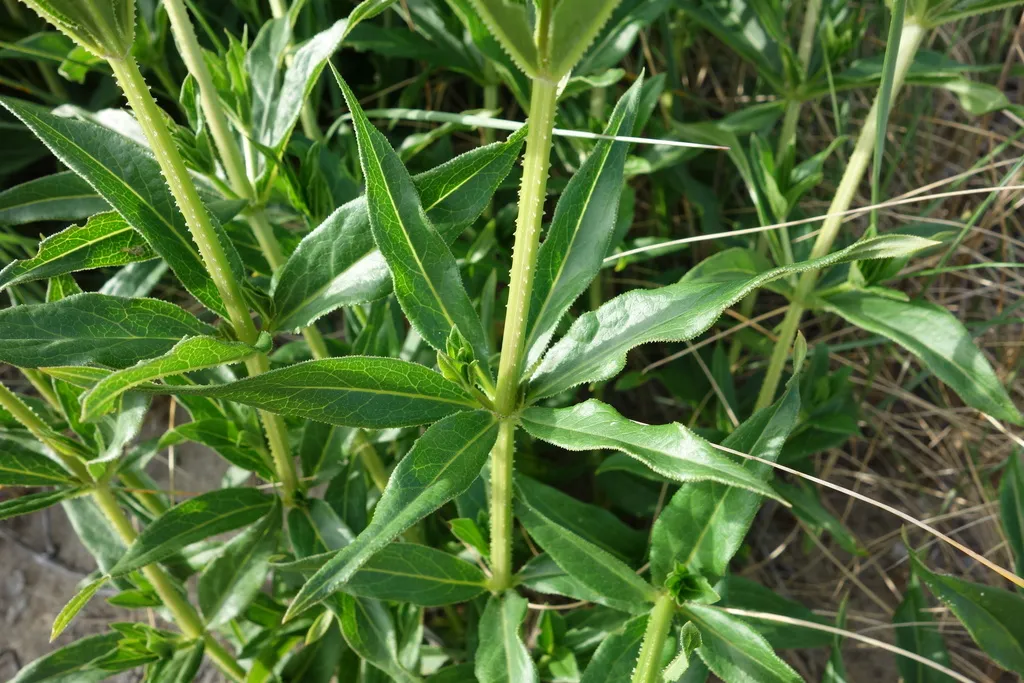
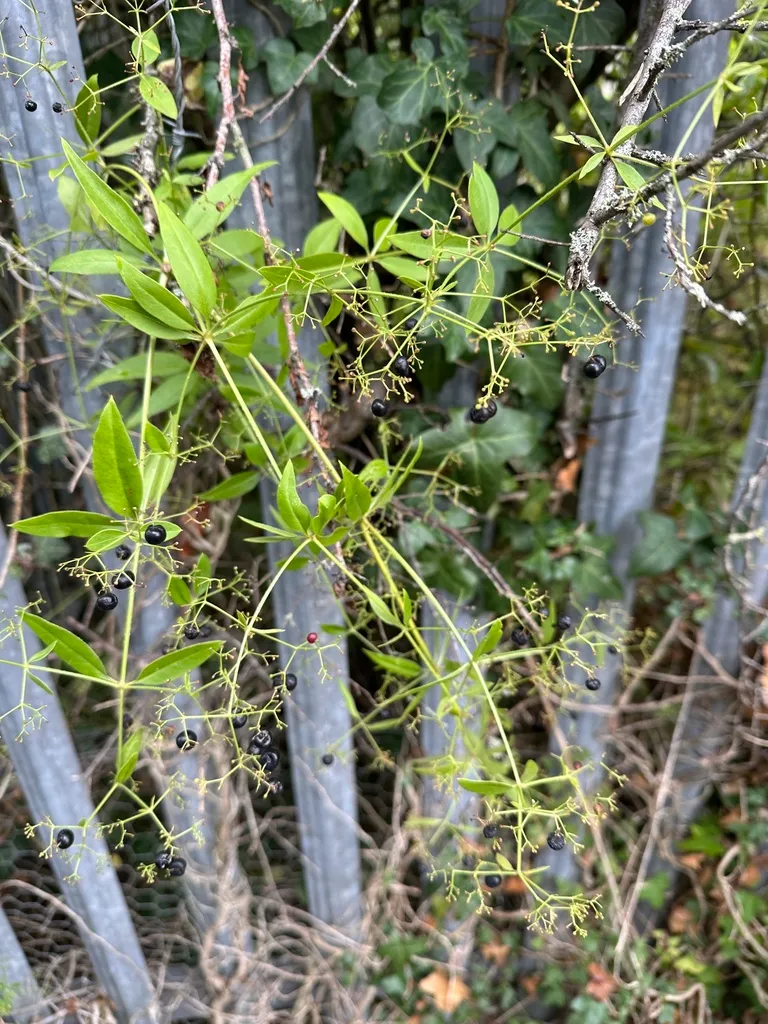
An evergreen perennial with long, dark green spreading stems and small, star-shaped yellow flowers appearing in July and August, followed by green berries which turn red then finally black. The roots are a source of red dye and the plant is still cultivated in parts of Europe for use as a medicinal dye
Scientific classification
- Species
- dyer's madder (Rubia tinctorum)
- Genus
- Rubia
- Family
- Rubiaceae
- Information to be completed
- Toxicity
- Herbaceous Perennial
- Plant type
- 0.5-1 metres
- Height
- 0.5-1 metres
- Spread
- Evergreen
- Foliage
- Information to be completed
- Habit
- Spring · Summer · Autumn · Winter
- Season of interest
- Full sun · Partial shade
- Sunlight
- Information to be completed
- Ideal temperature









dyer's madder pictures
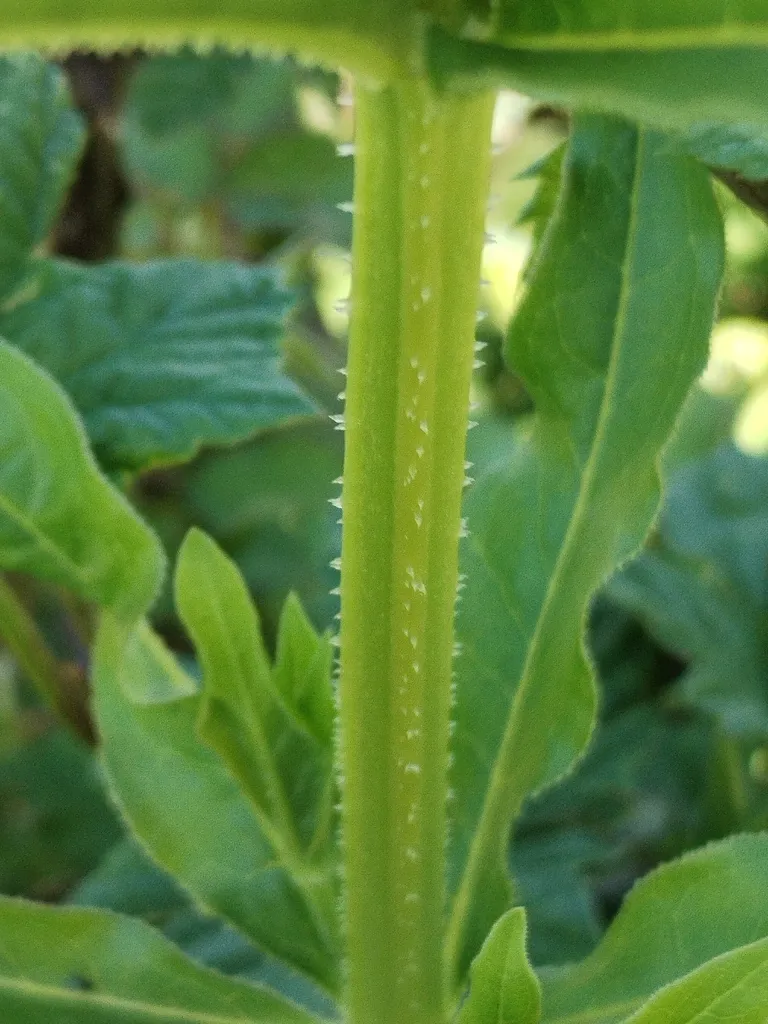
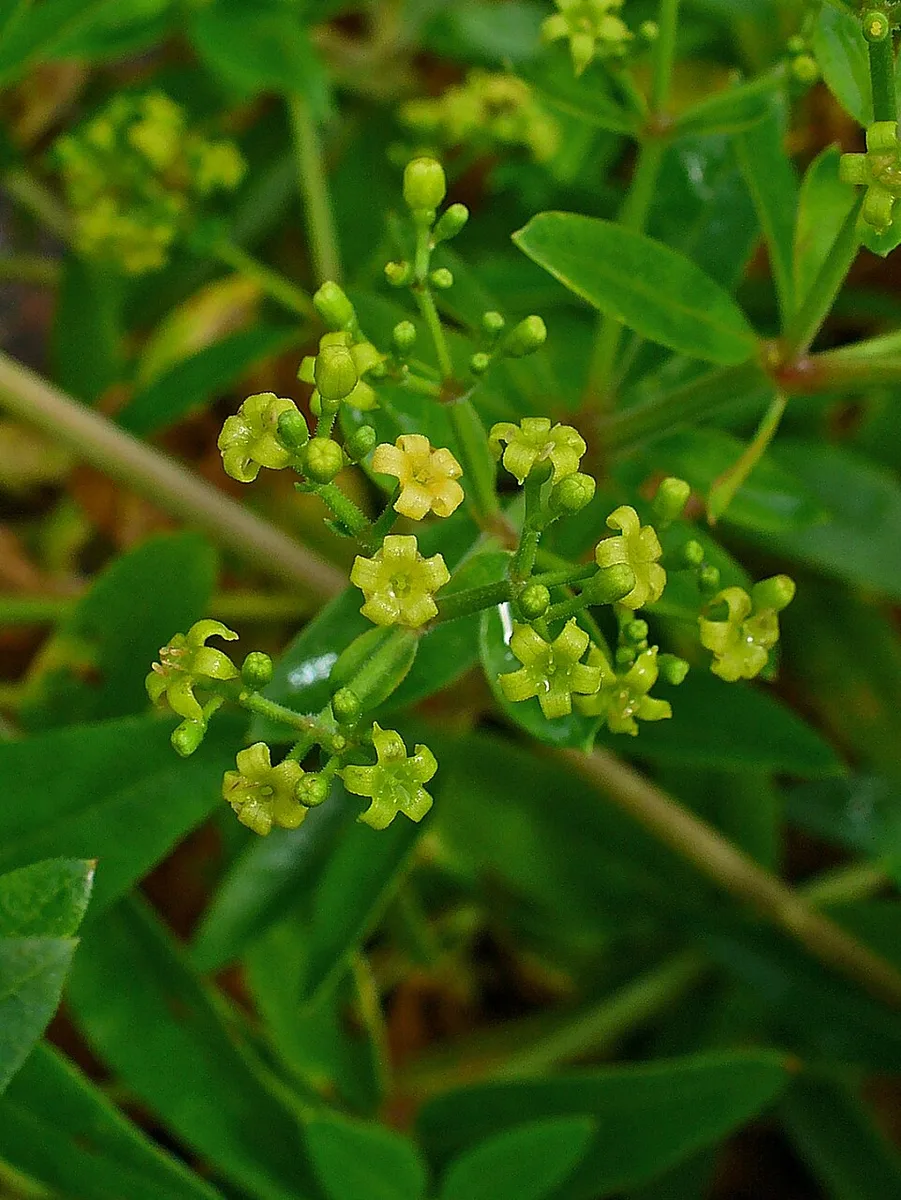
Distribution of dyer's madder
Distribution map
- Native
- Introduced
- Cultivated
Source:WCVP v16 · Royal Botanic Gardens, Kew · CC BY 3.0 · Boundaries:WGSRPD / TDWG
Culture
Information to be completed
Toxicity
Information to be completed
Quick identification of dyer's madder
Information to be completed
dyer's madder care guide
- Moderate regular watering, allowing brief slight drying between soakings
- Watering
- Full sun · Partial shade
- Sunlight
- Information to be completed
- Ideal temperature

Watering
Moderate regular watering, allowing brief slight drying between soakings
Fertilizing
 Fertilizing
Balanced perennial feed every four weeks from spring through summer
Pruning
 Pruning
Cut back in autumn
Propagation
 Propagation
Propagate by seed (may be slow to germinate) or by division at any time during the growing season
Growing
 Growing
Grow in fertile, well-drained sandy soil in full sun, although will tolerate partial shade. Produces many side shoots which can travel just under the surface of the soil before sending up new shoots so has the potential to become a nuisance
People also ask
Information to be completed
Common pests and diseases
Diseases
Generally disease-free
Pests
Generally pest-free
Explore the plant health library →




