
American sea purslane
Also known as: mboga; West Indian samphire
A vigorous, fleshy, trailing succulent-like evergreen perennial with smooth reddish-green stems that branch out along the ground and oval leaves which turn red to yellow as they mature. Small but showy pink flowers appear throughout the year, opening for a few hours each day. These are followed by small, shiny black seeds contained in small pods. Salt, flood and drought tolerant. Acts as an important sand stabilizer in coastal areas
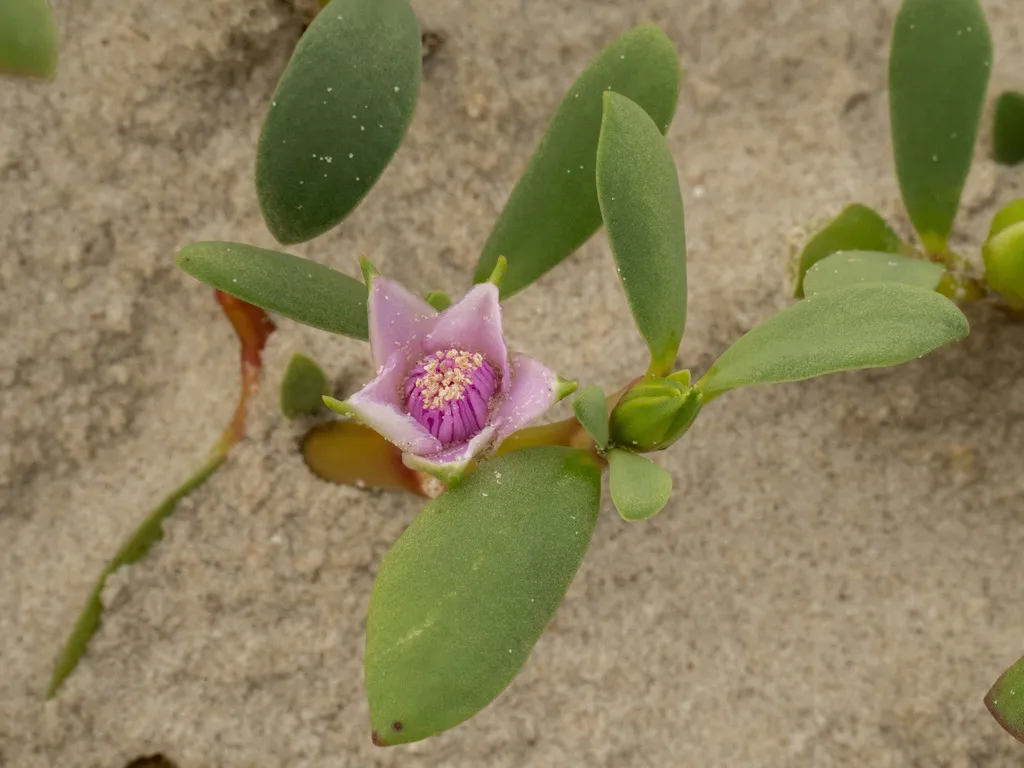
Scientific classification
- Species
- American sea purslane (Sesuvium portulacastrum)
- Genus
- Sesuvium
- Family
- Aizoaceae
- Order
- Caryophyllales
- Class
- Magnoliopsida
- Phylum
- Magnoliophyta
- Information to be completed
- Toxicity
- Cactus Succulent
- Plant type
- 0.1-0.5 metres
- Height
- 1-1.5 metres
- Spread
- Evergreen
- Foliage
- Trailing
- Habit
- Spring · Summer · Autumn · Winter
- Season of interest
- Full sun
- Sunlight
- Information to be completed
- Ideal temperature









American sea purslane pictures
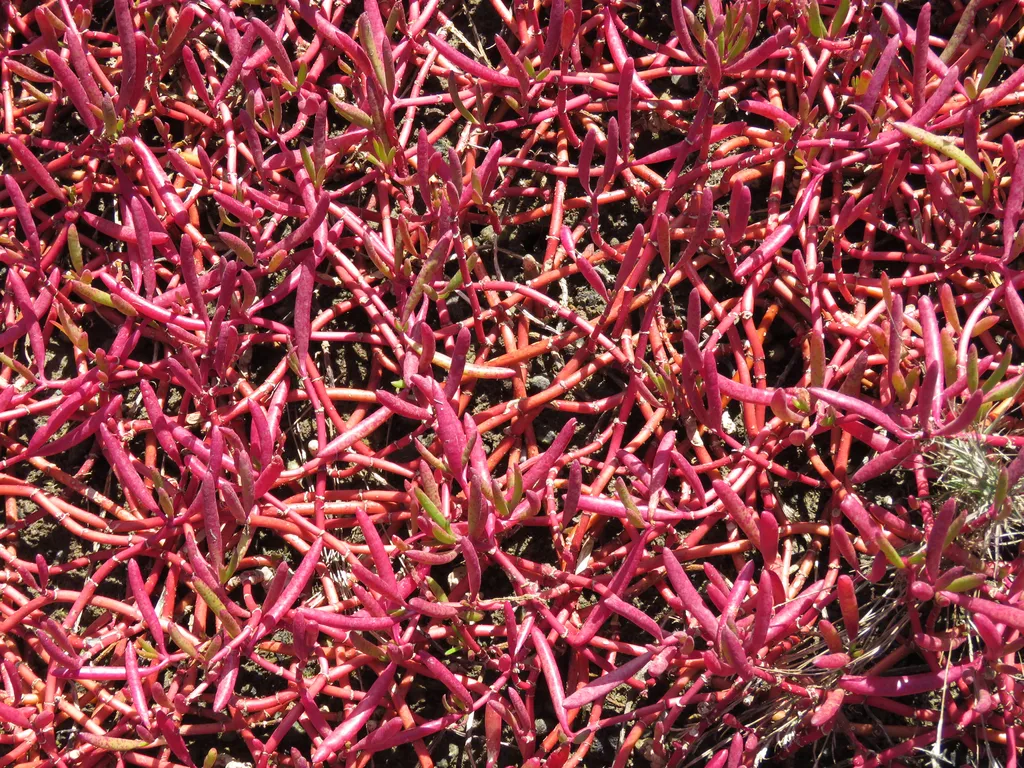
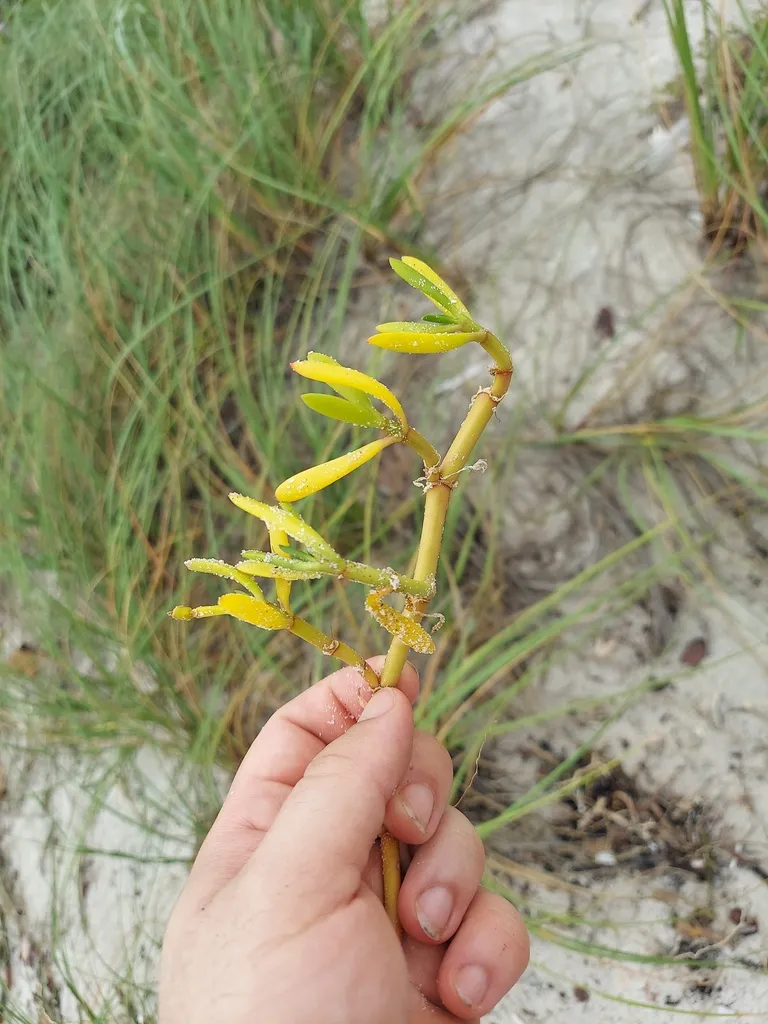
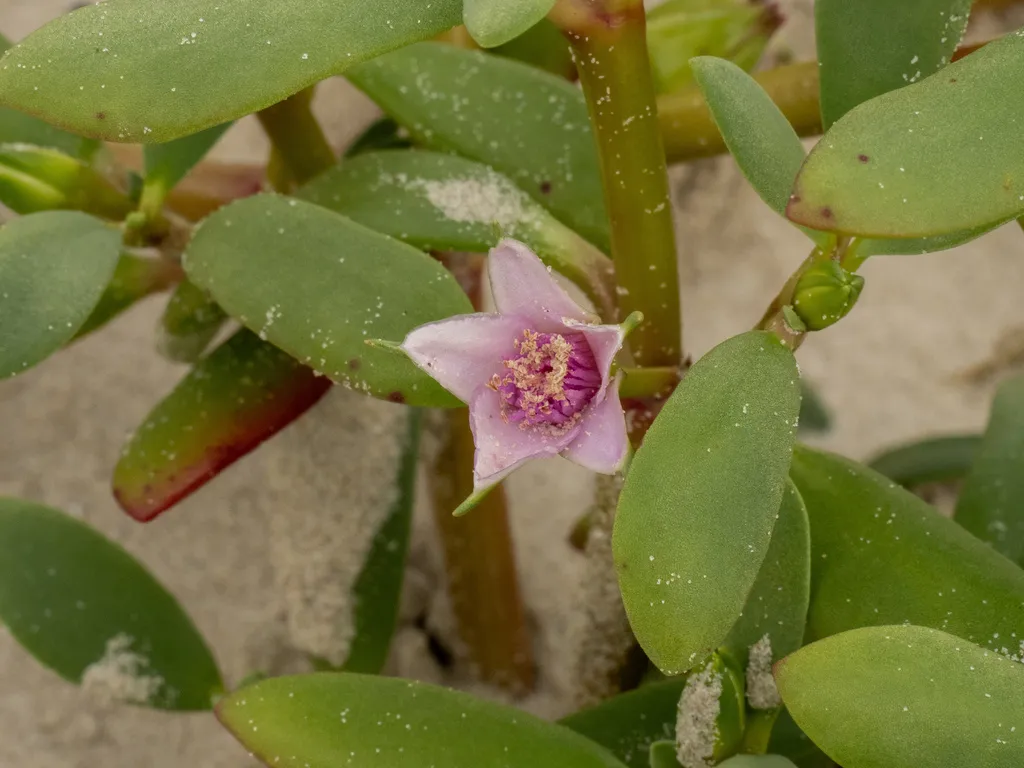
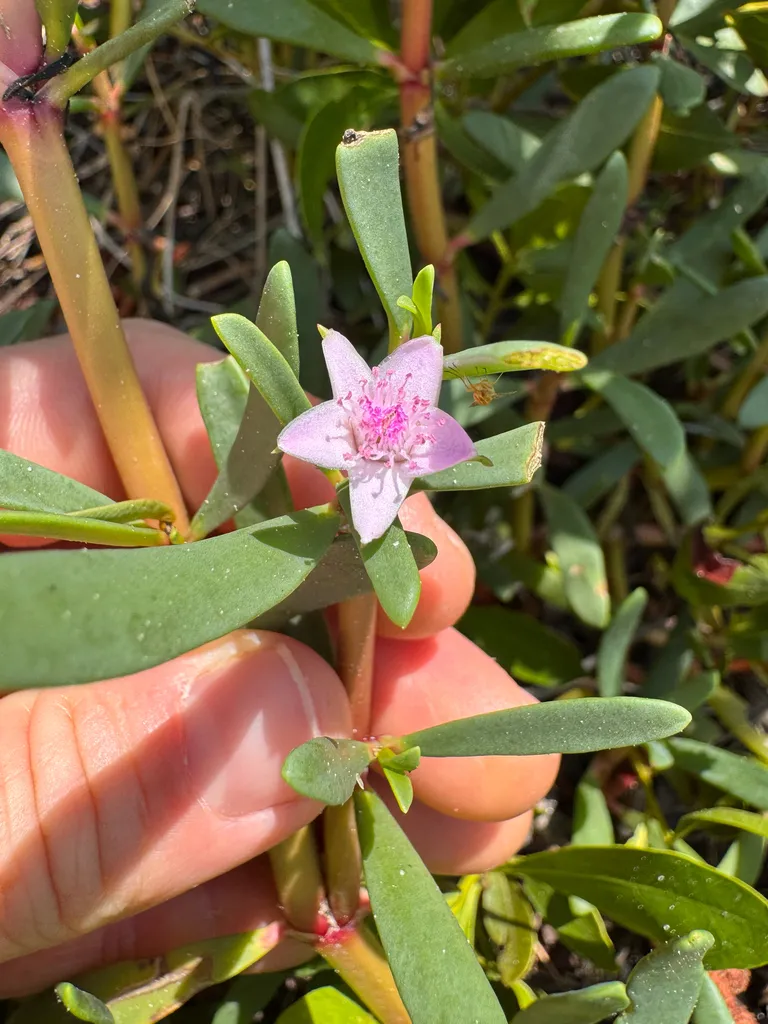
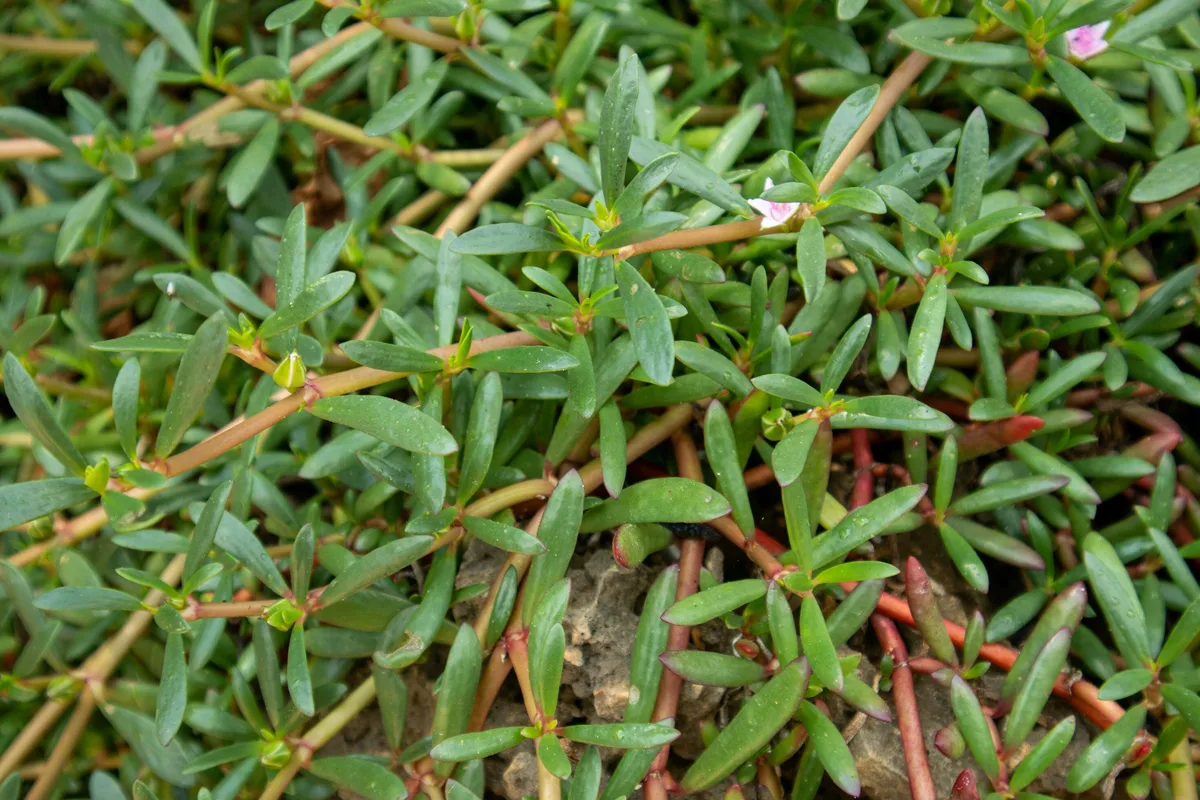
Distribution of American sea purslane
Distribution map
- Native
- Introduced
- Cultivated
Source:WCVP v16 · Royal Botanic Gardens, Kew · CC BY 3.0 · Boundaries:WGSRPD / TDWG
American sea purslane care guide
- Moderate regular watering, allowing brief slight drying between soakings
- Watering
- Full sun
- Sunlight

Watering
Moderate regular watering, allowing brief slight drying between soakings
Fertilizing
 Fertilizing
Balanced perennial feed every four weeks from spring through summer
Pruning
 Pruning
No pruning required
Propagation
 Propagation
Propagate by seed in spring or cuttings in late summer
Growing
 Growing
Very easy to grow in sandy soil in full sun. Ideal for coastal gardens and will tolerate both drought and flooding. Grow in pots and containers or a hanging basket as a trailing plant
Common pests and diseases
Diseases
Generally disease-free
Pests
Generally pest-free but may be susceptible to slugs and snails
Explore the plant health library →




