
two-flowered raspberry
Also known as: Information to be completed
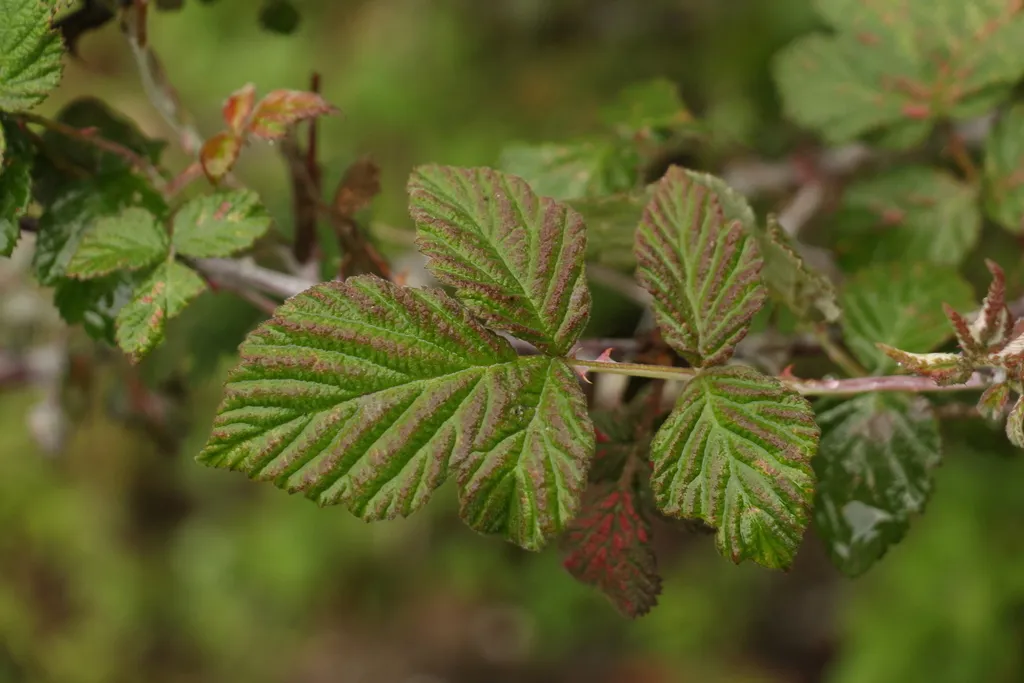
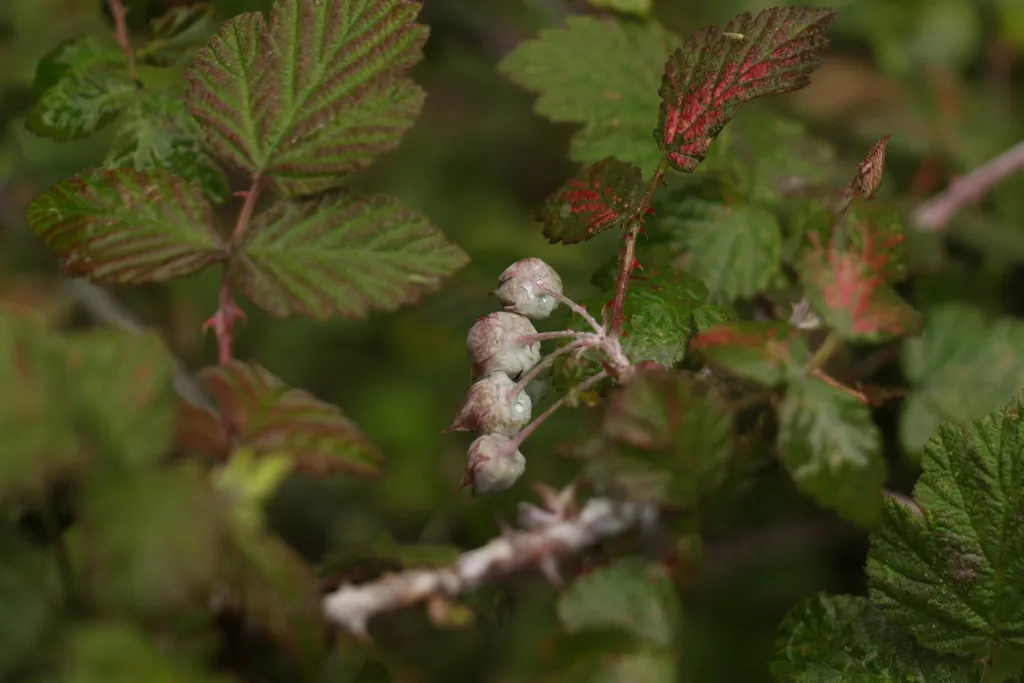
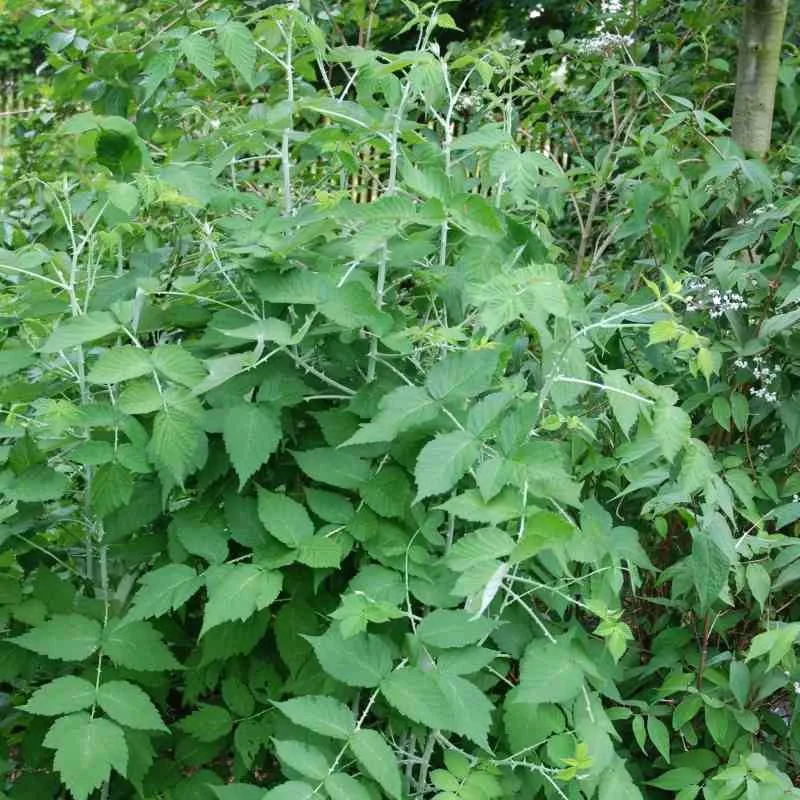
R. biflorus is a suckering, deciduous shrub to 3m, with erect, prickly, white-bloomed canes, most showy in winter. Leaves pinnate, white beneath; white flowers 2.5cm across opening in summer may be followed by yellow fruit
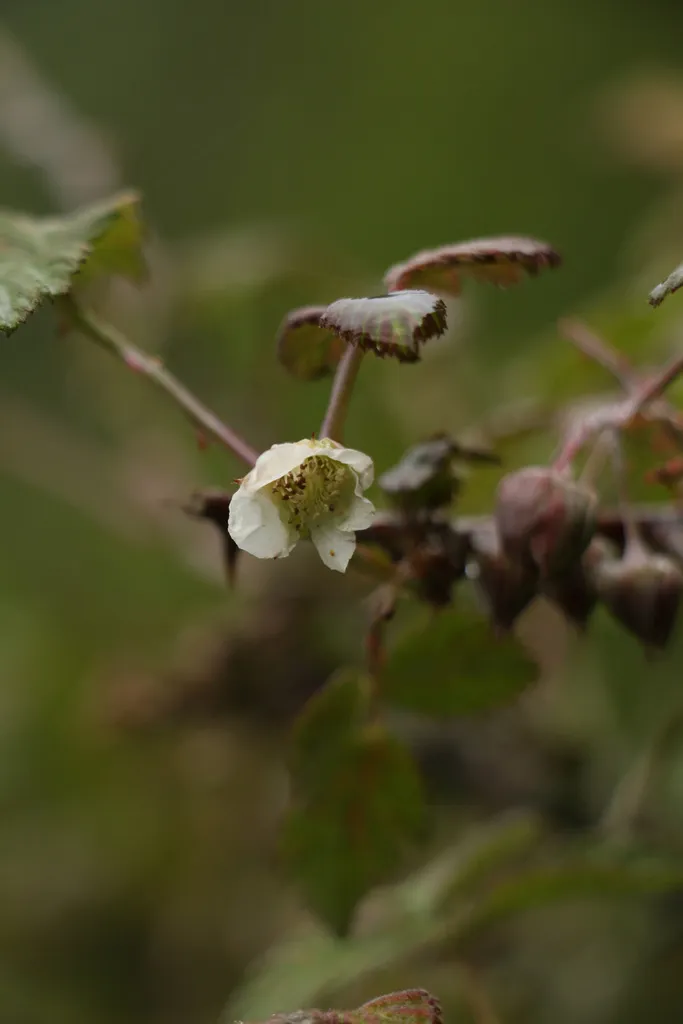
Scientific classification
- Species
- two-flowered raspberry (Rubus biflorus)
- Genus
- Rubus
- Family
- Rosaceae
- Information to be completed
- Toxicity
- Shrubs
- Plant type
- 2.5-4 metres
- Height
- 2.5-4 metres
- Spread
- Deciduous
- Foliage
- Suckering
- Habit
- Spring · Summer · Autumn · Winter
- Season of interest
- Full sun · Partial shade
- Sunlight
- Information to be completed
- Ideal temperature









two-flowered raspberry pictures
Distribution of two-flowered raspberry
Distribution map
Himalaya, Western China
Information to be completed
Culture
Information to be completed
Toxicity
Information to be completed
Quick identification of two-flowered raspberry
Information to be completed
two-flowered raspberry care guide
- Moderate regular watering, allowing brief slight drying between soakings
- Watering
- Full sun · Partial shade
- Sunlight
- Information to be completed
- Ideal temperature

Watering
Moderate regular watering, allowing brief slight drying between soakings
Fertilizing
 Fertilizing
Balanced perennial feed every four weeks from spring through summer
Pruning
 Pruning
For colourful stems or large foliage, prune hard to a low framework. Let young plants establish for one to two years first. Prune in late winter or spring, before or as new growth starts.
Propagation
 Propagation
Propagate by softwood cuttings in summer or hardwood cuttings in winter
Growing
 Growing
Grow in well-drained fertile soil in sun or partial shade. Has the potential to become a nuisance if not well managed
People also ask
Information to be completed
Common pests and diseases
Diseases
May be susceptible to grey moulds and honey fungus (rarely)
Pests
Generally pest-free
Explore the plant health library →




