
blackberry
Also known as: bramble; bumble-kites; common blackberry; common bramble
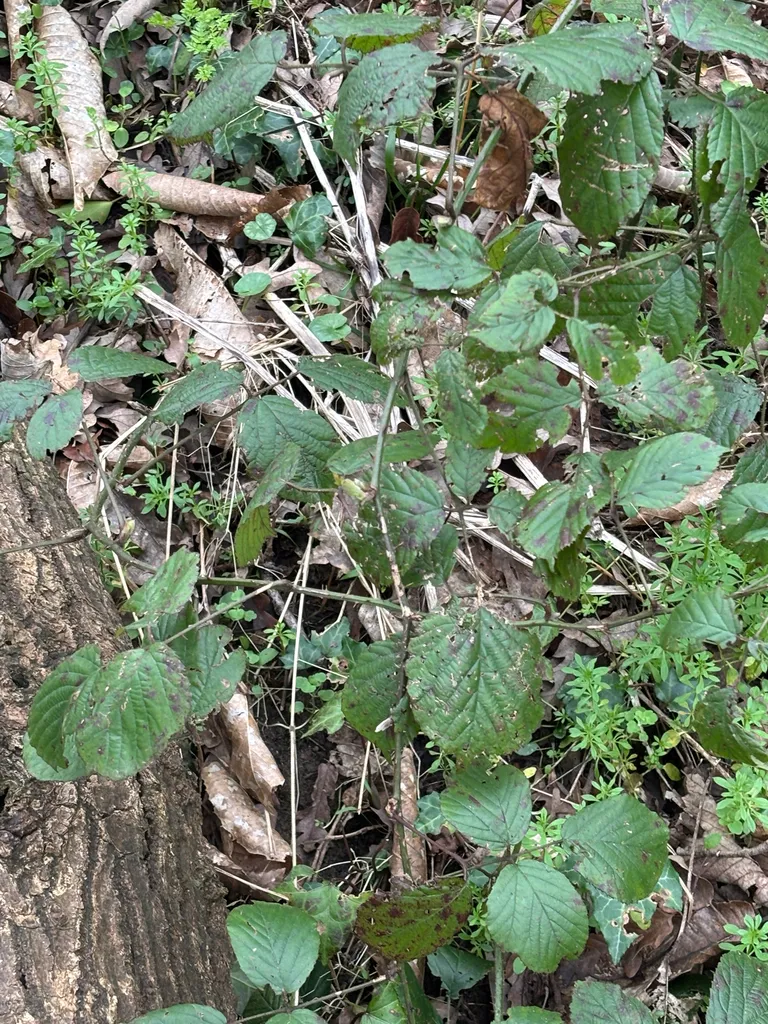
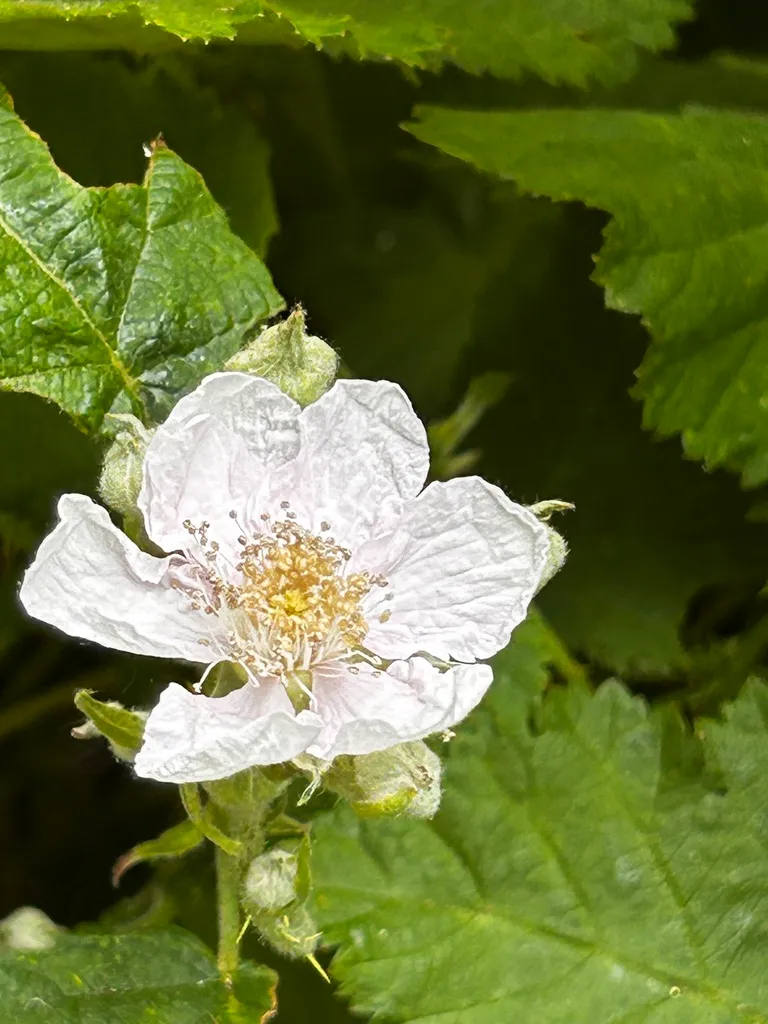
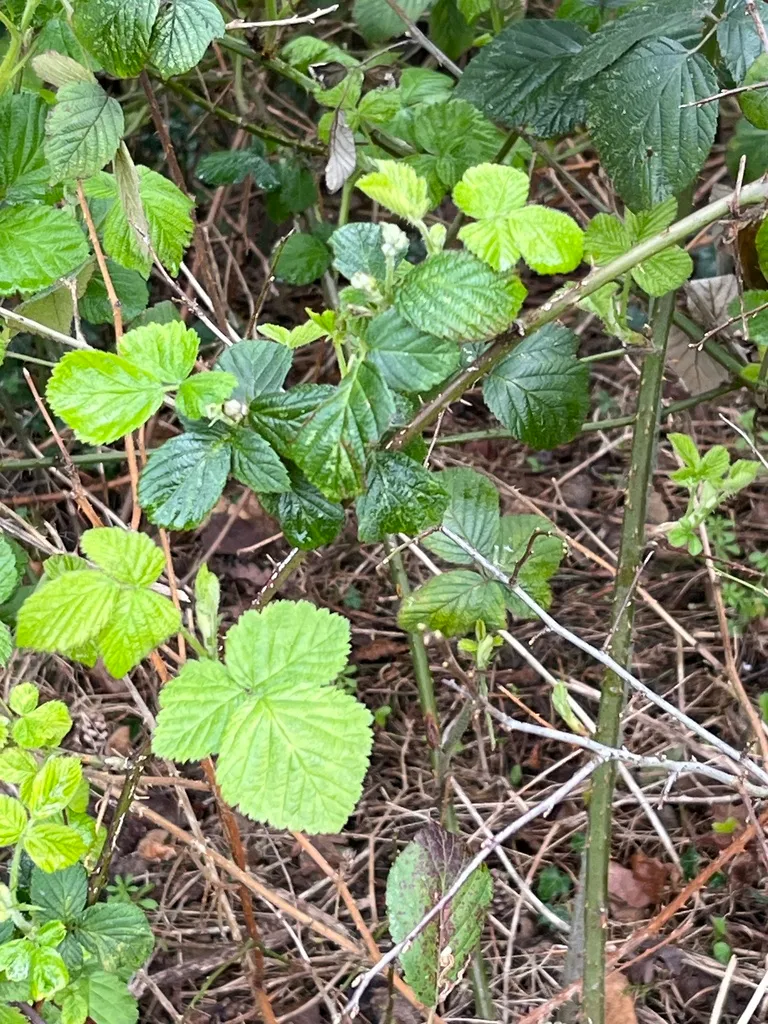
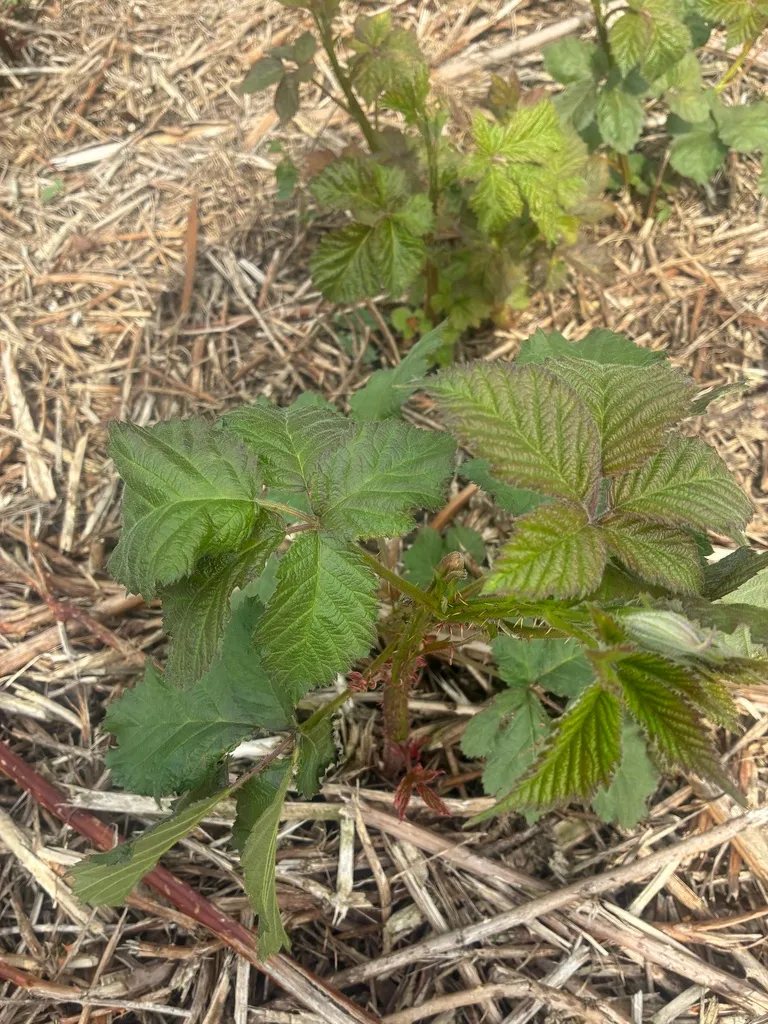
Vigorous, thorny scramblers with pink or white flowers in summer followed by edible, aromatic black fruit. The dark green leaves with three leaflets can provide good autumn tints. It is a valuable plant for wildlife, providing food and shelter. It is also an original parent of all cultivated blackberries and modern hybrids
Scientific classification
- Species
- blackberry (Rubus fruticosus)
- Genus
- Rubus
- Family
- Rosaceae
- Information to be completed
- Toxicity
- Fruit Edible · Climber Wall Shrub
- Plant type
- 1.5-2.5 metres
- Height
- wider than 8 metres
- Spread
- Deciduous
- Foliage
- Trailing
- Habit
- Autumn · Spring · Summer
- Season of interest
- Full sun
- Sunlight
- Information to be completed
- Ideal temperature









blackberry pictures
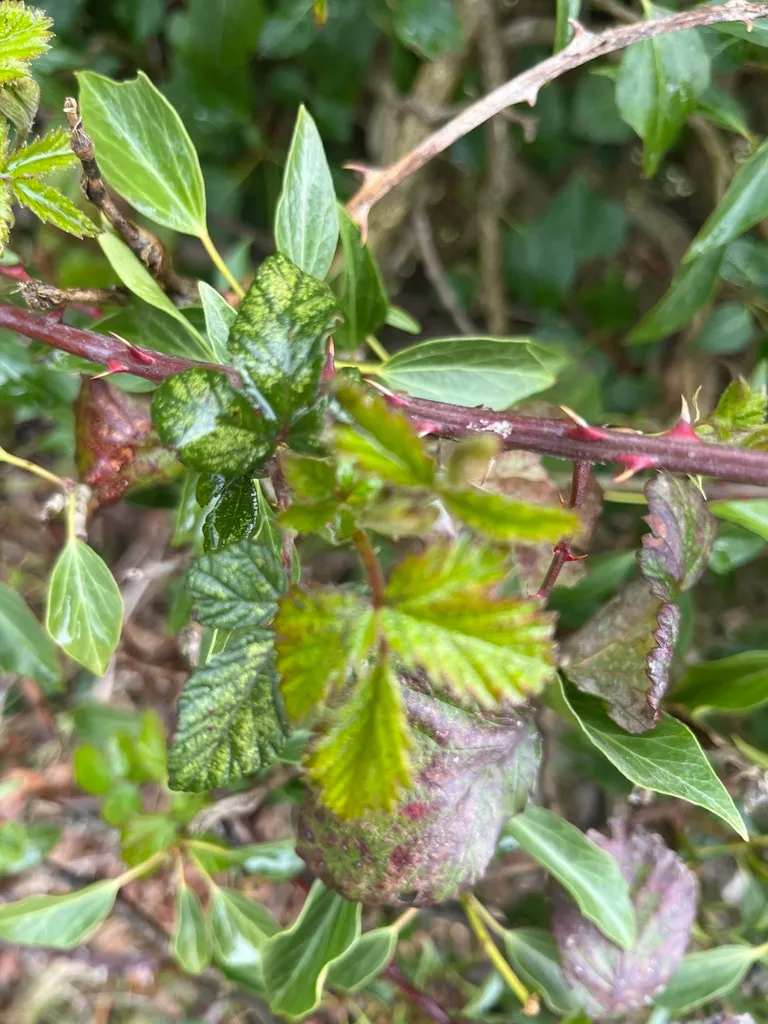
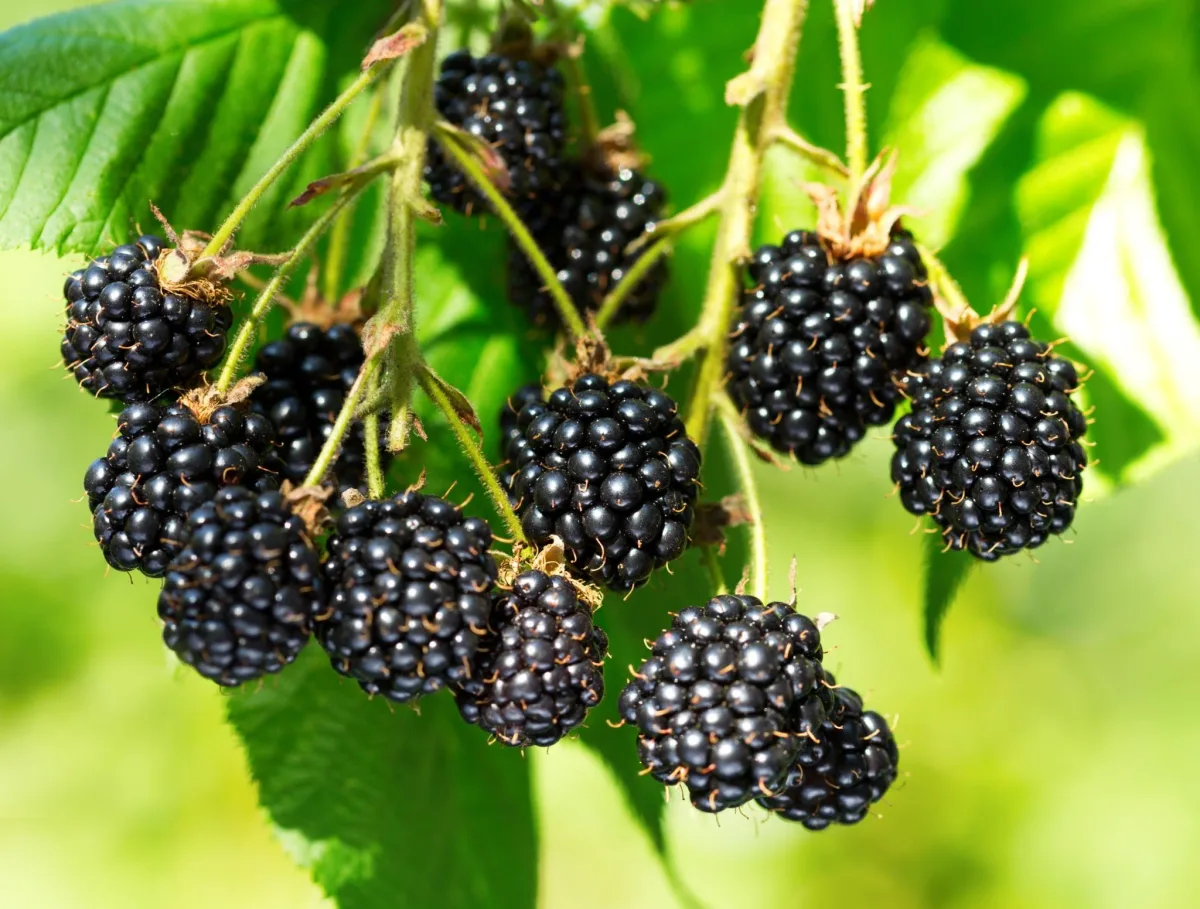
Distribution of blackberry
Distribution map
Europe
Information to be completed
Culture
Information to be completed
Toxicity
Information to be completed
Quick identification of blackberry
Information to be completed
blackberry care guide
- Water regularly, keeping the soil moist but not waterlogged; water more in dry spells.
- Watering
- Full sun
- Sunlight
- Information to be completed
- Ideal temperature

Watering
Water regularly, keeping the soil moist but not waterlogged; water more in dry spells.
Fertilizing
 Fertilizing
Apply a balanced fertilizer monthly during the growing season.
Pruning
 Pruning
Cutting out old canes, and shortening new ones, helps retain some measure of control but plants may need cutting to the ground every few years
Propagation
 Propagation
Propagate by seed or by tip layering, which it does naturally
Growing
 Growing
Can be fan-trained to provide fruit, but more suited to a wildlife garden. Tolerates most soils and situations, but need sun to flower and fruit well. May have the potential to become a nuisance if not managed well. See also blackberry cultivation for more advice
People also ask
Information to be completed
Common pests and diseases
Diseases
May be susceptible to grey moulds and honey fungus (rarely)
Pests
Generally pest-free
Explore the plant health library →




