
leafless lawyer
Also known as: bush lawyer; yellow-prickled lawyer
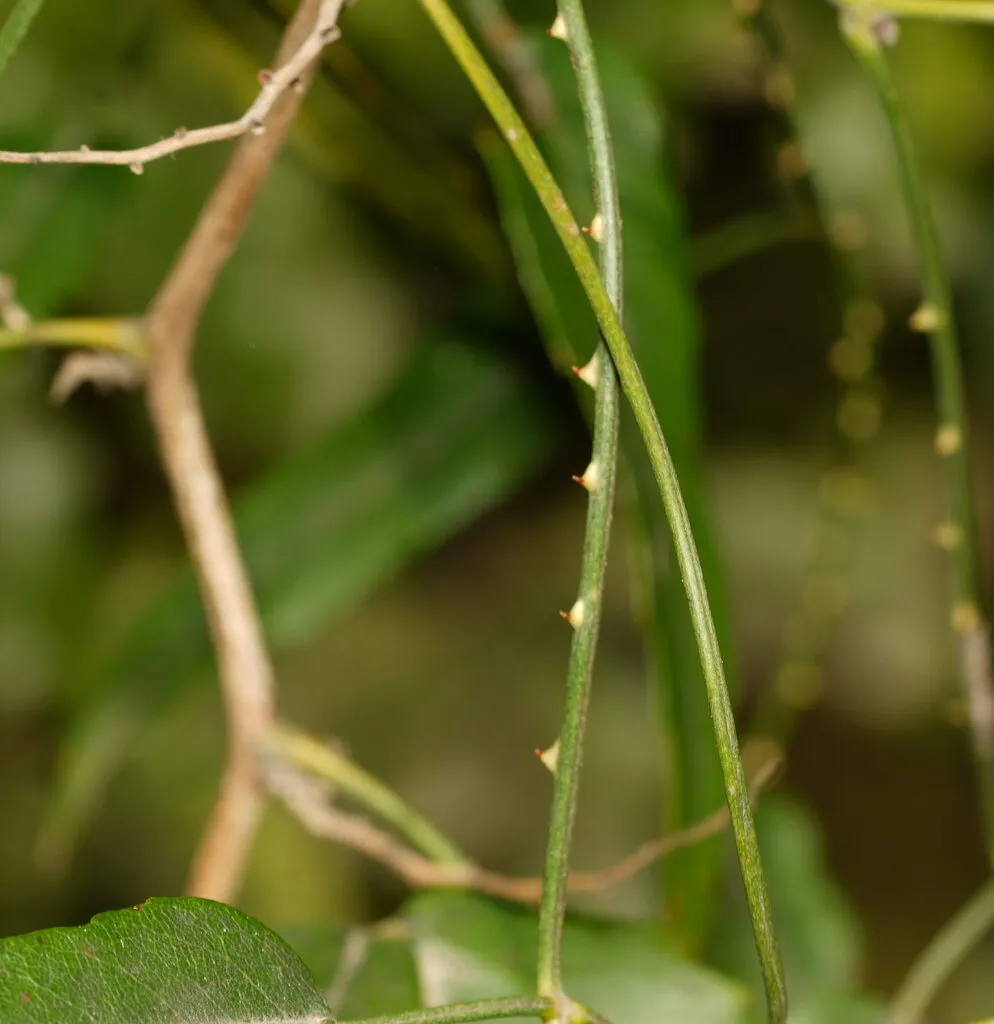
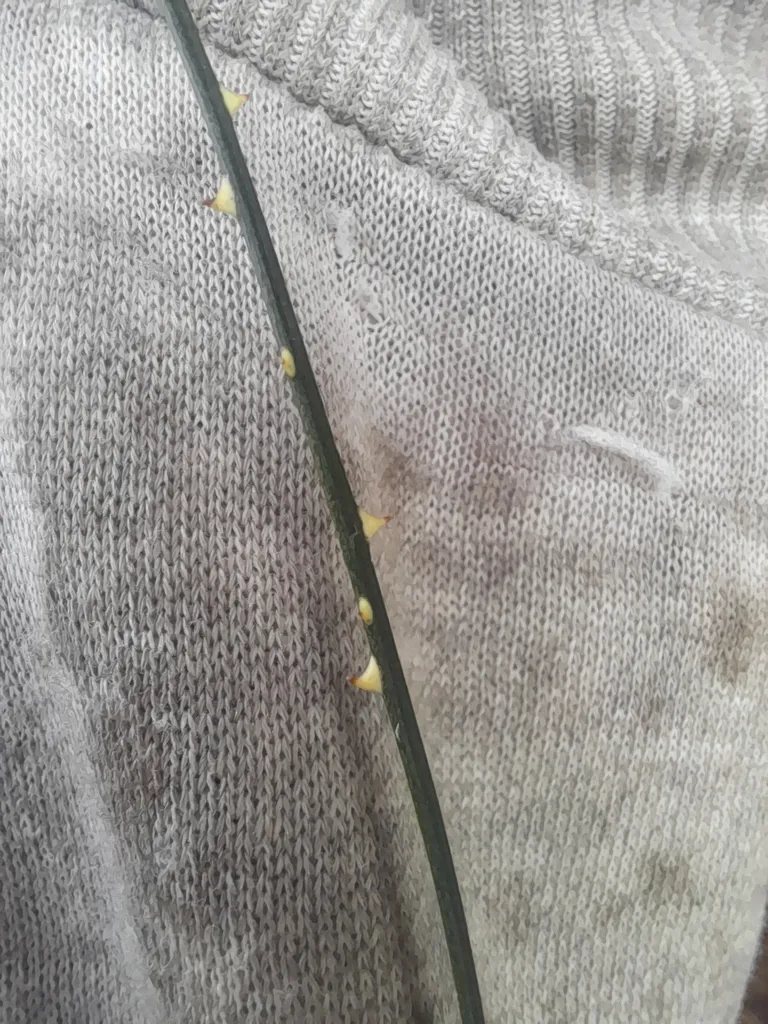
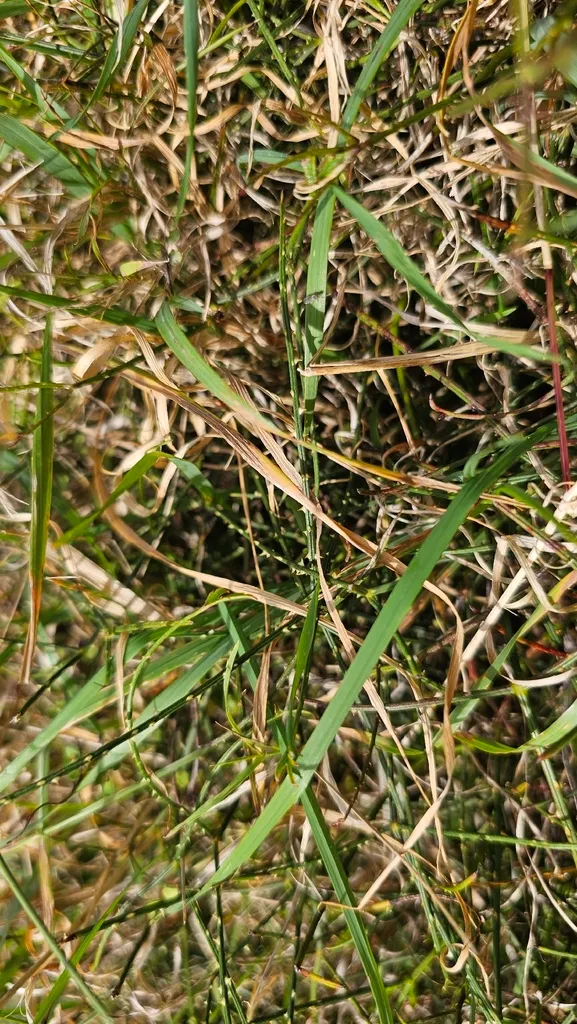
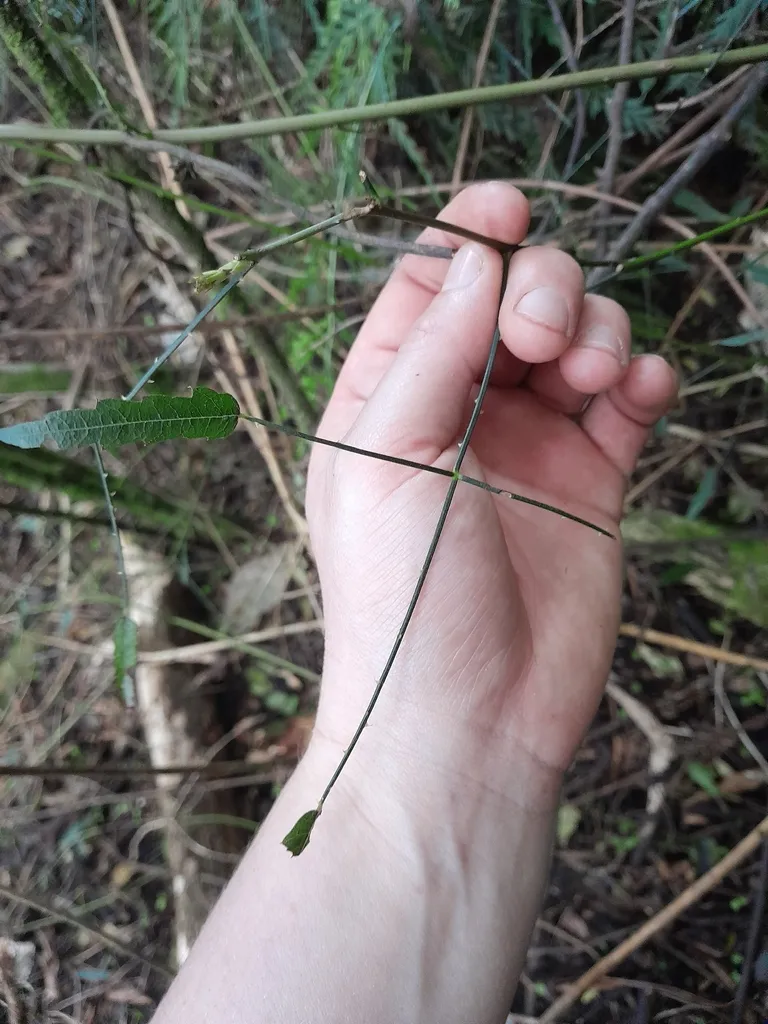
An evergreen shrub forming a mound of tangled stems up to around 50cm tall in cultivation. The green stems bear small, scattered yellowish-white prickles and sparse 'skeletonised' leaves with the leaf blade being reduced to virtually nothing giving a thread-like appearance. In summer, small, yellowish flowers may be borne in panicles up to 15cm long; orange-red fruits are rarely seen in this country
Scientific classification
- Species
- leafless lawyer (Rubus squarrosus)
- Genus
- Rubus
- Family
- Rosaceae
- Information to be completed
- Toxicity
- Shrubs
- Plant type
- 0.1-0.5 metres
- Height
- 0.5-1 metres
- Spread
- Evergreen
- Foliage
- Bushy
- Habit
- Spring · Summer · Autumn · Winter
- Season of interest
- Full sun · Partial shade
- Sunlight
- Information to be completed
- Ideal temperature









leafless lawyer pictures
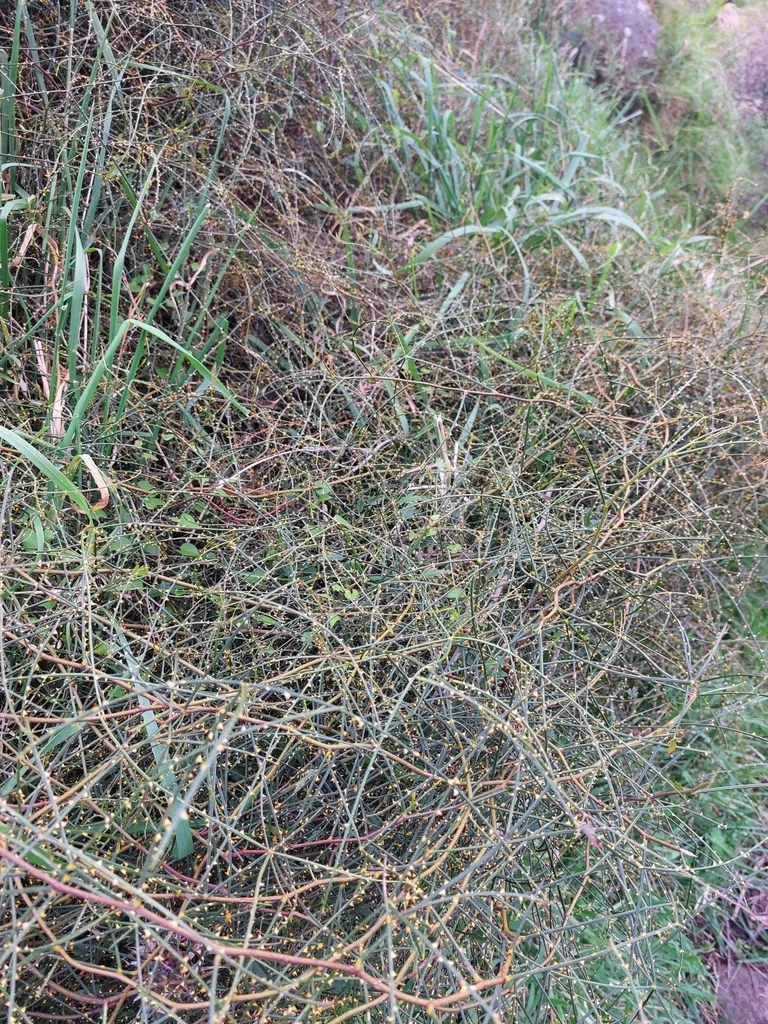
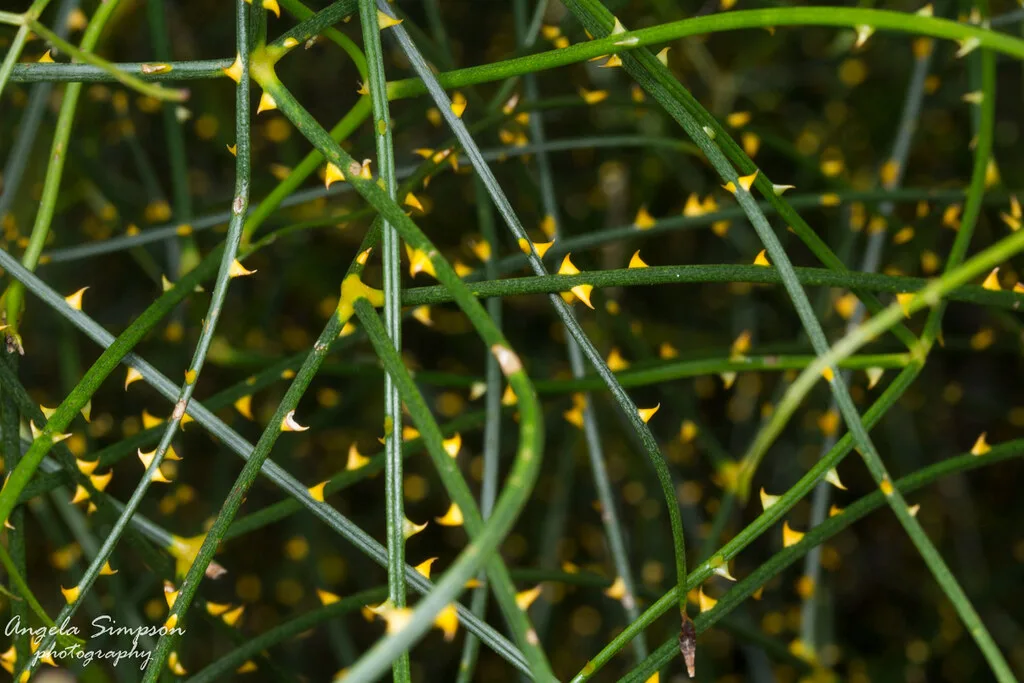
Distribution of leafless lawyer
Distribution map
New Zealand
Information to be completed
Culture
Information to be completed
Toxicity
Information to be completed
Quick identification of leafless lawyer
Information to be completed
leafless lawyer care guide
- Let soil partially dry before watering, excess moisture weakens canes
- Watering
- Full sun · Partial shade
- Sunlight
- Information to be completed
- Ideal temperature

Watering
Let soil partially dry before watering, excess moisture weakens canes
Fertilizing
 Fertilizing
Berry bush balanced feed twice annually spring and early summer growth
Pruning
 Pruning
Little pruning is needed. Remove diseased, damaged, crowded or crossing shoots and unwanted growth. Timing depends on the plant: generally late winter or early spring; plants prone to bleeding and deciduous magnolias need different timing, and deciduous azaleas and lilacs are pruned after flowering.
Propagation
 Propagation
Propagate by seed, by semi-ripe cuttings or by tip layering in autumn
Growing
 Growing
Easily grown in a well-drained soil in full sun or partial shade. Unlikely to produce flowers if grown in full sun
People also ask
Information to be completed
Common pests and diseases
Diseases
May be susceptible to grey moulds and honey fungus (rarely)
Pests
Generally pest-free
Explore the plant health library →




