
myrobalan
Also known as: Information to be completed
A medium to large species of deciduous tree native to South Asia reaching a height of around 300cm and trunk width of around 100cm with an umbrella-like habit. Leaves are alternate, ovate and dark green. Short panicles of dull white to yellow flowers appear in summer which have an unpleasant smell, followed by smooth, green oval fruits which turn yellow to orange-brown. The tree is used for both medicinal purposes and the fruit for making into preserves in some countries
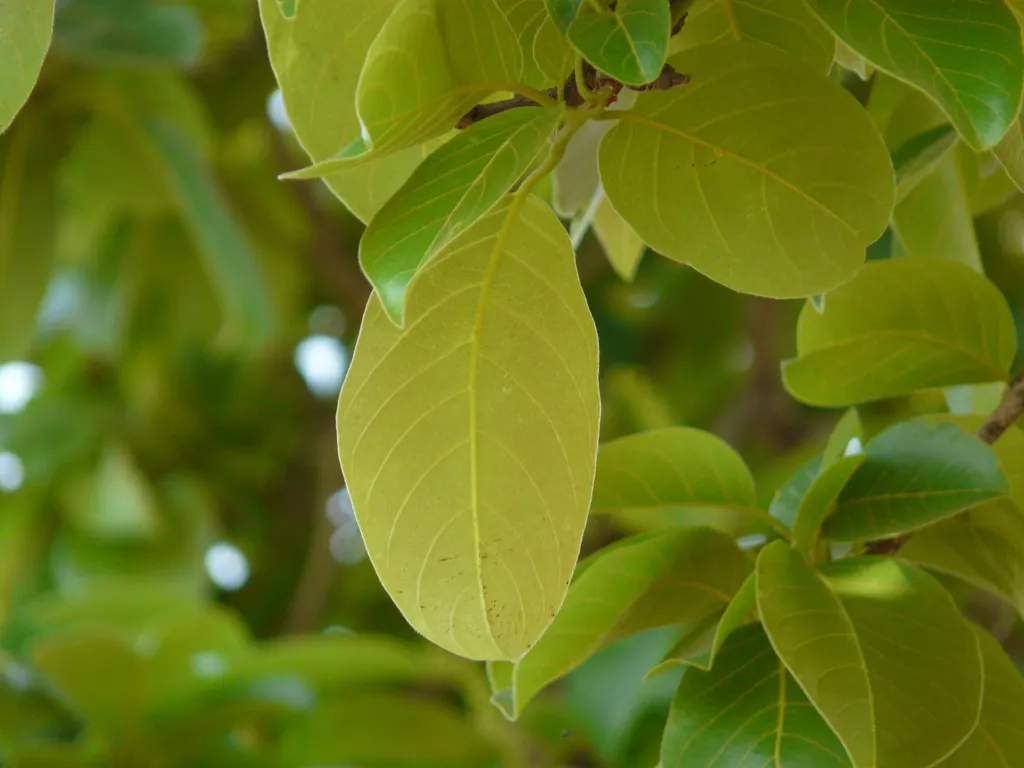
Scientific classification
- Species
- myrobalan (Terminalia chebula)
- Genus
- Terminalia
- Family
- Combretaceae
- Information to be completed
- Toxicity
- Trees
- Plant type
- 2.5-4 metres
- Height
- 1.5-2.5 metres
- Spread
- Deciduous
- Foliage
- Columnar upright
- Habit
- Spring · Summer · Autumn · Winter
- Season of interest
- Full sun
- Sunlight
- Information to be completed
- Ideal temperature









myrobalan pictures
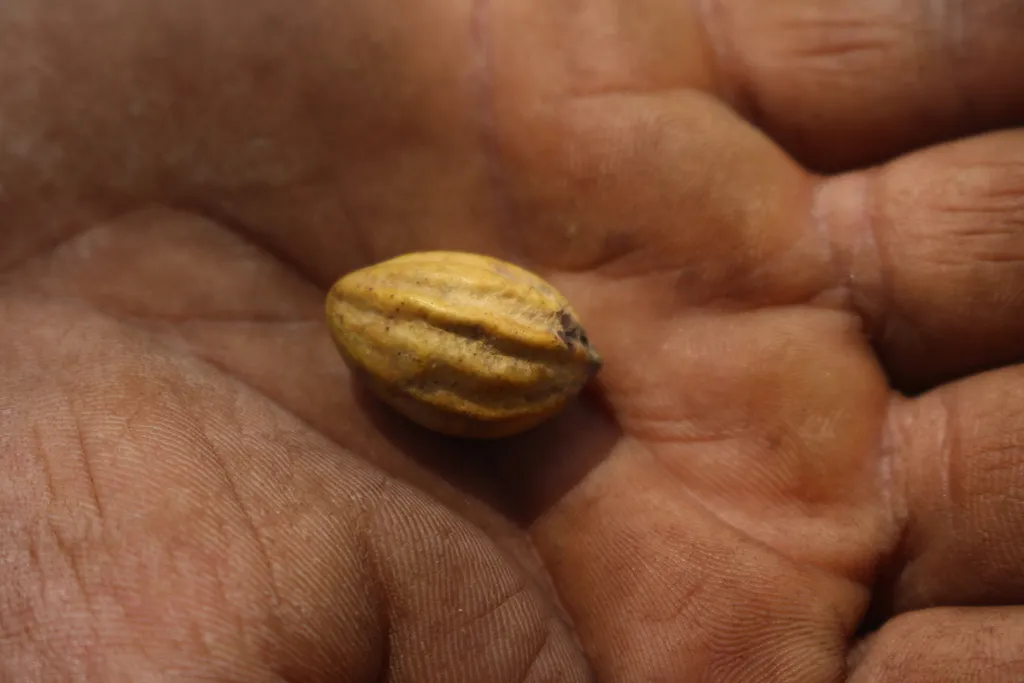
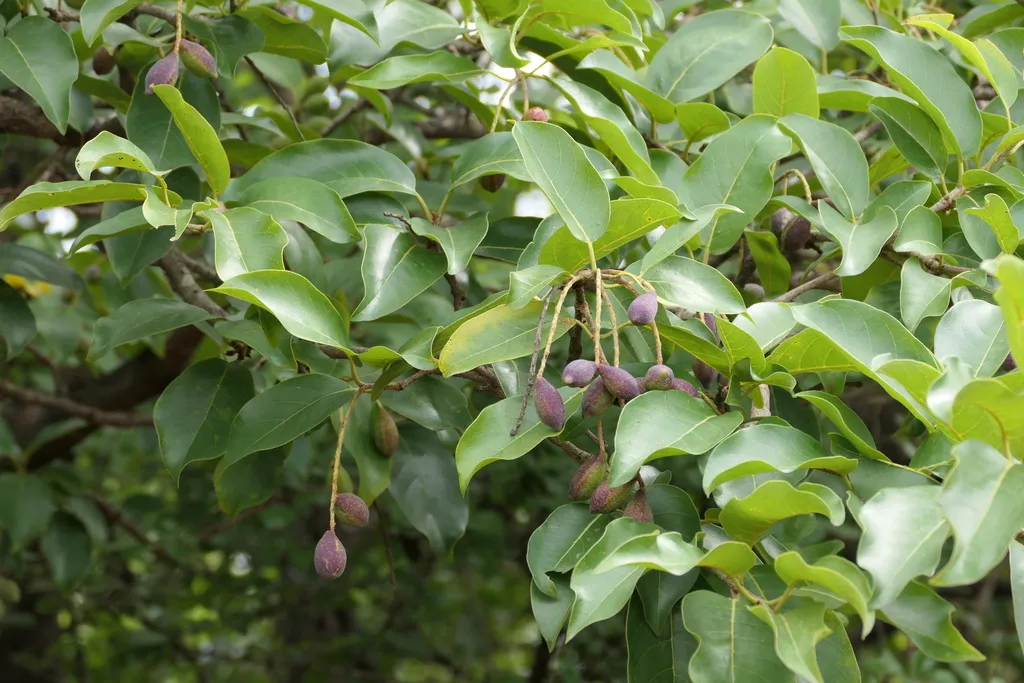
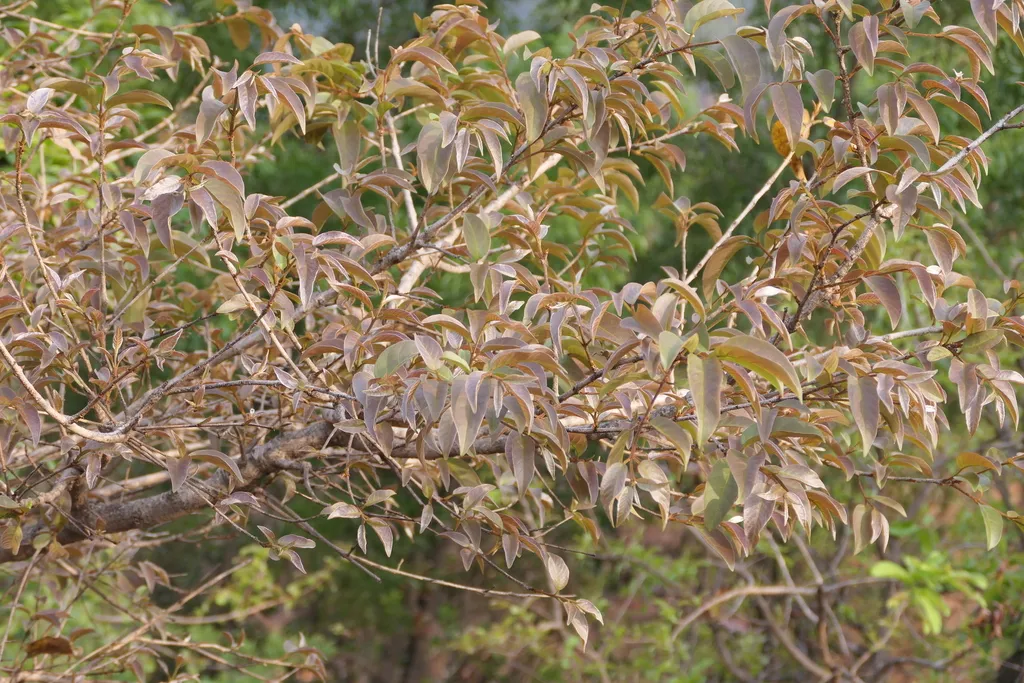
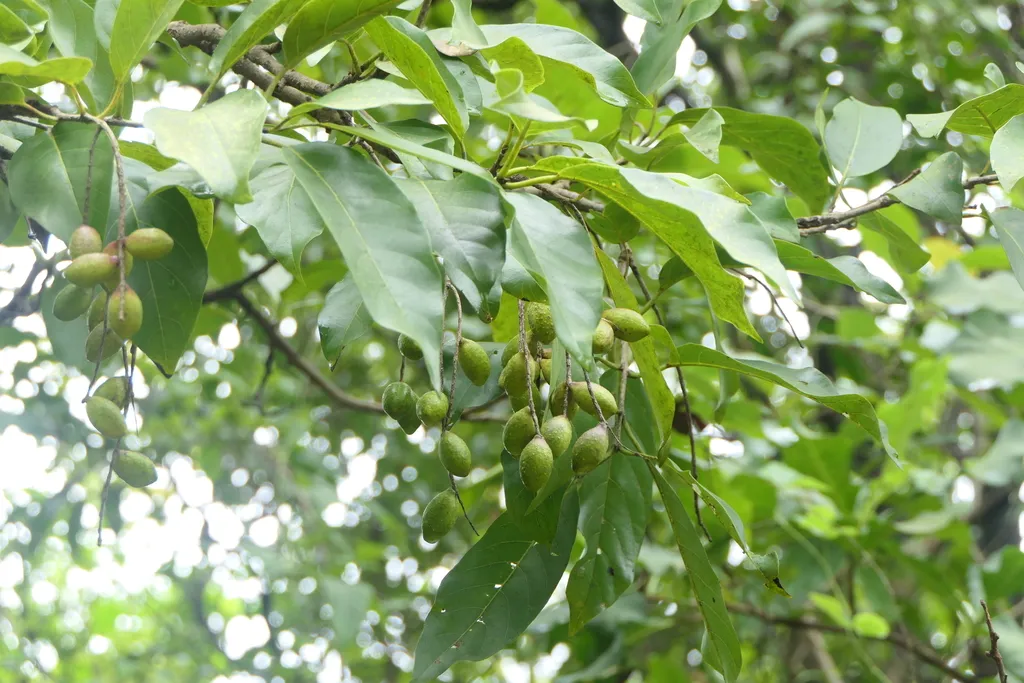
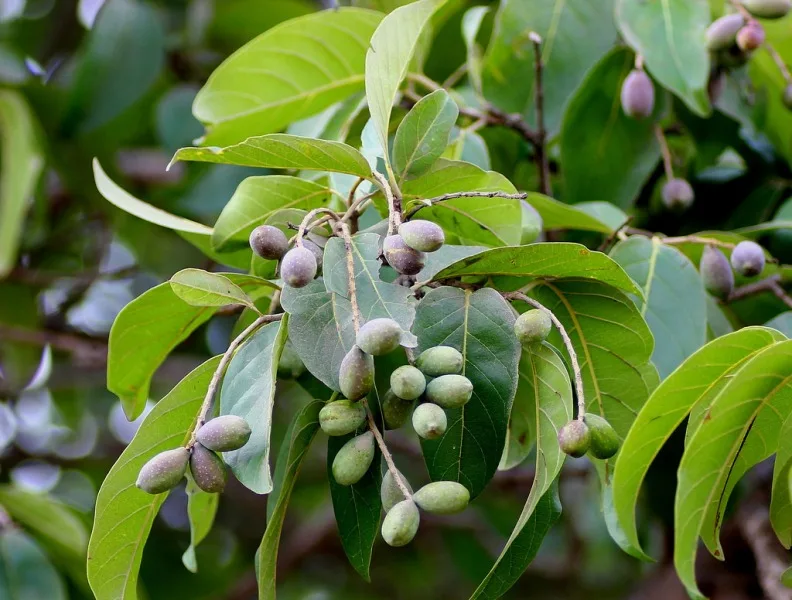
Distribution of myrobalan
Distribution map
Information to be completed
Information to be completed
Culture
Information to be completed
Toxicity
Information to be completed
Quick identification of myrobalan
Information to be completed
myrobalan care guide
- Moderate regular watering, avoid prolonged drought or waterlogging
- Watering
- Full sun
- Sunlight
- Information to be completed
- Ideal temperature

Watering
Moderate regular watering, avoid prolonged drought or waterlogging
Fertilizing
 Fertilizing
Balanced feed in spring and light repeat in growth season
Pruning
 Pruning
Little pruning is needed. Remove diseased, damaged, crowded or crossing shoots and unwanted growth. Timing depends on the plant: generally late winter or early spring; plants prone to bleeding and deciduous magnolias need different timing, and deciduous azaleas and lilacs are pruned after flowering.
Propagation
 Propagation
Propagate by seed or layering in spring. Seed germination and growth may be slow
Growing
 Growing
Under glass, grow in loam-based compost with the addition of sharp sand in full sun. Water moderately and apply a balanced liquid fertiliser during the growing season. Outside, grow in moderately fertile, sandy soil in full sun
People also ask
Information to be completed
Common pests and diseases
Diseases
Generally disease-free
Pests
Generally pest-free
Explore the plant health library →




