
wormwood
Also known as: absinth; absinthe; common wormwood; girdle of St John; green ginger; holy seed; lad's love; mingwort; old man; old woman; St John's girdle; warmot
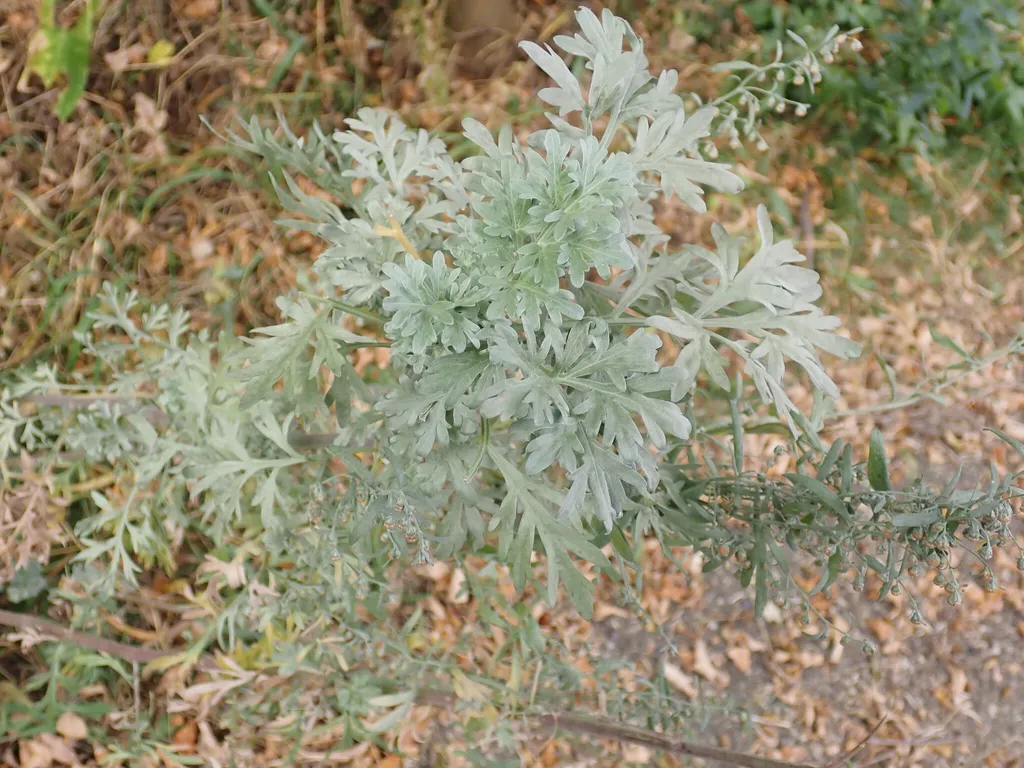
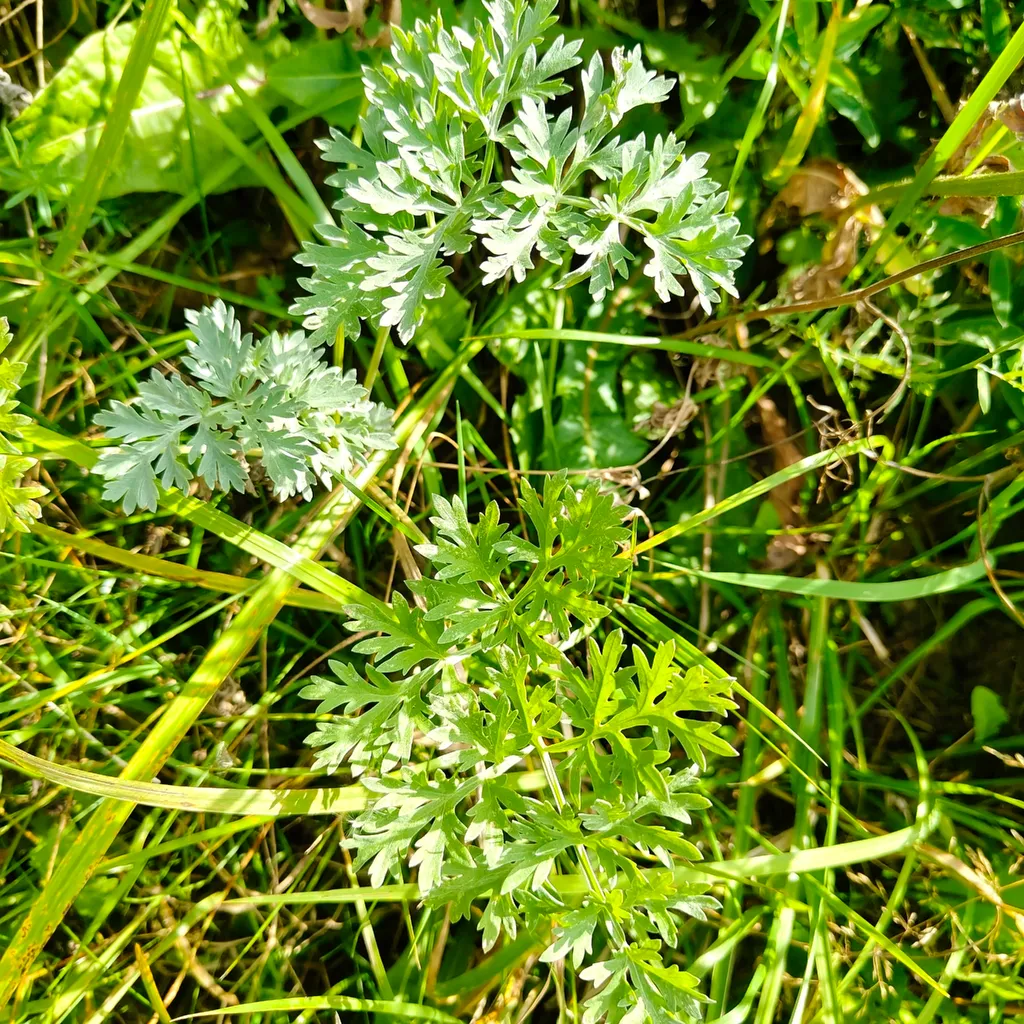
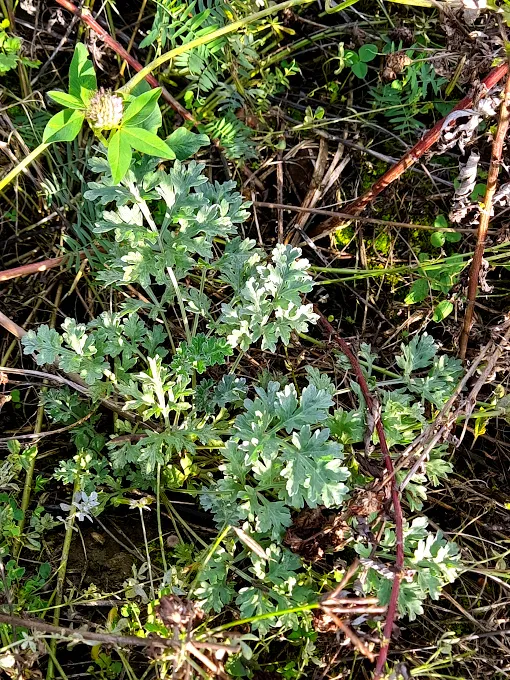
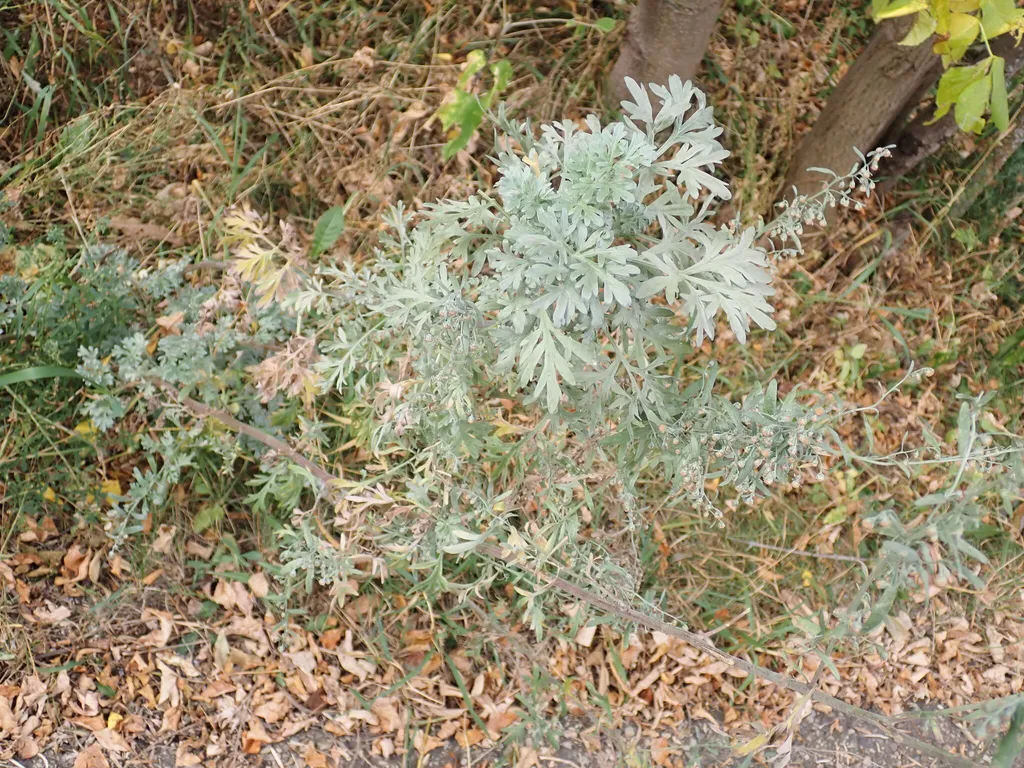
An upright deciduous perennial, with finely divided, highly aromatic grey-green foliage and rather insignificant yellowish flowers in late summer
Scientific classification
- Species
- wormwood (Artemisia absinthium)
- Genus
- Artemisia
- Family
- Asteraceae
- Information to be completed
- Toxicity
- Herbaceous Perennial · Herbs - Culinary
- Plant type
- 0.5-1 metres
- Height
- 0.1-0.5 metres
- Spread
- Deciduous
- Foliage
- Bushy
- Habit
- Spring · Summer · Autumn
- Season of interest
- Full sun
- Sunlight
- Information to be completed
- Ideal temperature









wormwood pictures
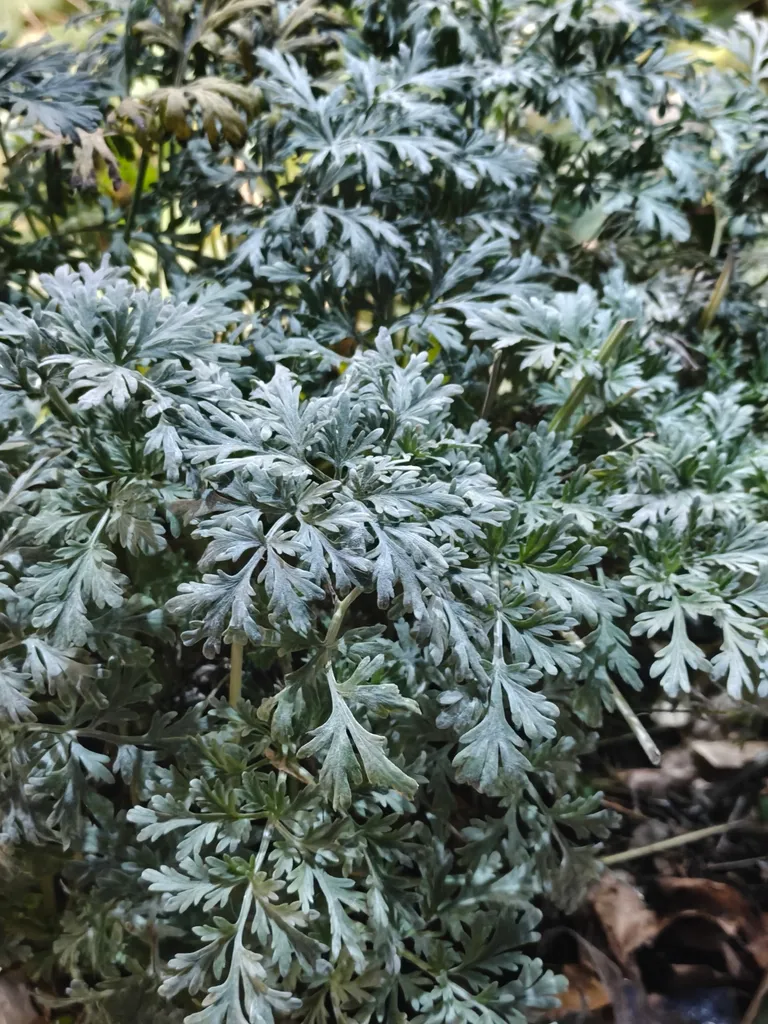
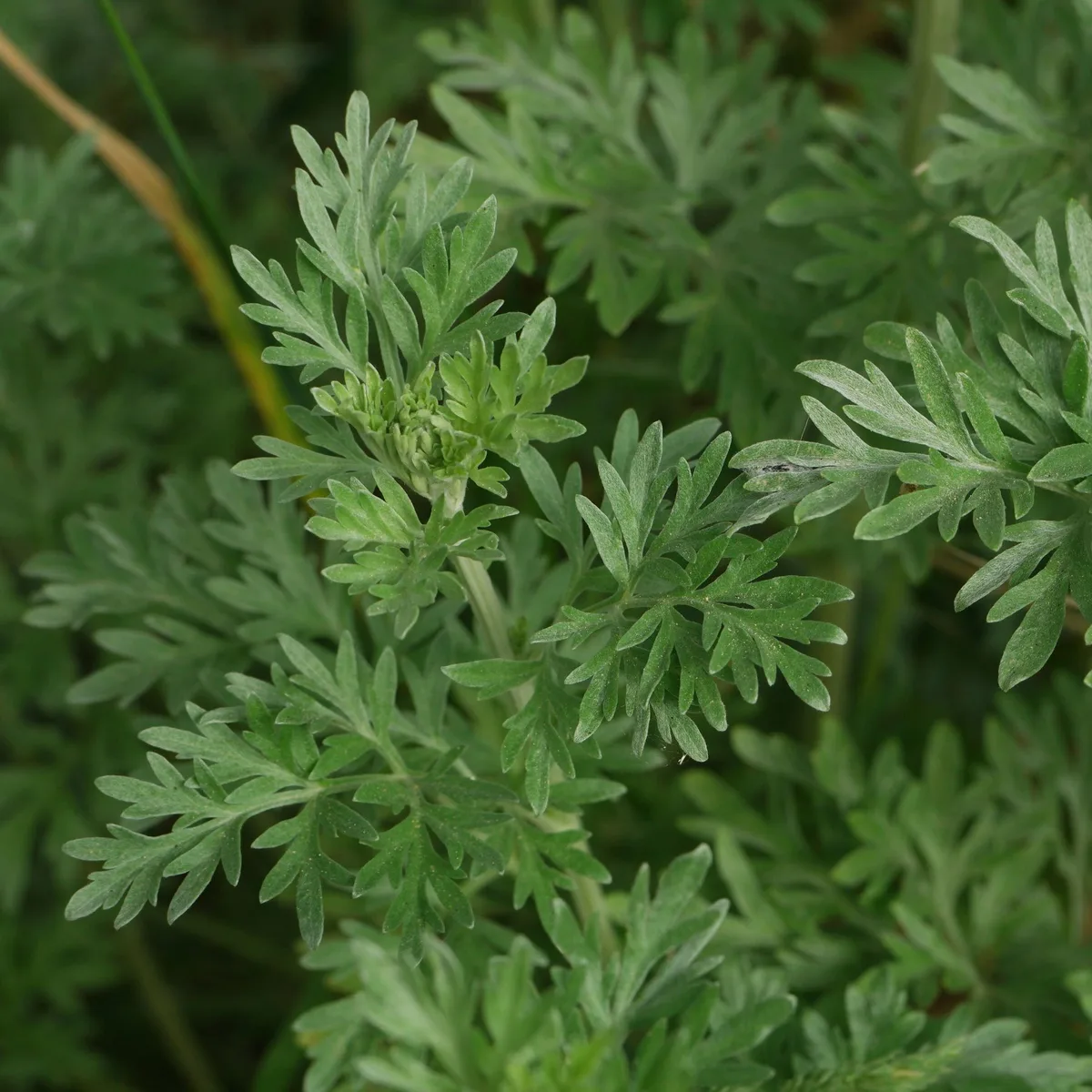
Distribution of wormwood
Distribution map
Europe, Asia, Northern Africa
Information to be completed
Culture
Information to be completed
Toxicity
Information to be completed
Quick identification of wormwood
Information to be completed
wormwood care guide
- Moderate regular watering, avoid prolonged drought or waterlogging
- Watering
- Full sun
- Sunlight
- Information to be completed
- Ideal temperature

Watering
Moderate regular watering, avoid prolonged drought or waterlogging
Fertilizing
 Fertilizing
Balanced feed in spring and light repeat in growth season
Pruning
 Pruning
For colourful stems or large foliage, prune hard to a low framework. Let young plants establish for one to two years first. Prune in late winter or spring, before or as new growth starts.
Propagation
 Propagation
Propagate by seed in containers in a cold frame in autumn or spring. Root stem tips or heeled sideshoots as greenwood cuttings in early summer.
Growing
 Growing
Grow in fertile well-drained soil in sun. Can die back in heavy, poorly-drained soil
People also ask
Information to be completed
Common pests and diseases
Diseases
May be susceptible to honey fungus
Pests
May be susceptible to aphids and a gall midge
Explore the plant health library →




