
woolly willow
Also known as: Information to be completed
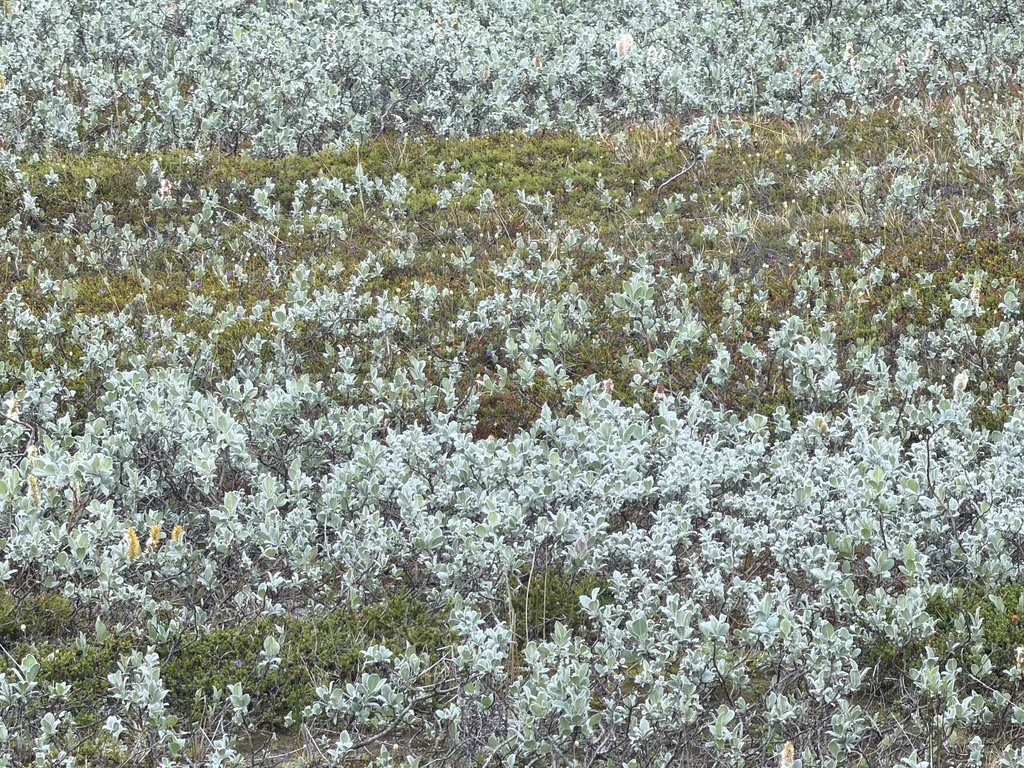
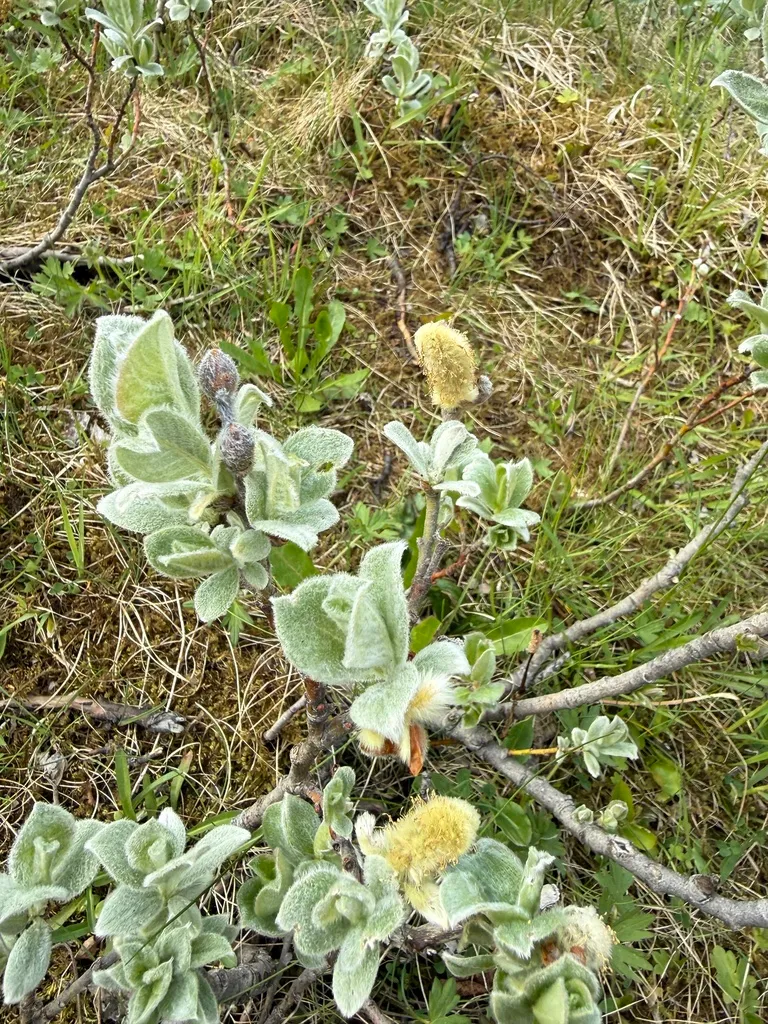
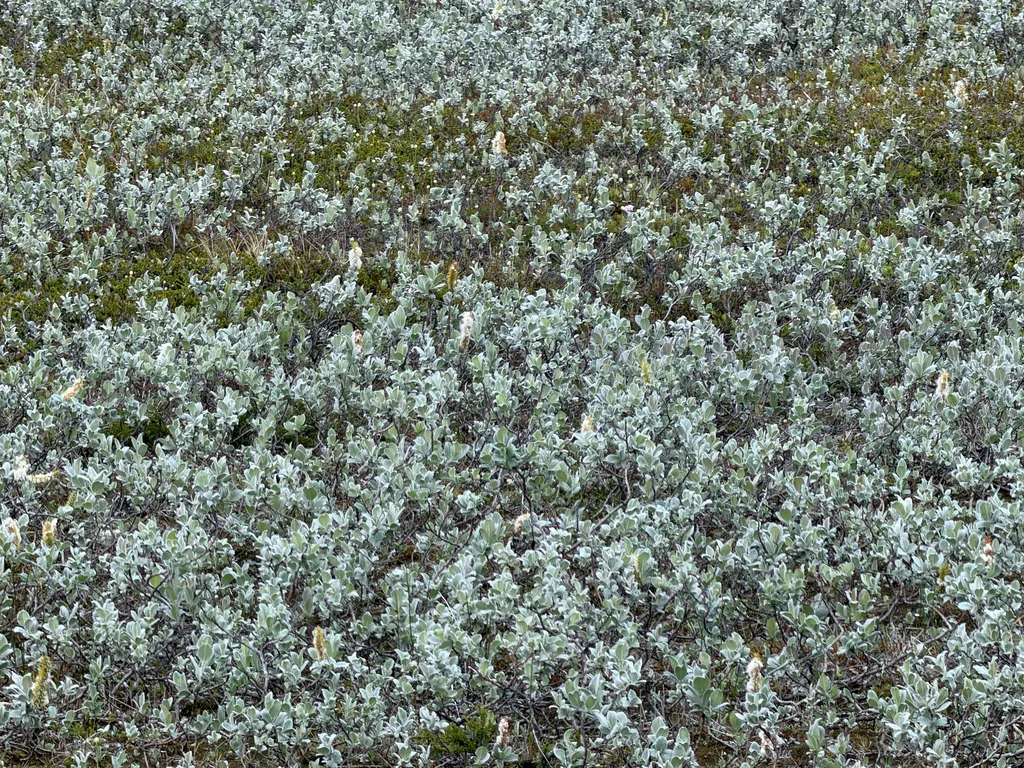
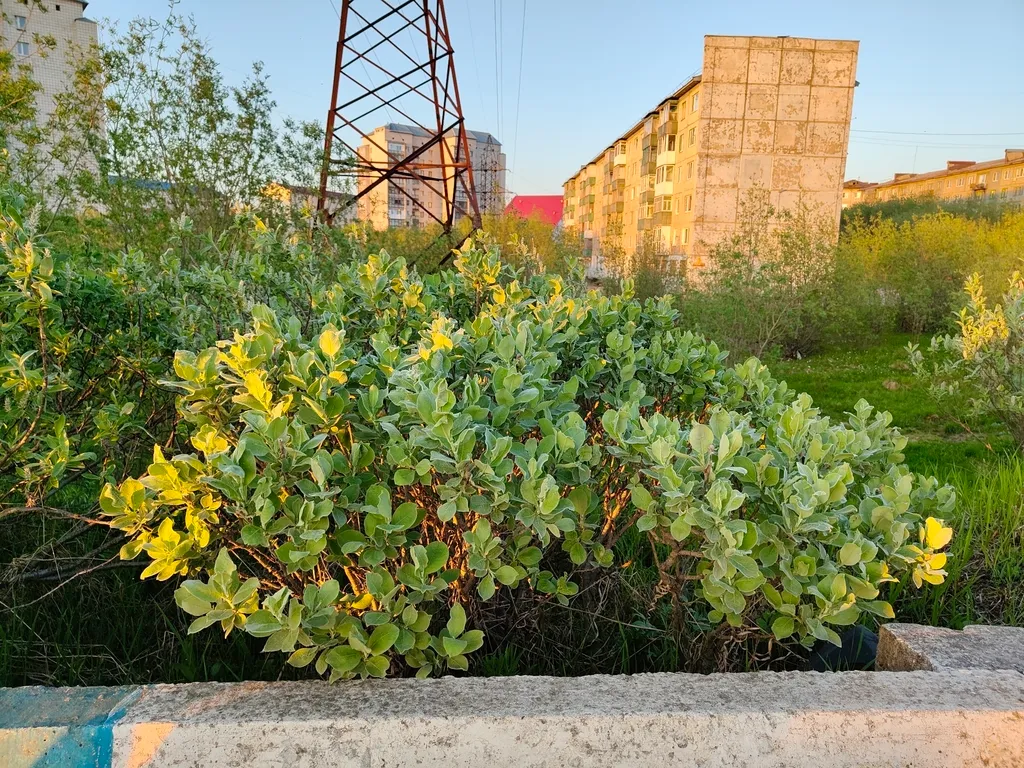
S. lanata is a bushy, slow-growing small deciduous shrub with rounded, silvery-woolly leaves to 6cm in length. Male catkins erect, to 5cm, silvery becoming yellow; female catkins longer, greenish
Scientific classification
- Species
- woolly willow (Salix lanata)
- Genus
- Salix
- Family
- Salicaceae
- Information to be completed
- Toxicity
- Shrubs
- Plant type
- 1-1.5 metres
- Height
- 1-1.5 metres
- Spread
- Deciduous
- Foliage
- Bushy
- Habit
- Spring · Summer · Autumn
- Season of interest
- Full sun · Partial shade
- Sunlight
- Information to be completed
- Ideal temperature









woolly willow pictures
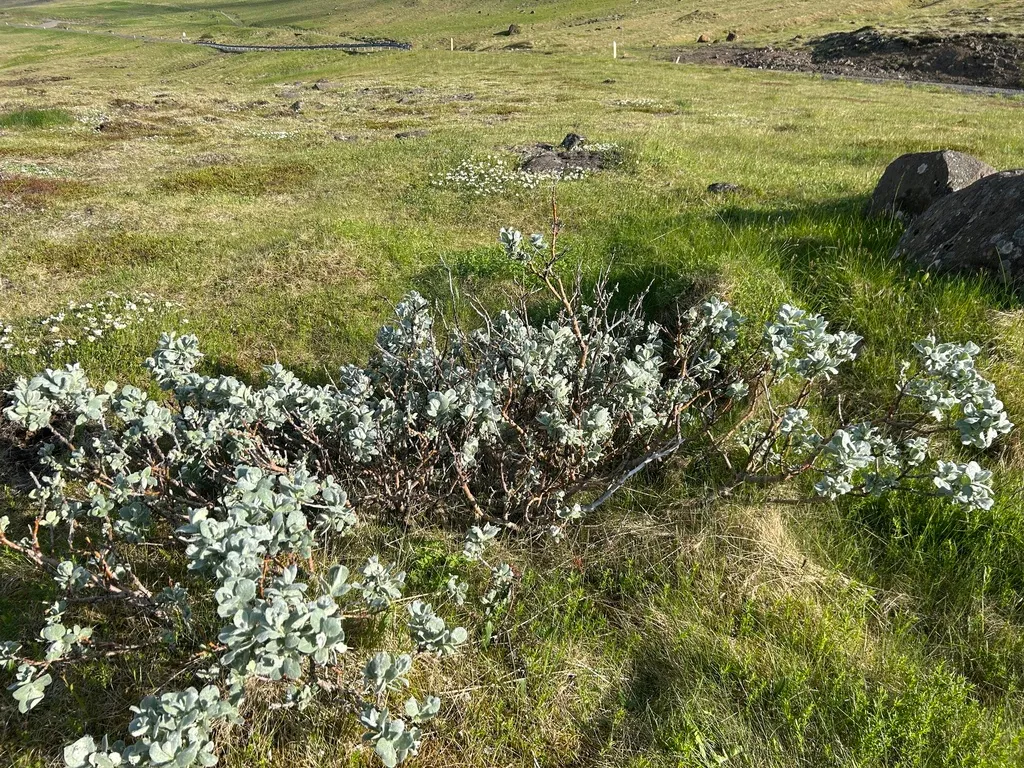
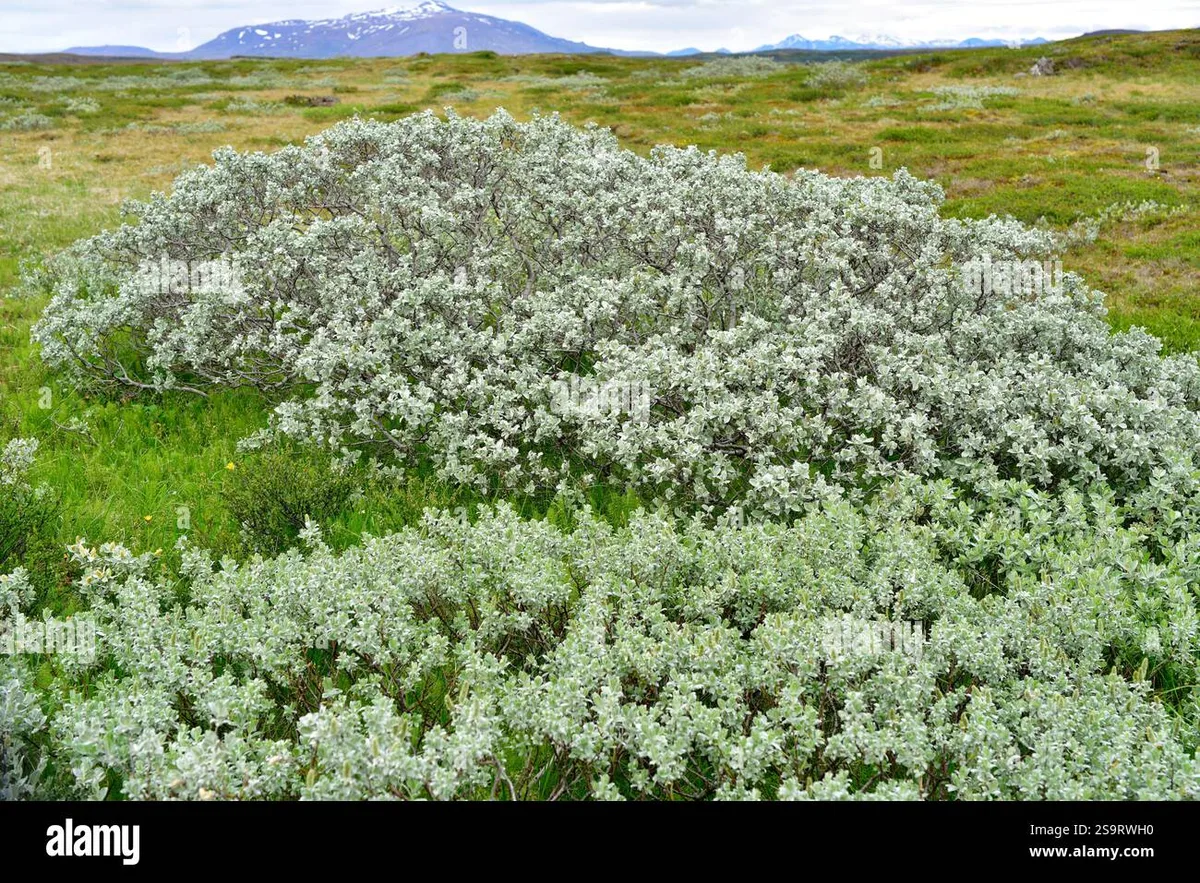
Distribution of woolly willow
Distribution map
Arctic Northern Asia Europe
Information to be completed
Culture
Information to be completed
Toxicity
Information to be completed
Quick identification of woolly willow
Information to be completed
woolly willow care guide
- Regular deep root watering, maintain steady mild soil dampness
- Watering
- Full sun · Partial shade
- Sunlight
- Information to be completed
- Ideal temperature

Watering
Regular deep root watering, maintain steady mild soil dampness
Fertilizing
 Fertilizing
Slow-release shrub fertilizer applied single time each early spring yearly
Pruning
 Pruning
Little pruning is needed. Remove diseased, damaged, crowded or crossing shoots and unwanted growth. Timing depends on the plant: generally late winter or early spring; plants prone to bleeding and deciduous magnolias need different timing, and deciduous azaleas and lilacs are pruned after flowering.
Propagation
 Propagation
Propagate by softwood cuttings in early summer or hardwood cuttings in winter
Growing
 Growing
Easy to grow on most soils in sun or partial shade; producing a small compact bushy shrub
People also ask
Information to be completed
Common pests and diseases
Diseases
May be susceptible to willow anthracnose, scab, canker, honey fungus and rust
Pests
May be susceptible to aphids, caterpillars, leaf beetles, sawflies, willow scale
Explore the plant health library →




