
creeping willow
Also known as: Information to be completed
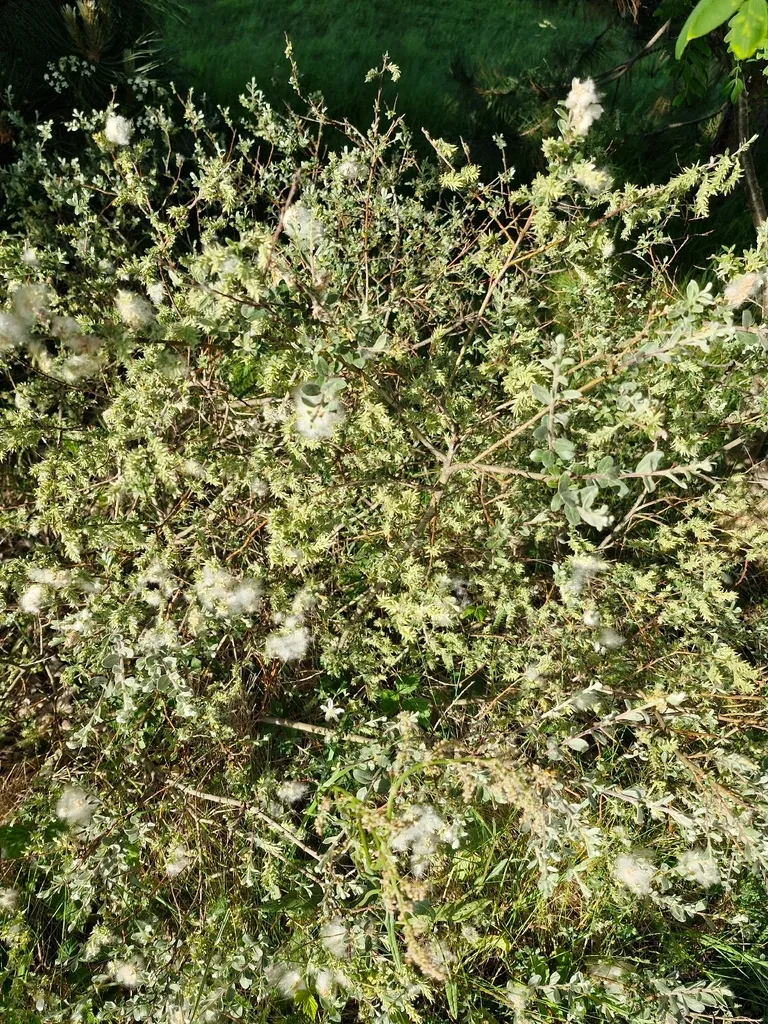
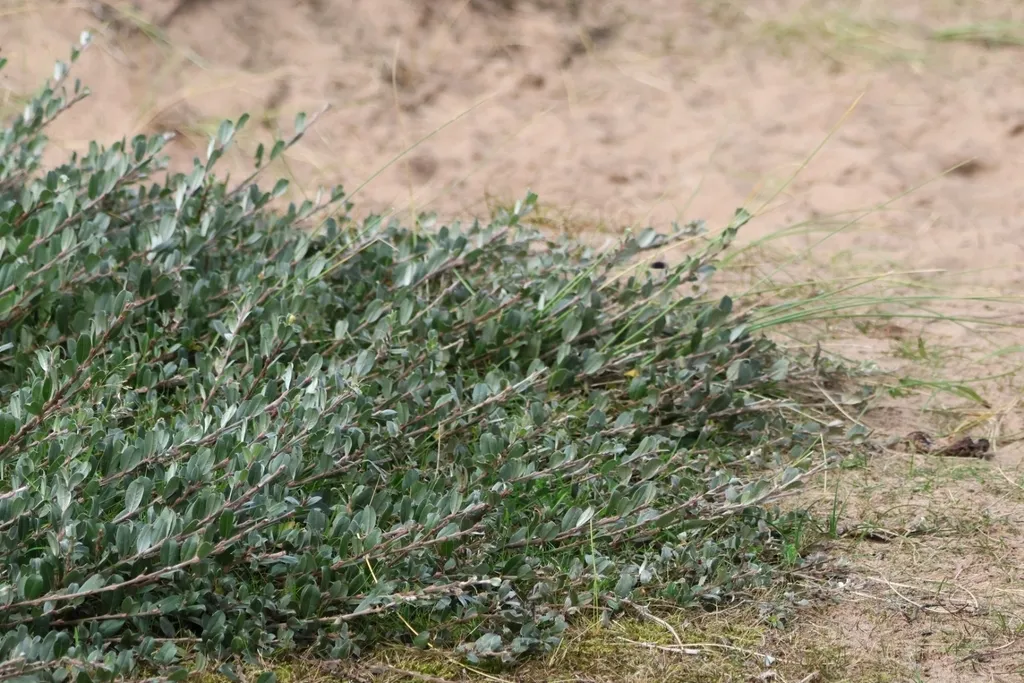
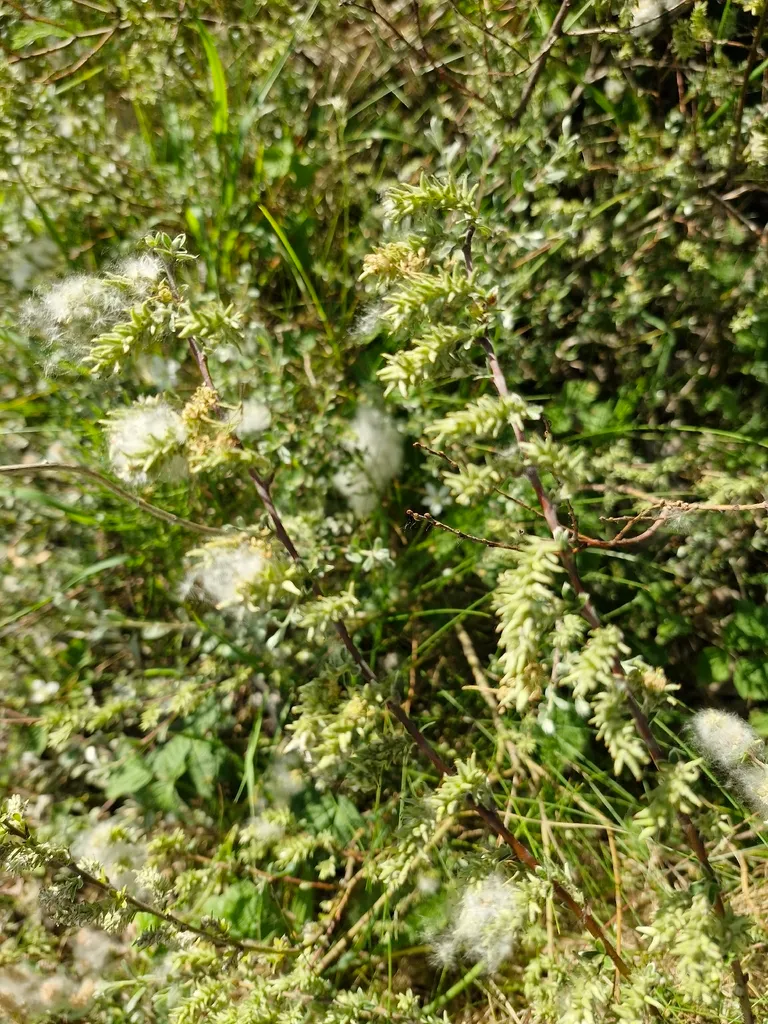
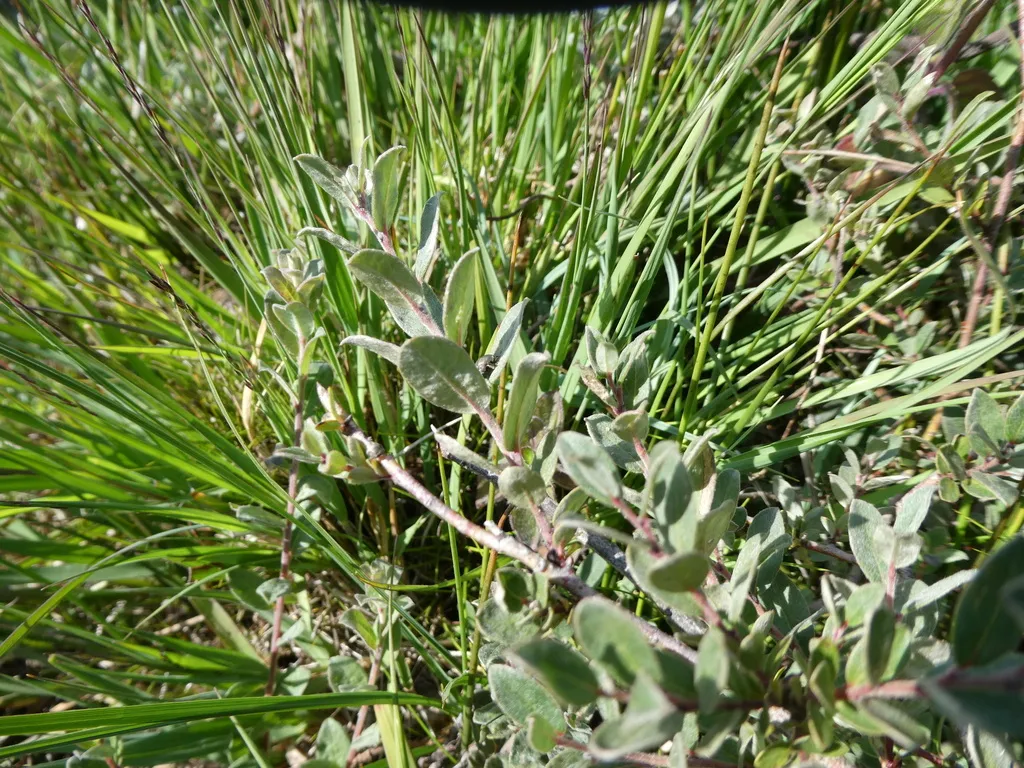
A variable deciduous shrub, usually low-growing and no more than 1m high, with creeping roots, slender stems and small, oval to oblong green leaves. Shoots and leaves are covered with fine silky hairs when young, and leaves remain hairy on the undersides. Small yellow-green catkins are produced before the leaves in spring. Sometimes grafted as a standard to create a small weeping tree; smaller forms may be suitable for rock gardens
Scientific classification
- Species
- creeping willow (Salix repens)
- Genus
- Salix
- Family
- Salicaceae
- Information to be completed
- Toxicity
- Shrubs · Trees
- Plant type
- 0.5-1 metres
- Height
- 1-1.5 metres
- Spread
- Deciduous
- Foliage
- Pendulous weeping
- Habit
- Autumn · Spring · Summer
- Season of interest
- Full sun
- Sunlight
- Information to be completed
- Ideal temperature









creeping willow pictures
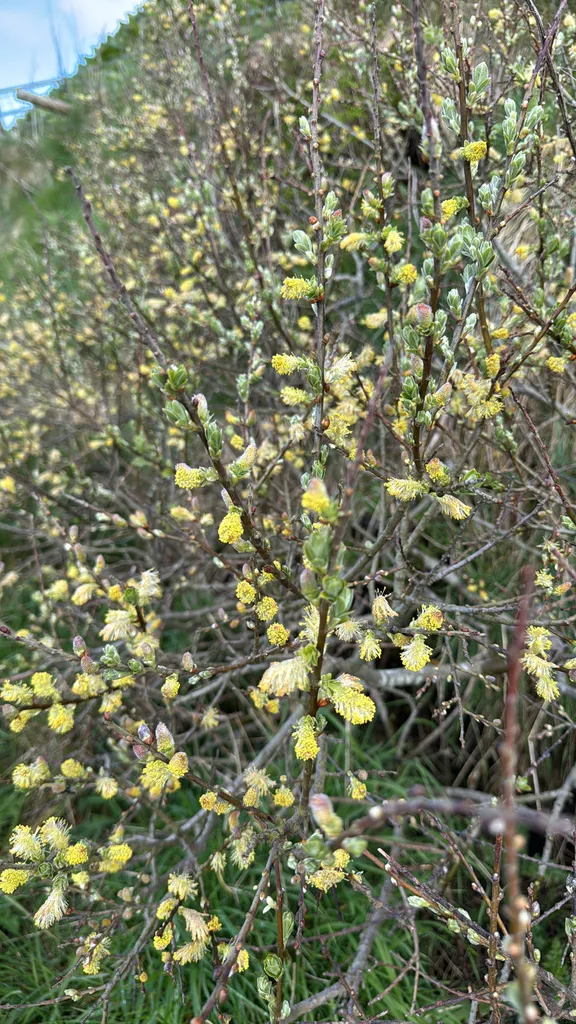
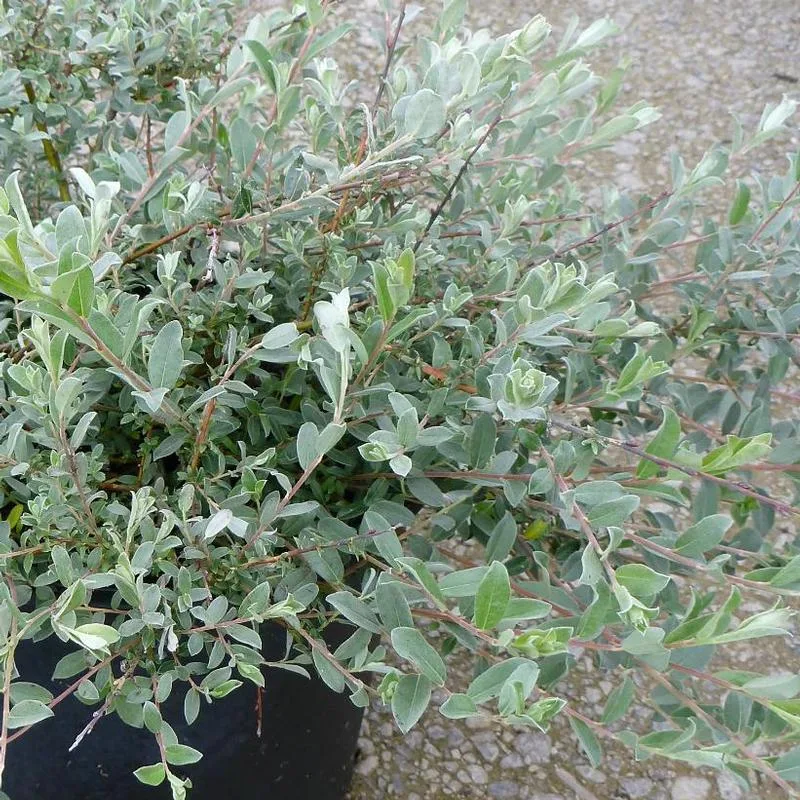
Distribution of creeping willow
Distribution map
Eurasia
Information to be completed
Culture
Information to be completed
Toxicity
Information to be completed
Quick identification of creeping willow
Information to be completed
creeping willow care guide
- Consistently damp soil, grows well beside moist pond edge areas
- Watering
- Full sun
- Sunlight
- Information to be completed
- Ideal temperature

Watering
Consistently damp soil, grows well beside moist pond edge areas
Fertilizing
 Fertilizing
Diluted willow shrub feed once every four weeks spring to autumn
Pruning
 Pruning
Little pruning is needed. Remove diseased, damaged, crowded or crossing shoots and unwanted growth. Timing depends on the plant: generally late winter or early spring; plants prone to bleeding and deciduous magnolias need different timing, and deciduous azaleas and lilacs are pruned after flowering.
Propagation
 Propagation
Propagate by softwood cuttings in early summer or hardwood cuttings in winter
Growing
 Growing
Grow in any deep, moist soil in full sun. Avoid shallow chalk soil
People also ask
Information to be completed
Common pests and diseases
Diseases
May be susceptible to willow anthracnose, honey fungus and rust diseases
Pests
May be susceptible to aphids, caterpillars, willow leaf beetle, sawflies and willow scale insects
Explore the plant health library →




