
trident maple
Also known as: three-toothed maple; 三角枫 (sān jiǎo fēng)
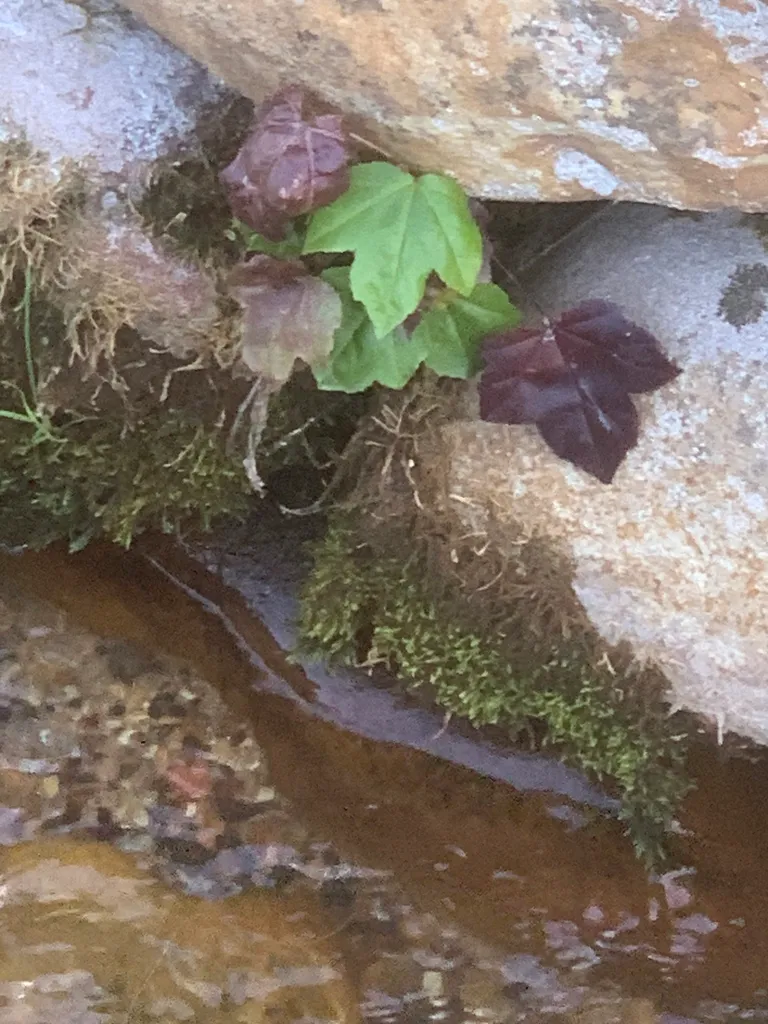
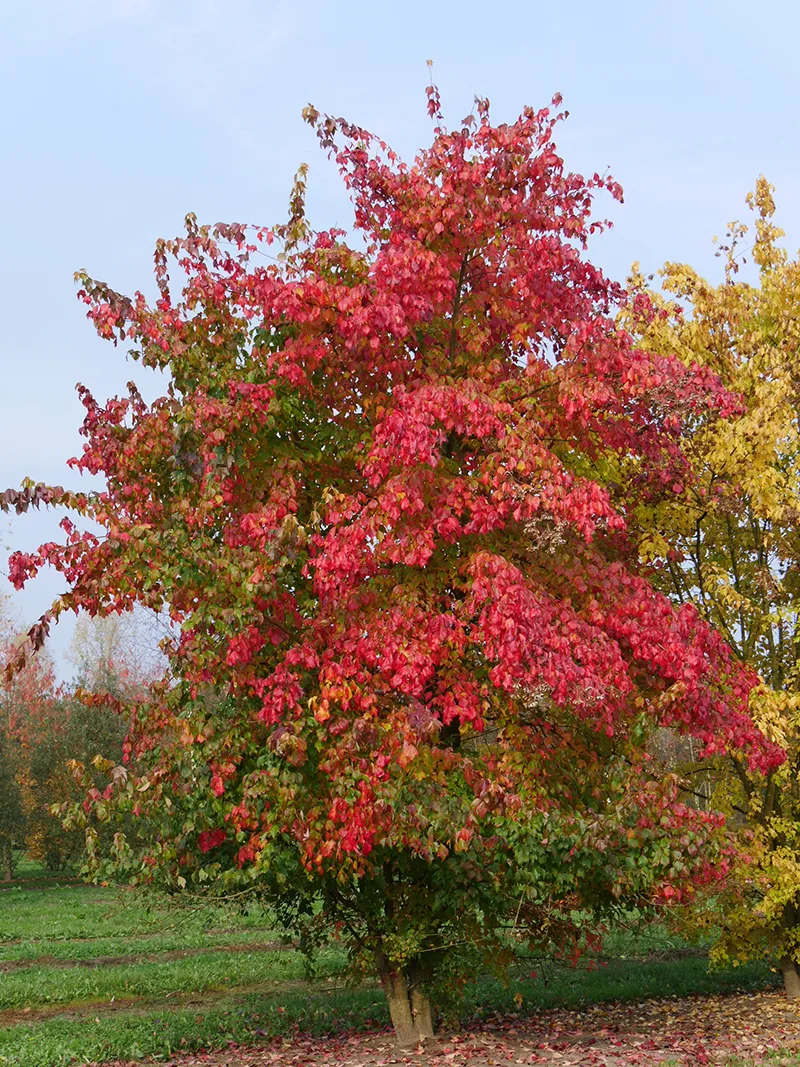
A small, bushy tree with 3 lobed leaves, with the central lobe being the longest and giving rise to the common name of trident maple. The yellow green small flowers, appear before the leaves in early spring. The leaves are bronze in spring, later becoming deep green with a grey underside in summer and then turn red and orange in autumn. Mature trees develop an attractive red-brown flaking bark.
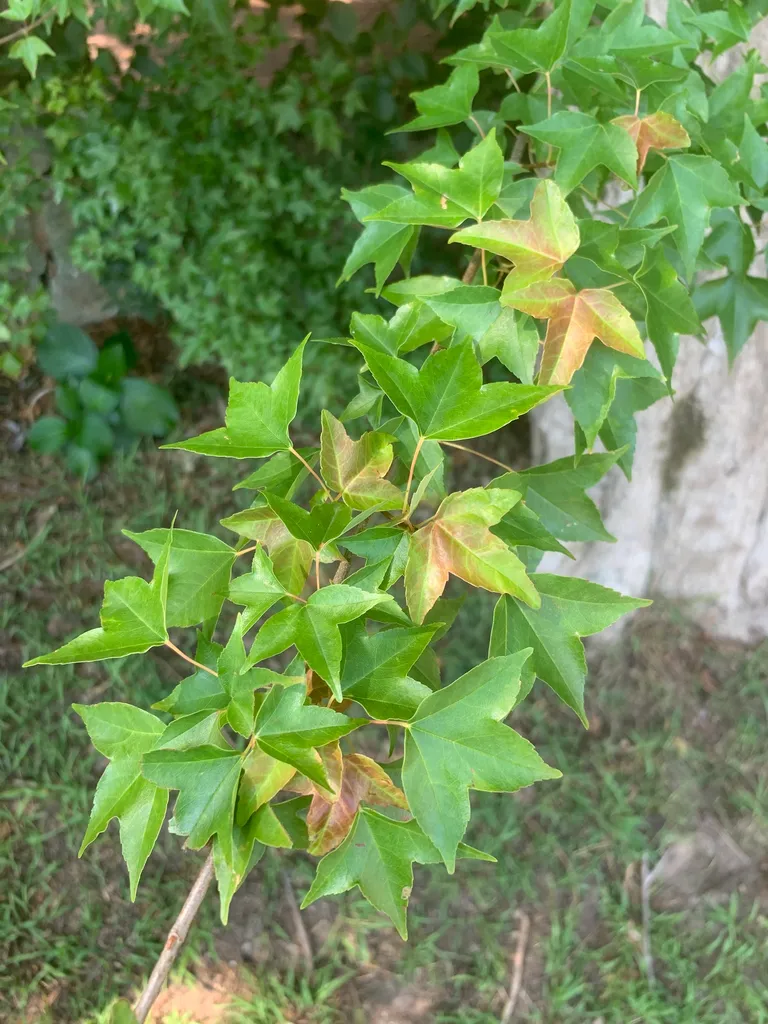
Scientific classification
- Species
- trident maple (Acer buergerianum)
- Genus
- Acer
- Family
- Sapindaceae
- Order
- Sapindales
- Class
- Magnoliopsida
- Phylum
- Magnoliophyta
- Information to be completed
- Toxicity
- Trees
- Plant type
- 8-12 metres
- Height
- 4-8 metres
- Spread
- Deciduous
- Foliage
- Bushy
- Habit
- Autumn · Spring · Summer · Winter
- Season of interest
- Full sun · Partial shade
- Sunlight
- Information to be completed
- Ideal temperature









trident maple pictures
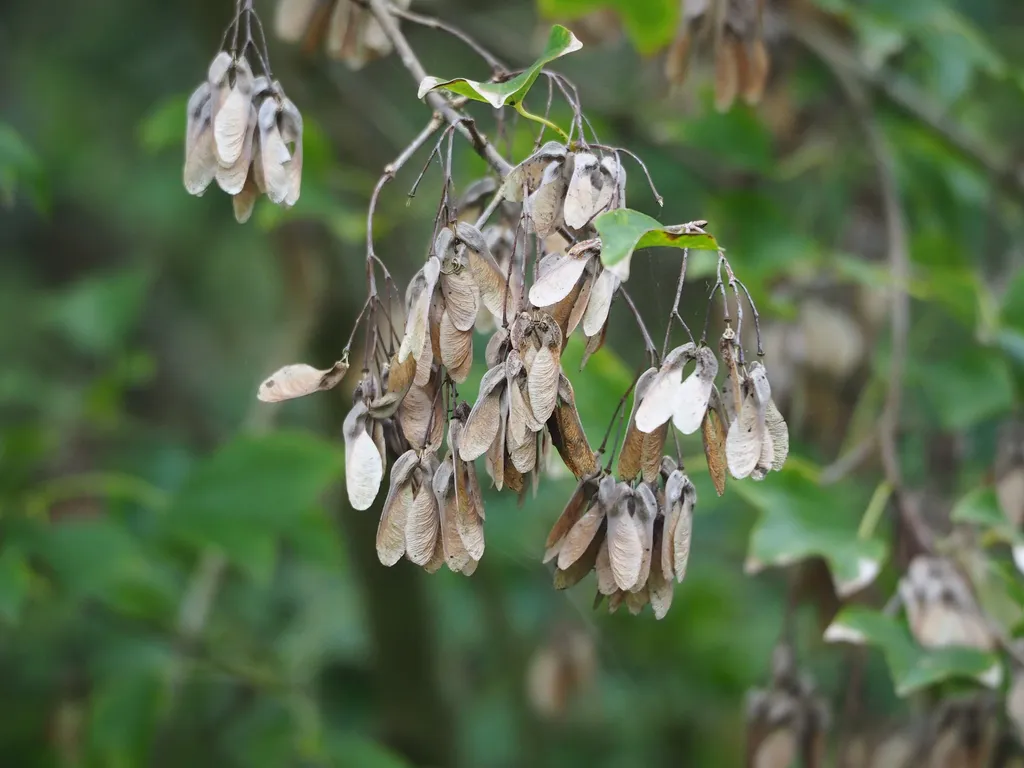
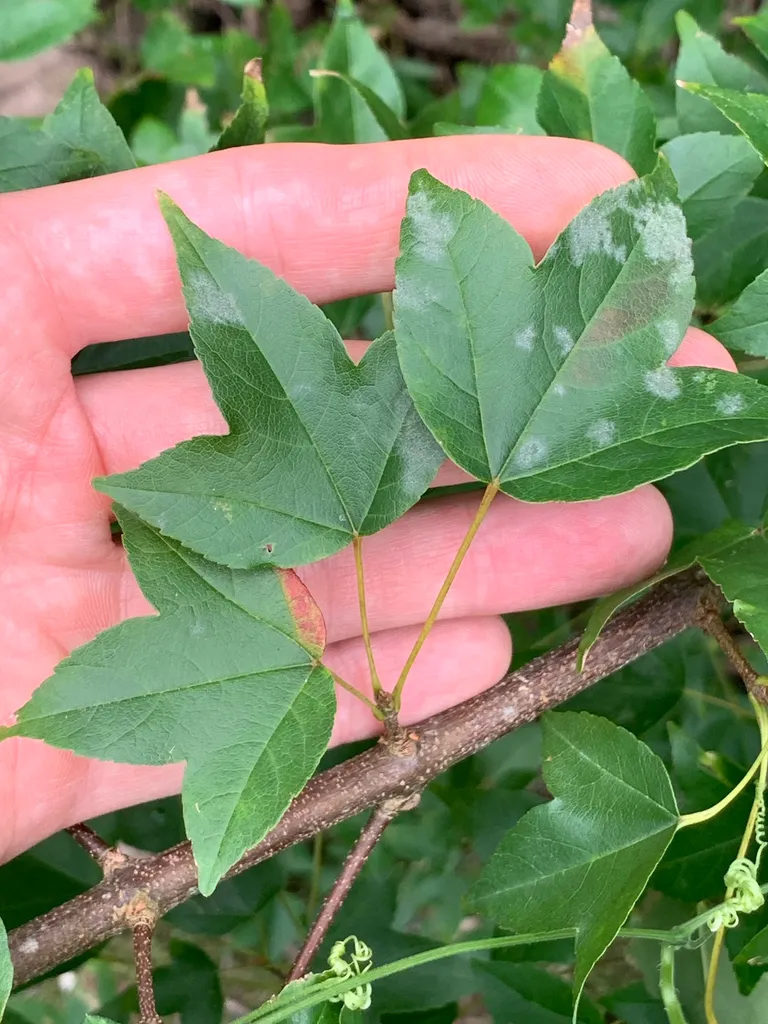
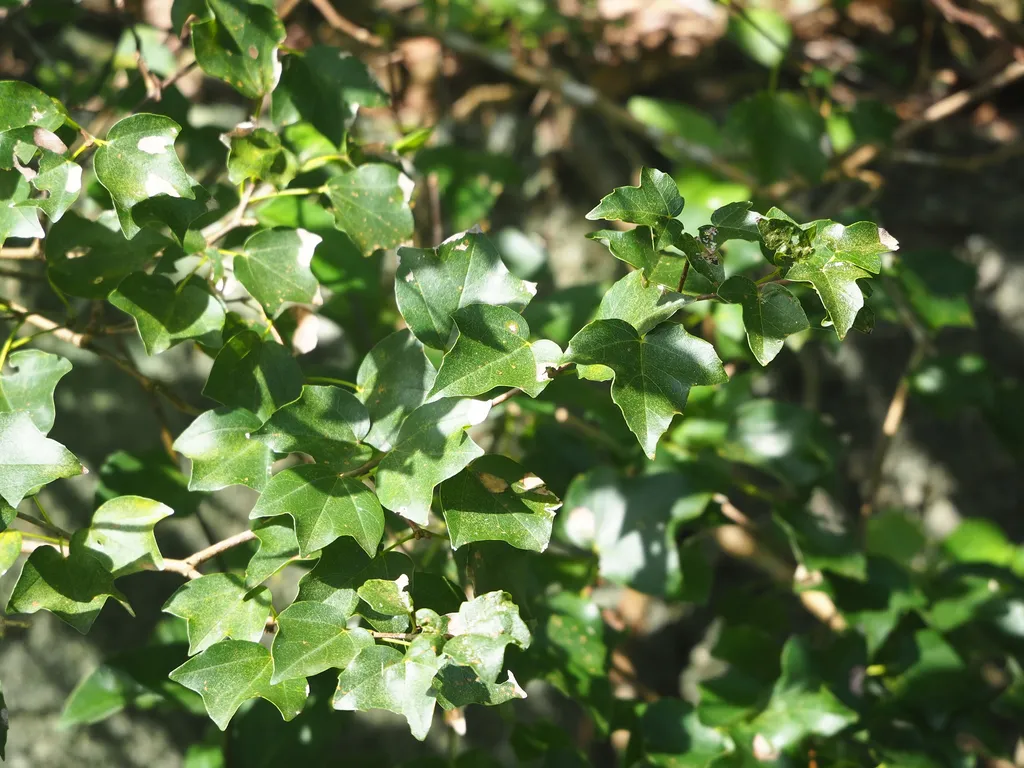
Distribution of trident maple
Distribution map
- Native
- Introduced
- Cultivated
Source:WCVP v16 · Royal Botanic Gardens, Kew · CC BY 3.0 · Boundaries:WGSRPD / TDWG
trident maple care guide
- Moderate regular watering, allowing brief slight drying between soakings
- Watering
- Full sun · Partial shade
- Sunlight

Watering
Moderate regular watering, allowing brief slight drying between soakings
Fertilizing
 Fertilizing
Balanced perennial feed every four weeks from spring through summer
Pruning
 Pruning
Little pruning is needed. Remove diseased, damaged, crowded or crossing shoots and unwanted growth. Prune only from late autumn to midwinter.
Propagation
 Propagation
Propagate by seed in mid to late autumn or spring. Take softwood cuttings in early summer
Growing
 Growing
Grow in a fertile, moist but well-drained soil in full sun or part shade. Ideal in small gardens, in large containers and can be used in bonsai
Common pests and diseases
Diseases
May be susceptiblt to Verticilium wilt
Pests
May be susceptible to Aphids
Explore the plant health library →




