
almond willow
Also known as: almond-leaved willow; French willow; osier
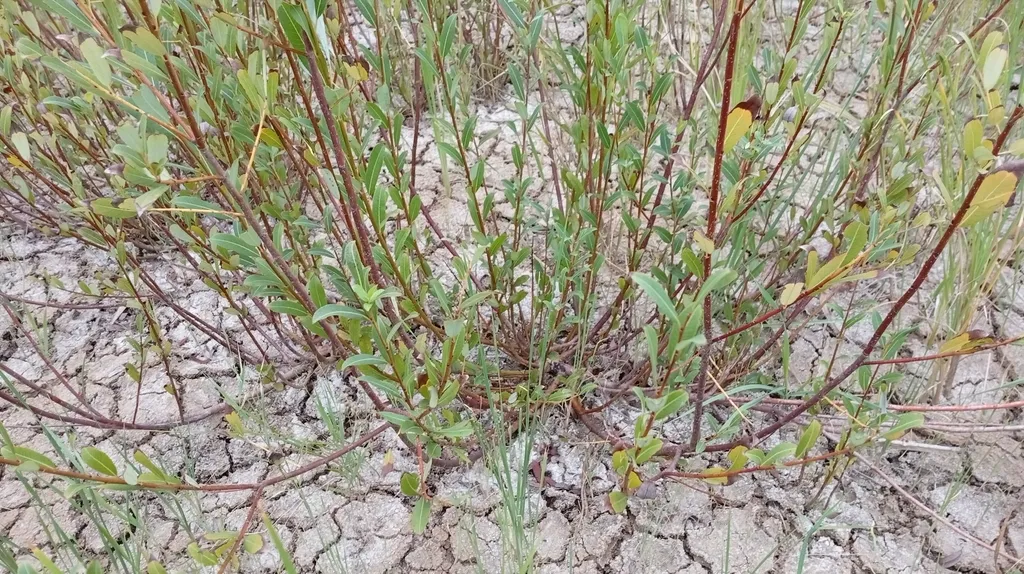
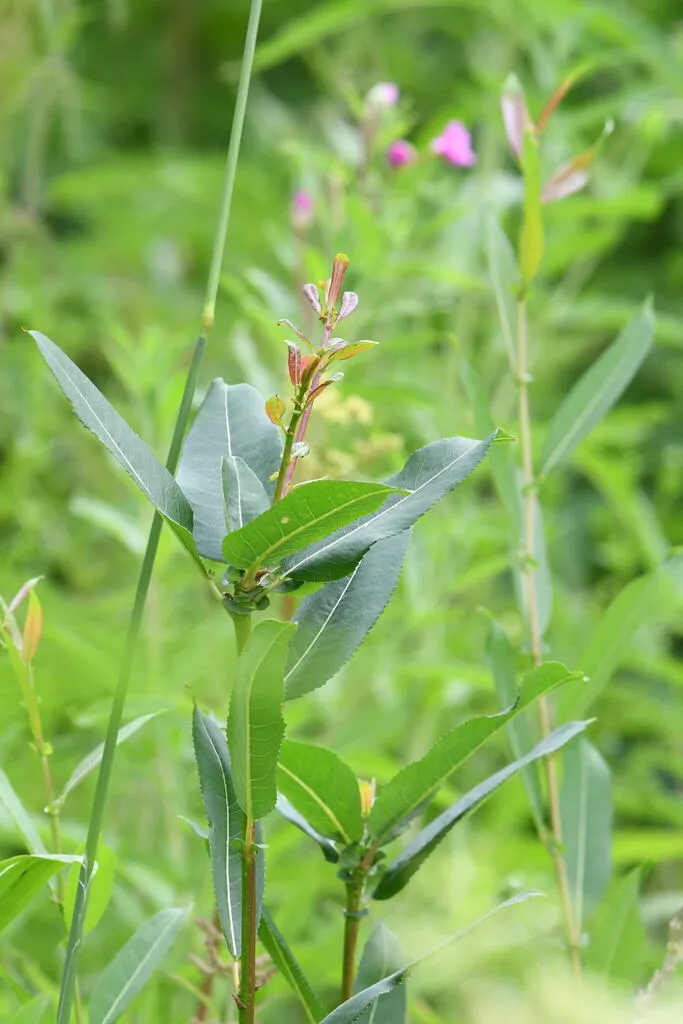
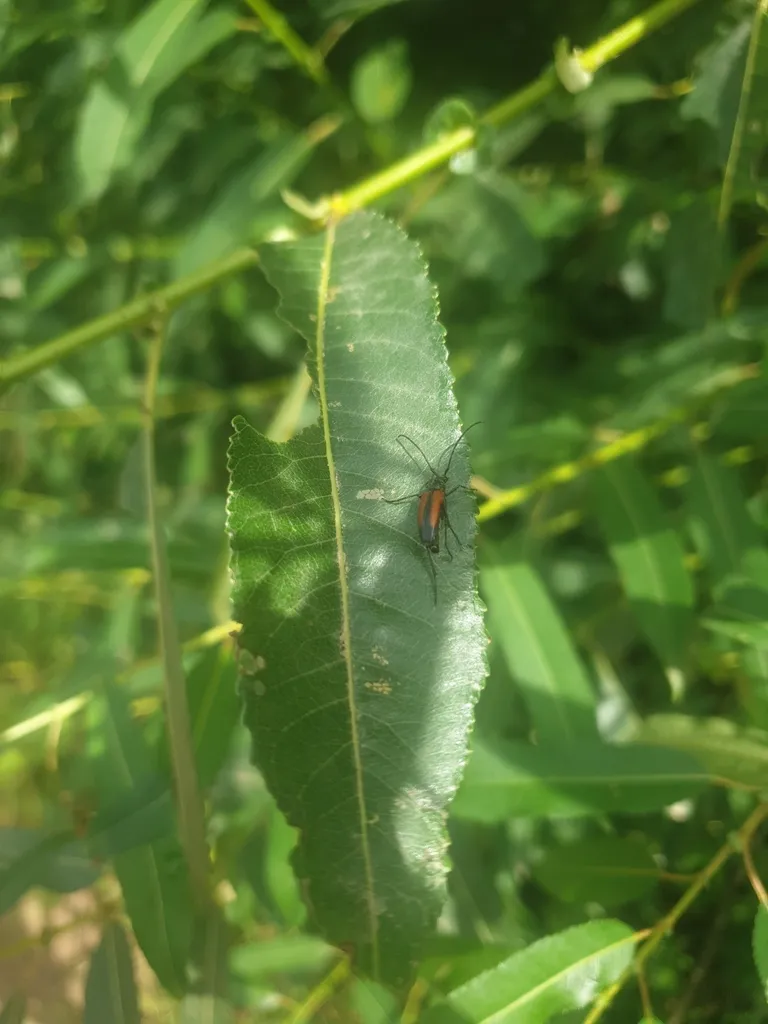
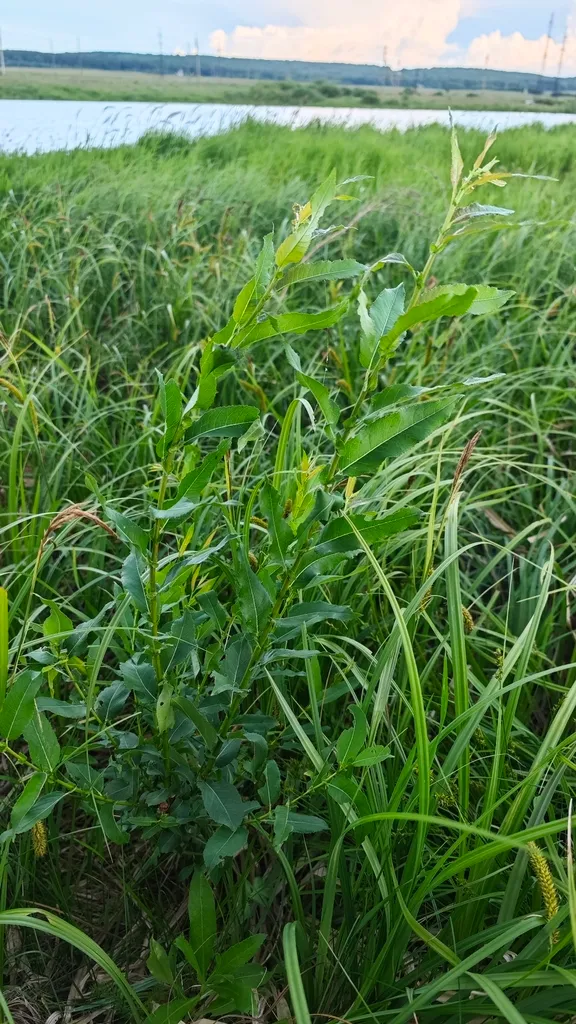
A large deciduous shrub or small tree, with flaky bark and narrow, glossy green leaves with serrated edges. Catkins are produced just after the leaves in spring; male catkins are long, fragrant and pale yellow
Scientific classification
- Species
- almond willow (Salix triandra)
- Genus
- Salix
- Family
- Salicaceae
- Information to be completed
- Toxicity
- Shrubs · Trees
- Plant type
- 4-8 metres
- Height
- 2.5-4 metres
- Spread
- Deciduous
- Foliage
- Bushy
- Habit
- Autumn · Spring · Summer
- Season of interest
- Full sun
- Sunlight
- Information to be completed
- Ideal temperature









almond willow pictures
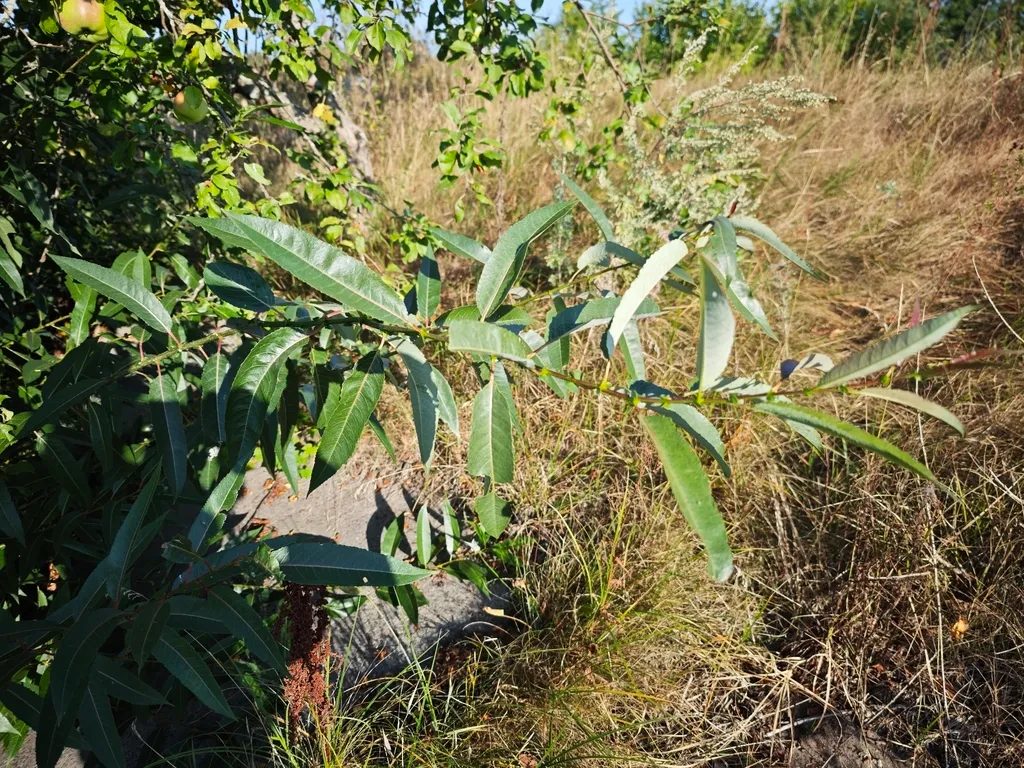
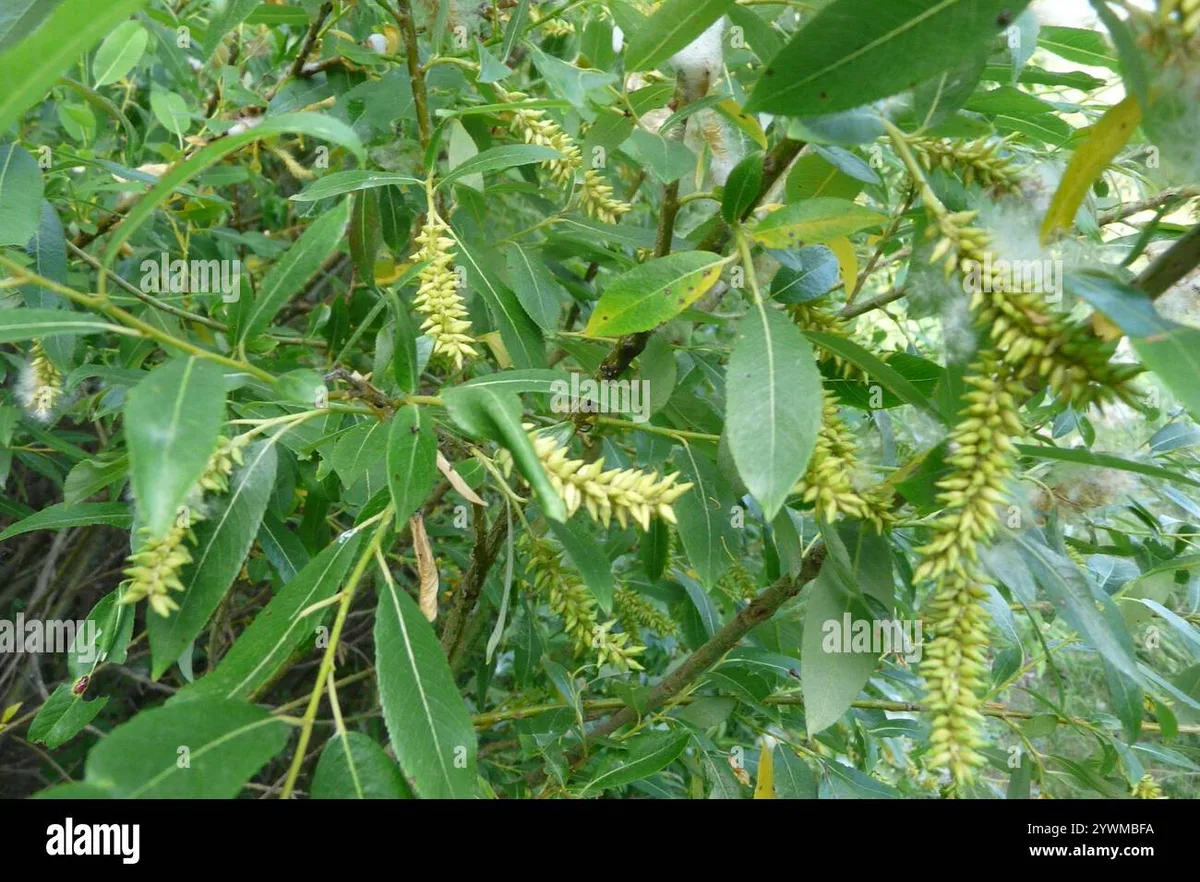
Distribution of almond willow
Distribution map
Europe, Northern Africa, Southwestern Asia
Information to be completed
Culture
Information to be completed
Toxicity
Information to be completed
Quick identification of almond willow
Information to be completed
almond willow care guide
- Moderate regular watering, allowing brief slight drying between soakings
- Watering
- Full sun
- Sunlight
- Information to be completed
- Ideal temperature

Watering
Moderate regular watering, allowing brief slight drying between soakings
Fertilizing
 Fertilizing
Balanced perennial feed every four weeks from spring through summer
Pruning
 Pruning
For colourful stems or large foliage, prune hard to a low framework. Let young plants establish for one to two years first. Prune in late winter or spring, before or as new growth starts.
Propagation
 Propagation
Propagate by softwood cuttings in early summer or hardwood cuttings in winter
Growing
 Growing
Grow in any deep, moist soil in full sun. Avoid shallow chalk soil
People also ask
Information to be completed
Common pests and diseases
Diseases
May be susceptible to willow anthracnose, honey fungus and rust diseases
Pests
May be susceptible to aphids, caterpillars, willow leaf beetle, sawflies and willow scale insects
Explore the plant health library →




