
silver sage
Also known as: silver clary; silvery clary; silvery-leaved sage
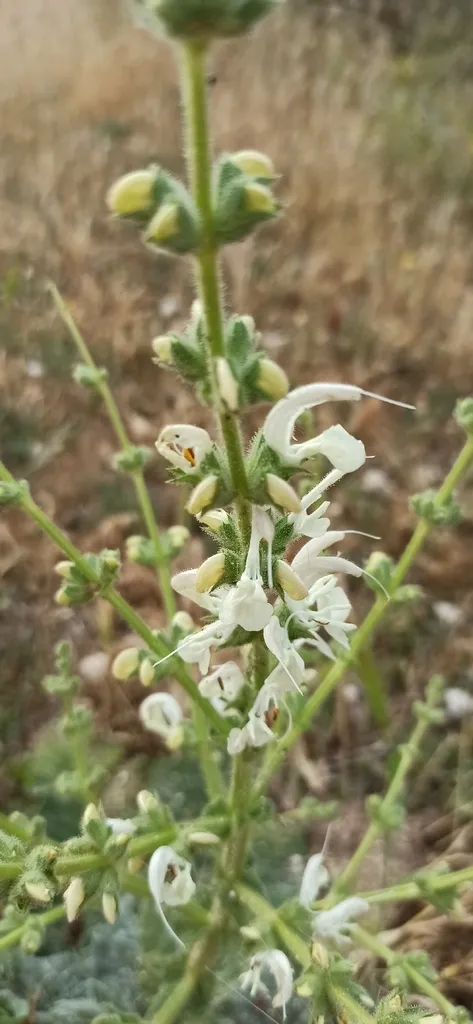
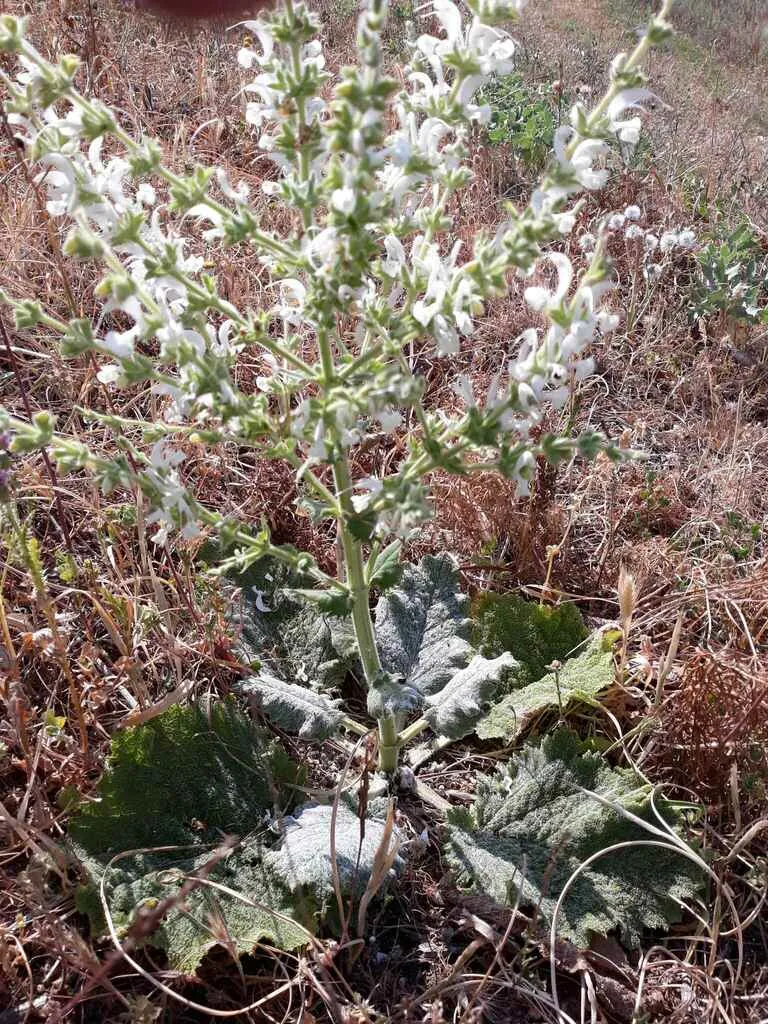
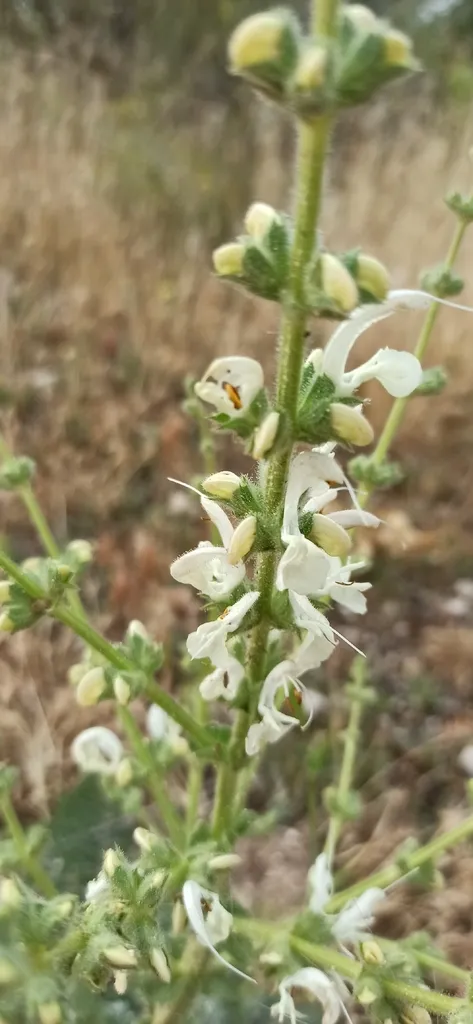
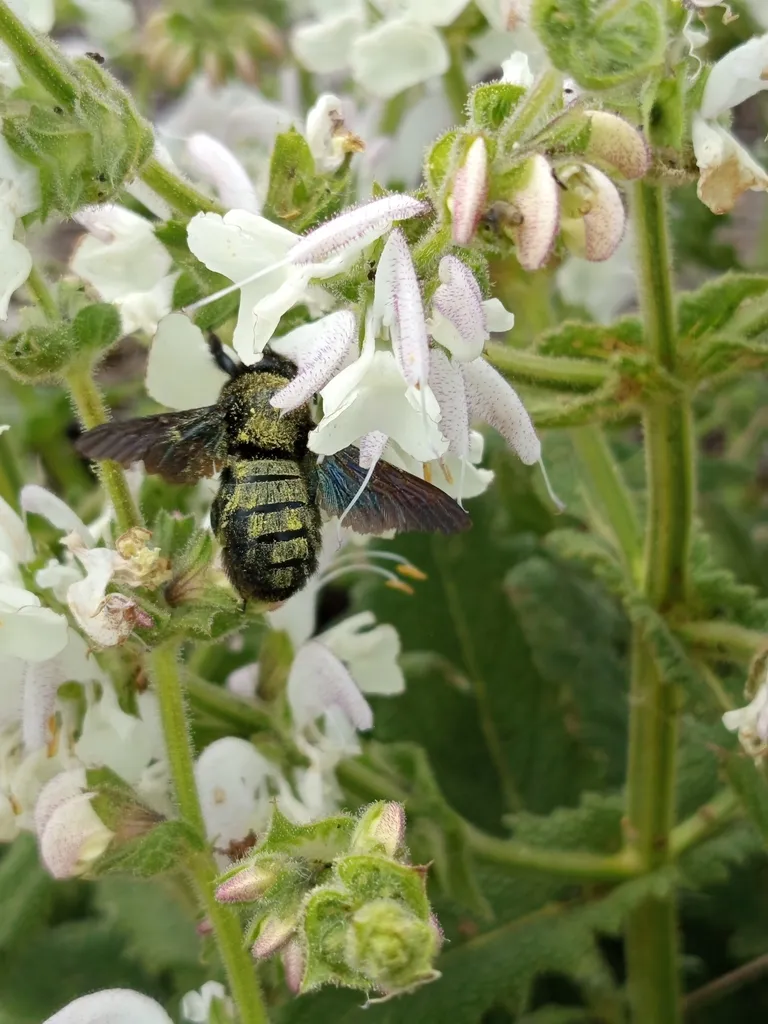
S. argentea is a biennial or short-lived perennial, forming a rosette of broadly ovate, silvery-woolly leaves to 20cm in length, with erect stems bearing panicles of blush-white flowers in late summer
Scientific classification
- Species
- silver sage (Salvia argentea)
- Genus
- Salvia
- Family
- Lamiaceae
- Information to be completed
- Toxicity
- Herbaceous Perennial
- Plant type
- 0.5-1 metres
- Height
- 0.1-0.5 metres
- Spread
- Semi evergreen
- Foliage
- Clump forming
- Habit
- Spring · Summer · Autumn
- Season of interest
- Full sun
- Sunlight
- Information to be completed
- Ideal temperature









silver sage pictures
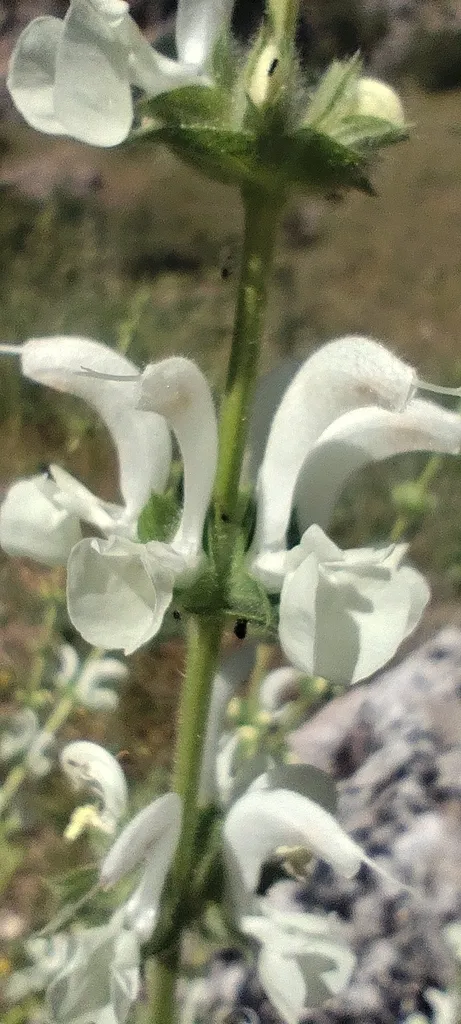
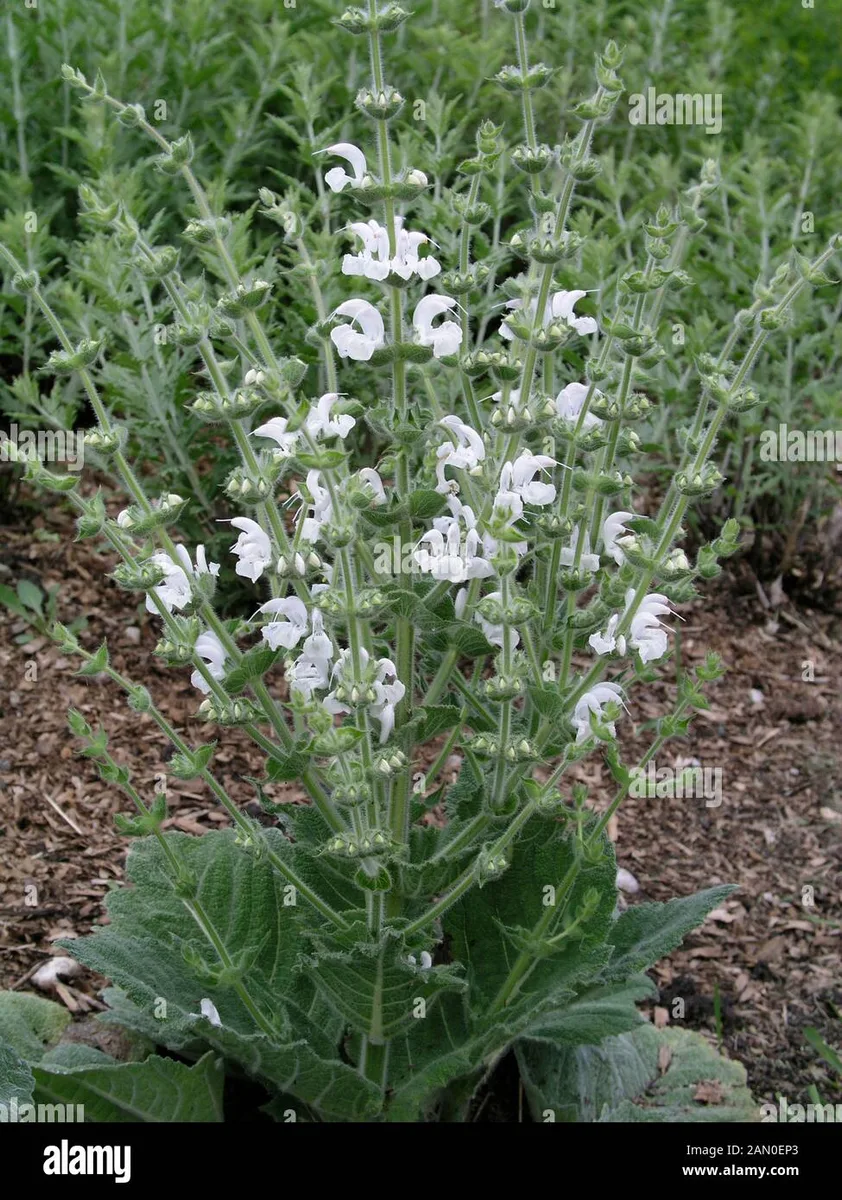
Distribution of silver sage
Distribution map
Mediterranean
Information to be completed
Culture
Information to be completed
Toxicity
Information to be completed
Quick identification of silver sage
Information to be completed
silver sage care guide
- Moderate regular watering, allowing brief slight drying between soakings
- Watering
- Full sun
- Sunlight
- Information to be completed
- Ideal temperature

Watering
Moderate regular watering, allowing brief slight drying between soakings
Fertilizing
 Fertilizing
Balanced perennial feed every four weeks from spring through summer
Pruning
 Pruning
Often dies after flowering so if you grow it for its foliage, remove flowers before they open
Propagation
 Propagation
Propagate by seed in pots in a cold frame in spring
Growing
 Growing
Grow in light, moderately fertile, humus-rich, moist but well-drained soil. Best in full sun but can tolerate light partial shade
People also ask
Information to be completed
Common pests and diseases
Diseases
May be susceptible to honey fungus (rarely), powdery mildews, verticillium wilt and foot and root rots
Pests
May be susceptible to sage leafhopper, slugs, snails and rosemary beetle
Explore the plant health library →




