
tarragon
Also known as: biting dragon; dragon plant; estragon
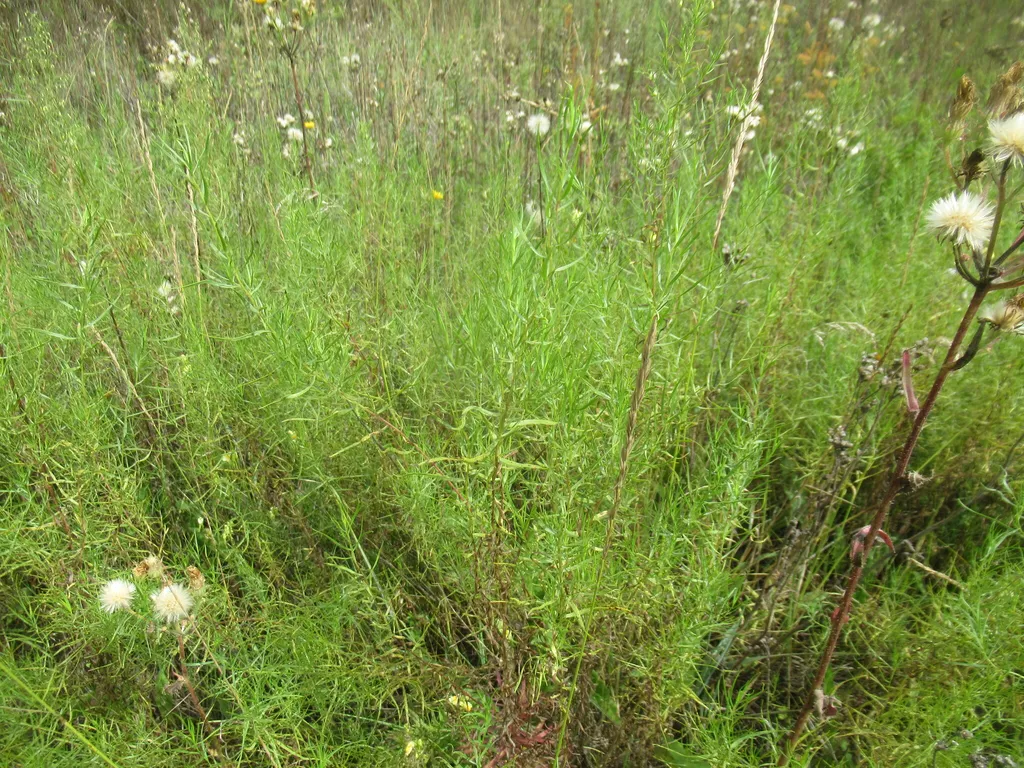
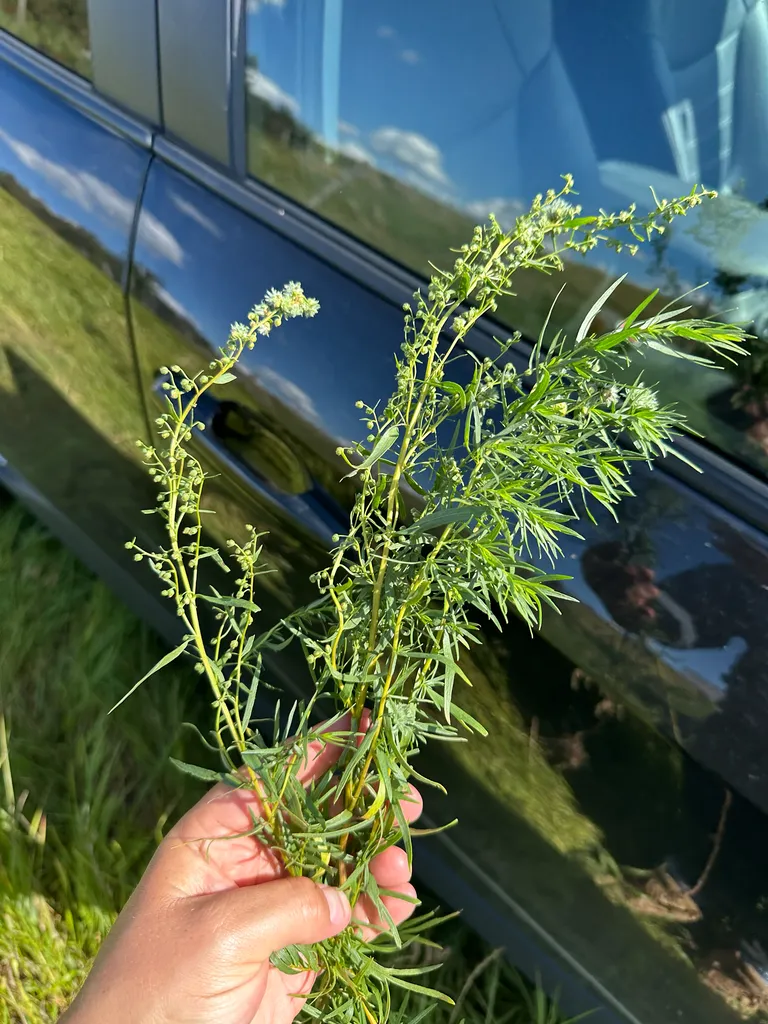
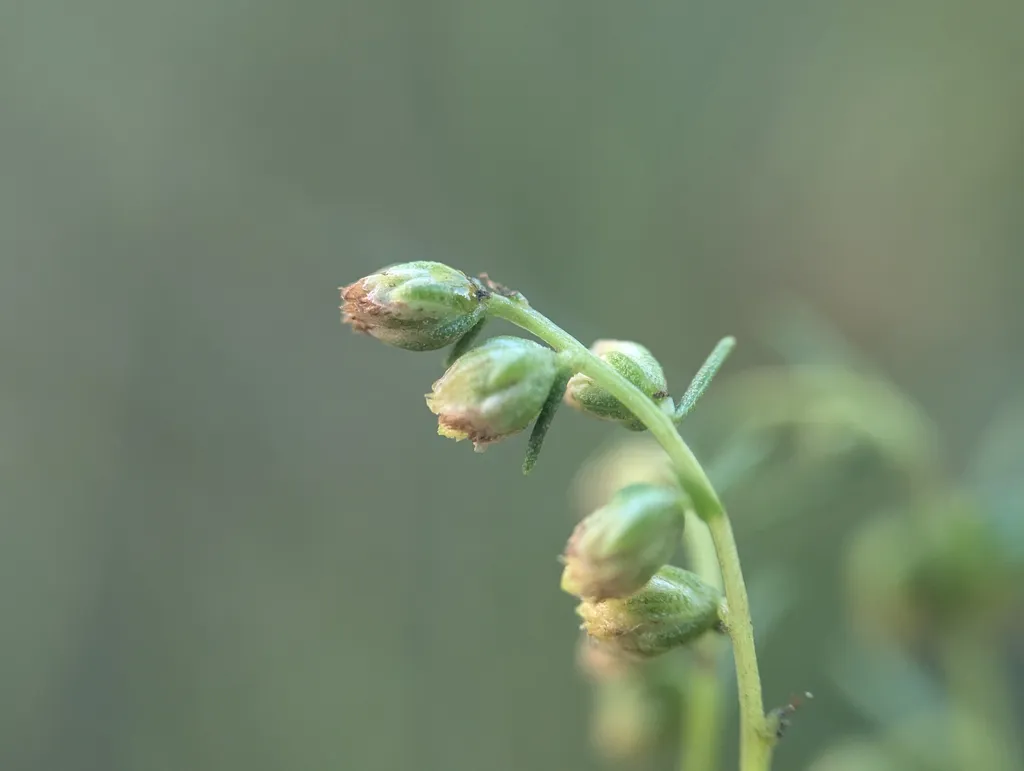
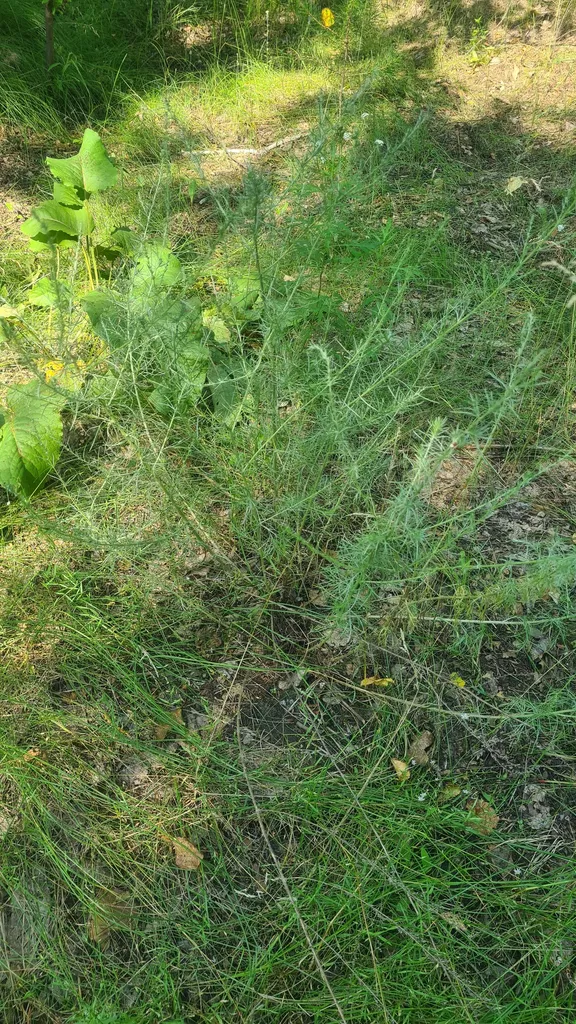
A woody-based, upright, shrubby perennial up to 150cm tall with narrowly lance-shaped, aromatic leaves 2-8 cm long and 5-8 mm wide. Small, nodding, pale yellow flowerheads are produced in late summer. Dry and fresh leaves are used in many dishes, seasoning blends and condiments. There are two main varieties, French tarragon which is highly regarded culinary herb and Russian tarragon which is milder but more hardy
Scientific classification
- Species
- tarragon (Artemisia dracunculus)
- Genus
- Artemisia
- Family
- Asteraceae
- Information to be completed
- Toxicity
- Herbs - Culinary · Herbaceous Perennial
- Plant type
- 0.5-1 metres
- Height
- 0.1-0.5 metres
- Spread
- Deciduous
- Foliage
- Columnar upright
- Habit
- Spring · Summer · Autumn
- Season of interest
- Full sun
- Sunlight
- Information to be completed
- Ideal temperature









tarragon pictures
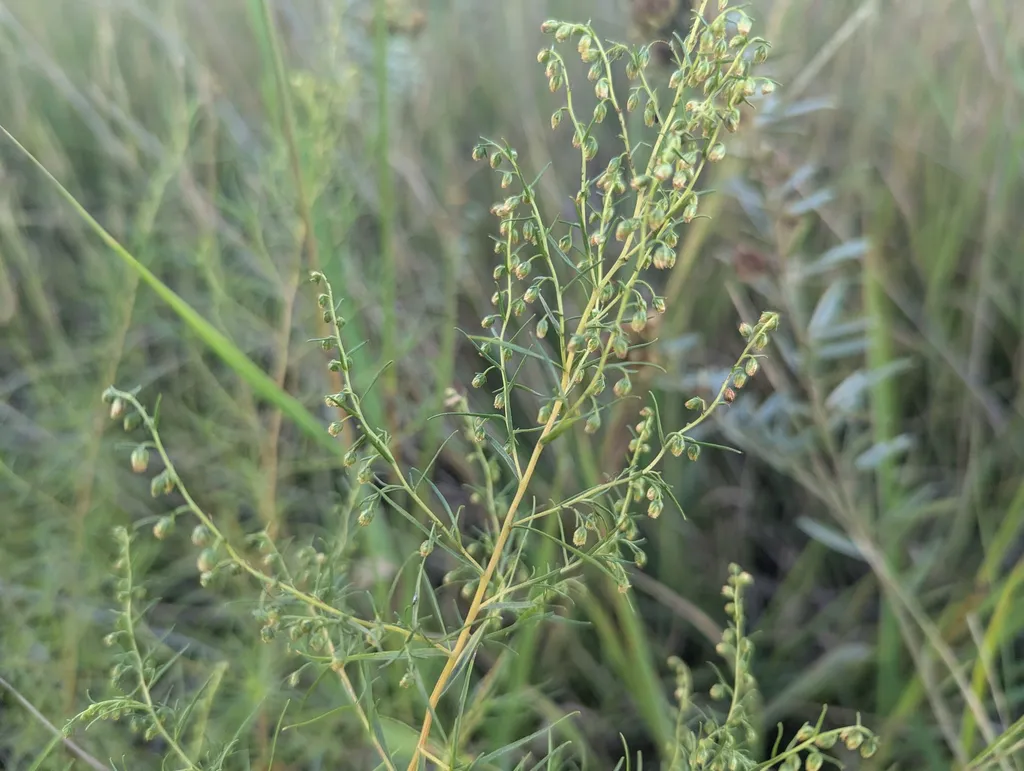
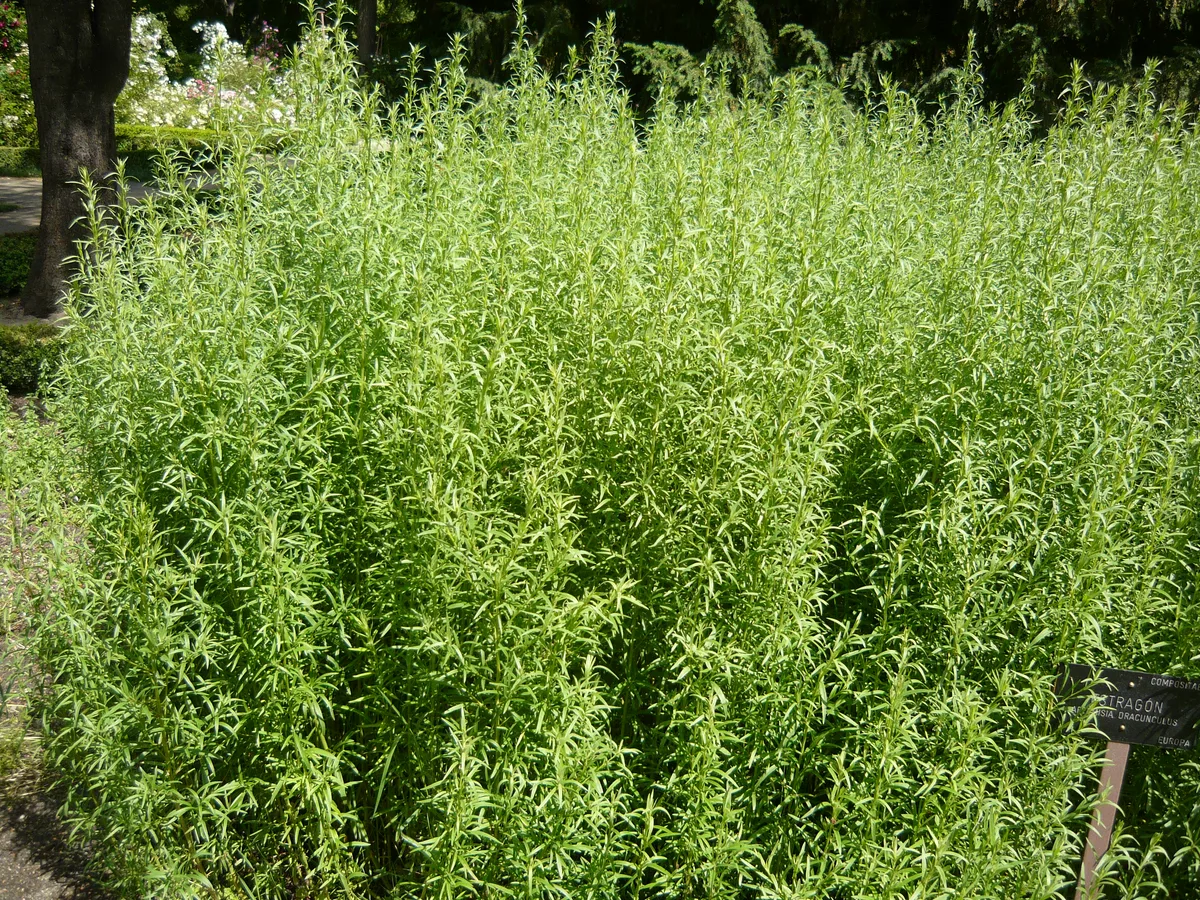
Distribution of tarragon
Distribution map
Europe Russia
Information to be completed
Culture
Information to be completed
Toxicity
Information to be completed
Quick identification of tarragon
Information to be completed
tarragon care guide
- Keep soil consistently moist for steady leafy growth without drought stress
- Watering
- Full sun
- Sunlight
- Information to be completed
- Ideal temperature

Watering
Keep soil consistently moist for steady leafy growth without drought stress
Fertilizing
 Fertilizing
Nitrogen-rich vegetable feed every two to three weeks in active growth
Pruning
 Pruning
Cut back to the lowest, new shoots near the base in mid to late spring
Propagation
 Propagation
Two varieties have different types of propagation. Propagate Russian tarragon by seed and French tarragon semi-hardwood cuttings in late summer.
Growing
 Growing
Grow in a well-drained soil in full sun. Protect French tarragon in winter. Follow tarragon cultivation for more advice.
People also ask
Information to be completed
Common pests and diseases
Diseases
May be susceptible to honey fungus
Pests
Generally pest-free
Explore the plant health library →




