
baby sage
Also known as: Information to be completed
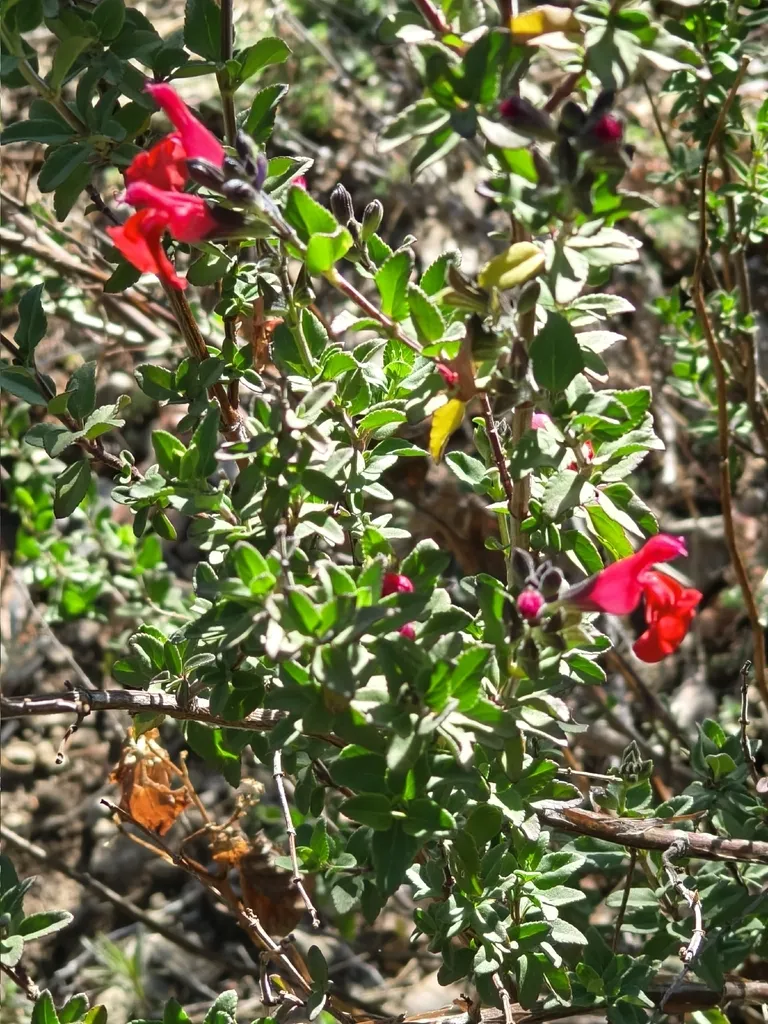
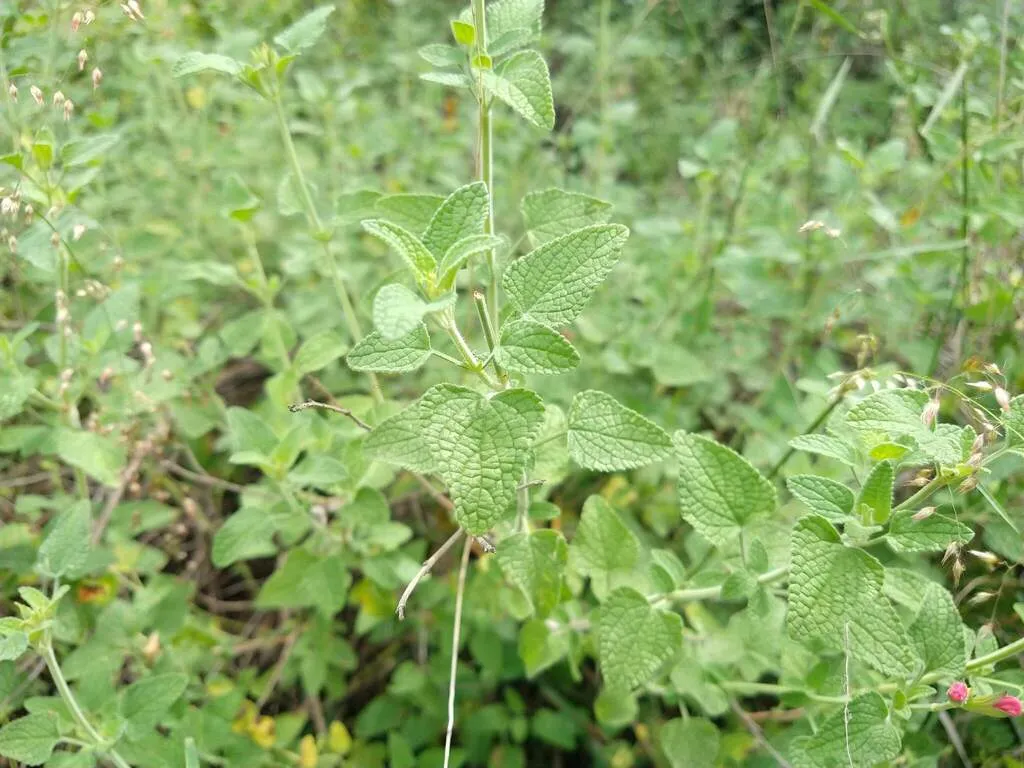
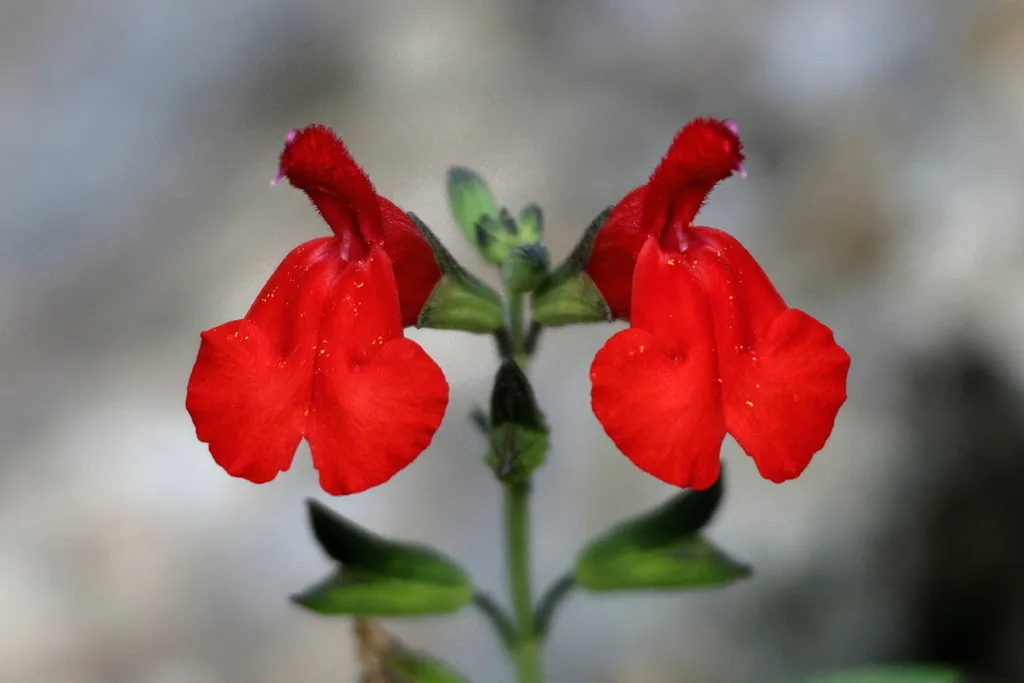
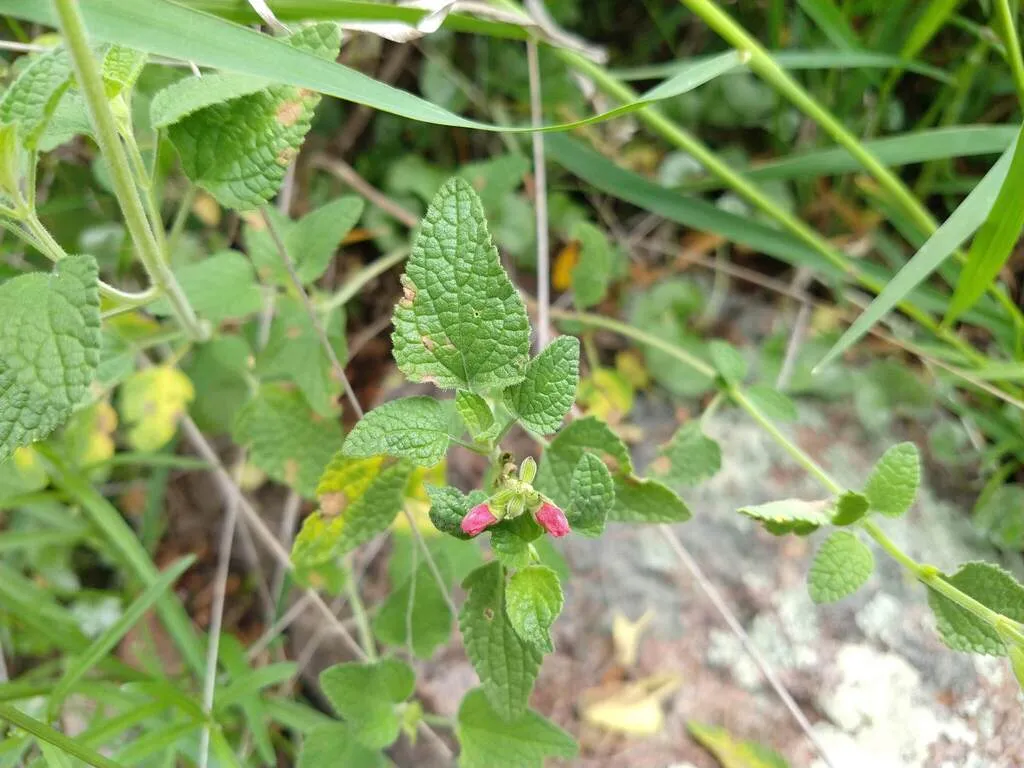
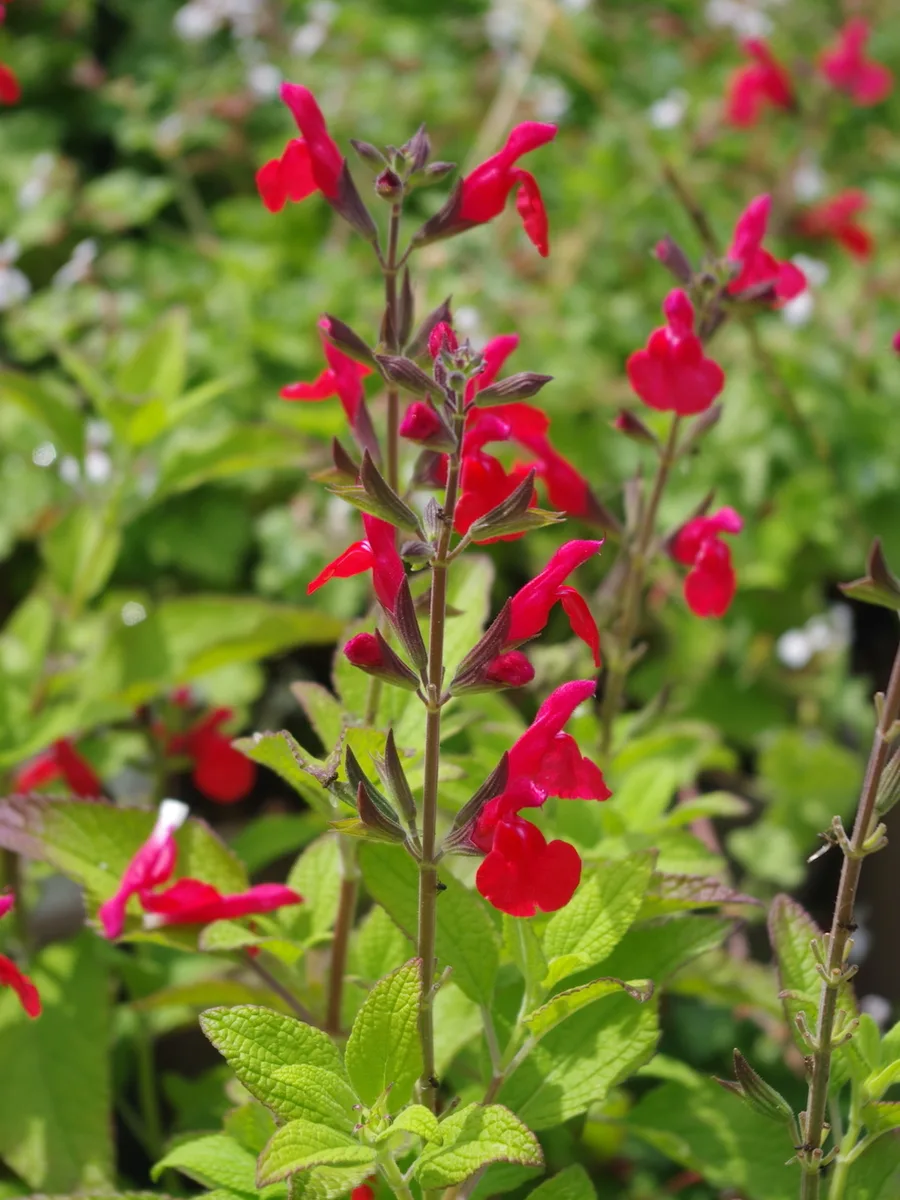
S. microphylla is an evergreen shrub with light green, aromatic, ovate leaves and deep red flowers in terminal racemes in late summer and autumn
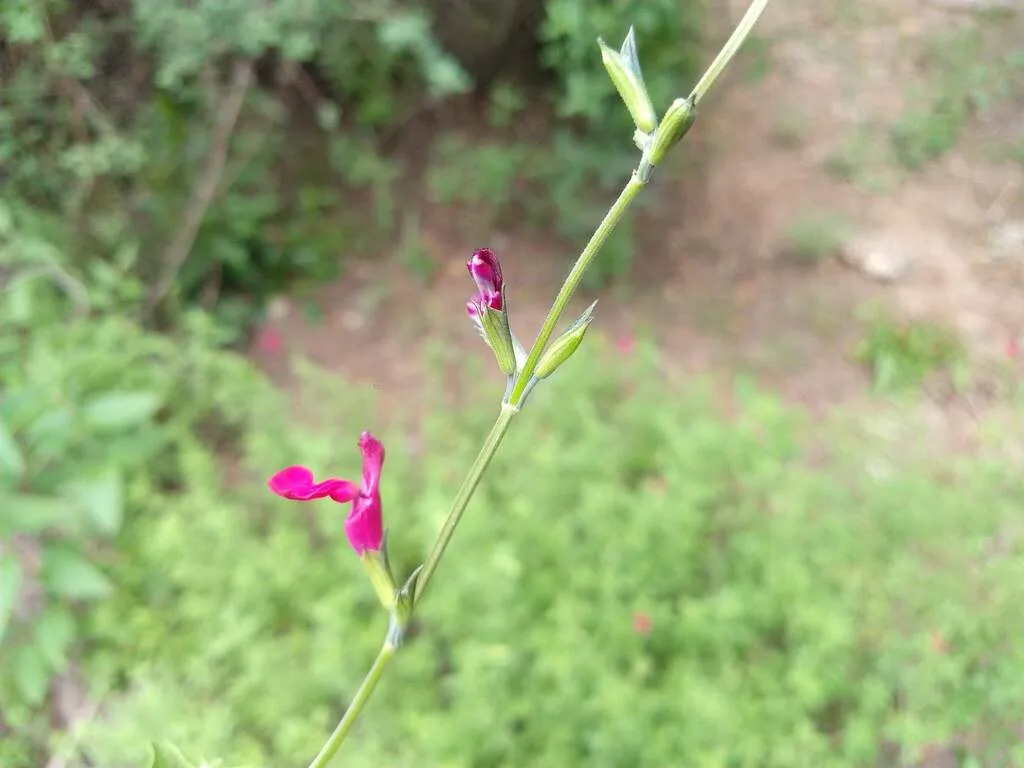
Scientific classification
- Species
- baby sage (Salvia microphylla)
- Genus
- Salvia
- Family
- Lamiaceae
- Information to be completed
- Toxicity
- Shrubs
- Plant type
- 1-1.5 metres
- Height
- 0.5-1 metres
- Spread
- Evergreen
- Foliage
- Bushy
- Habit
- Spring · Summer · Autumn · Winter
- Season of interest
- Full sun
- Sunlight
- Information to be completed
- Ideal temperature









baby sage pictures
Distribution of baby sage
Distribution map
Mexico
Information to be completed
Culture
Information to be completed
Toxicity
Information to be completed
Quick identification of baby sage
Information to be completed
baby sage care guide
- Water moderately, let upper soil dry between waterings
- Watering
- Full sun
- Sunlight
- Information to be completed
- Ideal temperature

Watering
Water moderately, let upper soil dry between waterings
Fertilizing
 Fertilizing
Light balanced feed in spring and during bloom flush
Pruning
 Pruning
Prune lightly as needed to remove unwanted shoots and keep the shrub in shape. Prune in mid- to late spring.
Propagation
 Propagation
Propagate by basal or softwood cuttings in spring or early summer or semi-ripe cuttings late summer or autumn with bottom heat
Growing
 Growing
Grow in light, moist but well-drained soil in full sun with shelter from cold winds; may need protection from excessive winter wet
People also ask
Information to be completed
Common pests and diseases
Diseases
May be susceptible to honey fungus (rarely), powdery mildews, verticillium wilt and foot and root rots
Pests
May be susceptible to slugs, snails, capsid bug, leafhoppers and rosemary beetle
Explore the plant health library →




