
red sage
Also known as: Information to be completed
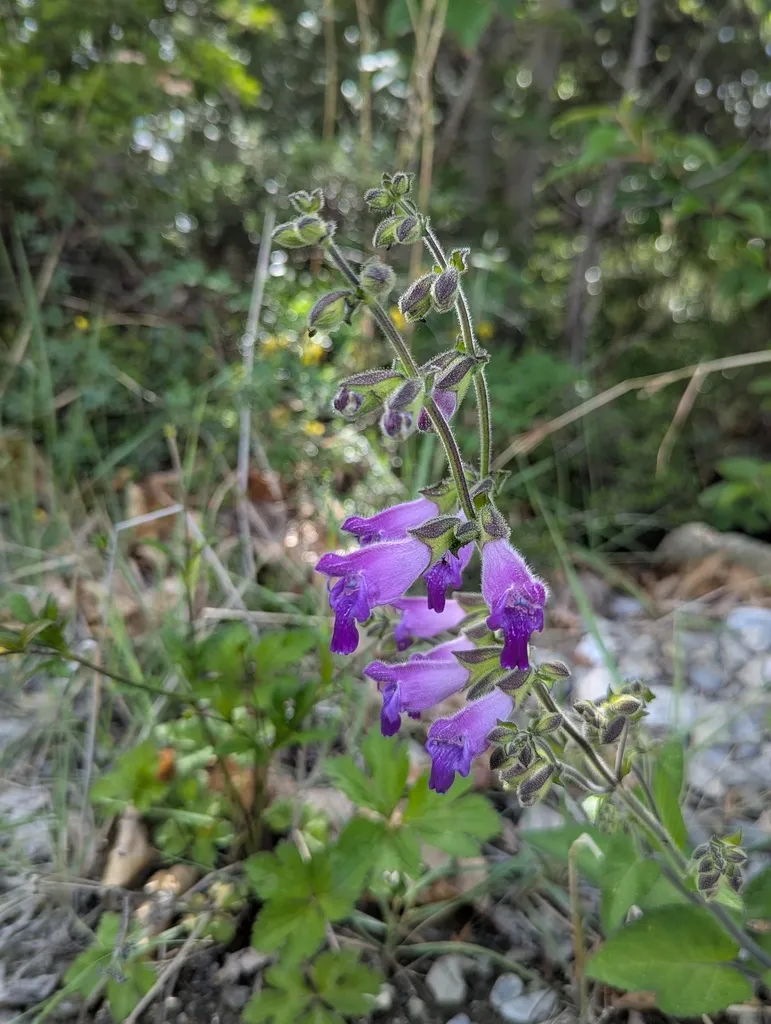
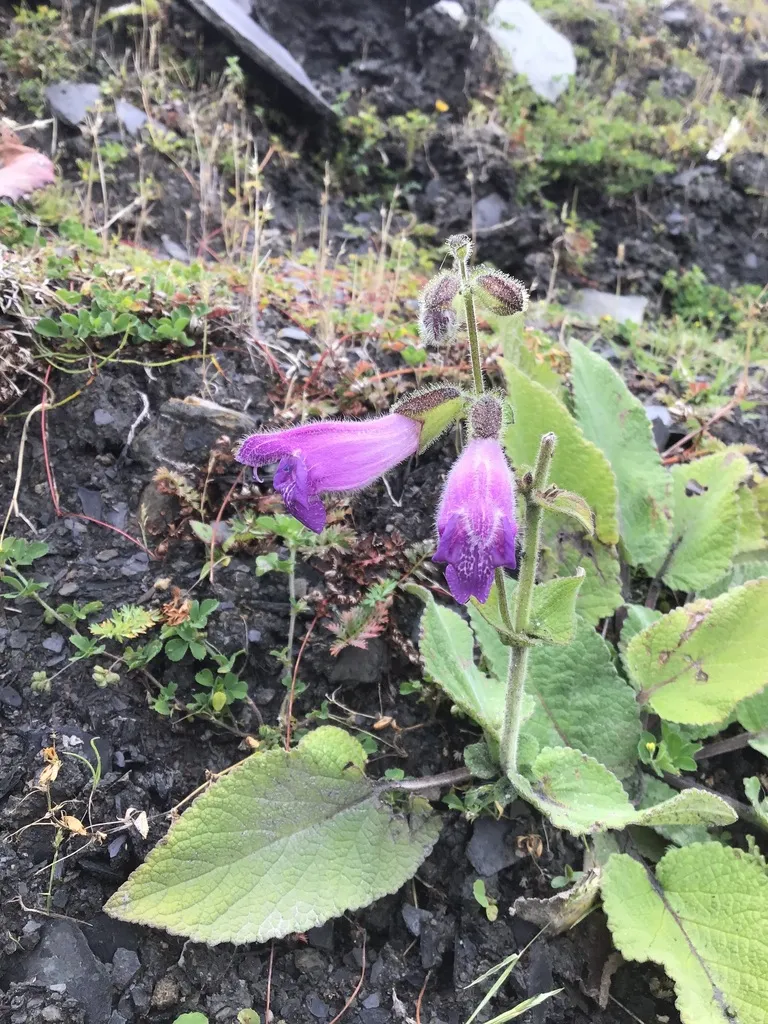
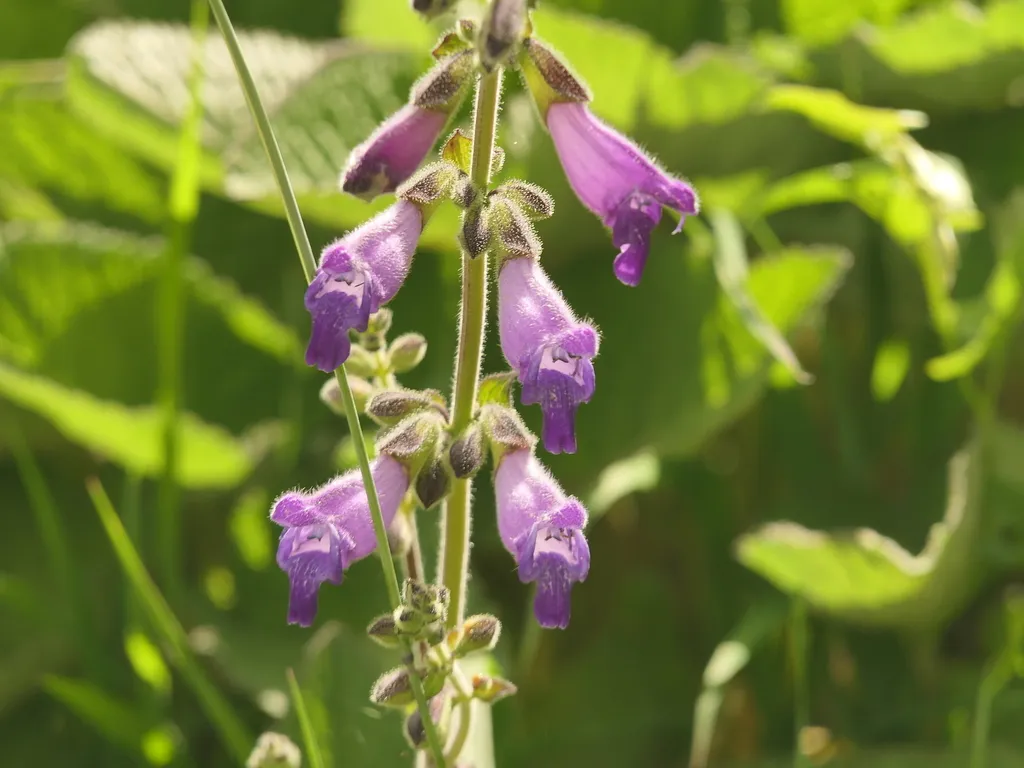
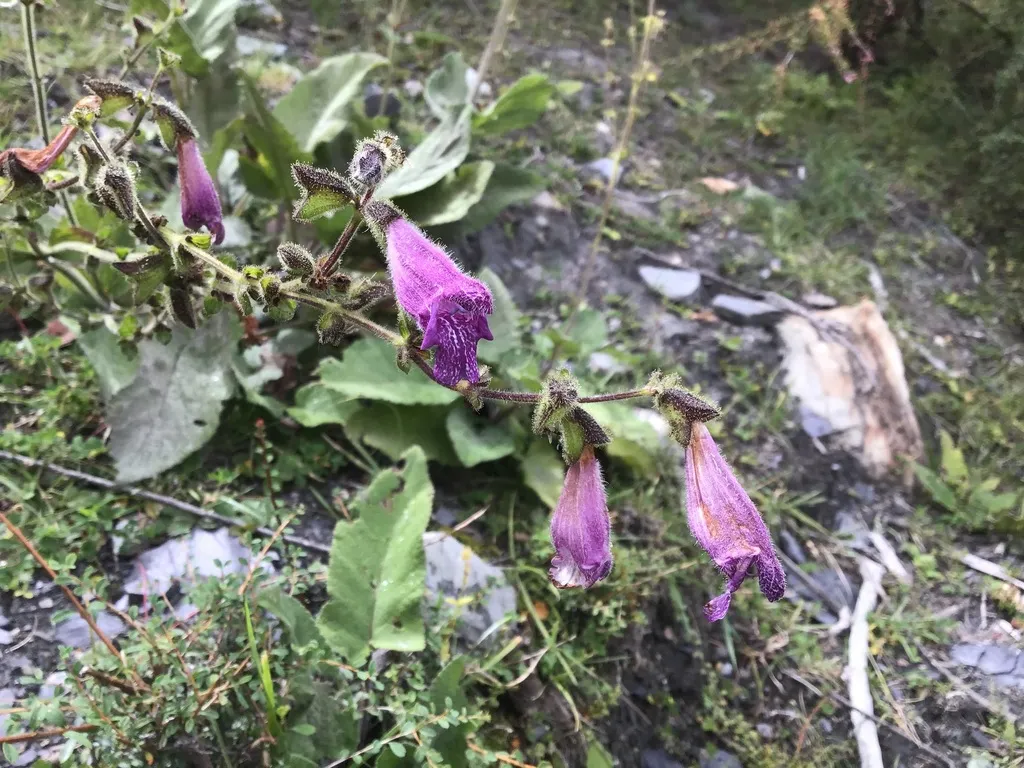
S. przewalskii is a tuberous-rooted perennial to 60cm tall, with triangular leaves, white-hairy beneath, and branched stems bearing 2-lipped, purple to reddish flowers 3-4cm long, from early summer to early autumn
Scientific classification
- Species
- red sage (Salvia przewalskii)
- Genus
- Salvia
- Family
- Lamiaceae
- Order
- Lamiales
- Class
- Magnoliopsida
- Phylum
- Tracheophyta
- Information to be completed
- Toxicity
- Herbaceous Perennial
- Plant type
- 0.5-1 metres
- Height
- 0.1-0.5 metres
- Spread
- Deciduous
- Foliage
- Bushy
- Habit
- Spring · Summer · Autumn
- Season of interest
- Full sun
- Sunlight
- Information to be completed
- Ideal temperature









red sage pictures
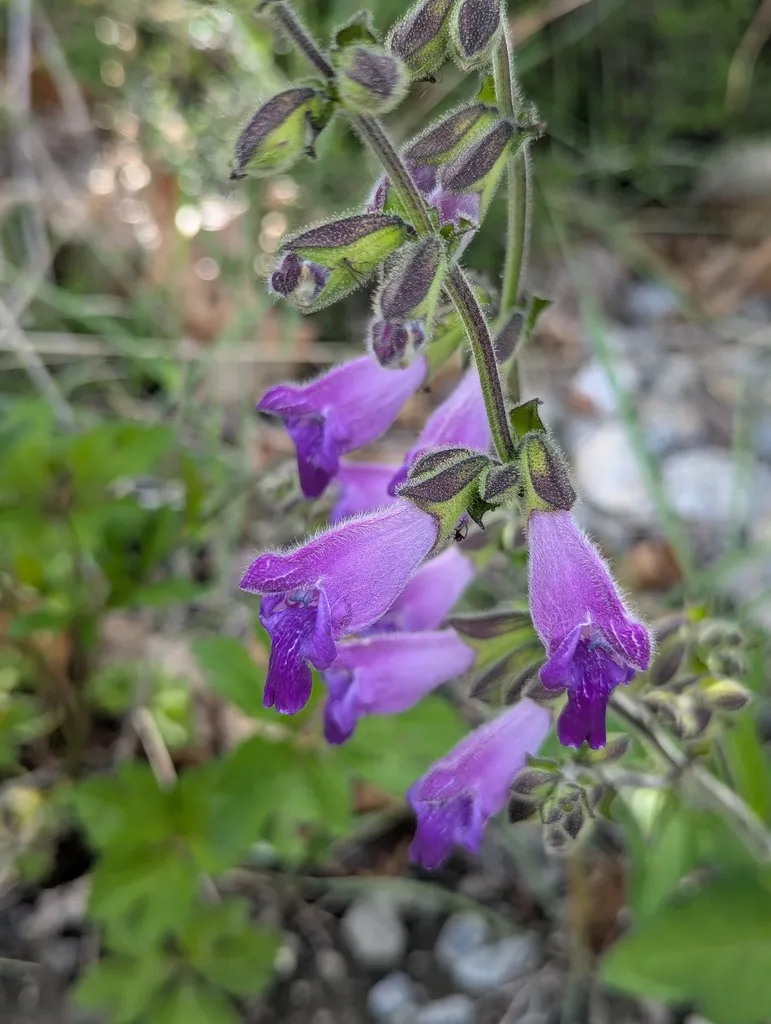
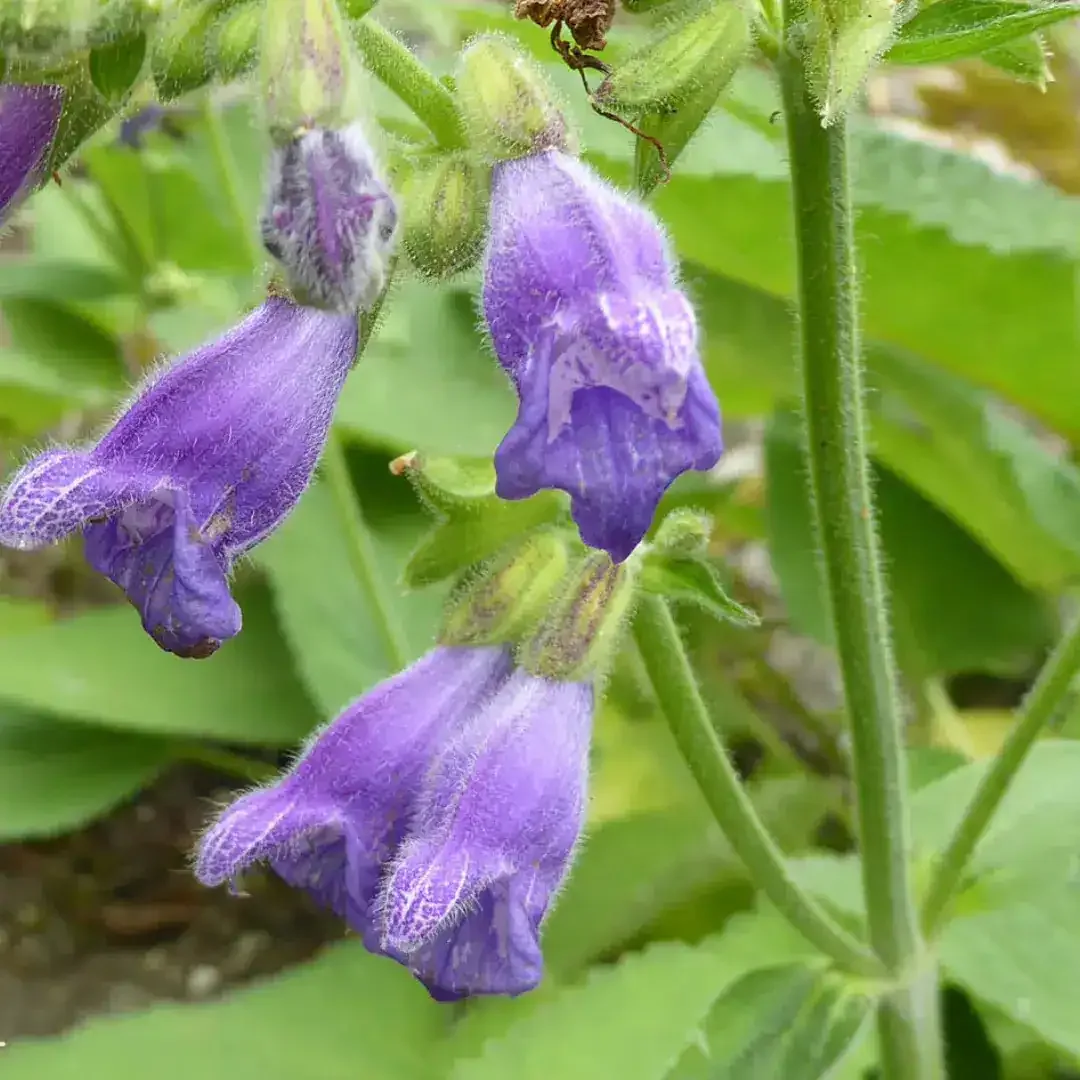
Distribution of red sage
Distribution map
- Native
- Introduced
- Cultivated
Source:WCVP v16 · Royal Botanic Gardens, Kew · CC BY 3.0 · Boundaries:WGSRPD / TDWG
red sage care guide
- Moderate regular watering, allowing brief slight drying between soakings
- Watering
- Full sun
- Sunlight

Watering
Moderate regular watering, allowing brief slight drying between soakings
Fertilizing
 Fertilizing
Balanced perennial feed every four weeks from spring through summer
Pruning
 Pruning
Deadhead flowers after they have faded
Propagation
 Propagation
Propagate by seed in containers in a cold frame in spring. Propagate by softwood cuttings in spring or early summer and by semi-ripe cuttings in late summer or autumn with bottom heat
Growing
 Growing
Grow in an open sunny situation in well-drained soil; mulch to help tubers overwinter or lift and store as for dahlia cultivation
Common pests and diseases
Diseases
May be susceptible to honey fungus (rarely), powdery mildews, verticillium wilt and foot and root rots
Pests
May be susceptible to slugs and snails, capsid bug, rosemary beetle and leafhoppers
Explore the plant health library →




