
Kniphofia bruceae
Also known as: Information to be completed
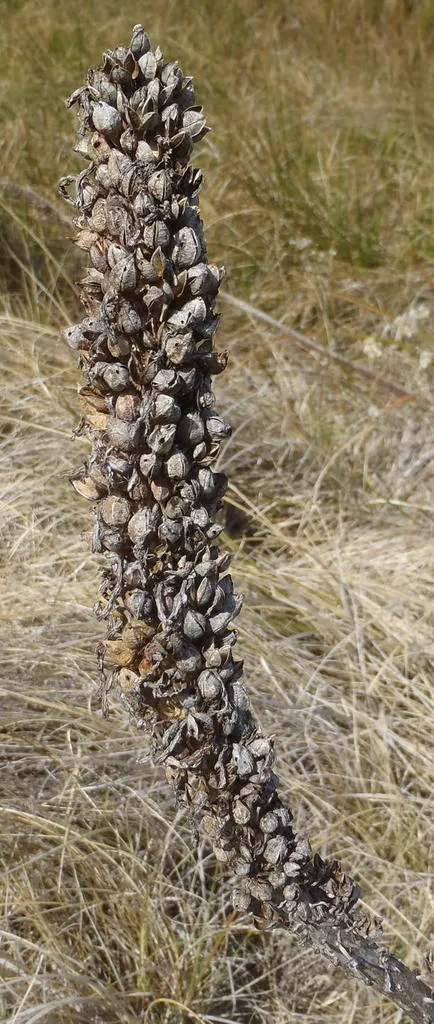
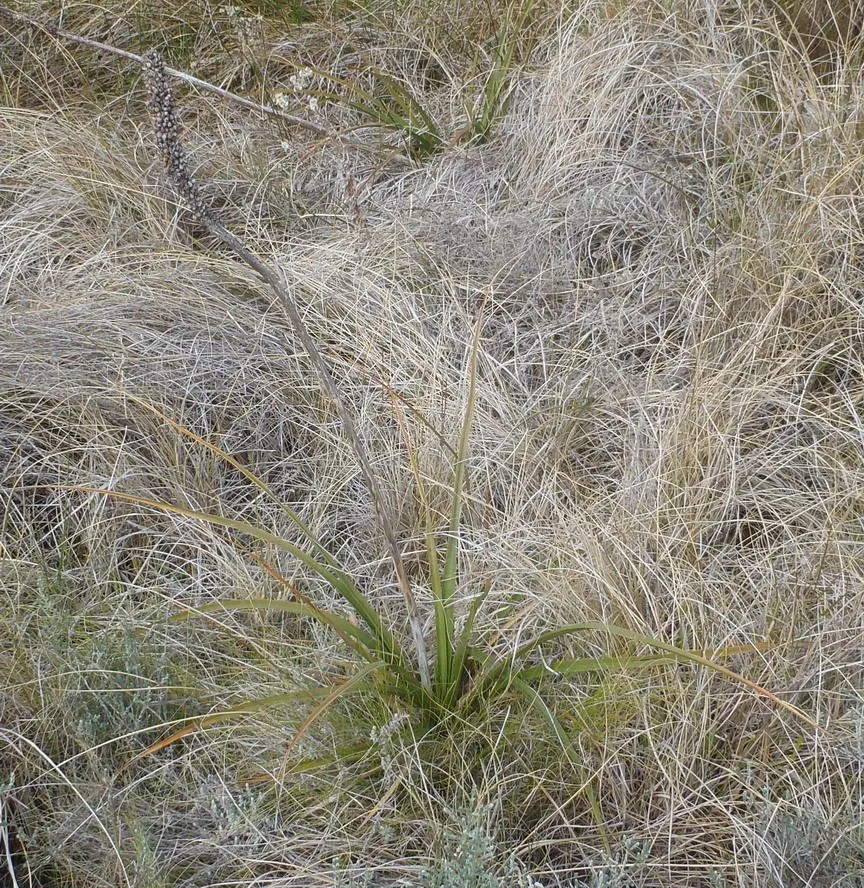
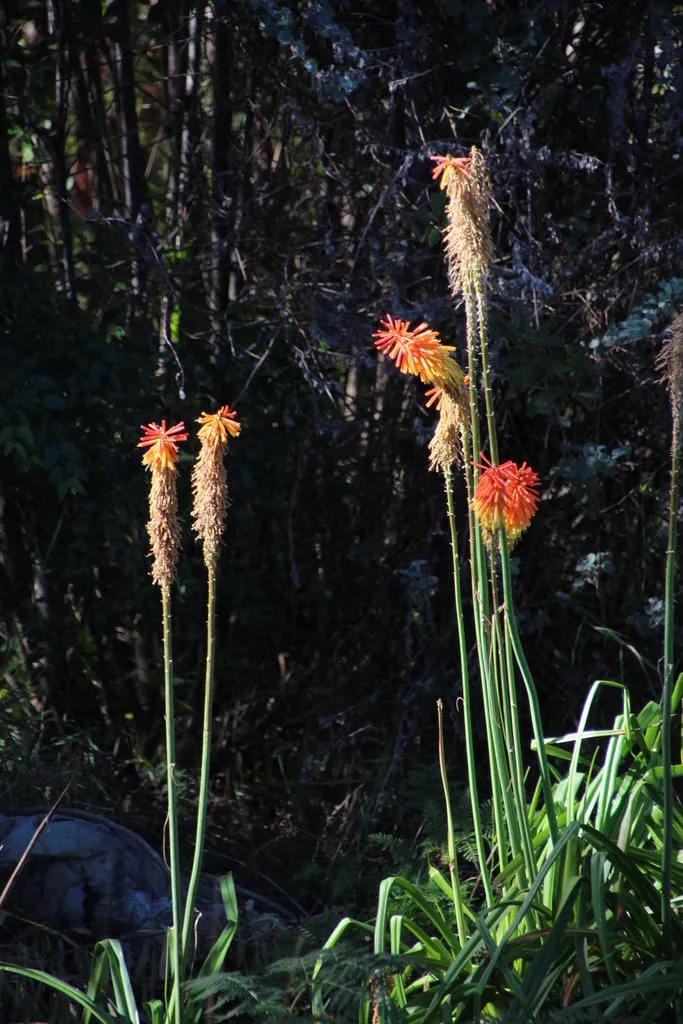
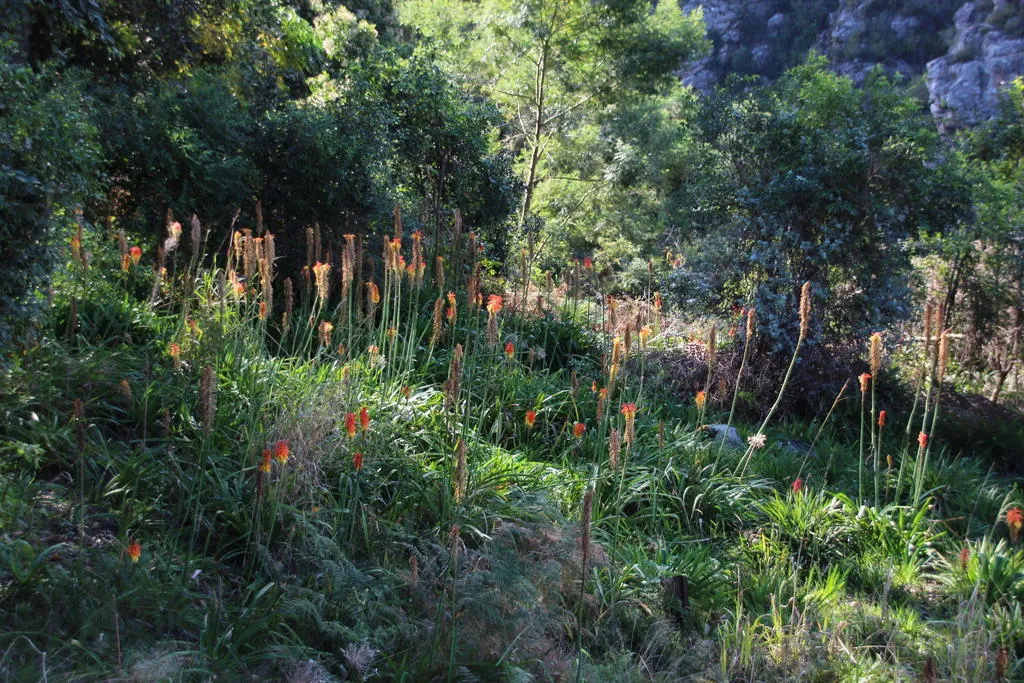
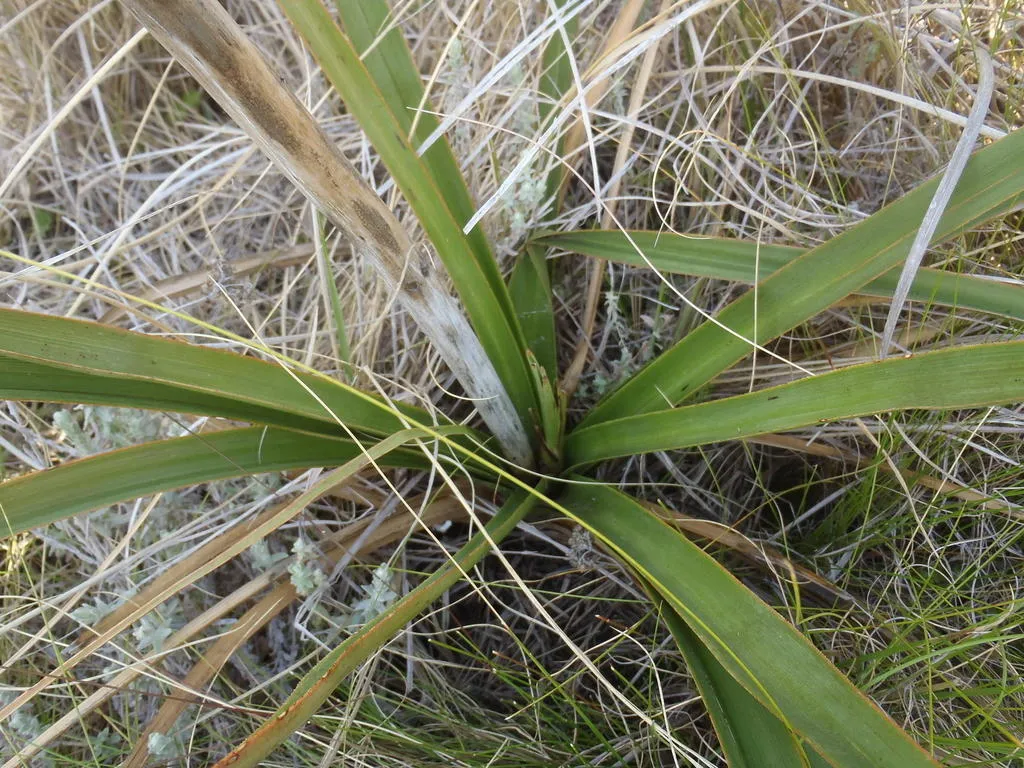
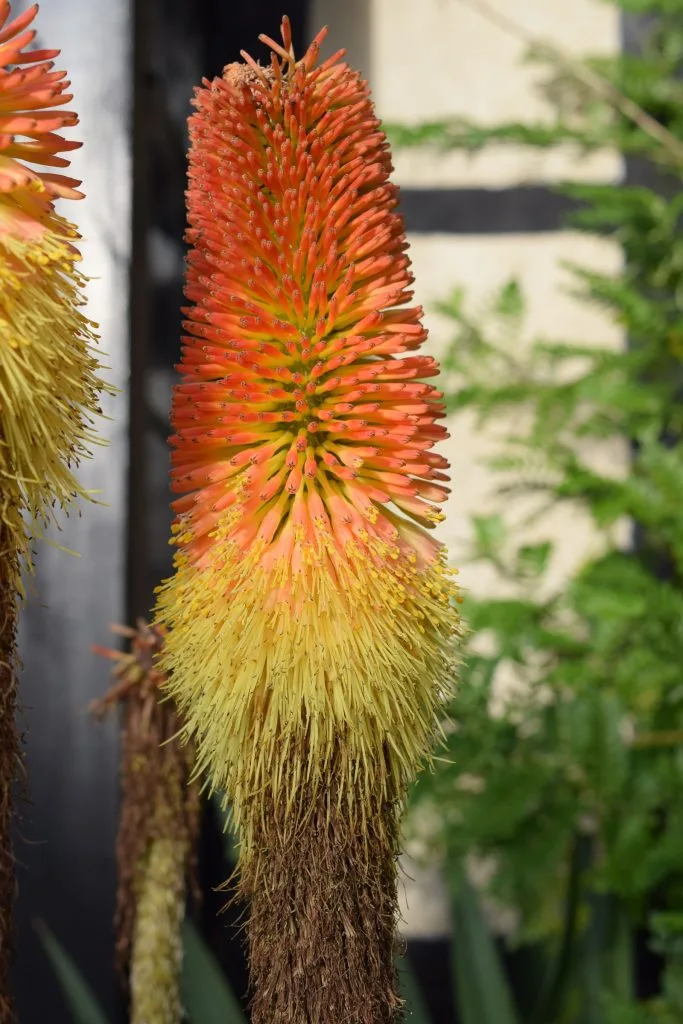
Large, clump-forming perennial, rare in cultivation, with dark green leaves 1-1.2m long, and bearing tall flower stems that may reach 2m in height, the cylindrical flowers densely packed with rusty-orange buds opening to cream-yellow, flowering in late summer and autumn
Scientific classification
- Species
- Kniphofia bruceae (Kniphofia bruceae)
- Genus
- Kniphofia
- Family
- Asphodelaceae
- Information to be completed
- Toxicity
- Herbaceous Perennial
- Plant type
- Information to be completed
- Height
- Information to be completed
- Spread
- Deciduous
- Foliage
- Clump forming
- Habit
- Spring · Summer · Autumn
- Season of interest
- Full sun
- Sunlight
- Information to be completed
- Ideal temperature









Kniphofia bruceae pictures
Distribution of Kniphofia bruceae
Distribution map
South Africa (Cape)
Information to be completed
Culture
Information to be completed
Toxicity
Information to be completed
Quick identification of Kniphofia bruceae
Information to be completed
Kniphofia bruceae care guide
- Moderate regular watering, allowing slight drying between waterings
- Watering
- Full sun
- Sunlight
- Information to be completed
- Ideal temperature

Watering
Moderate regular watering, allowing slight drying between waterings
Fertilizing
 Fertilizing
Balanced feed monthly during active growth season
Pruning
 Pruning
Cut down old flower stems after flowering; old or dead leaves can be tidied up or removed in mid-spring
Propagation
 Propagation
Propagate by division of established clumps in late spring or by taking offshoots from the crown
Growing
 Growing
Grow in full sun and fertile, moist but well-drained soil that isn’t too wet over winter. See kniphofia cultivation for further advice
People also ask
Information to be completed
Common pests and diseases
Diseases
Generally disease-free
Pests
May be susceptible to aphids, thrips, slugs and snails
Explore the plant health library →




