
Canada puccoon
Also known as: bloodroot; cornroot; Indian paint; Red Indian paint; red puccoon; snakebite; sweet slumber; bloodwort; tetterwort; turmeric
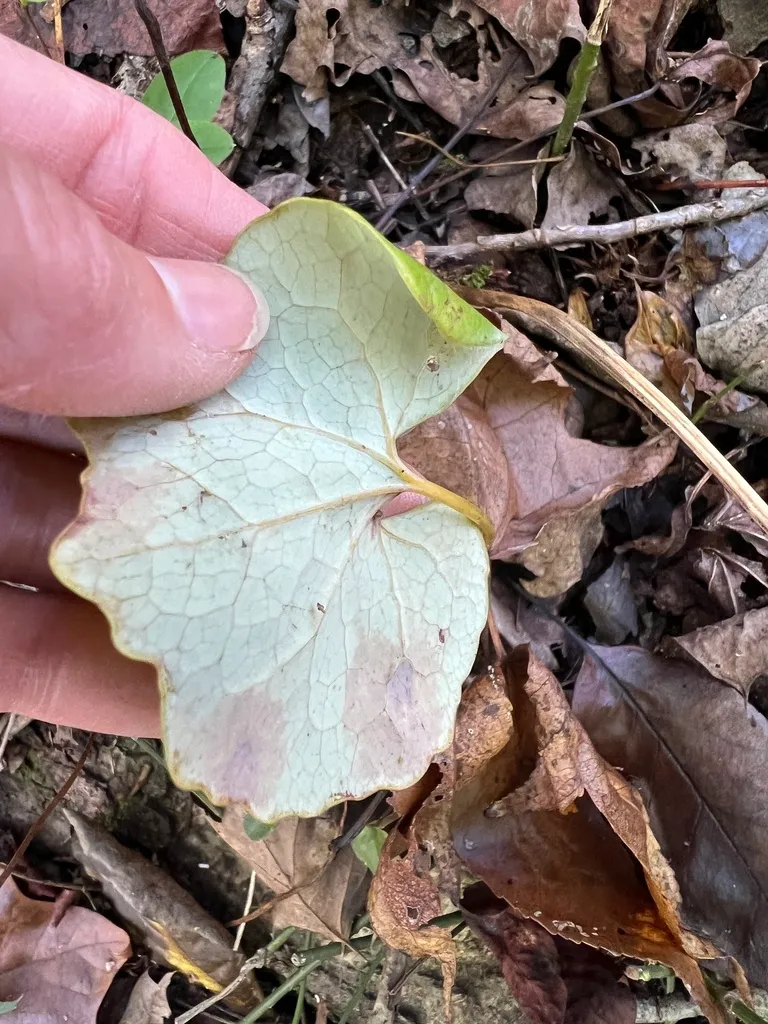
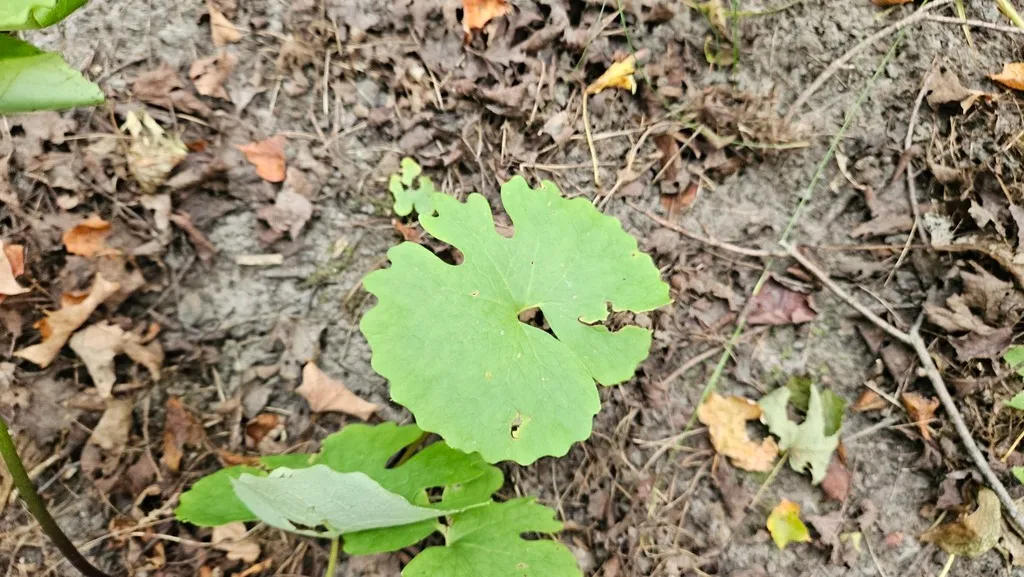
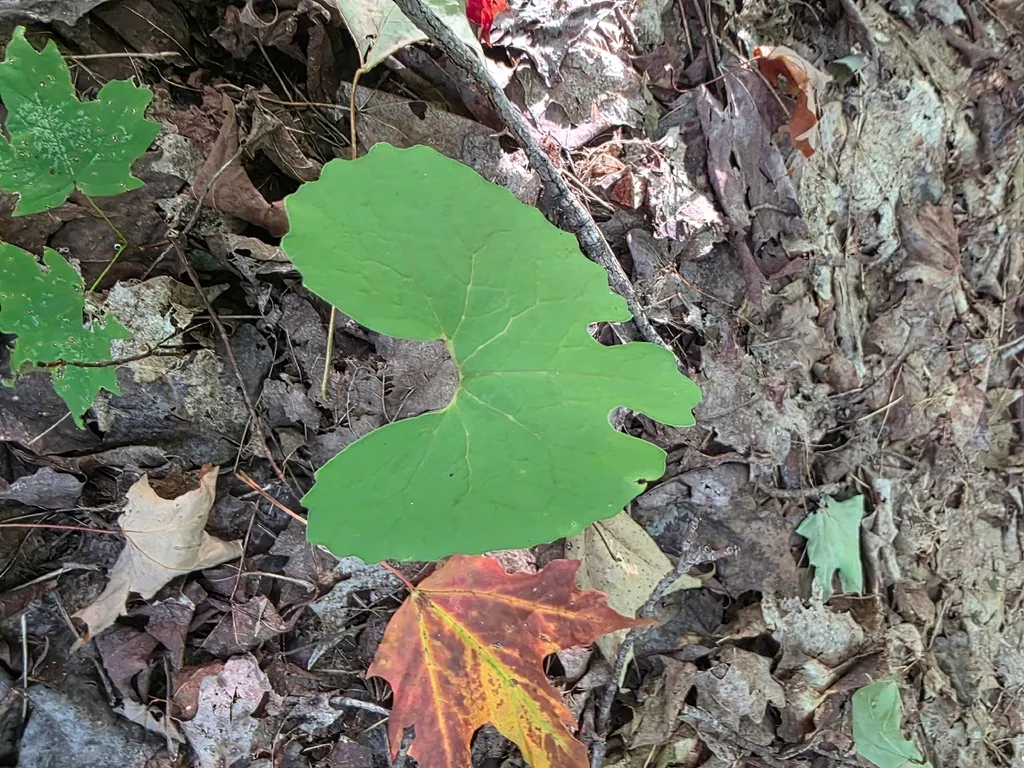
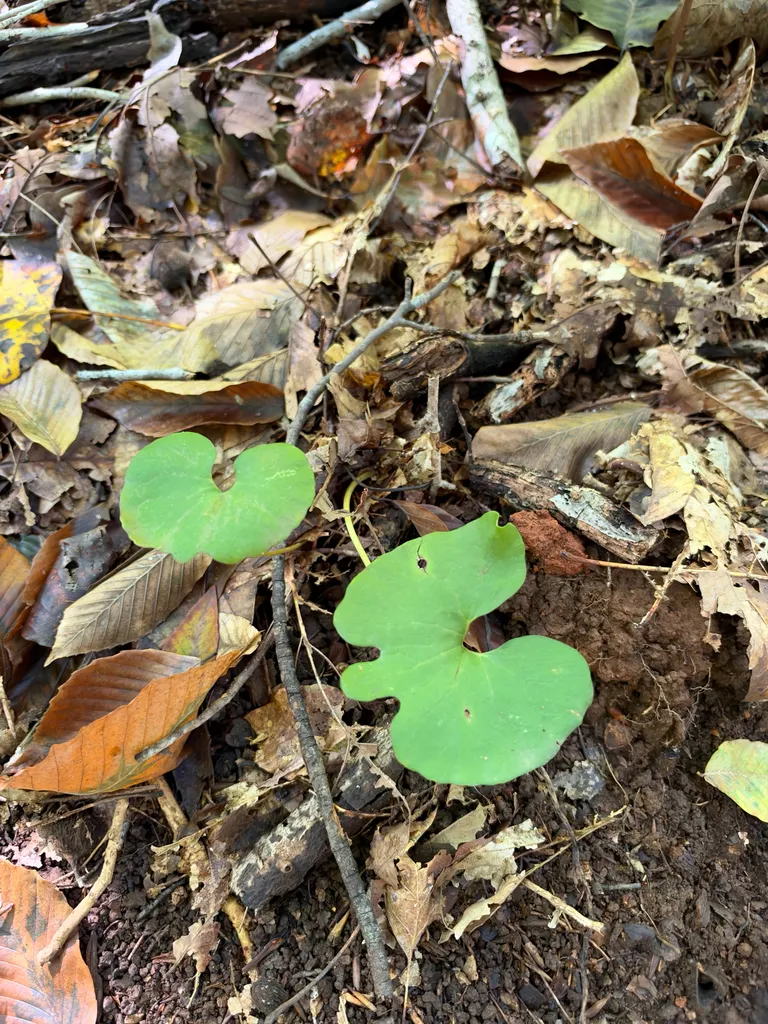
A rhizomatous perennial with fleshy underground stems that exude red sap when cut. As the blue-grey leaves unfurl in spring, it bears white-petalled flowers with yellow anthers. Petals are sometimes pink or grey-flushed on the reverse. Leaves are rounded with scalloped edges
Scientific classification
- Species
- Canada puccoon (Sanguinaria canadensis)
- Genus
- Sanguinaria
- Family
- Papaveraceae
- Order
- Ranunculales
- Class
- Magnoliopsida
- Phylum
- Tracheophyta
- Information to be completed
- Toxicity
- Herbaceous Perennial
- Plant type
- 0.1-0.5 metres
- Height
- 0.1-0.5 metres
- Spread
- Deciduous
- Foliage
- Matforming
- Habit
- Spring · Summer
- Season of interest
- Full sun · Partial shade
- Sunlight
- Information to be completed
- Ideal temperature









Canada puccoon pictures
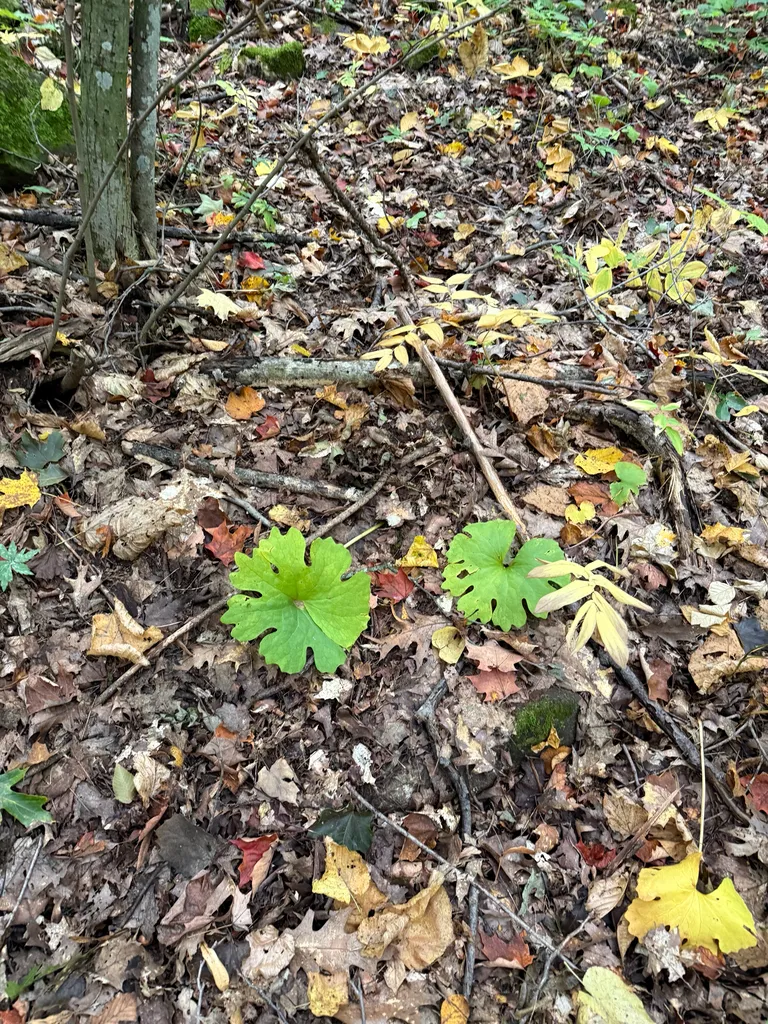
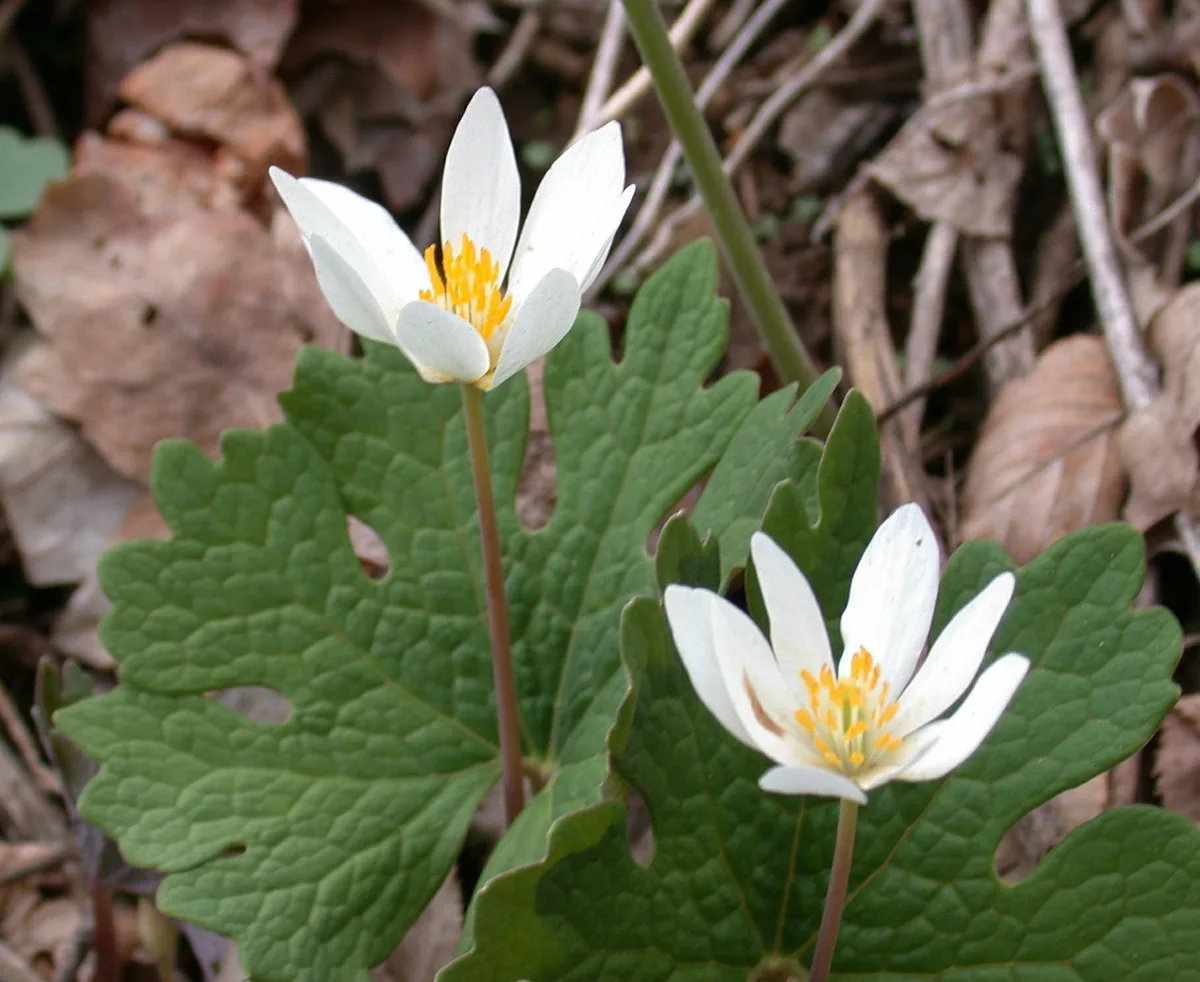
Distribution of Canada puccoon
Distribution map
- Native
- Introduced
- Cultivated
Source:WCVP v16 · Royal Botanic Gardens, Kew · CC BY 3.0 · Boundaries:WGSRPD / TDWG
Canada puccoon care guide
- Moderate regular watering, allowing brief slight drying between soakings
- Watering
- Full sun · Partial shade
- Sunlight

Watering
Moderate regular watering, allowing brief slight drying between soakings
Fertilizing
 Fertilizing
Balanced perennial feed every four weeks from spring through summer
Propagation
 Propagation
Propagate by division in autumn or spring or by propagate by seed in autumn; germination can be erratic over the following 2 years
Growing
 Growing
Grow in sun or semi-shade in humus-rich, well-drained soil, such as a woodland garden
Common pests and diseases
Diseases
Generally trouble-free
Pests
Generally trouble-free
Explore the plant health library →




