
great burnet
Also known as: burnet bloodwort; greater burnet; greater salad burnet
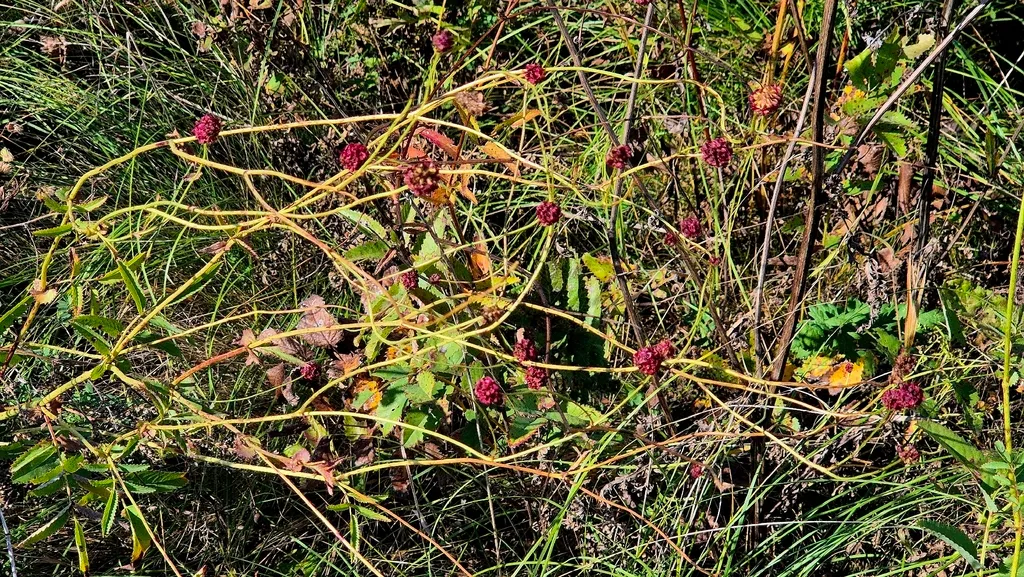
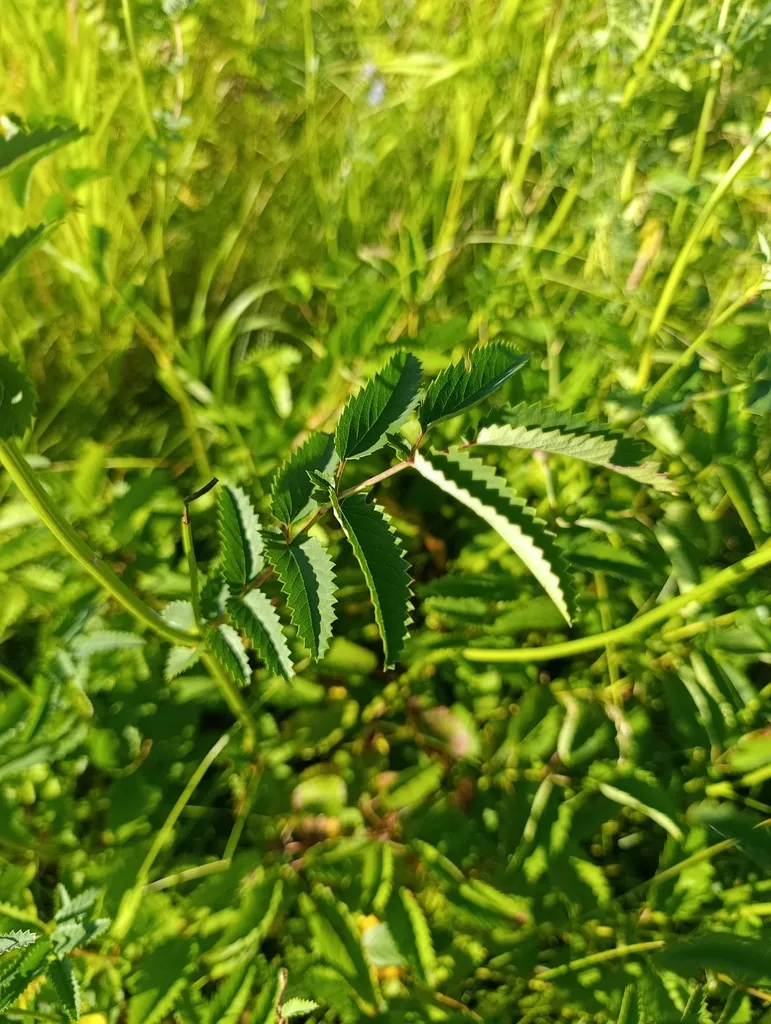
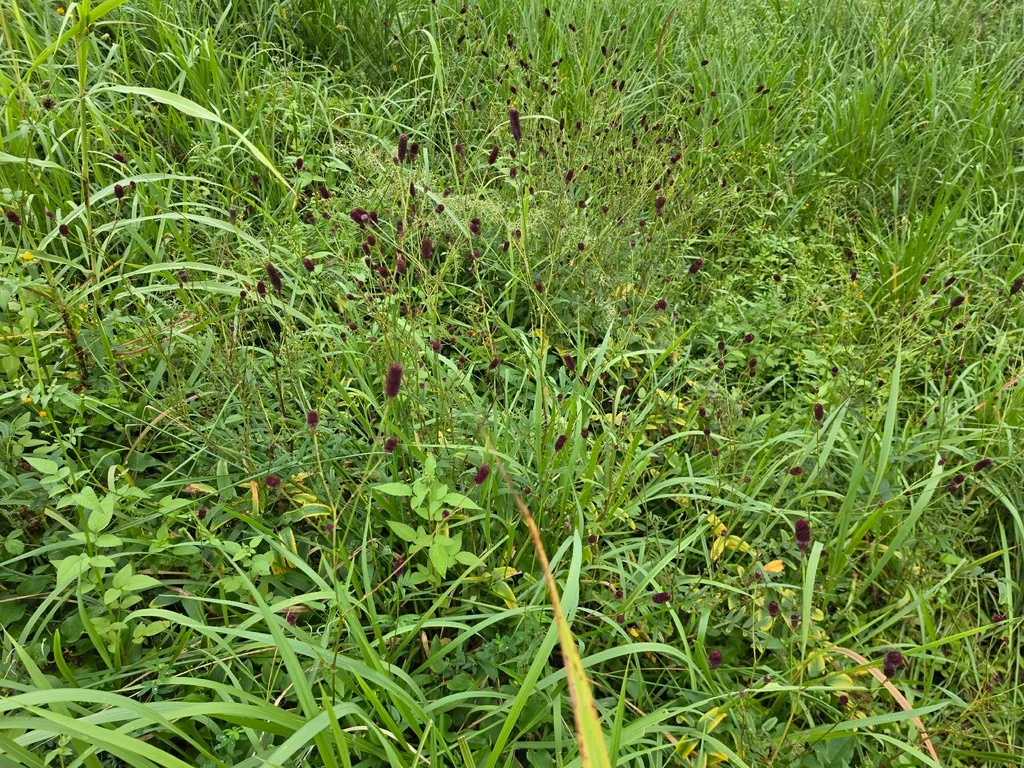
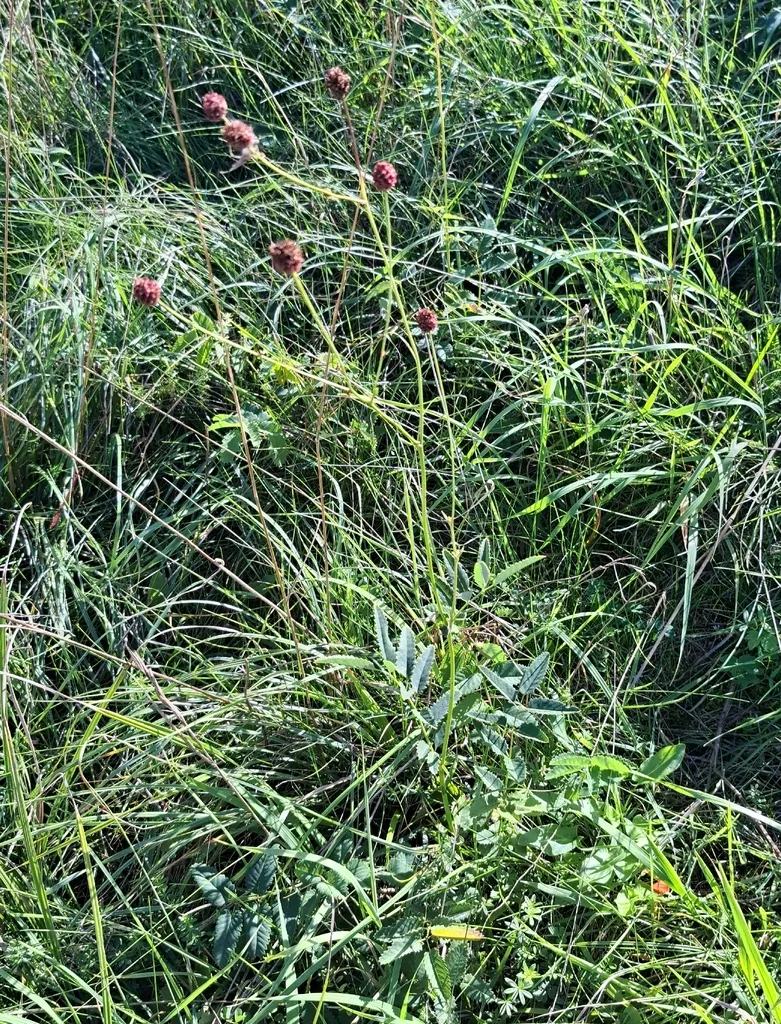
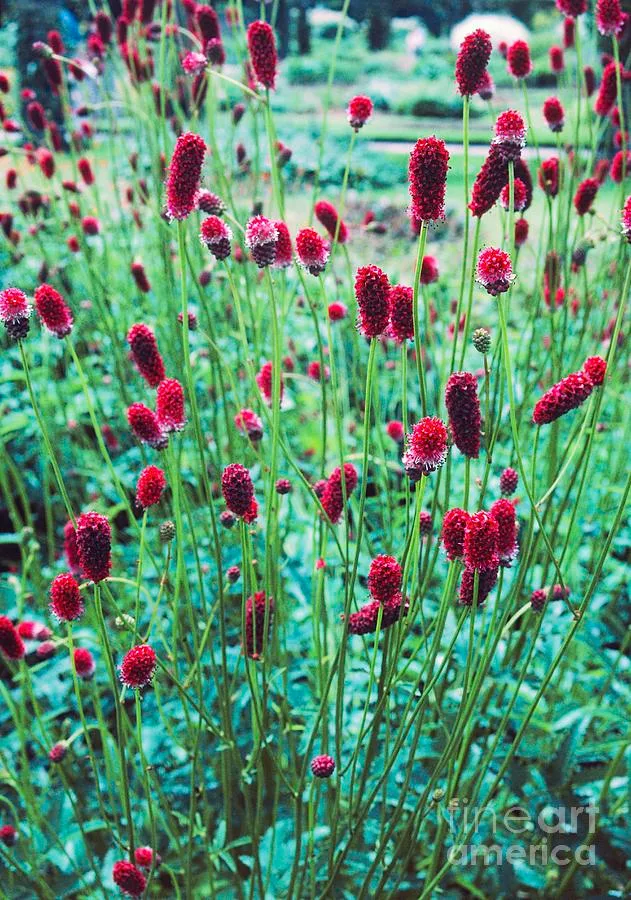
S. officinalis forms a compact clump of pinnate leaves with rounded or oblong leaflets, and maroon flowers in dense, rounded or oval spikes in summer and early autumn
Scientific classification
- Species
- great burnet (Sanguisorba officinalis)
- Genus
- Sanguisorba
- Family
- Rosaceae
- Order
- Rosales
- Class
- Magnoliopsida
- Phylum
- Tracheophyta
- Information to be completed
- Toxicity
- Herbaceous Perennial
- Plant type
- 1-1.5 metres
- Height
- 0.1-0.5 metres
- Spread
- Deciduous
- Foliage
- Clump forming
- Habit
- Spring · Summer · Autumn
- Season of interest
- Full sun · Partial shade
- Sunlight
- Information to be completed
- Ideal temperature









great burnet pictures
Distribution of great burnet
Distribution map
- Native
- Introduced
- Cultivated
Locally extinct or doubtful records are excluded from native and introduced layers.
Source:WCVP v16 · Royal Botanic Gardens, Kew · CC BY 3.0 · Boundaries:WGSRPD / TDWG
great burnet care guide
- Moderate regular watering, allowing brief slight drying between soakings
- Watering
- Full sun · Partial shade
- Sunlight

Watering
Moderate regular watering, allowing brief slight drying between soakings
Fertilizing
 Fertilizing
Balanced perennial feed every four weeks from spring through summer
Pruning
 Pruning
No pruning required
Propagation
 Propagation
Propagate by seed in pots in a cold frame in spring or autumn. Propagate by division in spring or autumn
Growing
 Growing
Grow in a moderately fertile, moist but well-drained soil that does not dry out; best in full sun or partial shade. Usually needs support and the rhizomes can spread and become invasive so site with care
Common pests and diseases
Diseases
Generally disease free
Pests
Generally pest-free
Explore the plant health library →




