
Roman wormwood
Also known as: lady's needle; old warrior; small absinth
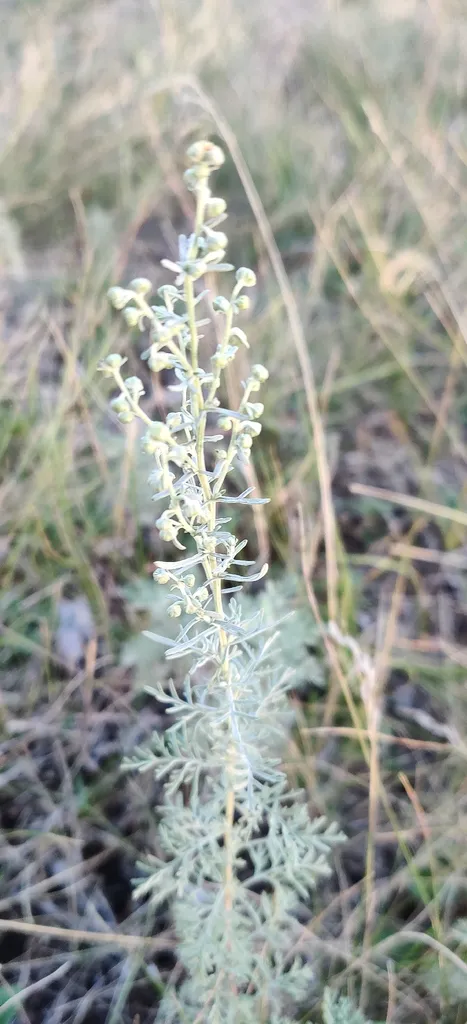
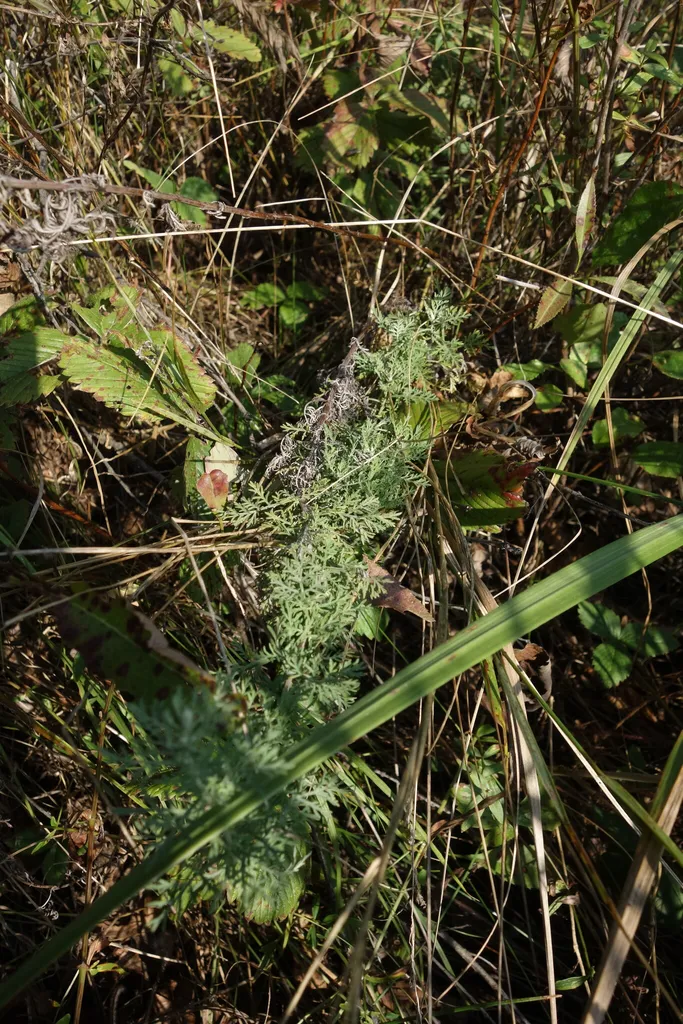
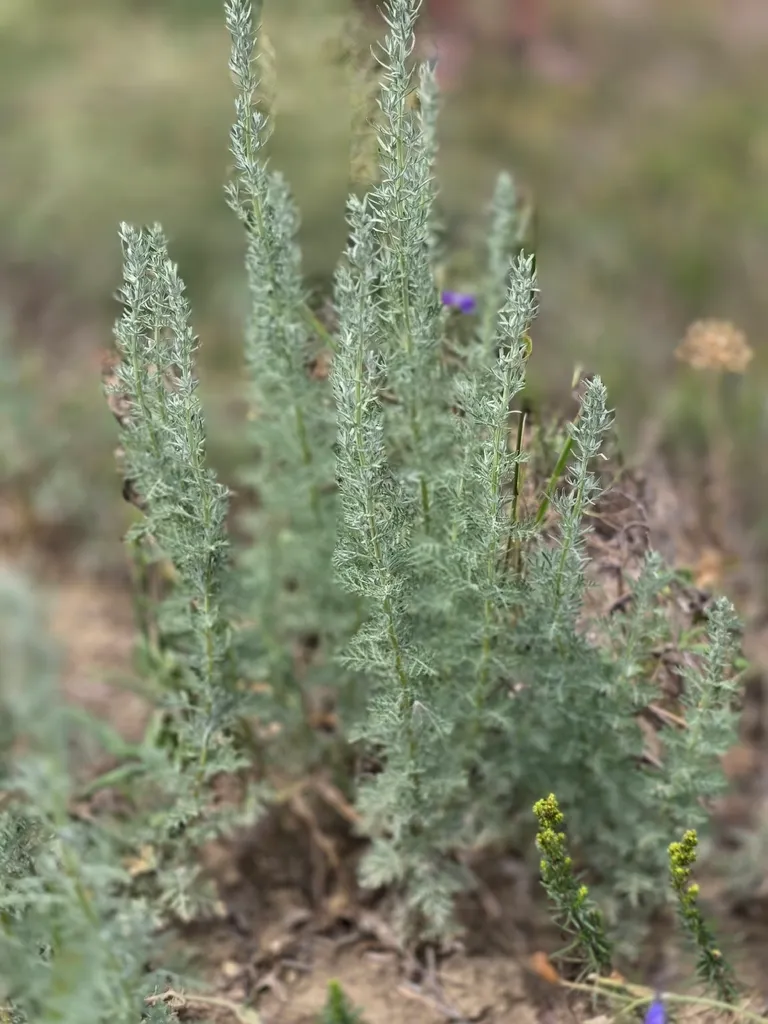
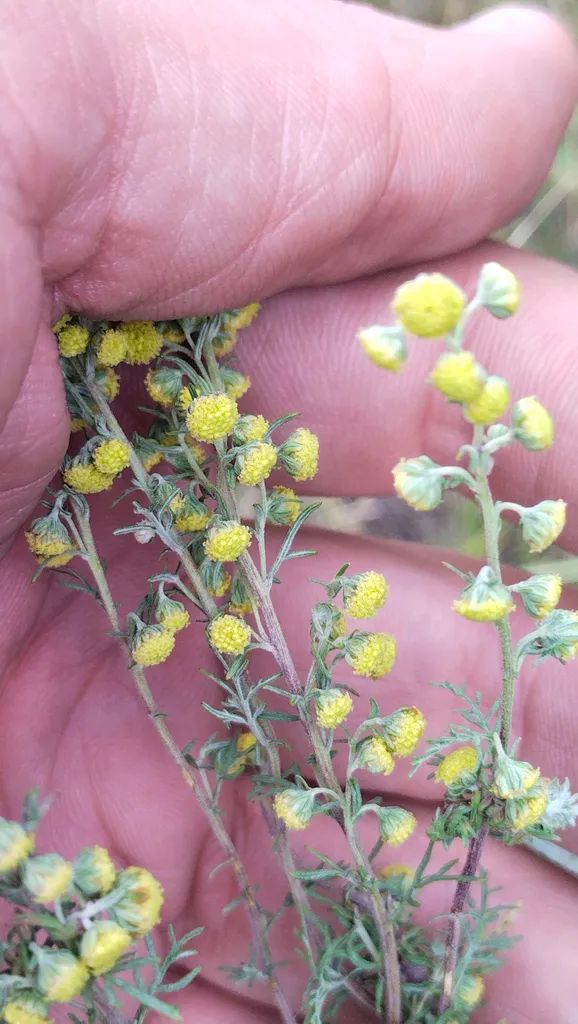
A vigorous herbaceous perennial making a spreading clump of upright stems to 75cm, clad in dissected, grey-green, highly aromatic leaves, with small greyish-yellow flowerheads in panicles at the tips of the stems
Scientific classification
- Species
- Roman wormwood (Artemisia pontica)
- Genus
- Artemisia
- Family
- Asteraceae
- Order
- Asterales
- Class
- Magnoliopsida
- Phylum
- Magnoliophyta
- Information to be completed
- Toxicity
- Herbaceous Perennial
- Plant type
- 0.5-1 metres
- Height
- 1-1.5 metres
- Spread
- Deciduous
- Foliage
- Suckering
- Habit
- Spring · Summer · Autumn
- Season of interest
- Full sun
- Sunlight
- Information to be completed
- Ideal temperature









Roman wormwood pictures
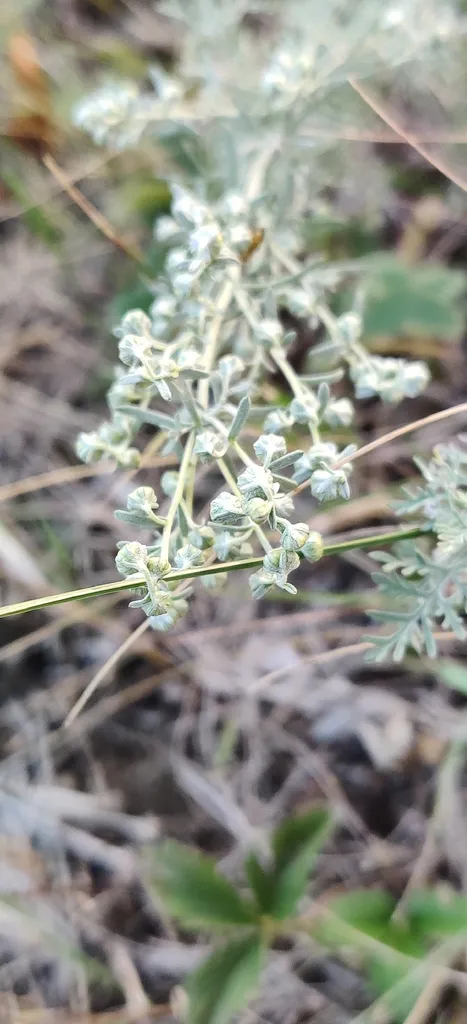
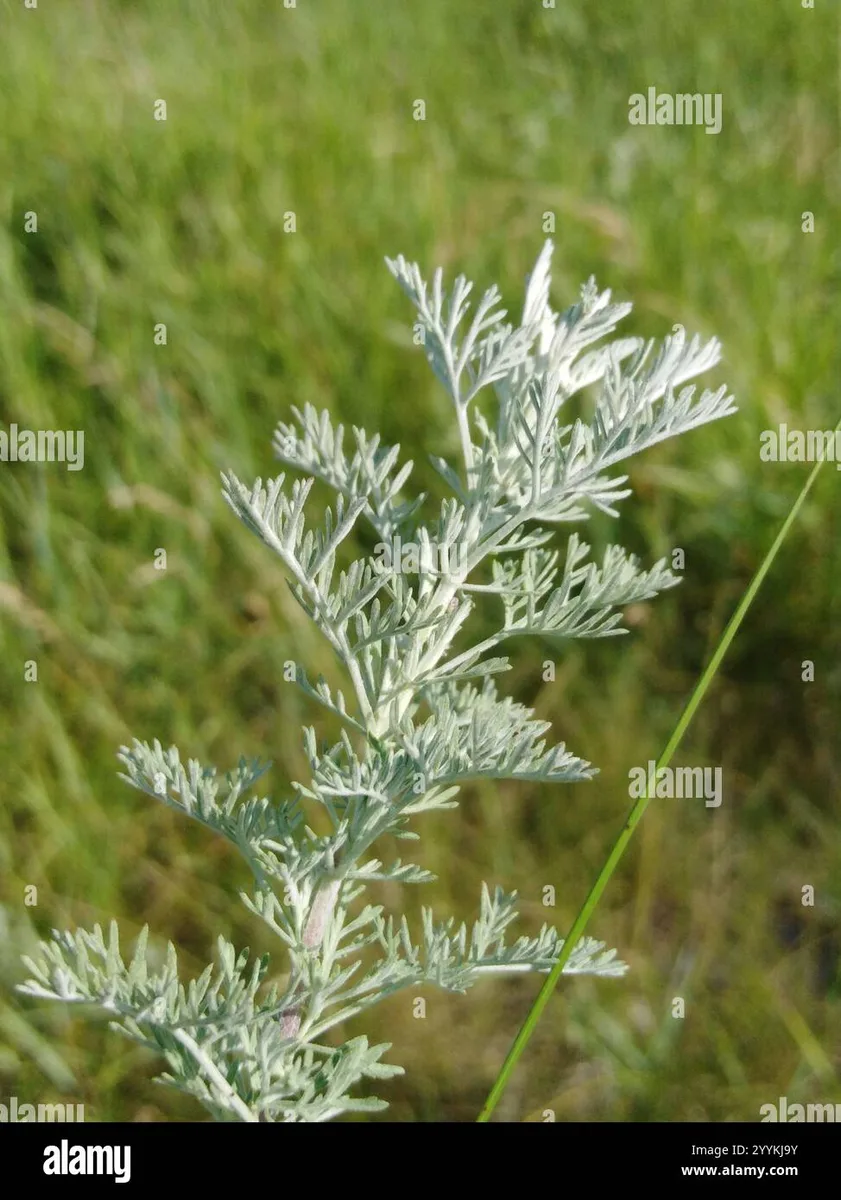
Distribution of Roman wormwood
Distribution map
- Native
- Introduced
- Cultivated
Source:WCVP v16 · Royal Botanic Gardens, Kew · CC BY 3.0 · Boundaries:WGSRPD / TDWG
Roman wormwood care guide
- Keep soil consistently moist for steady leafy growth without drought stress
- Watering
- Full sun
- Sunlight

Watering
Keep soil consistently moist for steady leafy growth without drought stress
Fertilizing
 Fertilizing
Nitrogen-rich vegetable feed every two to three weeks in active growth
Pruning
 Pruning
Can be cut to the base in autumn
Propagation
 Propagation
Propagate by seed in containers in a cold frame in autumn or spring; divide in spring or in autumn; take stem-tips as greenwood cuttings in late summer
Growing
 Growing
Grow in fertile well-drained soil in sun. Can die back in heavy, poorly-drained soil
Common pests and diseases
Diseases
May be susceptible to honey fungus
Pests
Generally pest-free
Explore the plant health library →




