
soapwort
Also known as: Boston pink; bouncing bet; bouncing bett; chimney pink; common soapwort; devil in a bush; farewell to summer; flop top; fuller's herb; Gill-run-by-the-street; hedge pink; Jill-run-by-the-street; lady by the gate; mock gilliflower; old maid's pink; old maid's slipper; soap plant; soap root; sweet Betty; wild sweet William; wood phlox; world's wonder; bruisewort; crow soap; London pride; sheepweed; soapwort gentian
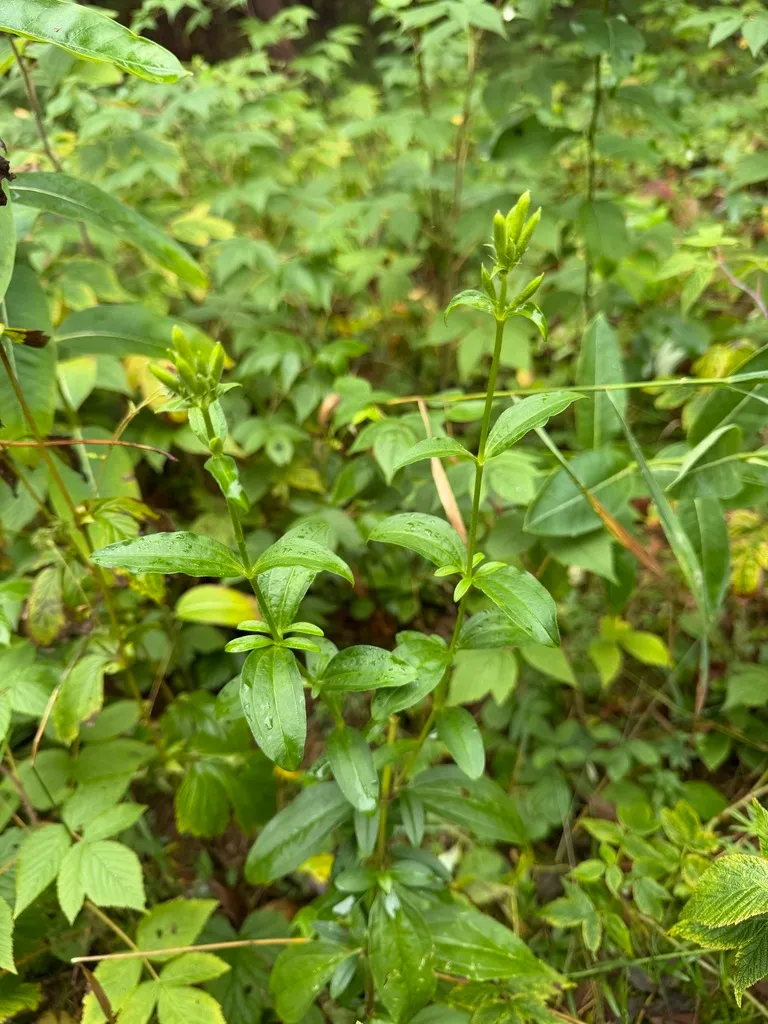
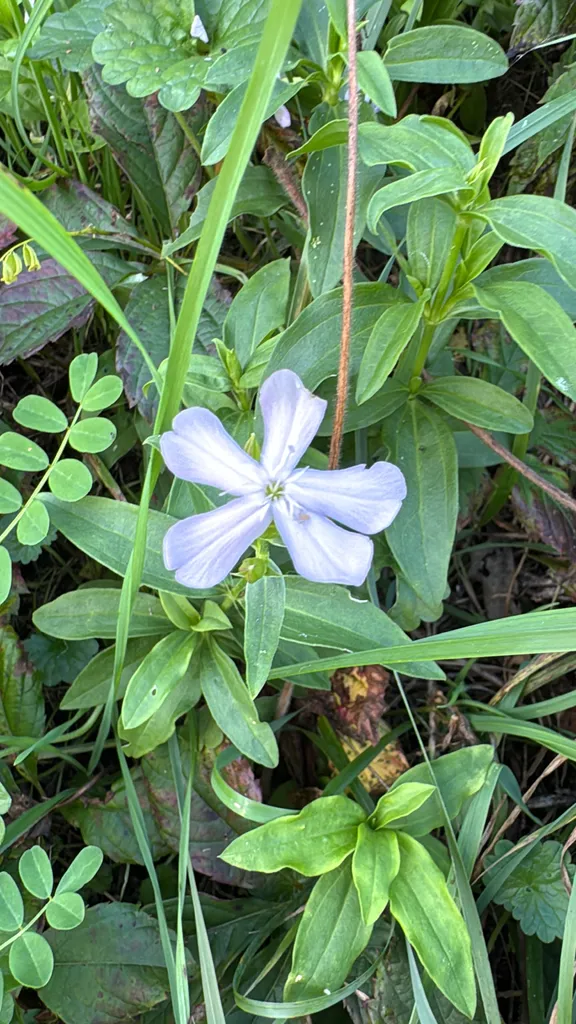
S. officinalis is a rhizomatous perennial forming wide clumps of upright stems bearing ovate leaves and terminal clusters of fragrant light pink or white flowers in summer and autumn
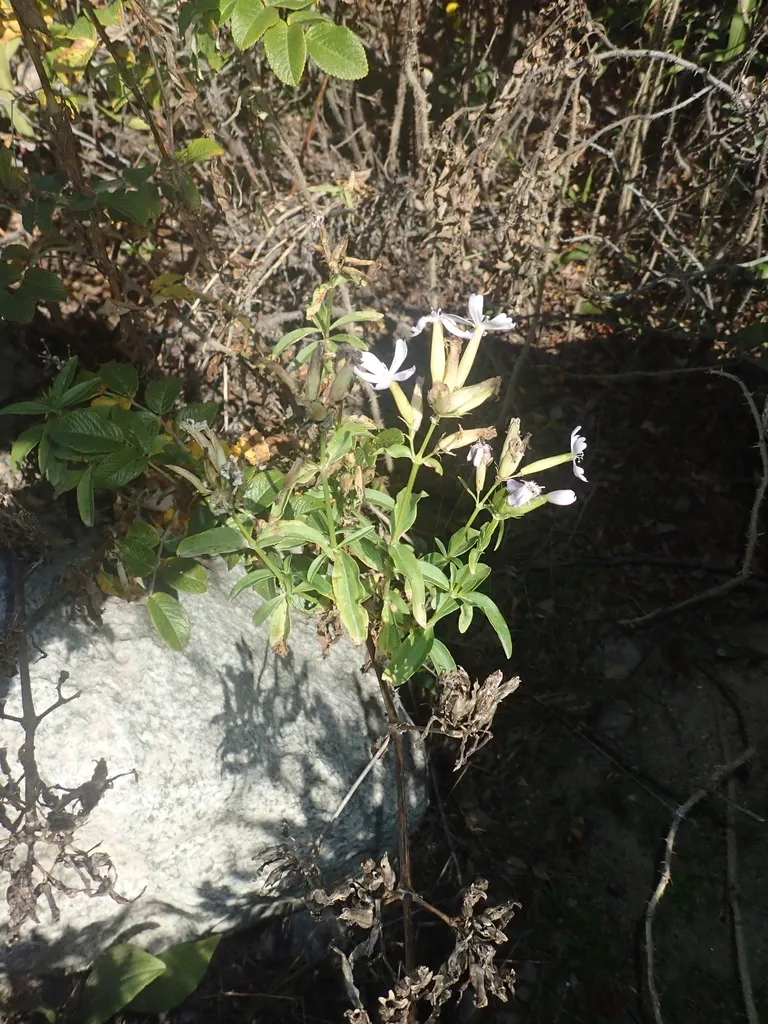
Scientific classification
- Species
- soapwort (Saponaria officinalis)
- Genus
- Saponaria
- Family
- Caryophyllaceae
- Order
- Caryophyllales
- Class
- Magnoliopsida
- Phylum
- Tracheophyta
- Information to be completed
- Toxicity
- Herbaceous Perennial
- Plant type
- 0.5-1 metres
- Height
- 0.1-0.5 metres
- Spread
- Deciduous
- Foliage
- Clump forming
- Habit
- Spring · Summer · Autumn
- Season of interest
- Full sun
- Sunlight
- Information to be completed
- Ideal temperature









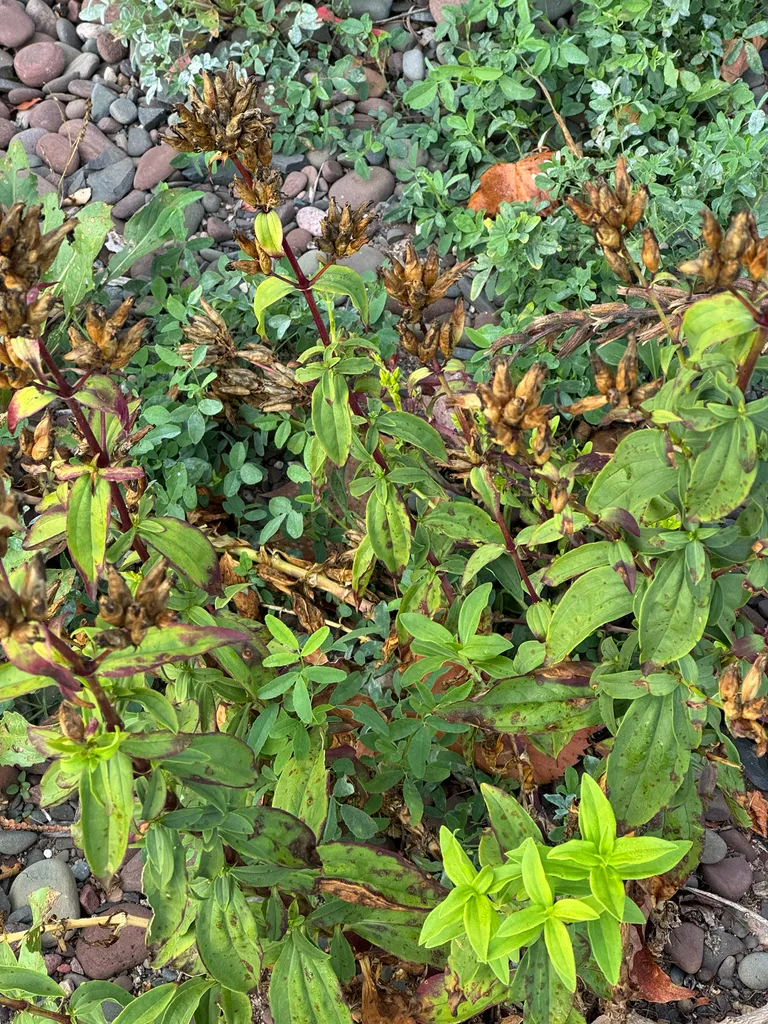
soapwort pictures
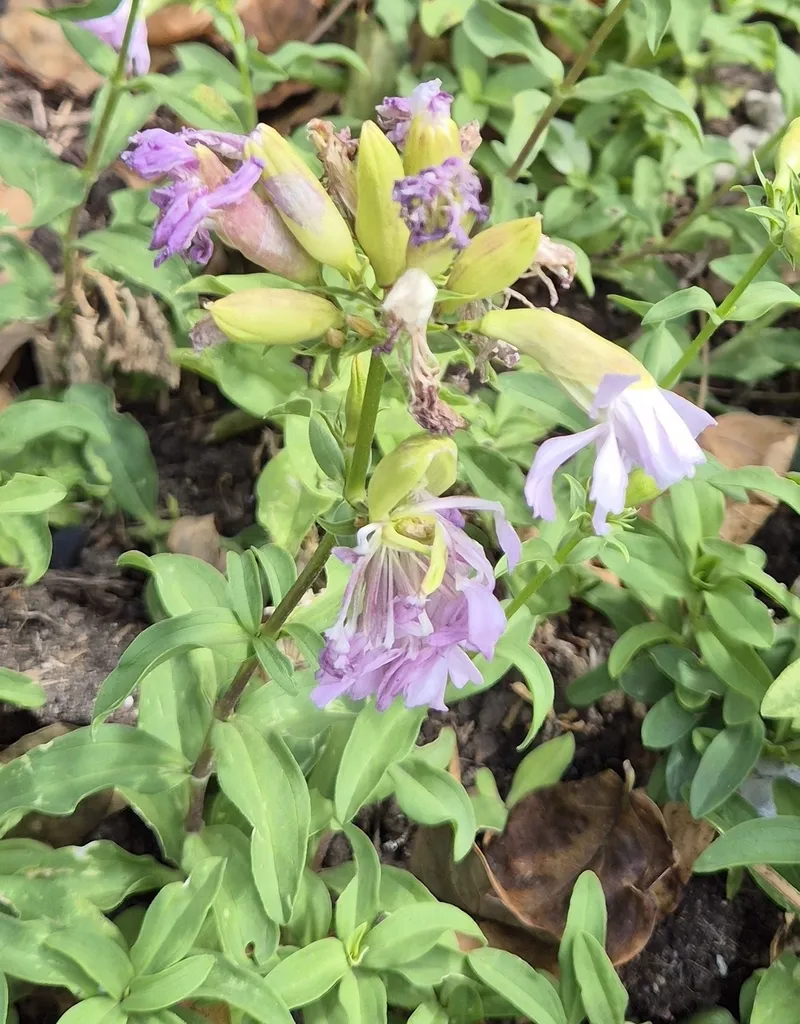
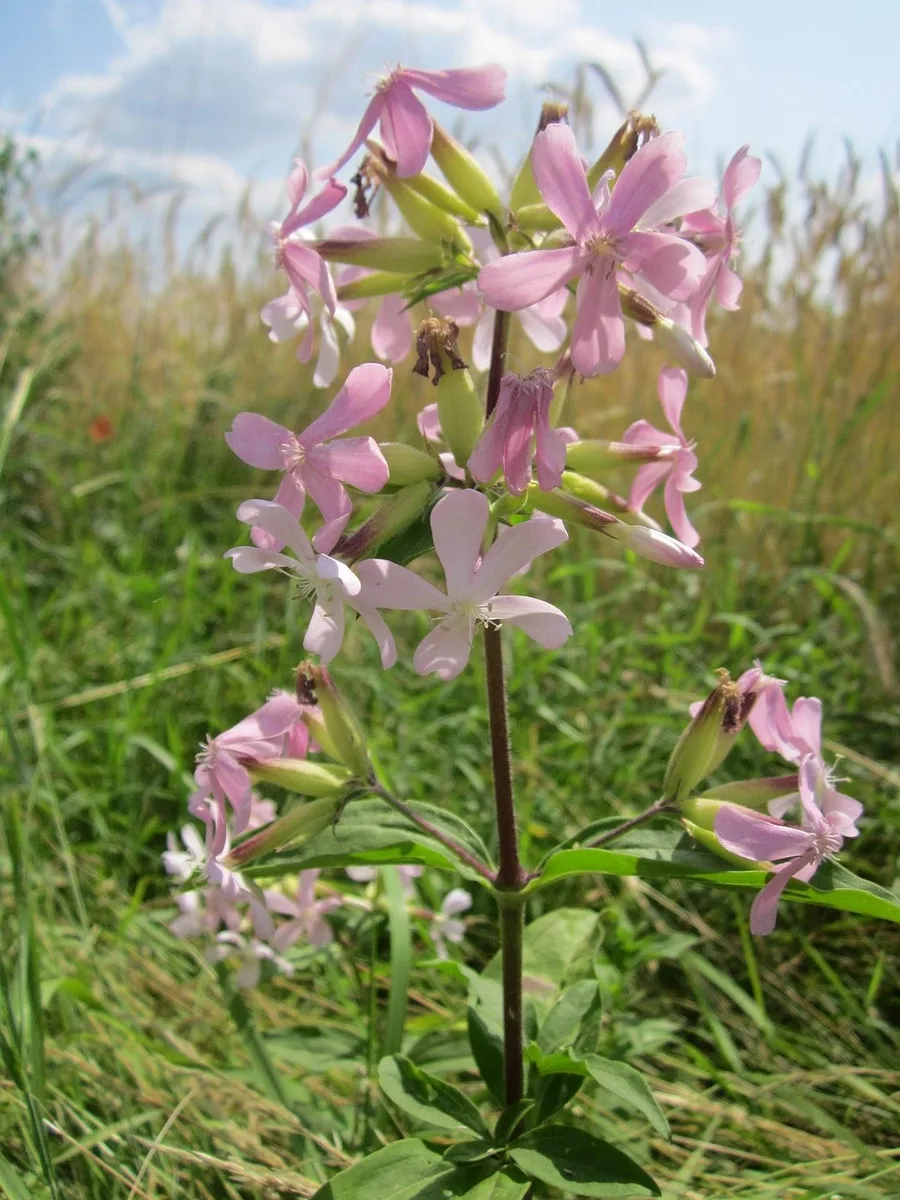
Distribution of soapwort
Distribution map
- Native
- Introduced
- Cultivated
Source:WCVP v16 · Royal Botanic Gardens, Kew · CC BY 3.0 · Boundaries:WGSRPD / TDWG
soapwort care guide
- Moderate regular watering, avoid prolonged drought or waterlogging
- Watering
- Full sun
- Sunlight

Watering
Moderate regular watering, avoid prolonged drought or waterlogging
Fertilizing
 Fertilizing
Balanced feed in spring and light repeat in growth season
Pruning
 Pruning
No pruning required
Propagation
 Propagation
Propagate by seed or division
Growing
 Growing
Grow in moderately fertile, well-drained, neutral to alkaline soil in full sun. Tolerates poor soils. May be suitable for beds and borders, but has the potential to become a nuisance and should be carefully managed to control spread
Common pests and diseases
Diseases
Generally disease free
Pests
Slugs and snails may be a problem
Explore the plant health library →




