
Bolivian begonia
Also known as: Information to be completed
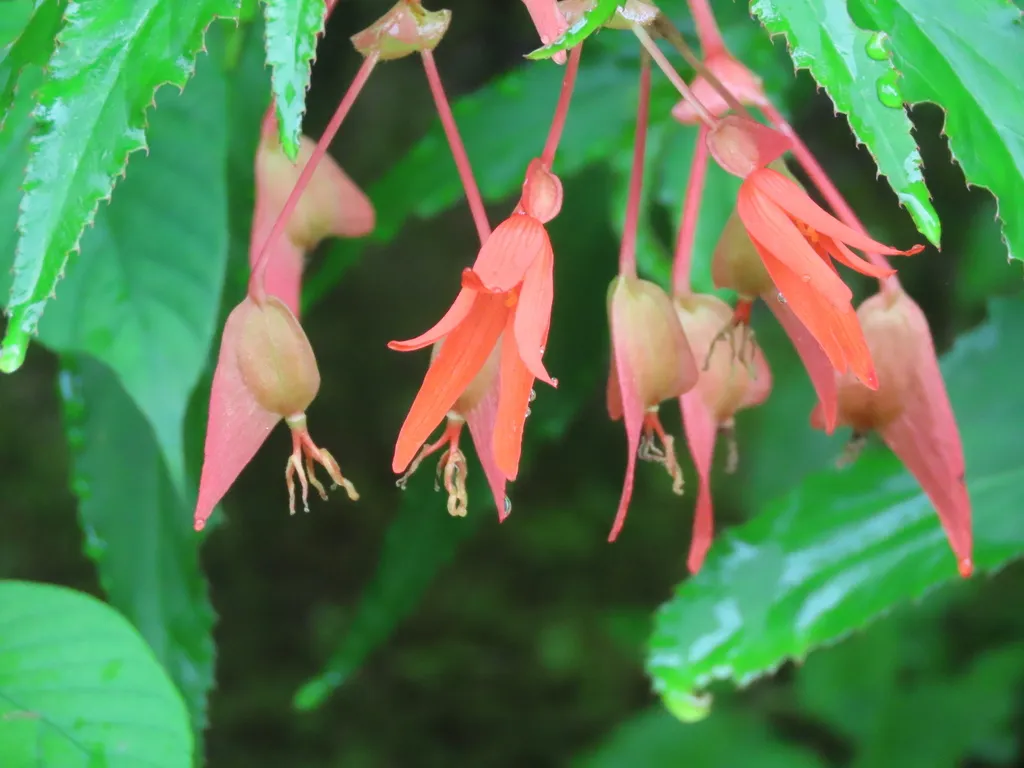
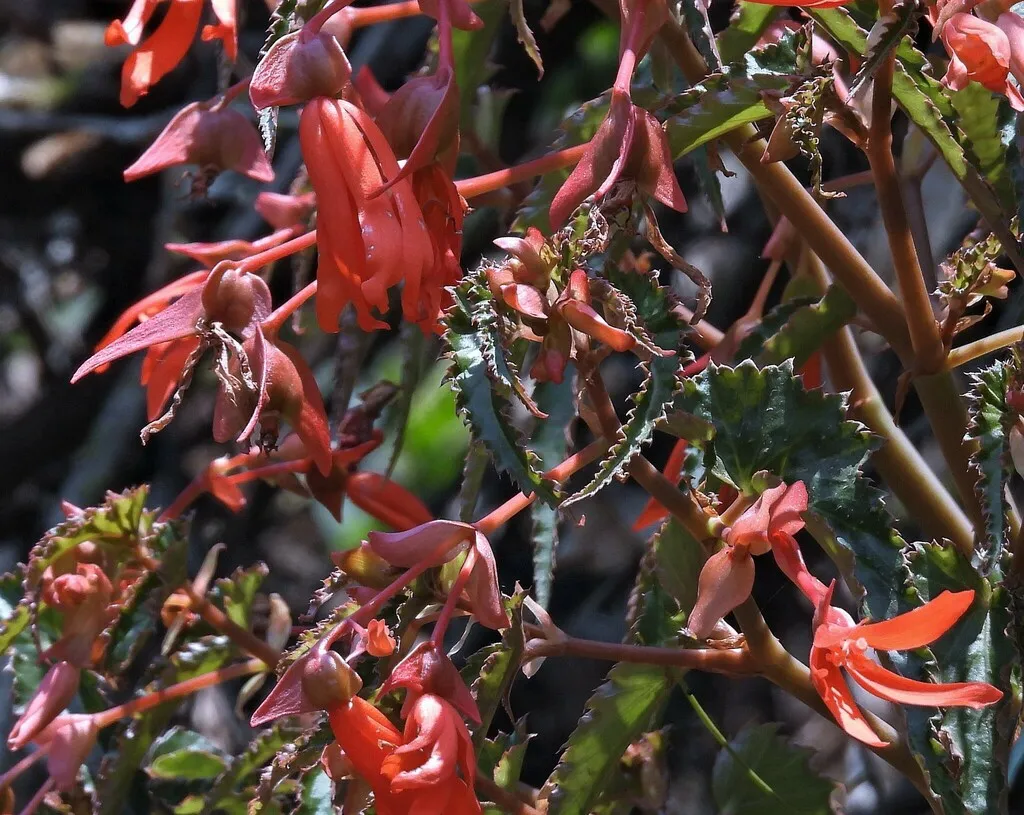
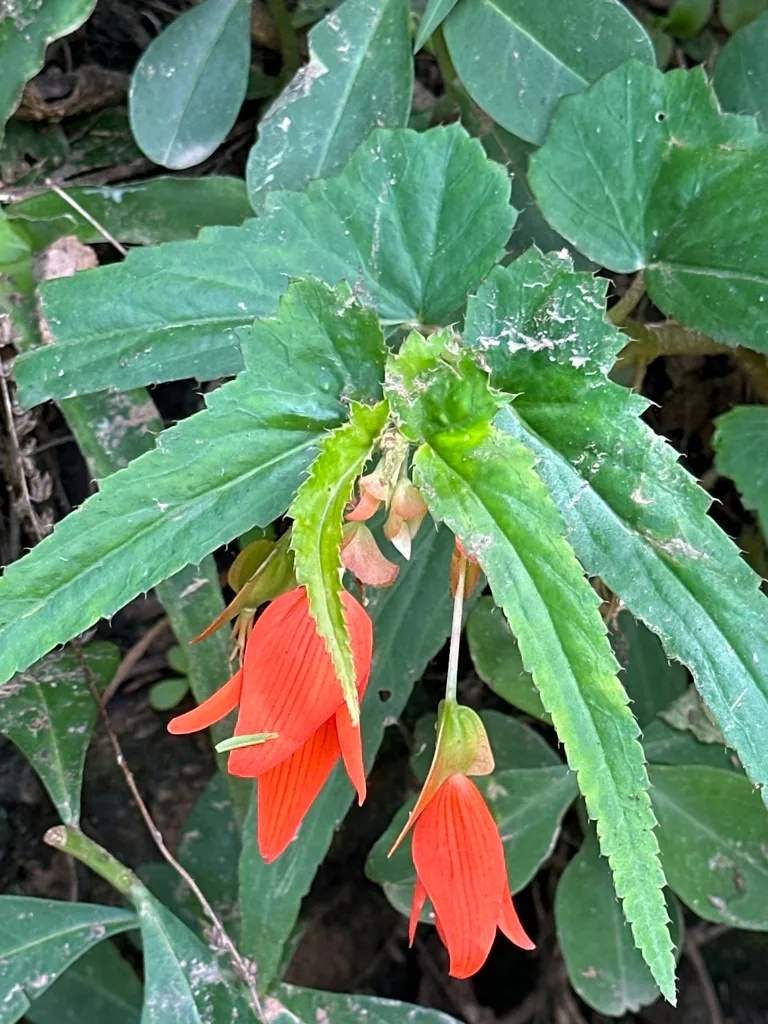
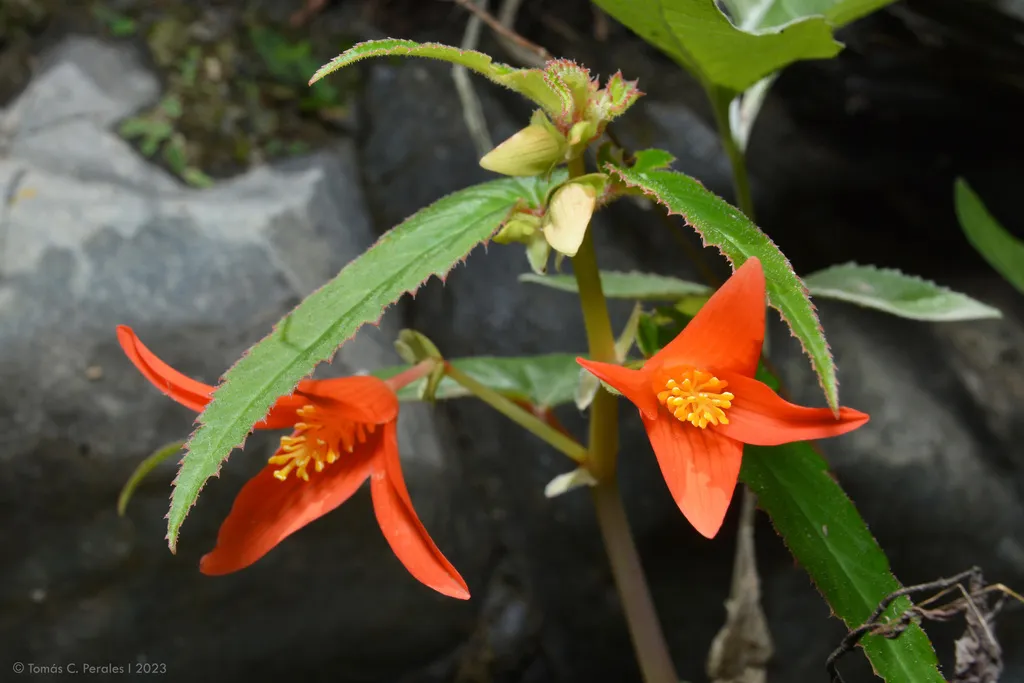
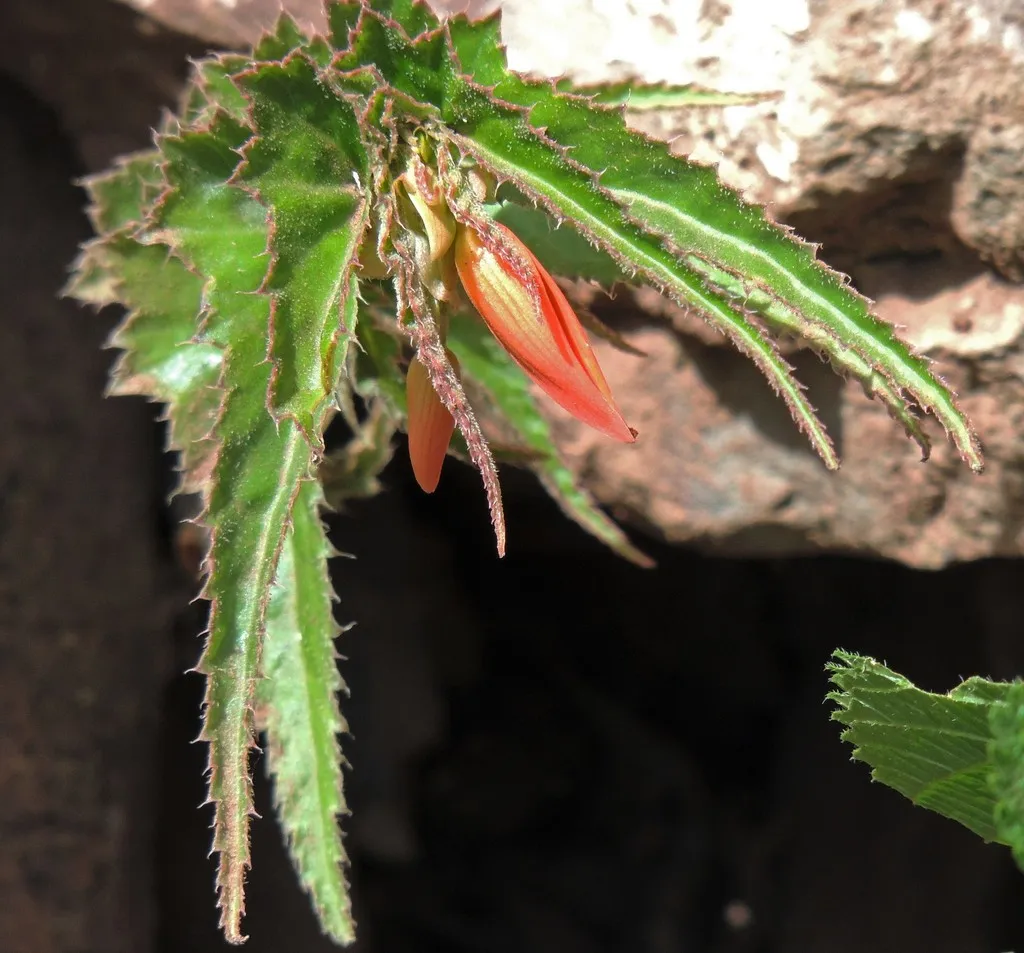
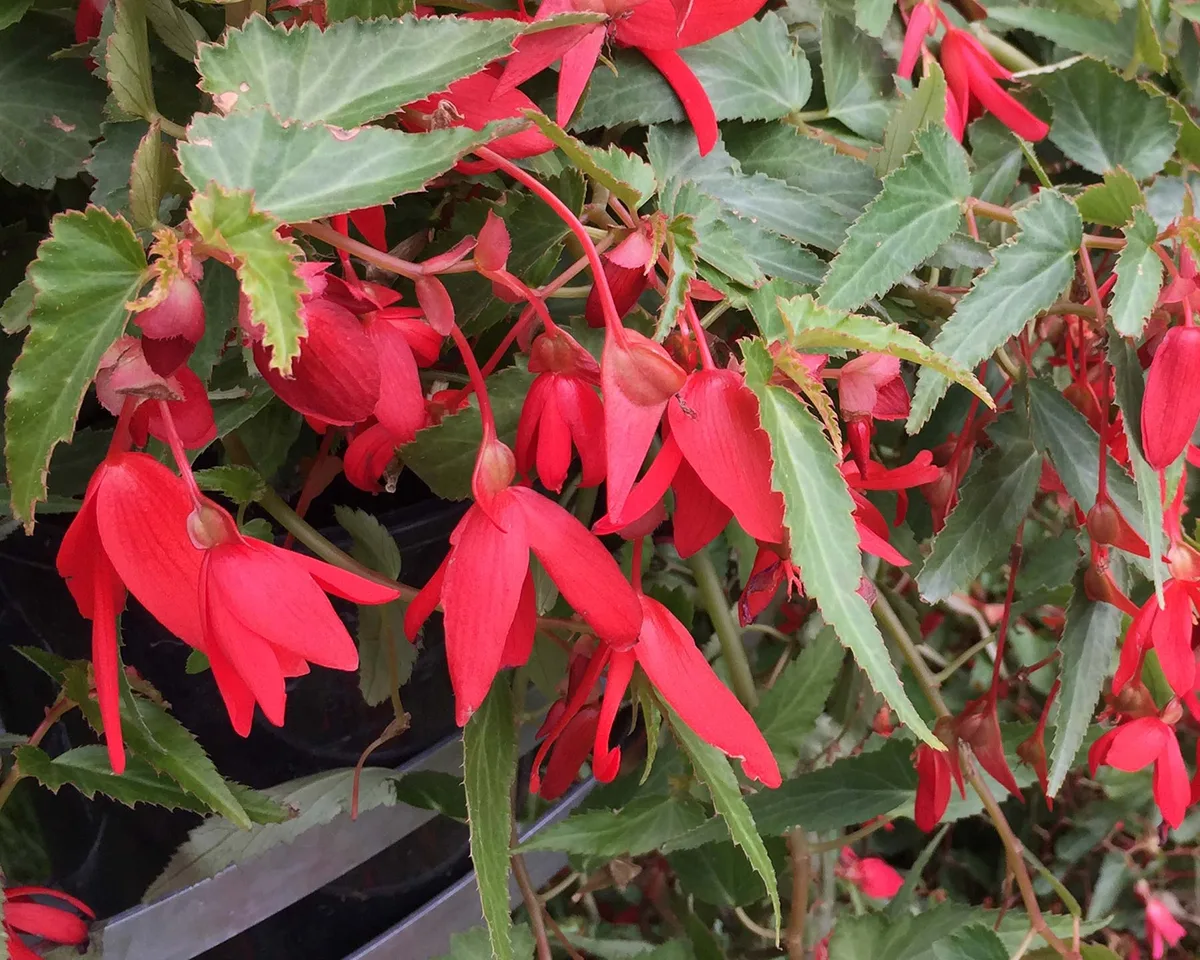
a tuberous, trailing perennial with a height and spread of about 60cm. Arching, pendulous stems bear oval, pointed, glossy "angel-wing" leaves and cascades of drooping, single, scarlet-orange flowers in summer and autumn
Scientific classification
- Species
- Bolivian begonia (Begonia boliviensis)
- Genus
- Begonia
- Family
- Begoniaceae
- Order
- Cucurbitales
- Class
- Magnoliopsida
- Phylum
- Magnoliophyta
- Ornamental bulbs - not to be eaten. Wear gloves and other protective equipment when handling
- Toxicity
- Bedding · Bulbs · Conservatory Greenhouse
- Plant type
- 0.1-0.5 metres
- Height
- 0.1-0.5 metres
- Spread
- Deciduous
- Foliage
- Trailing
- Habit
- Spring · Summer · Autumn
- Season of interest
- Full sun · Partial shade
- Sunlight
- Information to be completed
- Ideal temperature









Bolivian begonia pictures
Distribution of Bolivian begonia
Distribution map
- Native
- Introduced
- Cultivated
Source:WCVP v16 · Royal Botanic Gardens, Kew · CC BY 3.0 · Boundaries:WGSRPD / TDWG
Toxicity
Ornamental bulbs - not to be eaten. Wear gloves and other protective equipment when handling
Bolivian begonia care guide
- Moderate regular watering, allowing brief slight drying between soakings
- Watering
- Full sun · Partial shade
- Sunlight

Watering
Moderate regular watering, allowing brief slight drying between soakings
Fertilizing
 Fertilizing
Balanced perennial feed every four weeks from spring through summer
Pruning
 Pruning
Remove old stems and foliage as plant dies back for the winter
Propagation
 Propagation
Root basal or stem-tip softwood cuttings in spring or summer
Growing
 Growing
Plant tubers indoors in spring in light, well-drained, neutral compost. May be grown permanently in pots or hanging baskets under glass in bright light shaded from direct sun. Otherwise move containers outdoors into a sunny or semi-shaded position when all risk of frost is past. Dry off tubers in winter and store frost-free. For further information see Begonias: outdoors
Common pests and diseases
Diseases
May be susceptible to grey moulds, powdery mildews, stem rot and rhizome rot
Pests
May be susceptible to caterpillars, mealy bugs, mites, glasshouse thrips, vine weevil and aphids
Explore the plant health library →




