
common pitcher plant
Also known as: Adam's cup; carrion flower; dumb watches; false foxglove; fever cup; fly trap; huntsman's cup; huntsman's horn; Indian cup; Indian tea kettle; meadow cup; purple sidesaddle flower; St Jacob's dipper; St John's dipper; trumpet leaf; whip-poor-will's boots; whip-poor-will's shoes
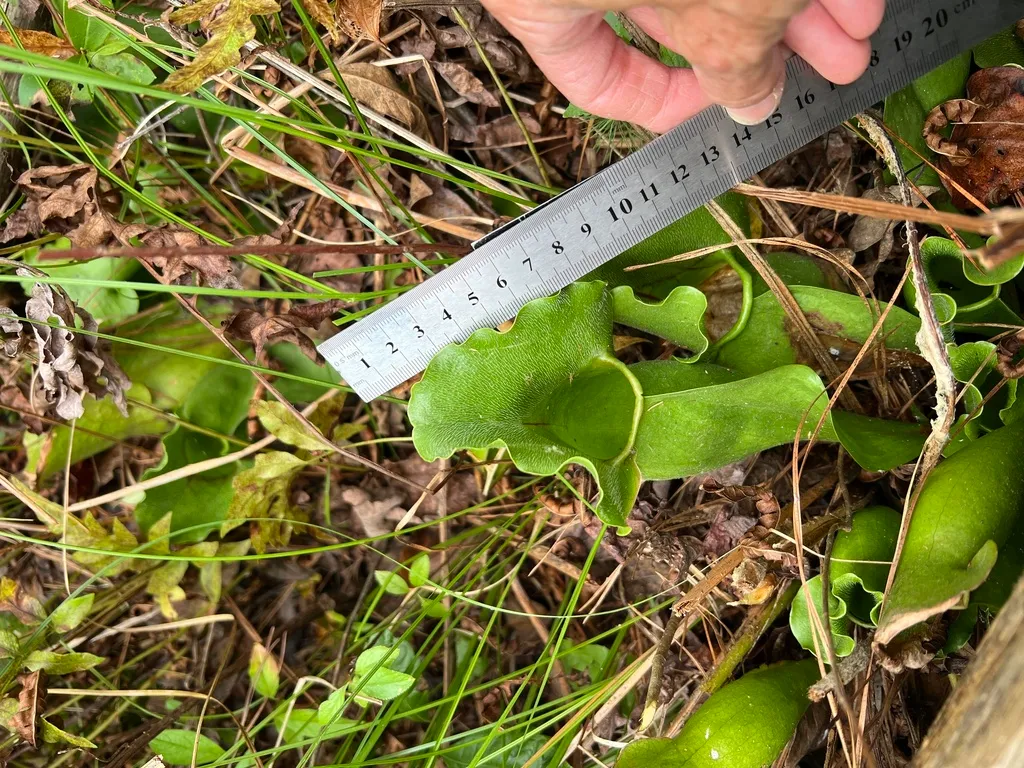
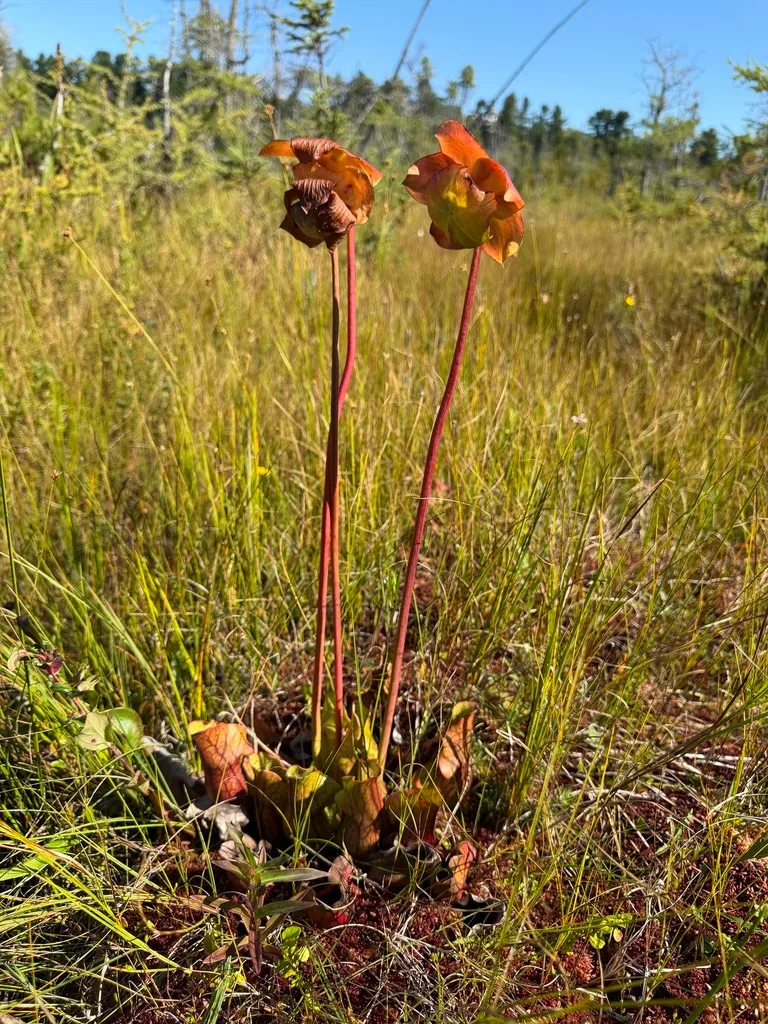
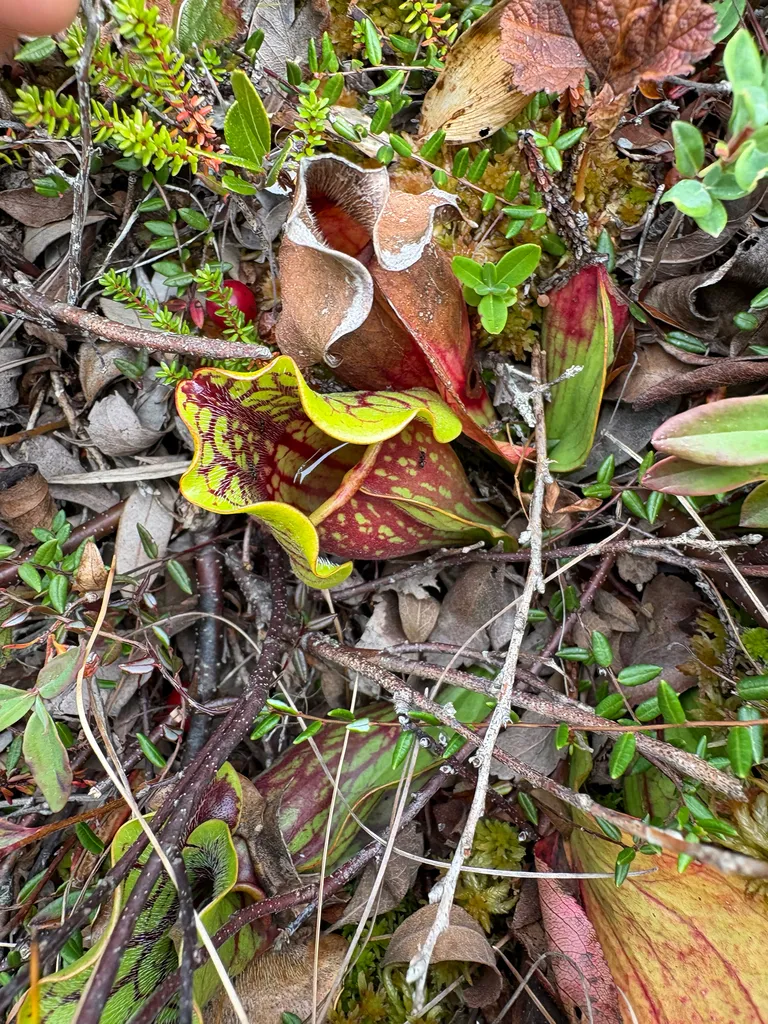
An evergreen, semi-erect, insectivorous perennial to 30cm tall. Squat, green pitchers, to around 15cm long, are flushed and veined purplish-red, have a large lip and an erect, frilled lid. Five-petalled, purple flowers, up to 5cm in diameter, are borne well above the pitchers in spring
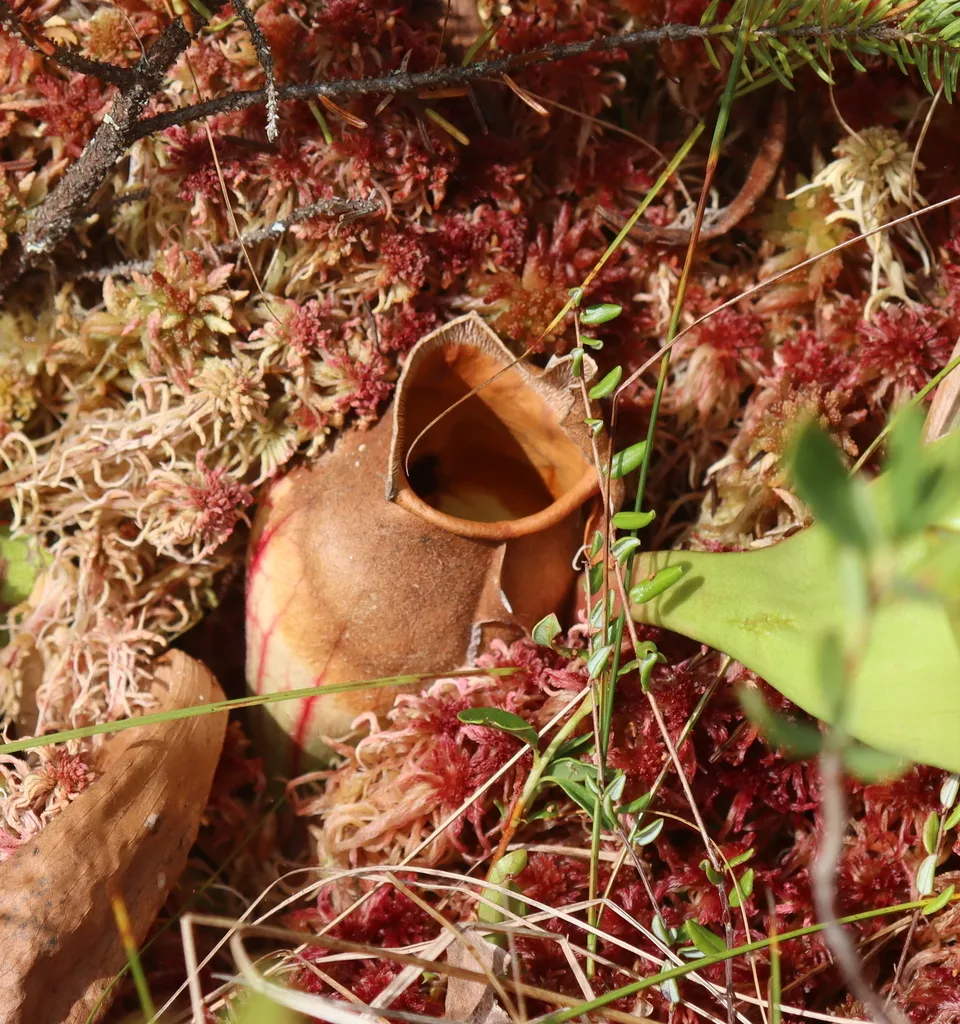
Scientific classification
- Species
- common pitcher plant (Sarracenia purpurea)
- Genus
- Sarracenia
- Family
- Sarraceniaceae
- Order
- Ericales
- Class
- Magnoliopsida
- Phylum
- Tracheophyta
- Information to be completed
- Toxicity
- Bogs · Houseplants · Conservatory Greenhouse
- Plant type
- 0.1-0.5 metres
- Height
- 0.1-0.5 metres
- Spread
- Evergreen
- Foliage
- Matforming
- Habit
- Spring · Summer · Autumn · Winter
- Season of interest
- Full sun · Partial shade
- Sunlight
- Information to be completed
- Ideal temperature









common pitcher plant pictures
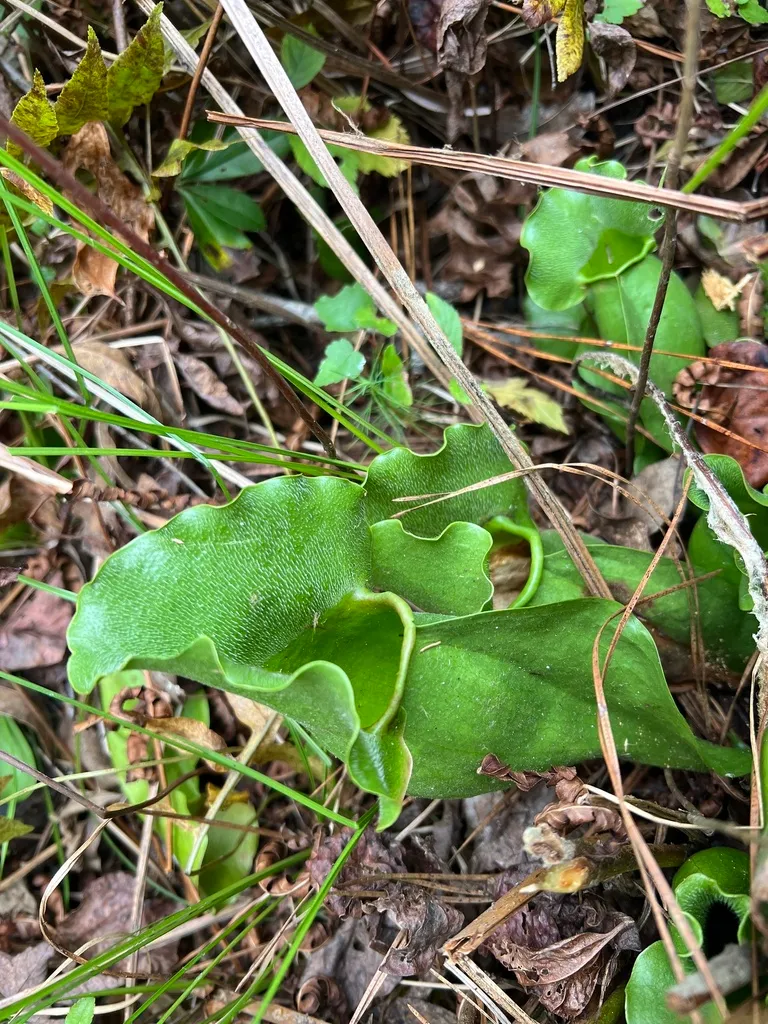
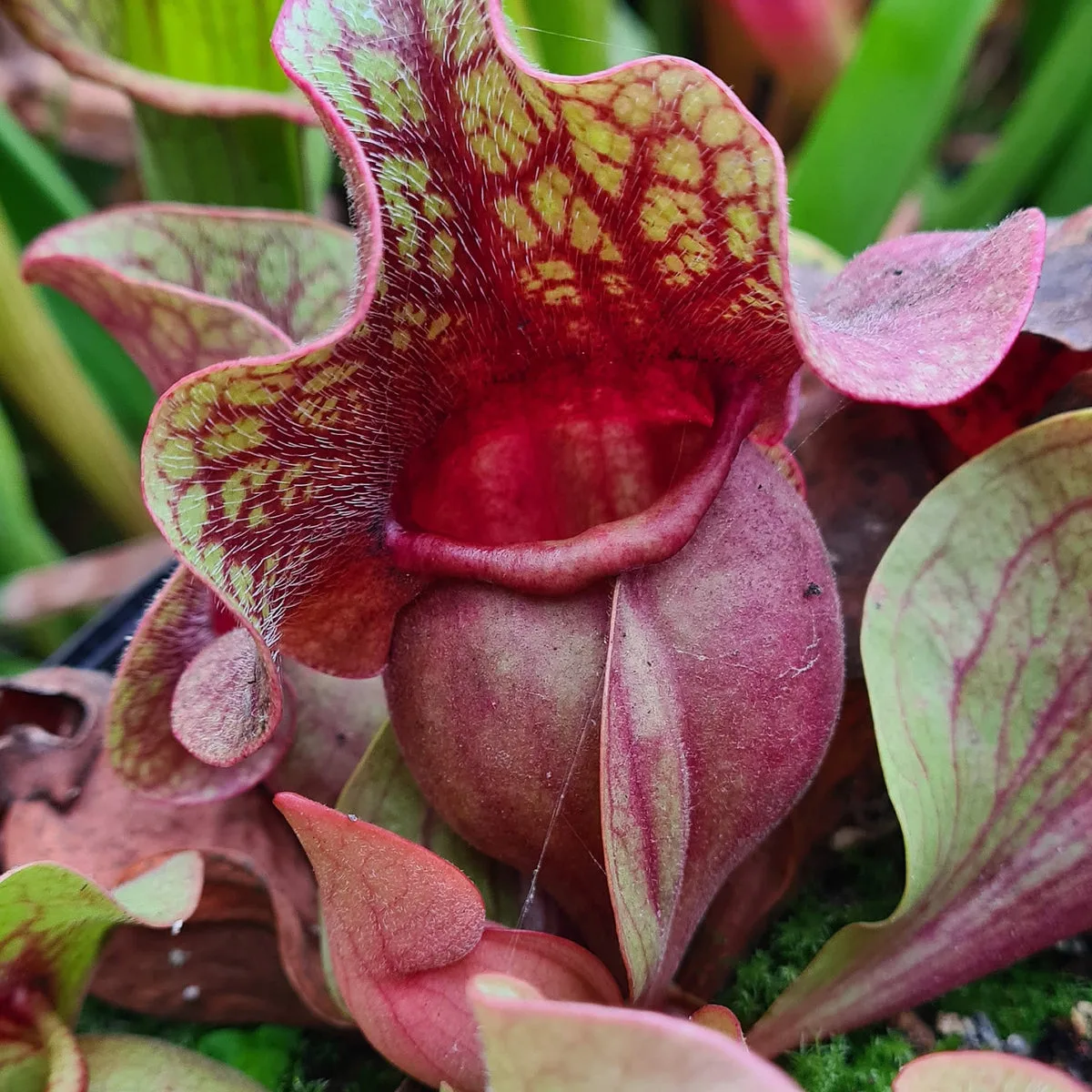
Distribution of common pitcher plant
Distribution map
- Native
- Introduced
- Cultivated
Source:WCVP v16 · Royal Botanic Gardens, Kew · CC BY 3.0 · Boundaries:WGSRPD / TDWG
common pitcher plant care guide
- Keep medium constantly wet with pure or rain water only
- Watering
- Full sun · Partial shade
- Sunlight

Watering
Keep medium constantly wet with pure or rain water only
Fertilizing
 Fertilizing
No regular fertilizer needed, avoid standard plant feeding entirely
Pruning
 Pruning
None required
Propagation
 Propagation
Propagate by seed or by division
Growing
 Growing
Keep moist in full light with shelter from hot sun. Use an acidic potting medium with moss. Irrigate with lime-free water. See carnivorous plant cultivation
Common pests and diseases
Diseases
Generally trouble free
Pests
May be attacked by scale insects, mealybugs, aphids and tortrix moth caterpillars
Explore the plant health library →




