
chard 'Fordhook Giant'
Also known as: Information to be completed
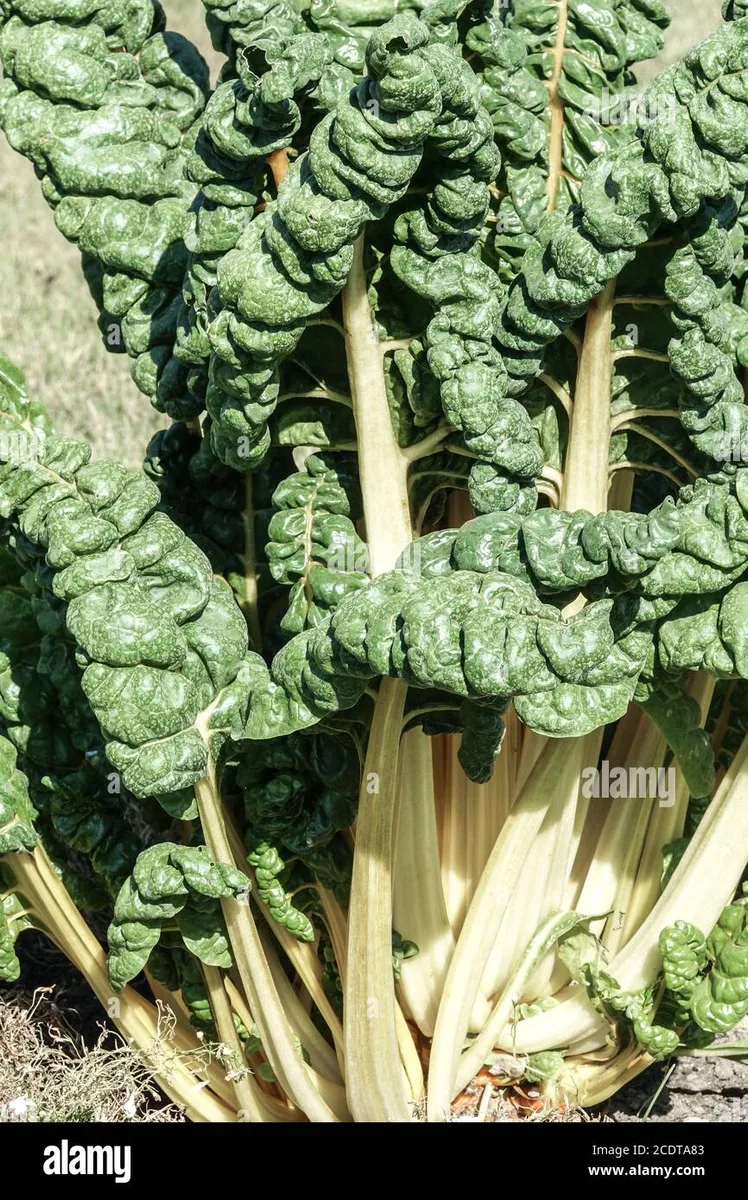
A strong, vigorous and very productive dark green and leafy swiss chard with crisp white stems and a strong, earthy flavour. If sown in July, leaves can be harvested in the winter months through until March. A heritage variety introduced in 1934
Scientific classification
- Species
- chard 'Fordhook Giant' (Beta vulgaris var. flavescens 'Fordhook Giant' [subsp. cicla])
- Genus
- Beta
- Family
- Amaranthaceae
- Order
- Caryophyllales
- Class
- Magnoliopsida
- Phylum
- Tracheophyta
- Information to be completed
- Toxicity
- Annual Biennial
- Plant type
- 0.1-0.5 metres
- Height
- 0.1-0.5 metres
- Spread
- Deciduous
- Foliage
- Clump forming
- Habit
- Summer · Autumn · Winter
- Season of interest
- Full sun · Partial shade
- Sunlight
- Information to be completed
- Ideal temperature









chard 'Fordhook Giant' pictures
chard 'Fordhook Giant' care guide
- Regular even watering to keep soil damp, avoid extreme dry or soggy mud
- Watering
- Full sun · Partial shade
- Sunlight

Watering
Regular even watering to keep soil damp, avoid extreme dry or soggy mud
Fertilizing
 Fertilizing
Balanced leaf vegetable nutrient mix biweekly growing active phase
Pruning
 Pruning
No pruning required. Remove outer leaves when large enough
Propagation
 Propagation
Propagate by seed. See sowing vegetable seeds
Growing
 Growing
Grow in fertile soil in full sun or partial shade. Add compost or well-rotted manure in the autumn and keep watered in dry conditions. See chard cultivation for further advice
Common pests and diseases
Diseases
May be susceptible to grey mould, lettuce downy mildew, mosaic virus and ring spot
Pests
May be susceptible to birds, cutworms, lettuce root maggot, root aphid, root knot eelworm and slugs and snails
Explore the plant health library →




