
Cretan arum
Also known as: Information to be completed
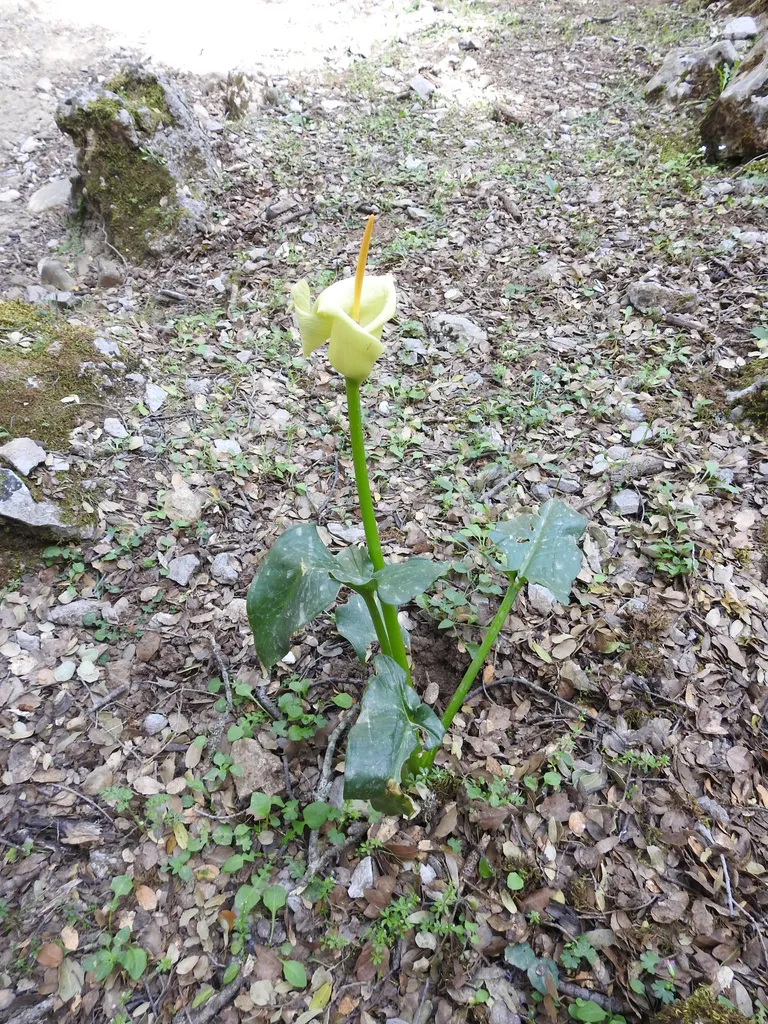
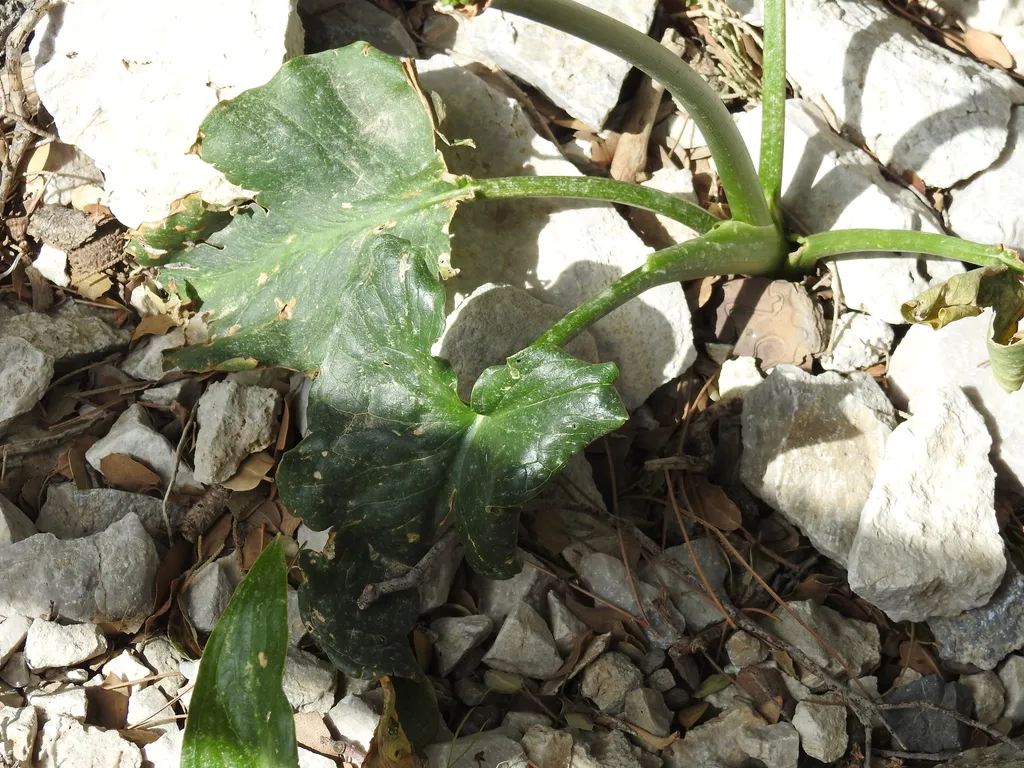
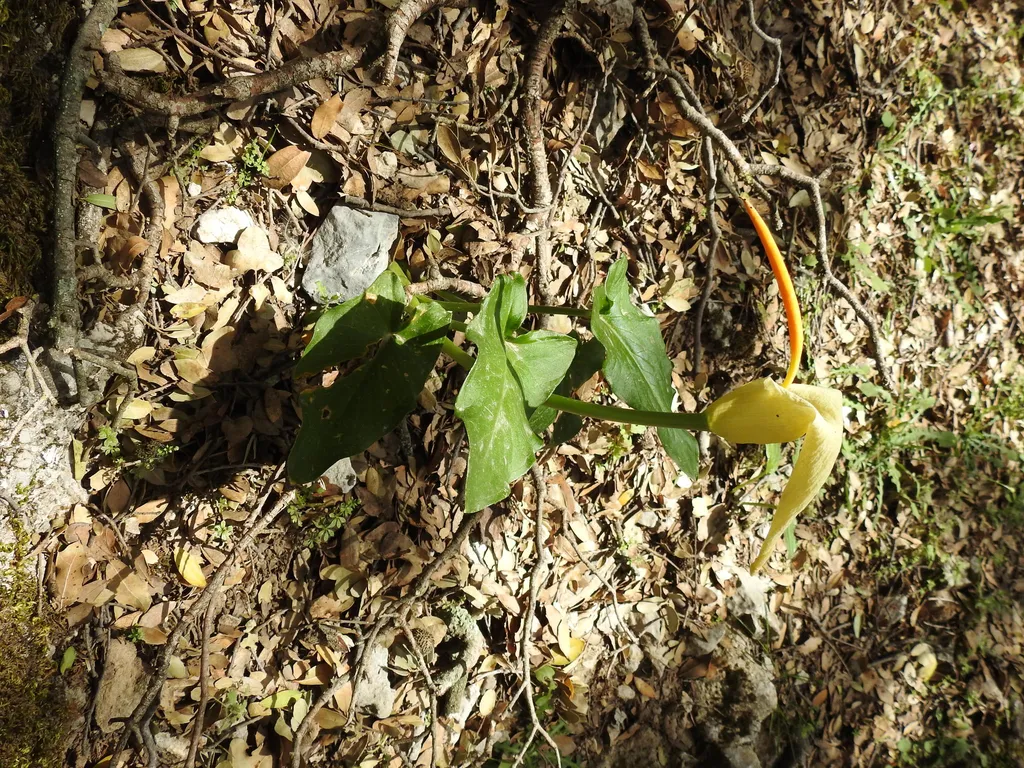
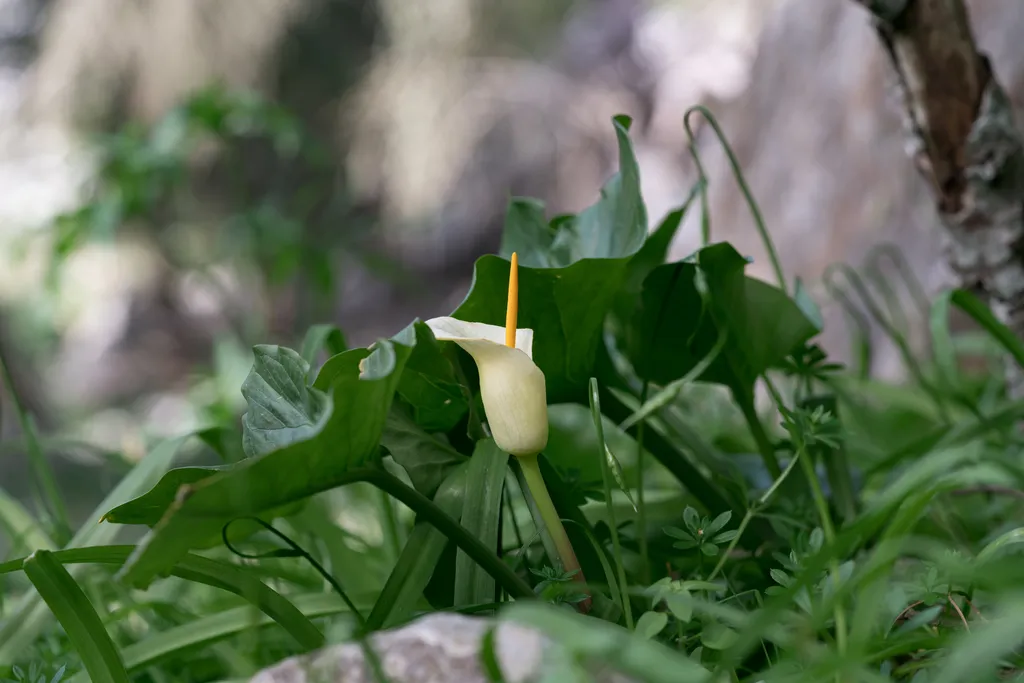
A clump-forming, tuberous perennial with arrow-shaped, dark green leaves and sturdy, erect stems bearing fragrant, creamy-white to deep yellow spathes in spring. Spathes are followed by spikes of bright orange-red fruit.
Scientific classification
- Species
- Cretan arum (Arum creticum)
- Genus
- Arum
- Family
- Araceae
- TOXIC if eaten, skin/eye irritant. Wear gloves and other protective equipment when handling]
- Toxicity
- Herbaceous Perennial
- Plant type
- 0.1-0.5 metres
- Height
- 0.1-0.5 metres
- Spread
- Semi evergreen
- Foliage
- Clump forming
- Habit
- Spring · Autumn · Winter · Summer
- Season of interest
- Partial shade · Full sun
- Sunlight
- Information to be completed
- Ideal temperature









Cretan arum pictures
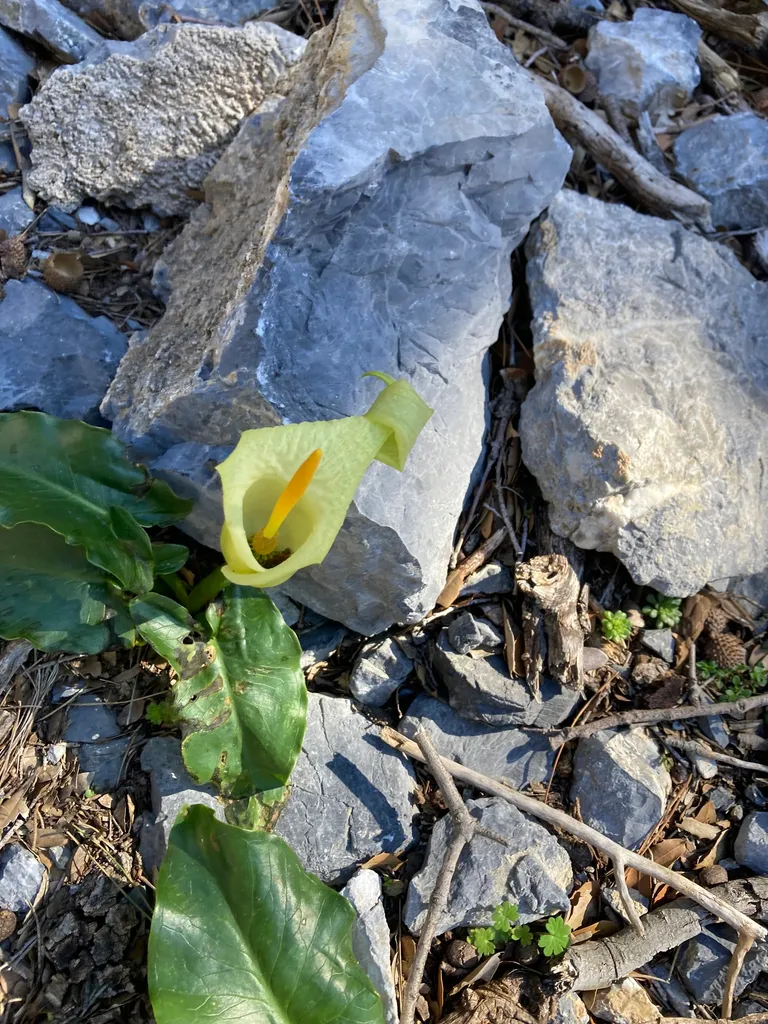
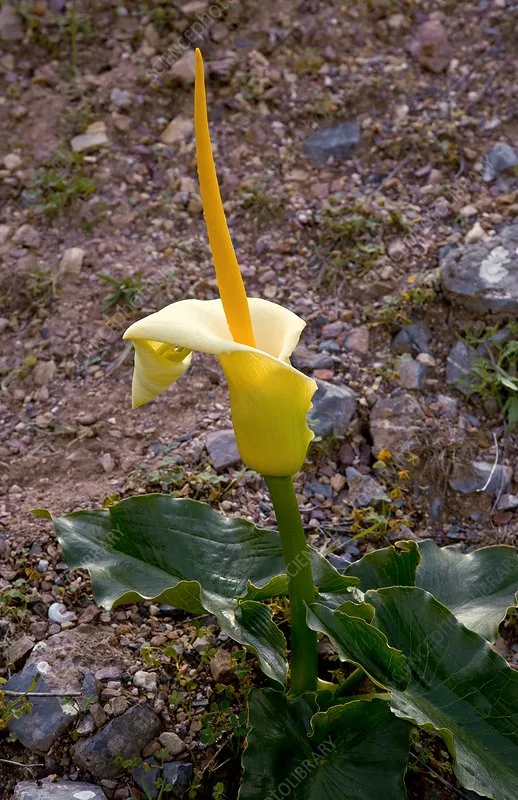
Distribution of Cretan arum
Distribution map
Crete to Southwestern Turkey
Information to be completed
Culture
Information to be completed
Toxicity
TOXIC if eaten, skin/eye irritant. Wear gloves and other protective equipment when handling]
Quick identification of Cretan arum
Information to be completed
Cretan arum care guide
- Moderate regular watering, allowing brief slight drying between soakings
- Watering
- Partial shade · Full sun
- Sunlight
- Information to be completed
- Ideal temperature

Watering
Moderate regular watering, allowing brief slight drying between soakings
Fertilizing
 Fertilizing
Balanced perennial feed every four weeks from spring through summer
Pruning
 Pruning
No pruning required
Propagation
 Propagation
Propagate by division
Growing
 Growing
Plant tubers 10-15cm deep in autumn or spring in moist but well-drained, humus-rich soil. Leaves are larger in partial shade, flowering is better in sun. New leaves emerge in autumn. Will be evergreen in warm climates, deciduous in cold climates.
People also ask
Information to be completed
Common pests and diseases
Diseases
Generally disease-free
Pests
Generally pest-free
Explore the plant health library →




