
Maire's actaea
Also known as: Information to be completed
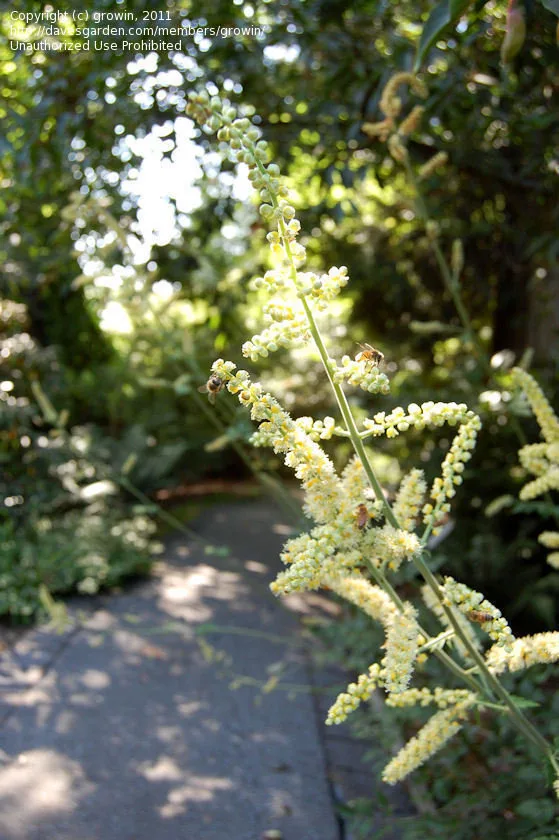
A clump-forming herbaceous perennial 1-2m high with triangular green leaves which are up to 30cm wide and 2- or 3-ternate-pinnate with diamond-shaped, usually lobed, toothed leaflets, and branched racemes, to 45cm long, of small, greenish, cream-white flowers in summer followed by grey felted capsules with brown seeds; the scent of the leaves and flowers is considered unpleasant by some
Scientific classification
- Species
- Maire's actaea (Actaea mairei)
- Genus
- Actaea
- Family
- Ranunculaceae
- Harmful if eaten. Wear gloves and other protective equipment when handling
- Toxicity
- Herbaceous Perennial
- Plant type
- 1.5-2.5 metres
- Height
- 0.5-1 metres
- Spread
- Deciduous
- Foliage
- Clump forming
- Habit
- Spring · Summer · Autumn
- Season of interest
- Partial shade
- Sunlight
- Information to be completed
- Ideal temperature









Maire's actaea pictures
Distribution of Maire's actaea
Distribution map
China
Information to be completed
Culture
Information to be completed
Toxicity
Harmful if eaten. Wear gloves and other protective equipment when handling
Quick identification of Maire's actaea
Information to be completed
Maire's actaea care guide
- Consistently cool damp soil, shield roots from harsh midday sun
- Watering
- Partial shade
- Sunlight
- Information to be completed
- Ideal temperature

Watering
Consistently cool damp soil, shield roots from harsh midday sun
Fertilizing
 Fertilizing
Mild woodland plant feed monthly spring through early autumn
Pruning
 Pruning
No pruning required
Propagation
 Propagation
Propagate by seed, sown when ripe in containers in a cold frame or in a nursery bed in autumn, or by division in early spring
Growing
 Growing
Grow in cool, moist, humus-rich, preferably neutral or slightly acidic soil in partial shade, for example in a woodland garden or shaded herbaceous or mixed bed
People also ask
Information to be completed
Common pests and diseases
Diseases
Generally disease-free
Pests
Generally pest-free
Explore the plant health library →




