
baneberry 'James Compton'
Also known as: Information to be completed
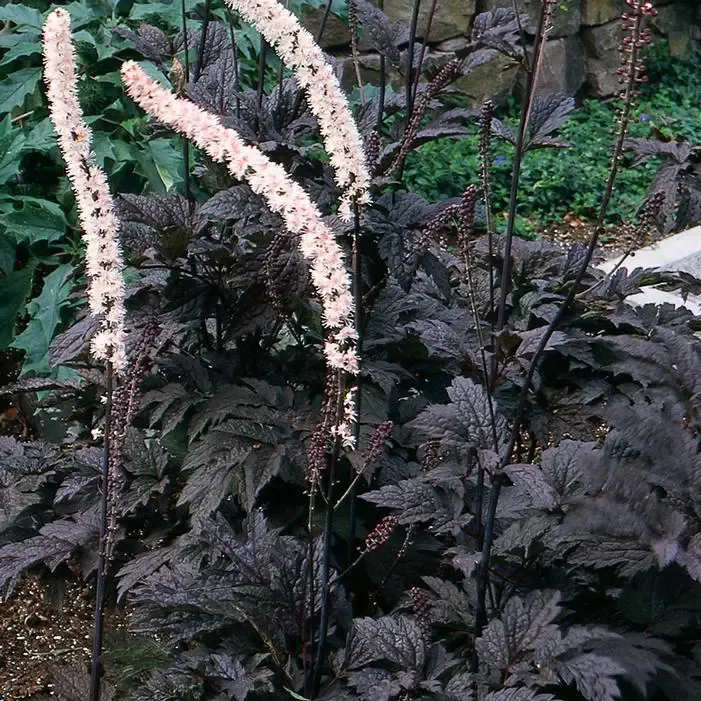
James Compton' is a tall perennial with reddish-purple stems and leaves, and narrow spires of white flowers opening in early autumn from pink buds
Scientific classification
- Species
- baneberry 'James Compton' (Actaea simplex 'James Compton')
- Genus
- Actaea
- Family
- Ranunculaceae
- Harmful if eaten. Wear gloves and other protective equipment when handling
- Toxicity
- Herbaceous Perennial
- Plant type
- 1.5-2.5 metres
- Height
- 0.5-1 metres
- Spread
- Deciduous
- Foliage
- Bushy
- Habit
- Spring · Summer · Autumn
- Season of interest
- Partial shade
- Sunlight
- Information to be completed
- Ideal temperature









baneberry 'James Compton' pictures
Distribution of baneberry 'James Compton'
Distribution map
Information to be completed
Information to be completed
Culture
Information to be completed
Toxicity
Harmful if eaten. Wear gloves and other protective equipment when handling
Quick identification of baneberry 'James Compton'
Information to be completed
baneberry 'James Compton' care guide
- Keep soil evenly moist but well-drained; water regularly during dry periods.
- Watering
- Partial shade
- Sunlight
- Information to be completed
- Ideal temperature

Watering
Keep soil evenly moist but well-drained; water regularly during dry periods.
Fertilizing
 Fertilizing
Apply a balanced fertilizer monthly during the growing season.
Pruning
 Pruning
Cut back after flowering or fruiting
Propagation
 Propagation
Propagate by seed sown in pots in a cold frame in autumn or by division in early spring
Growing
 Growing
Grow in cool, moist, moderately fertile soil, enriched with organic matter. Water thoroughly in dry weather.
People also ask
Information to be completed
Common pests and diseases
Diseases
Generally disease-free
Pests
Generally pest-free
Explore the plant health library →




