
spoon-leaved saxifrage
Also known as: Information to be completed
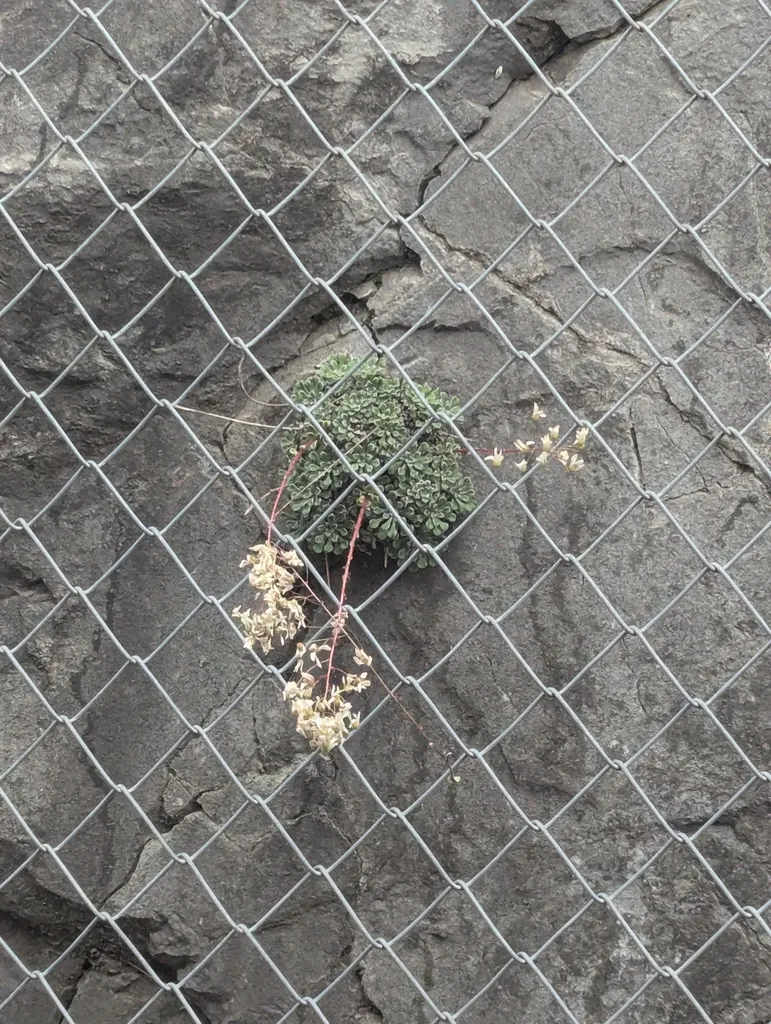
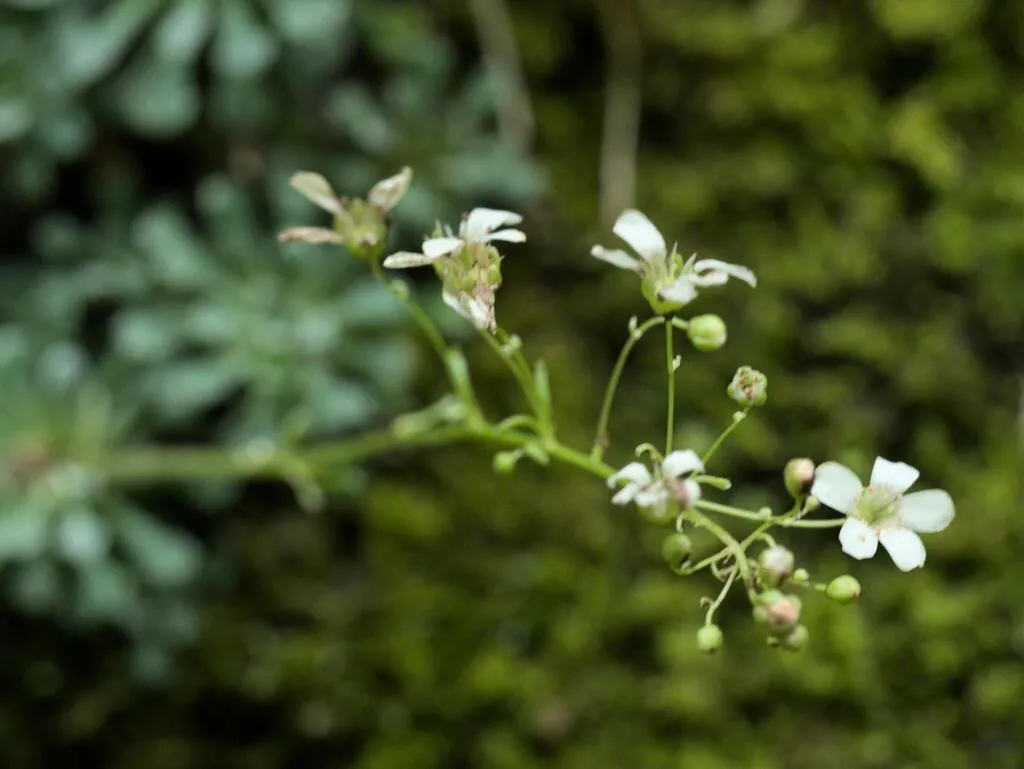
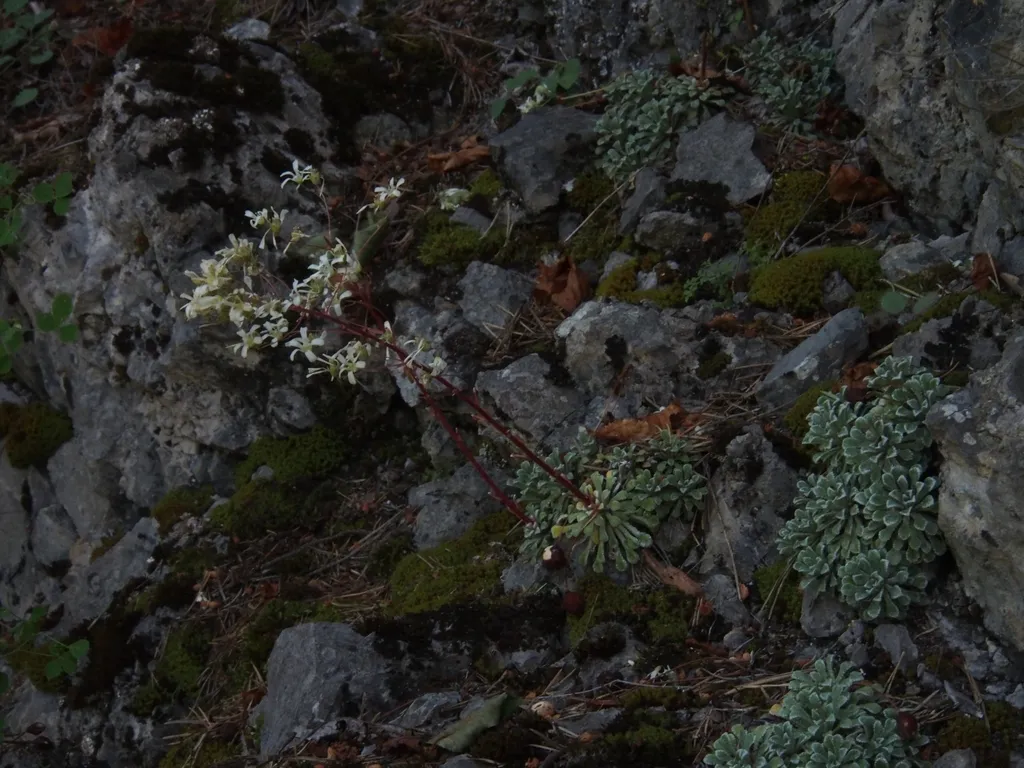
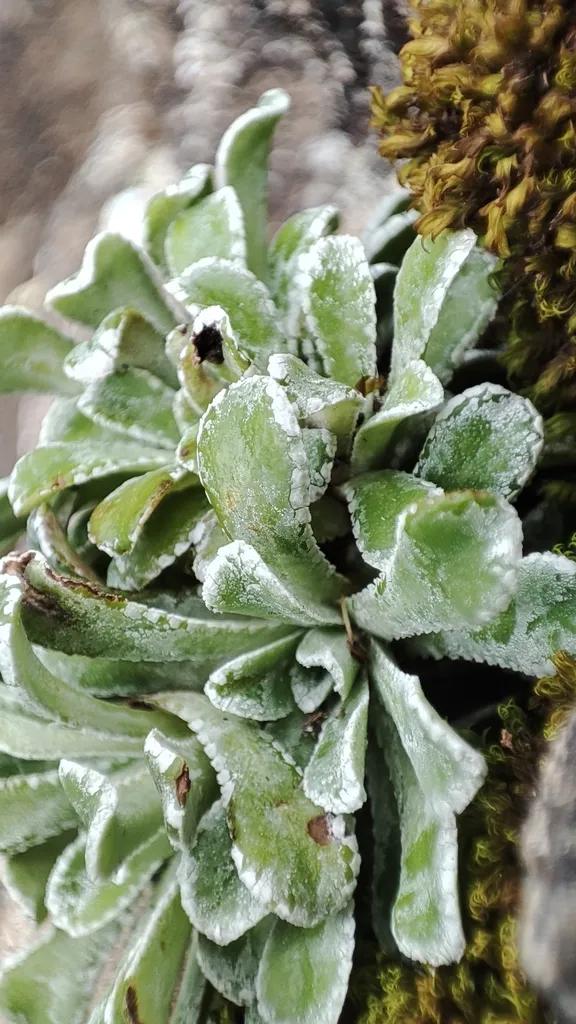
S. cochlearis is a dense, cushion-forming, evergreen alpine, with compact rosettes of spoon-shaped leaves with lime-encrusted edges. In early summer it produces upright, 20cm tall sprays of up to 60 white flowers, sometimes with tiny pink spots
Scientific classification
- Species
- spoon-leaved saxifrage (Saxifraga cochlearis)
- Genus
- Saxifraga
- Family
- Saxifragaceae
- Information to be completed
- Toxicity
- Alpine Rockery
- Plant type
- 0.1-0.5 metres
- Height
- 0.1-0.5 metres
- Spread
- Evergreen
- Foliage
- Clump forming
- Habit
- Spring · Summer · Autumn · Winter
- Season of interest
- Full sun · Partial shade
- Sunlight
- Information to be completed
- Ideal temperature









spoon-leaved saxifrage pictures
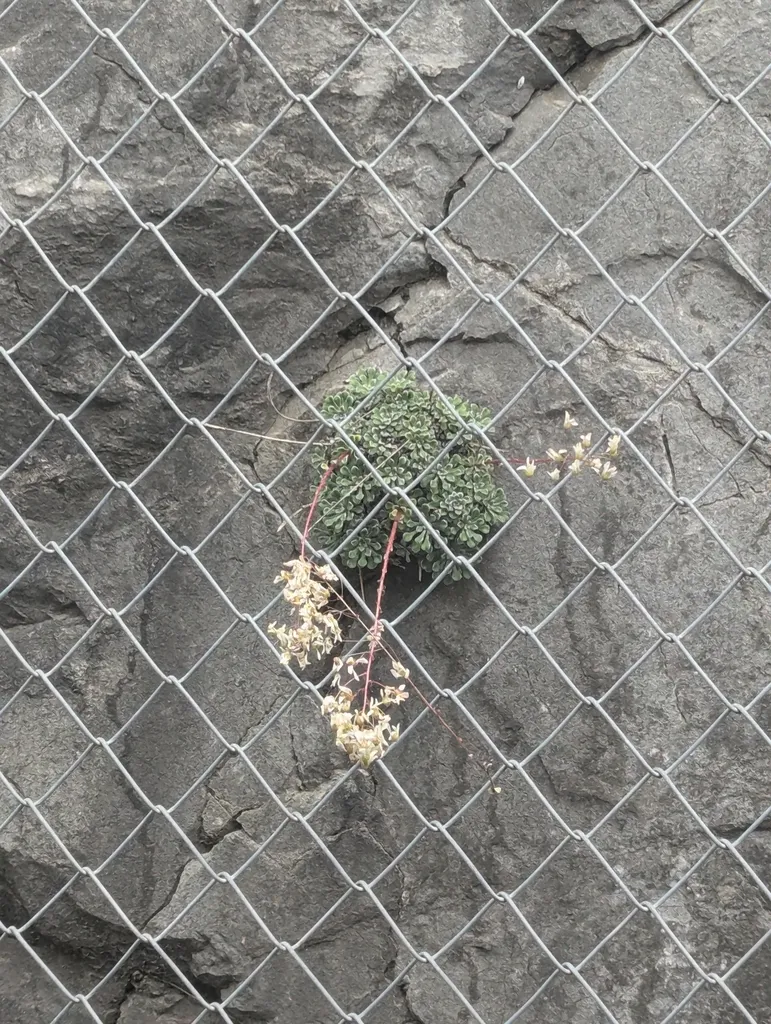
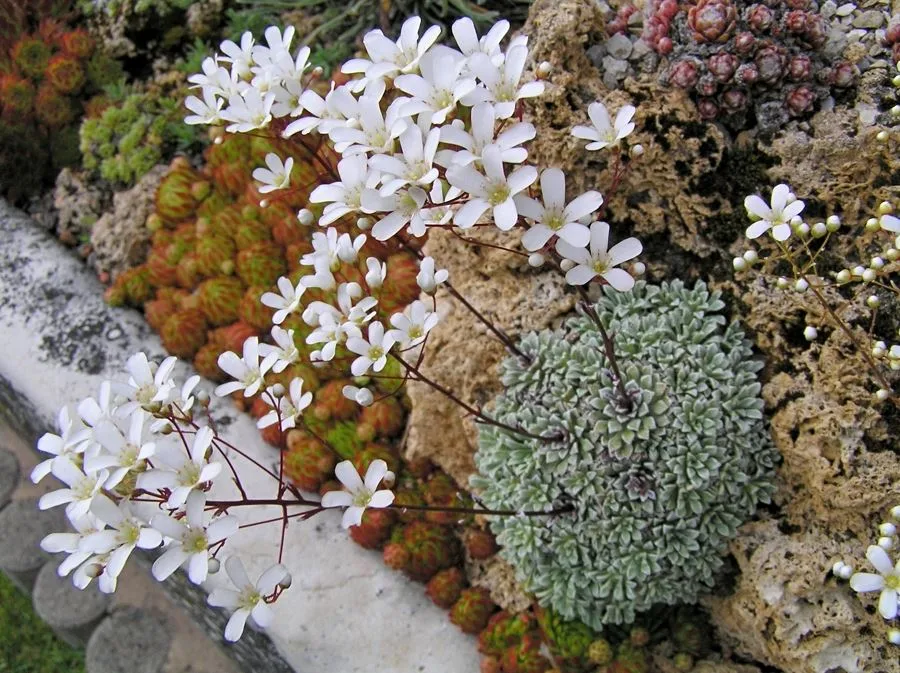
Distribution of spoon-leaved saxifrage
Distribution map
- Native
- Introduced
- Cultivated
Source:WCVP v16 · Royal Botanic Gardens, Kew · CC BY 3.0 · Boundaries:WGSRPD / TDWG
Culture
Information to be completed
Toxicity
Information to be completed
Quick identification of spoon-leaved saxifrage
Information to be completed
spoon-leaved saxifrage care guide
- Keep compost lightly moist with cool sharp drainage
- Watering
- Full sun · Partial shade
- Sunlight
- Information to be completed
- Ideal temperature

Watering
Keep compost lightly moist with cool sharp drainage
Fertilizing
 Fertilizing
Very light alpine feed in spring
Pruning
 Pruning
No pruning required
Propagation
 Propagation
Propagate by detaching rosettes and rooting as cuttings in late spring or early summer
Growing
 Growing
Grow in moderately fertile, very well-drained, neutral to alkaline soil; keep roots moist. Tolerant of full sun in cool areas but protect from leaf scorch in warm areas
People also ask
Information to be completed
Common pests and diseases
Diseases
Generally disease free
Pests
Aphids, slugs, vine weevil and glasshouse red spider mite may be a problem
Explore the plant health library →




