
Italian arum
Also known as: Information to be completed
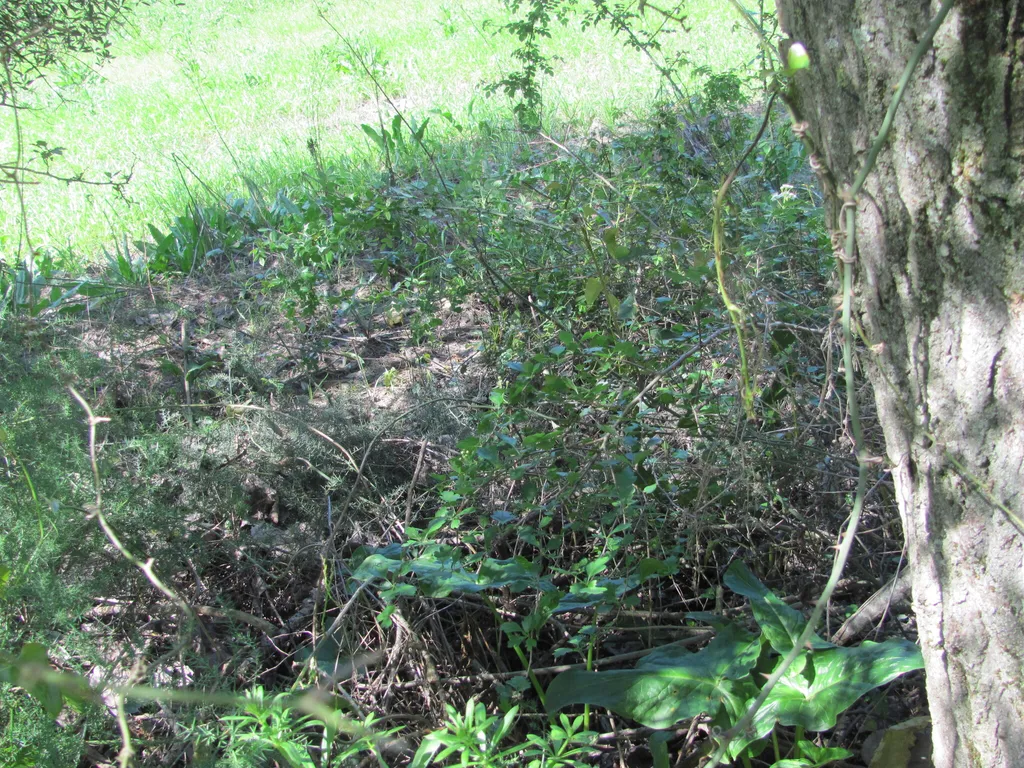
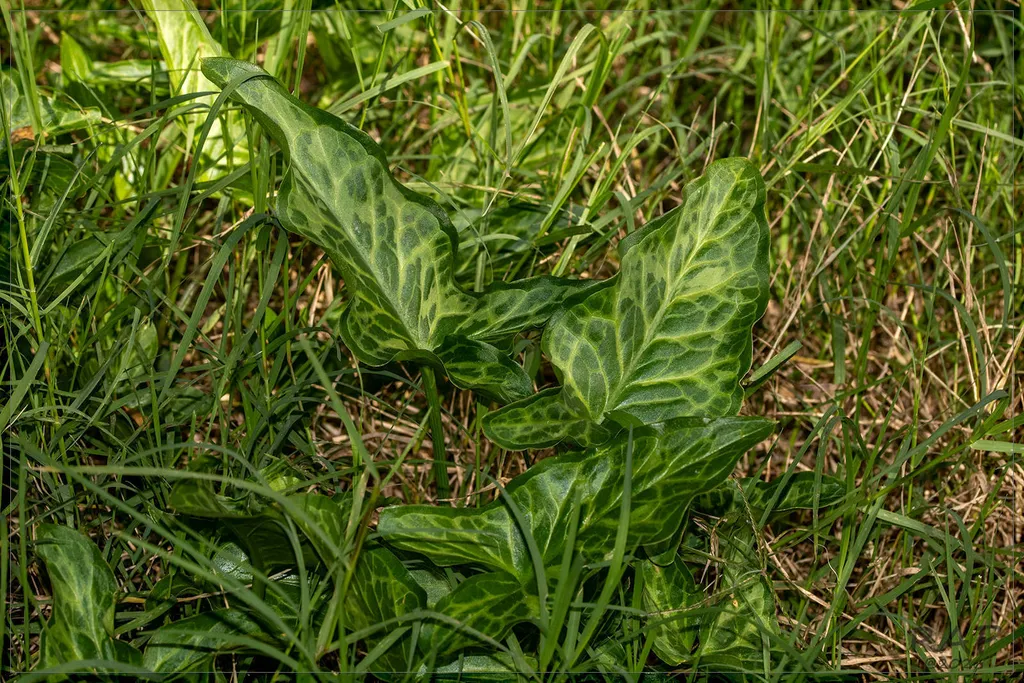
In its 'wild' form is more modest than the commonly grown 'Marmoratum' but has pleasantly glossy green leaves with a tracery of paler veins
Scientific classification
- Species
- Italian arum (Arum italicum)
- Genus
- Arum
- Family
- Araceae
- TOXIC if eaten, skin/eye irritant. Wear gloves and other protective equipment when handling]
- Toxicity
- Bulbs
- Plant type
- 0.1-0.5 metres
- Height
- 0.1-0.5 metres
- Spread
- Deciduous
- Foliage
- Columnar upright
- Habit
- Spring · Autumn · Winter
- Season of interest
- Full sun · Partial shade
- Sunlight
- Information to be completed
- Ideal temperature









Italian arum pictures
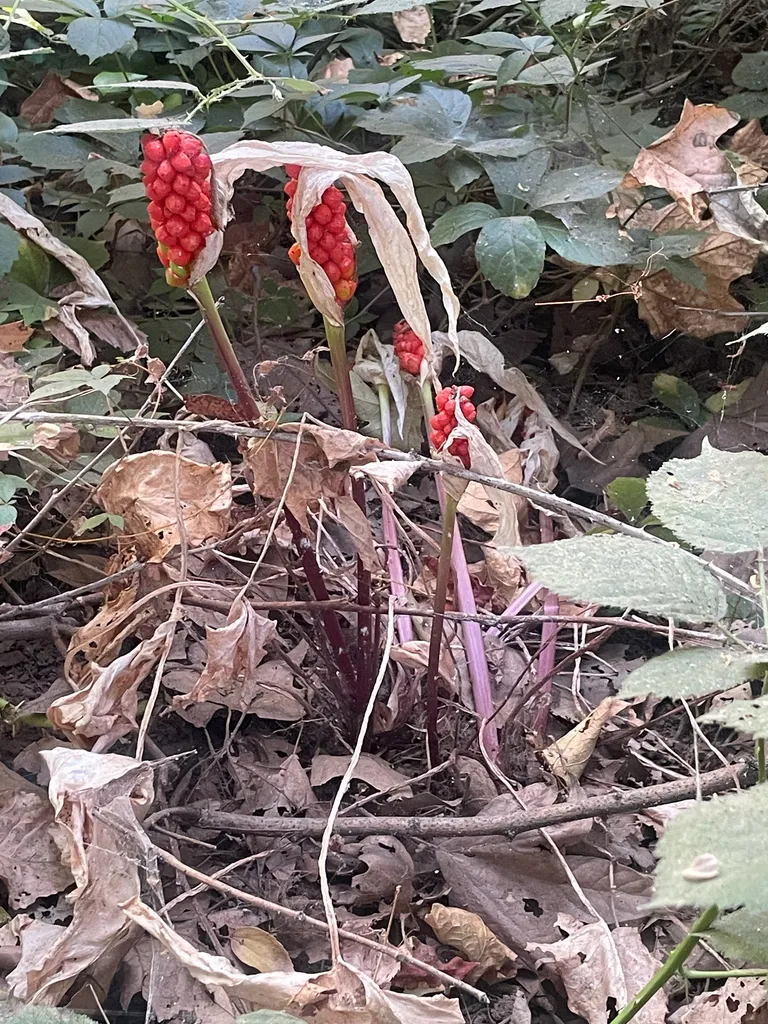
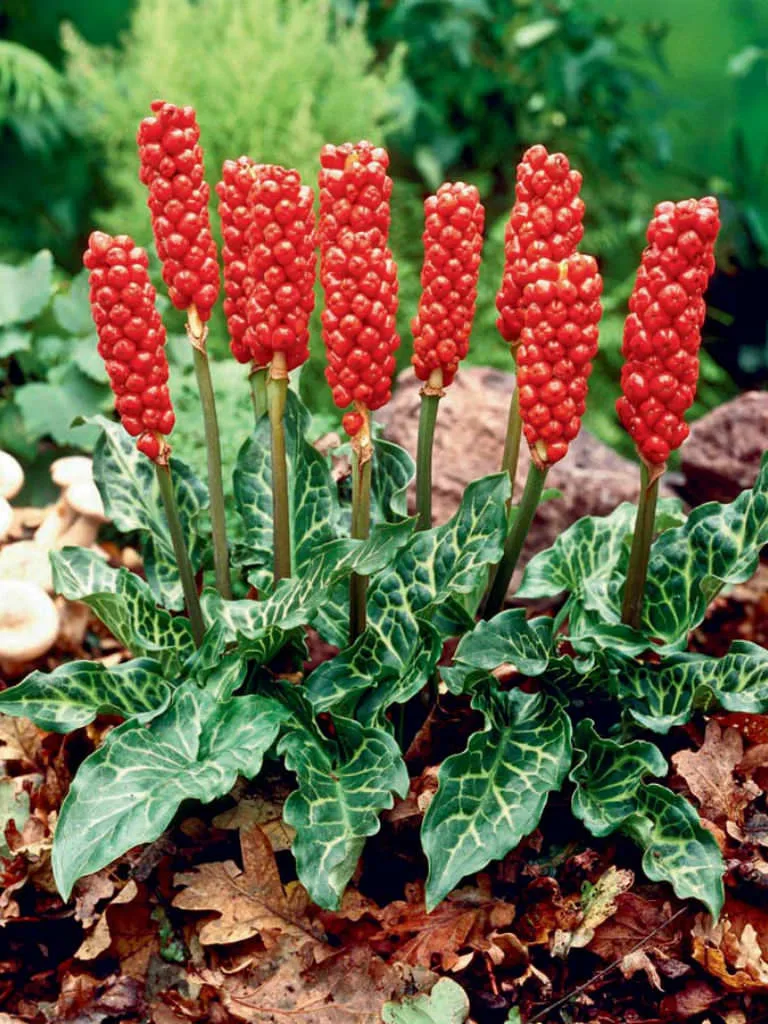
Distribution of Italian arum
Distribution map
- Native
- Introduced
- Cultivated
Source:WCVP v16 · Royal Botanic Gardens, Kew · CC BY 3.0 · Boundaries:WGSRPD / TDWG
Culture
Information to be completed
Toxicity
TOXIC if eaten, skin/eye irritant. Wear gloves and other protective equipment when handling]
Quick identification of Italian arum
Information to be completed
Italian arum care guide
- Moist soil in growing season, cut back water when foliage dies down
- Watering
- Full sun · Partial shade
- Sunlight
- Information to be completed
- Ideal temperature

Watering
Moist soil in growing season, cut back water when foliage dies down
Fertilizing
 Fertilizing
Balanced dilute feed once monthly while new leaves are unfurling
Pruning
 Pruning
No pruning required
Propagation
 Propagation
Division of clumps of tubers should take place after flowering. Alternatively, propagate by seed sown in autumn having removed the fleshy pulp
Growing
 Growing
Grow in moist but well-drained humus-rich soil and plant 10 to 15cm deep. Has the potential to become a nuisance if not managed well
People also ask
Information to be completed
Common pests and diseases
Diseases
Generally disease-free
Pests
Generally pest-free
Explore the plant health library →




