
lords-and-ladies
Also known as: Aaron; Adam and Eve; adder's meat; adder's root; arrowroot; bloody man's finger; bobbin' Joan; bobbing Jane; bobbins; boys and girls; brown dragons; bulls and cows; calf's foot; cobbler's thumb; cocky baby; cuckoo pint; devil's ladies and gentlemen; devil's men and women; English passion flower; friar's cowl; Gethsemane; jack-in-a-box; jack-in-the-pulpit; Kitty-come-down-the-lane; lamb in a pulpit; lily grass; mandrake; naked ladies; nightingales; parson and clerk; parson in the pulpit; Portland arrowroot; Portland sago plant; Portland starchroot; priest's pintle; rampe; snake's victuals; starch flower; starch plant; wake-robin
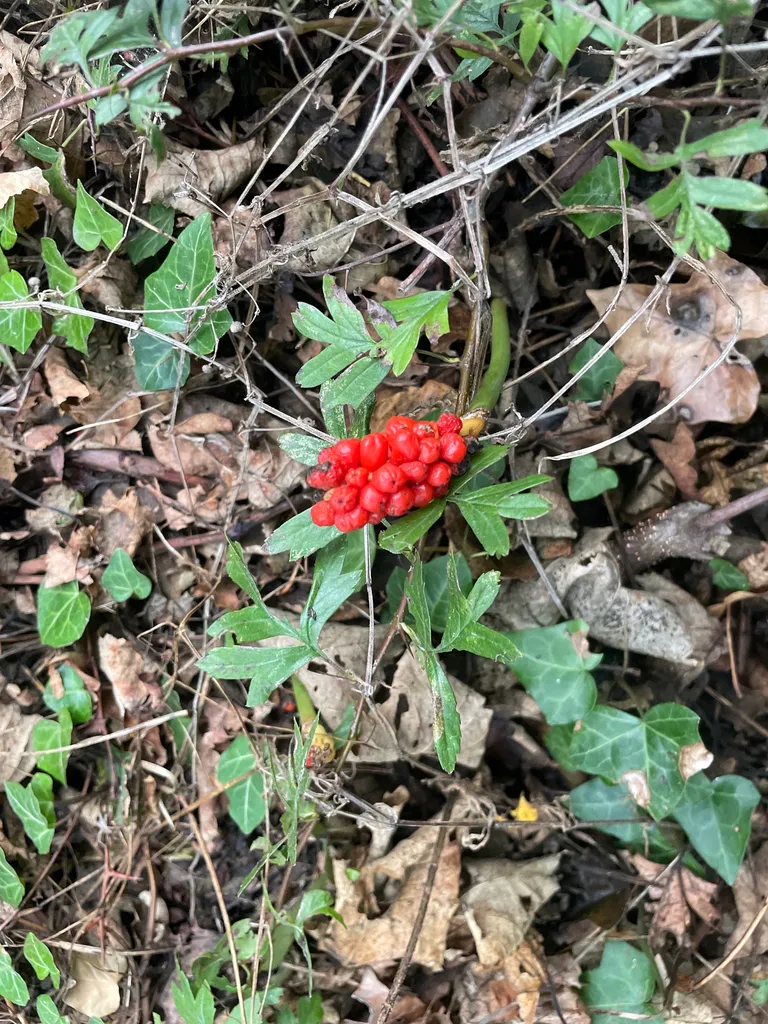
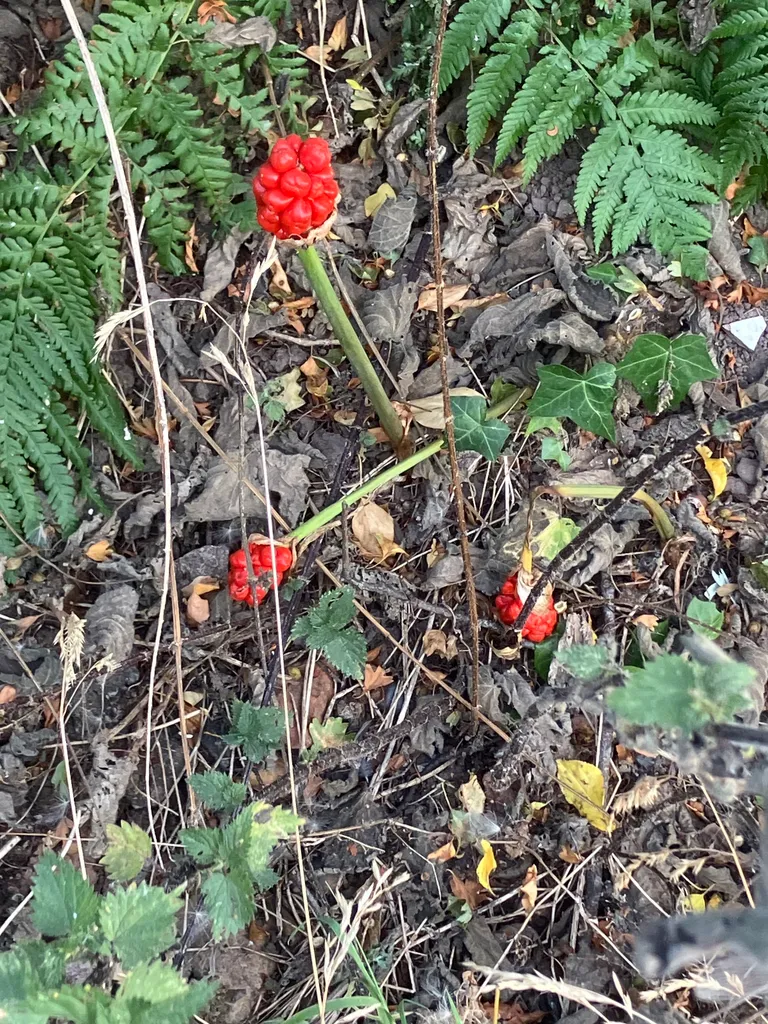
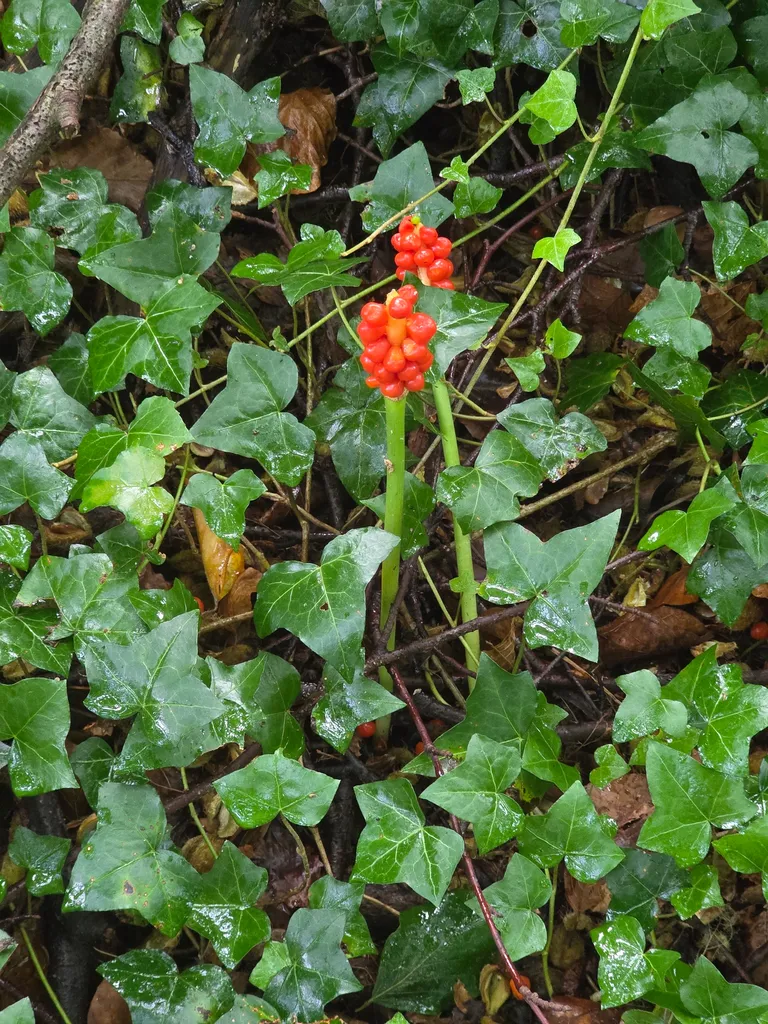
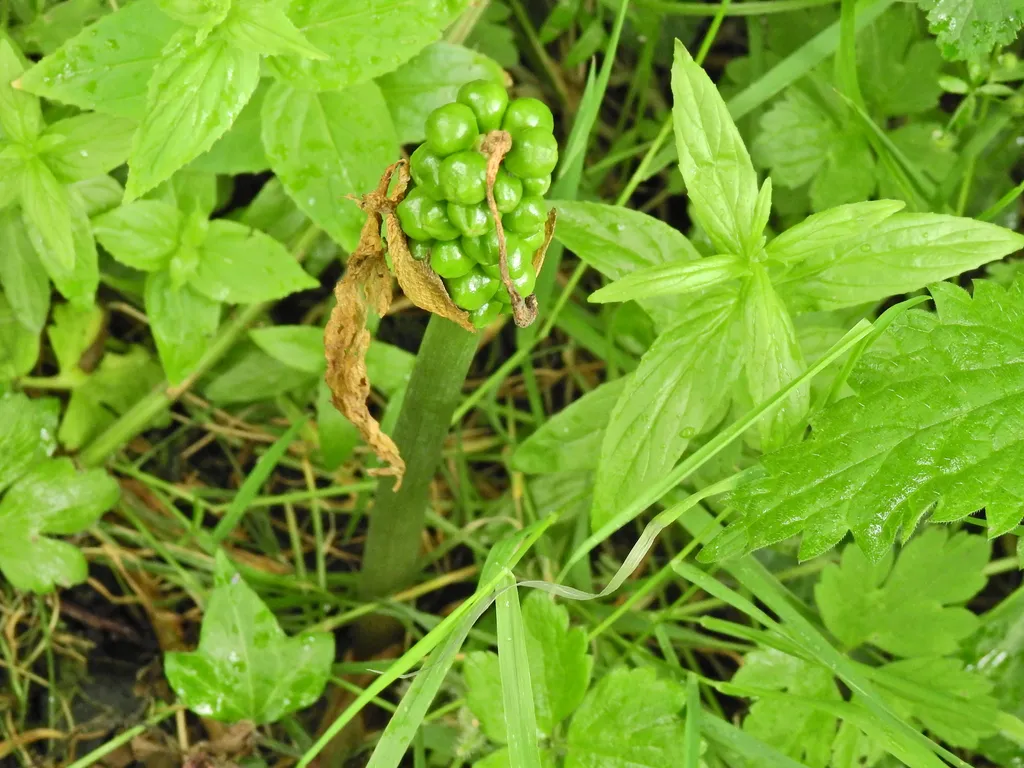
A compact tuberous perennial to about 45cm with arrow-shaped shiny green leaves often with black spots. Variable pale green to purple flushed spathes appear in late spring, followed by spikes bearing orange-red berries in the autumn. Foliage dies down by midsummer
Scientific classification
- Species
- lords-and-ladies (Arum maculatum)
- Genus
- Arum
- Family
- Araceae
- TOXIC if eaten, skin/eye irritant. Wear gloves and other protective equipment when handling]
- Toxicity
- Herbaceous Perennial
- Plant type
- 0.1-0.5 metres
- Height
- 0.1-0.5 metres
- Spread
- Deciduous
- Foliage
- Columnar upright
- Habit
- Spring · Summer · Autumn
- Season of interest
- Full shade · Partial shade
- Sunlight
- Information to be completed
- Ideal temperature









lords-and-ladies pictures
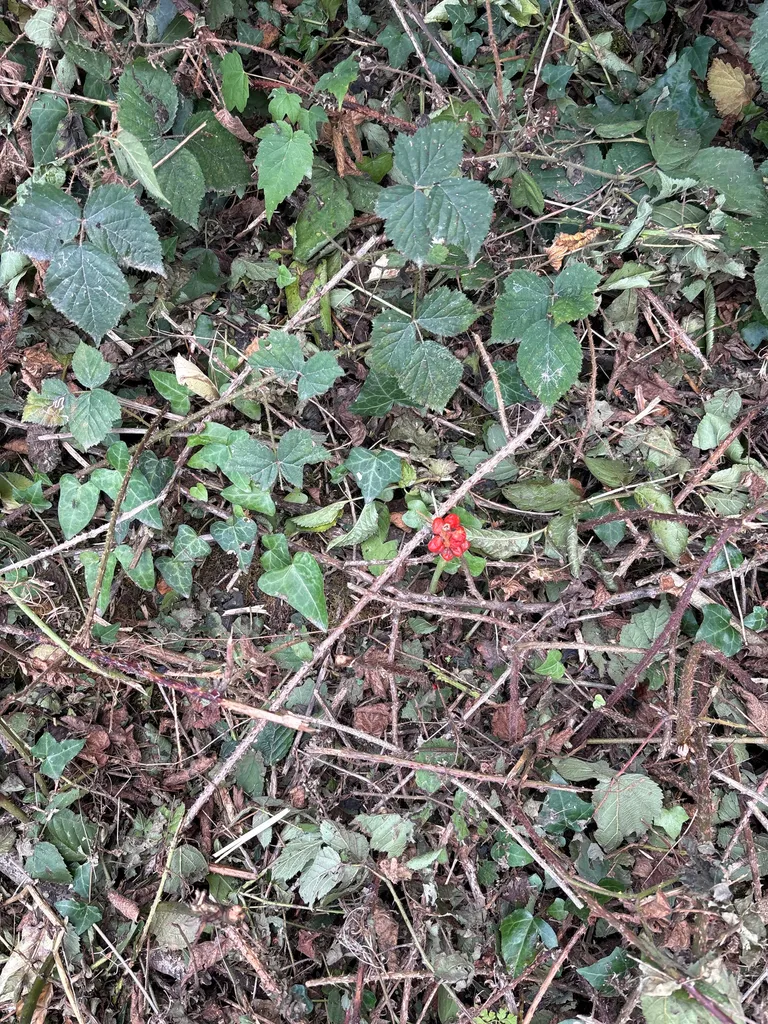
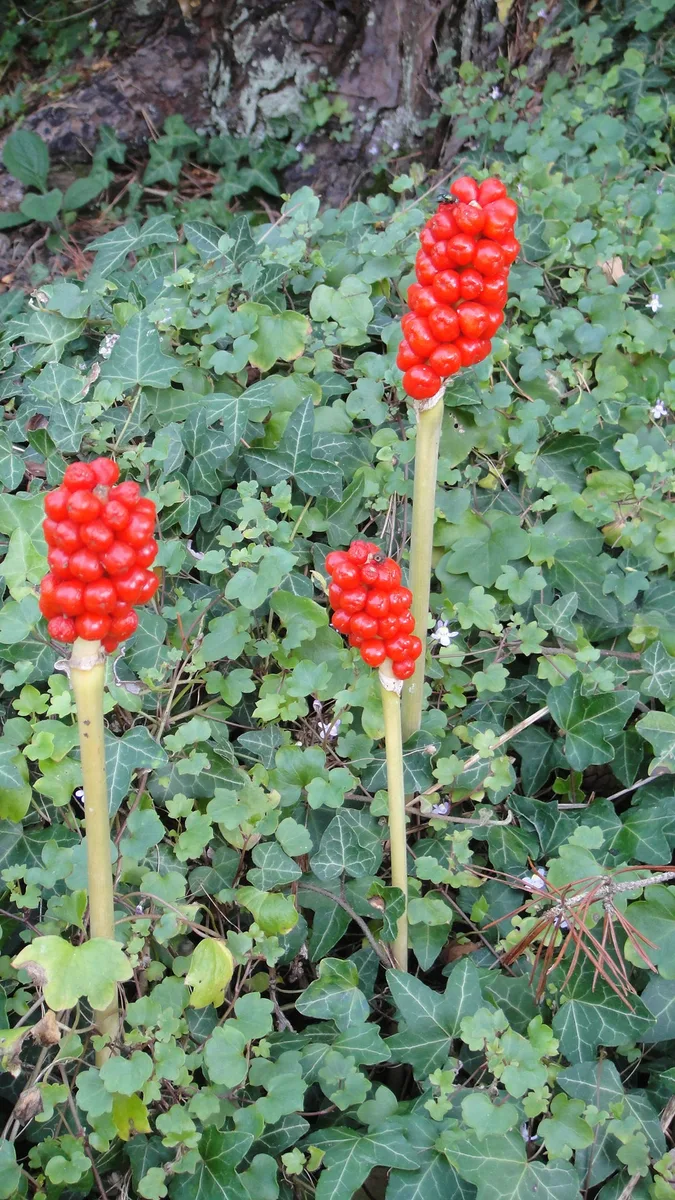
Distribution of lords-and-ladies
Distribution map
Europe
Information to be completed
Culture
Information to be completed
Toxicity
TOXIC if eaten, skin/eye irritant. Wear gloves and other protective equipment when handling]
Quick identification of lords-and-ladies
Information to be completed
lords-and-ladies care guide
- Moderate regular watering, allowing brief slight drying between soakings
- Watering
- Full shade · Partial shade
- Sunlight
- Information to be completed
- Ideal temperature

Watering
Moderate regular watering, allowing brief slight drying between soakings
Fertilizing
 Fertilizing
Balanced perennial feed every four weeks from spring through summer
Pruning
 Pruning
No pruning required
Propagation
 Propagation
Propagate by division of tubers when dormant after flowering. Propagate by seed, sow seeds as soon as ripe in the autumn having removed the fleshy pulp, use gloves
Growing
 Growing
Grow in moist but well-drained humus-rich soil and plant 10 to 15cm deep in light shade. Self-seeding may be a problem
People also ask
Information to be completed
Common pests and diseases
Diseases
Generally disease-free
Pests
Generally pest-free
Explore the plant health library →




