
canna 'Ambassadour'
Also known as: Information to be completed
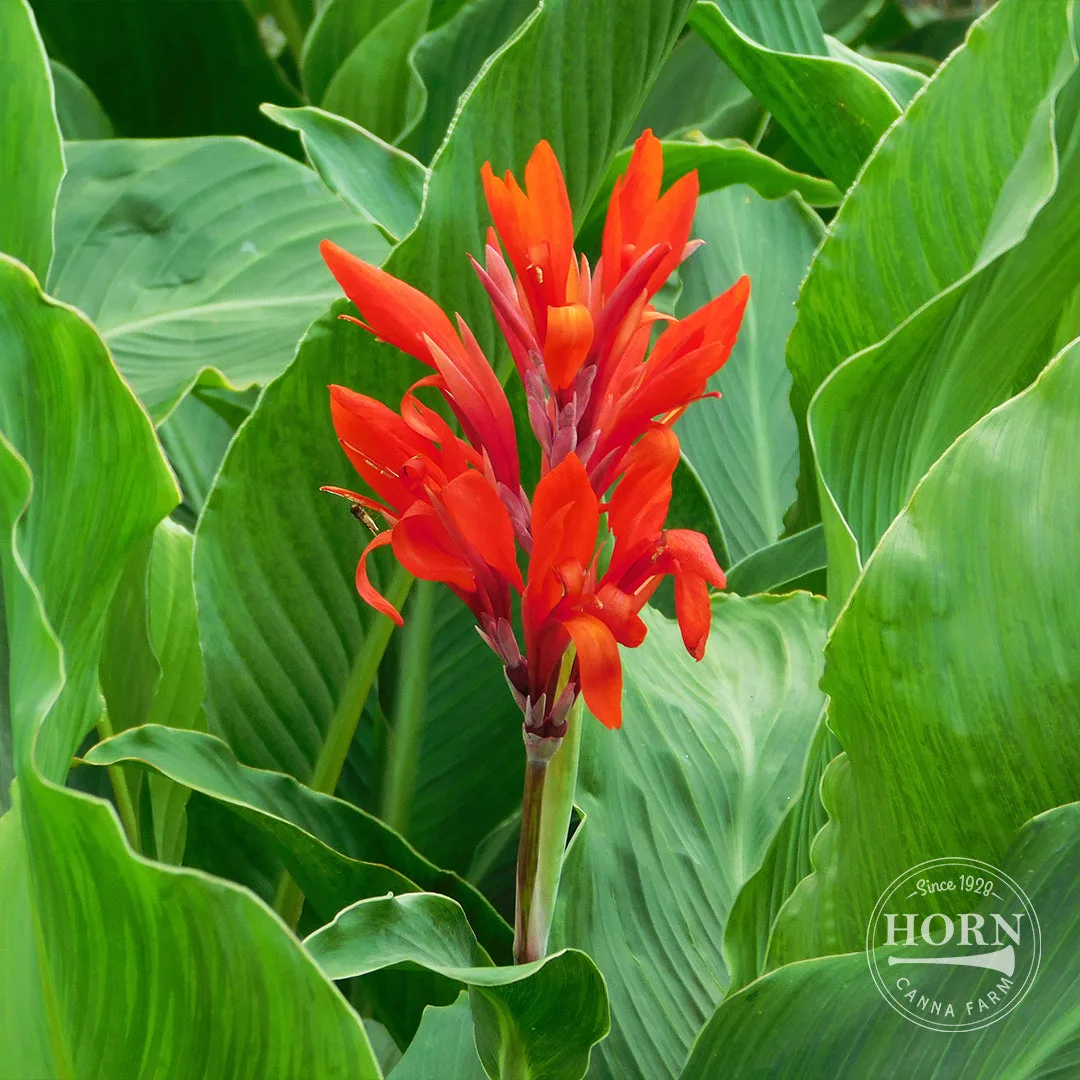
An erect, clump-forming perennial to 1.8m with large, slightly greyish, mid-green leaves. Creamy-white flowers, the lower petals and throat initially with orange to pale pink markings, then becoming pure ivory, are produced from mid-summer to mid-autumn
Scientific classification
- Species
- canna 'Ambassadour' (Canna 'Ambassadour')
- Genus
- Canna
- Family
- Cannaceae
- Order
- Zingiberales
- Class
- Liliopsida
- Phylum
- Magnoliophyta
- Information to be completed
- Toxicity
- Conservatory Greenhouse · Herbaceous Perennial
- Plant type
- 1.5-2.5 metres
- Height
- 0.1-0.5 metres
- Spread
- Deciduous
- Foliage
- Clump forming
- Habit
- Spring · Summer · Autumn
- Season of interest
- Full sun
- Sunlight
- Information to be completed
- Ideal temperature









canna 'Ambassadour' pictures
canna 'Ambassadour' care guide
- Keep moisture even through flowering and fruiting, avoiding hard dry swings
- Watering
- Full sun
- Sunlight

Watering
Keep moisture even through flowering and fruiting, avoiding hard dry swings
Fertilizing
 Fertilizing
Tomato or pepper feed every one to two weeks in fruiting season
Pruning
 Pruning
Remove dead flowers individually to promote continued flowering. Leave to die back in autumn
Propagation
 Propagation
Propagate by division in early spring
Growing
 Growing
Outdoors grow in a sheltered site in fertile soil in full sun, planting in early summer once frosts have passed. Water freely in dry weather and apply a high potassium fertiliser monthly. Lift the rhizomes in autumn when frost blackens the foliage. Store over winter in barely moist peat-free potting mix or leaf mould in frost-free conditions. In mild areas leave in the ground but cover with a dry mulch. See canna cultivation
Common pests and diseases
Diseases
May be susceptible to canna viruses
Pests
Glasshouse red spider mite, slugs and caterpillars may be troublesome
Explore the plant health library →




