
purple mountain saxifrage
Also known as: purple saxifrage; purple-flowered saxifrage
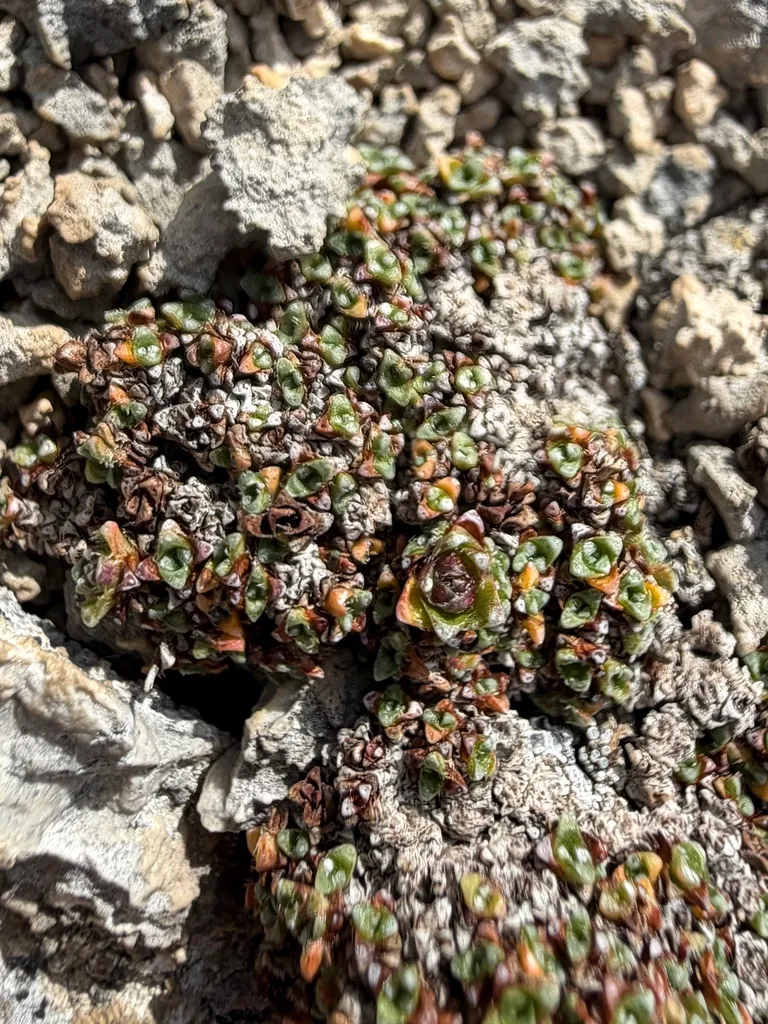
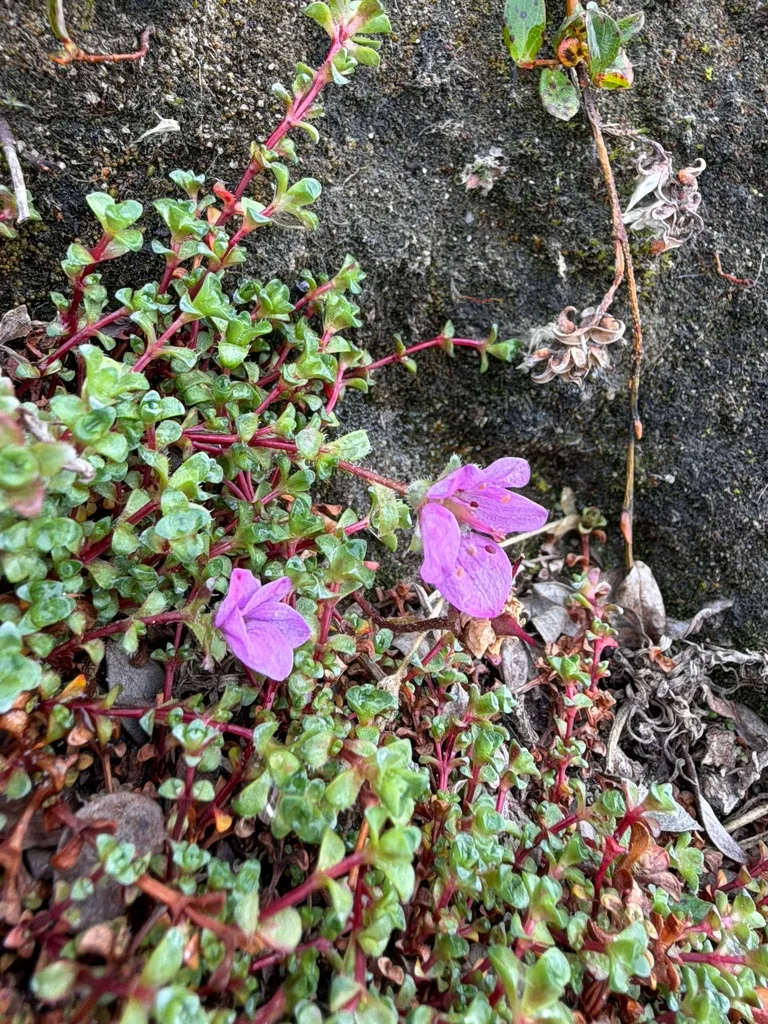
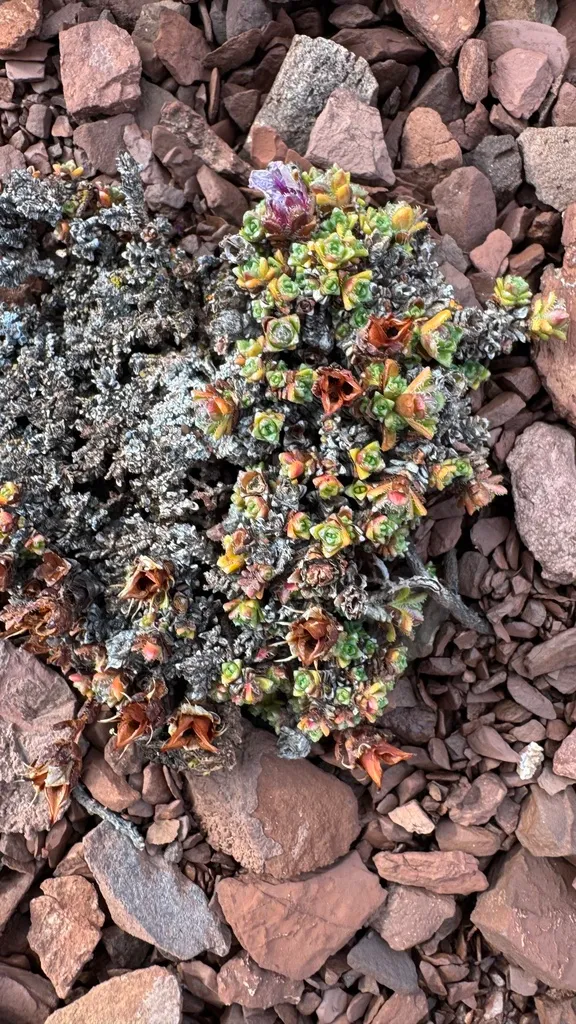
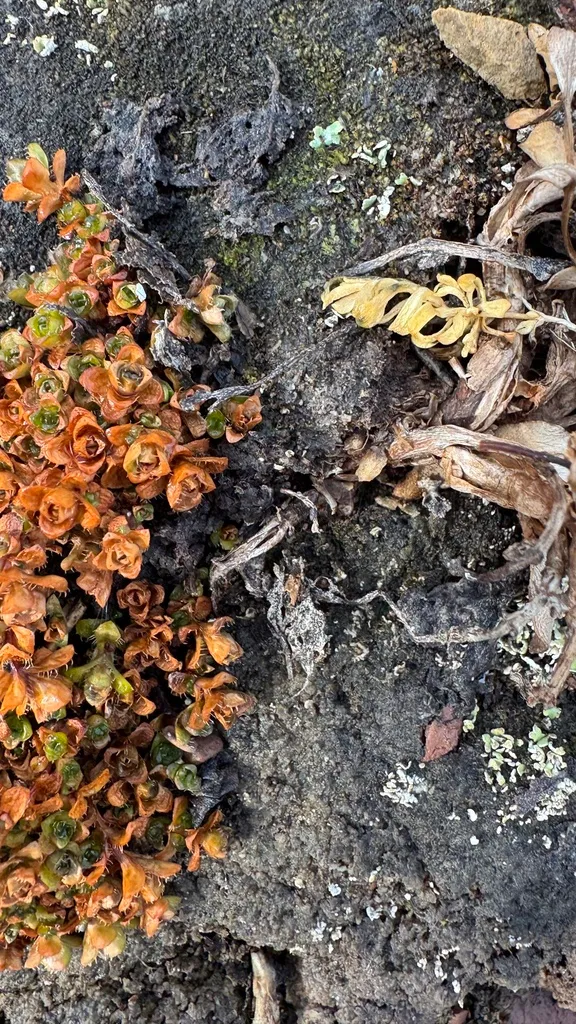
A robust, stoloniferous, mat-forming, perennial, with tiny tight rosettes of opposite, ovate, grey-green leaves with masses of solitary, purple, cup-shaped flowers on short upturned stems, in spring
Scientific classification
- Species
- purple mountain saxifrage (Saxifraga oppositifolia)
- Genus
- Saxifraga
- Family
- Saxifragaceae
- Order
- Saxifragales
- Class
- Magnoliopsida
- Phylum
- Tracheophyta
- Information to be completed
- Toxicity
- Alpine Rockery
- Plant type
- 0.1-0.5 metres
- Height
- 0.1-0.5 metres
- Spread
- Evergreen
- Foliage
- Matforming
- Habit
- Spring · Summer · Autumn · Winter
- Season of interest
- Full sun · Partial shade
- Sunlight
- Information to be completed
- Ideal temperature









purple mountain saxifrage pictures
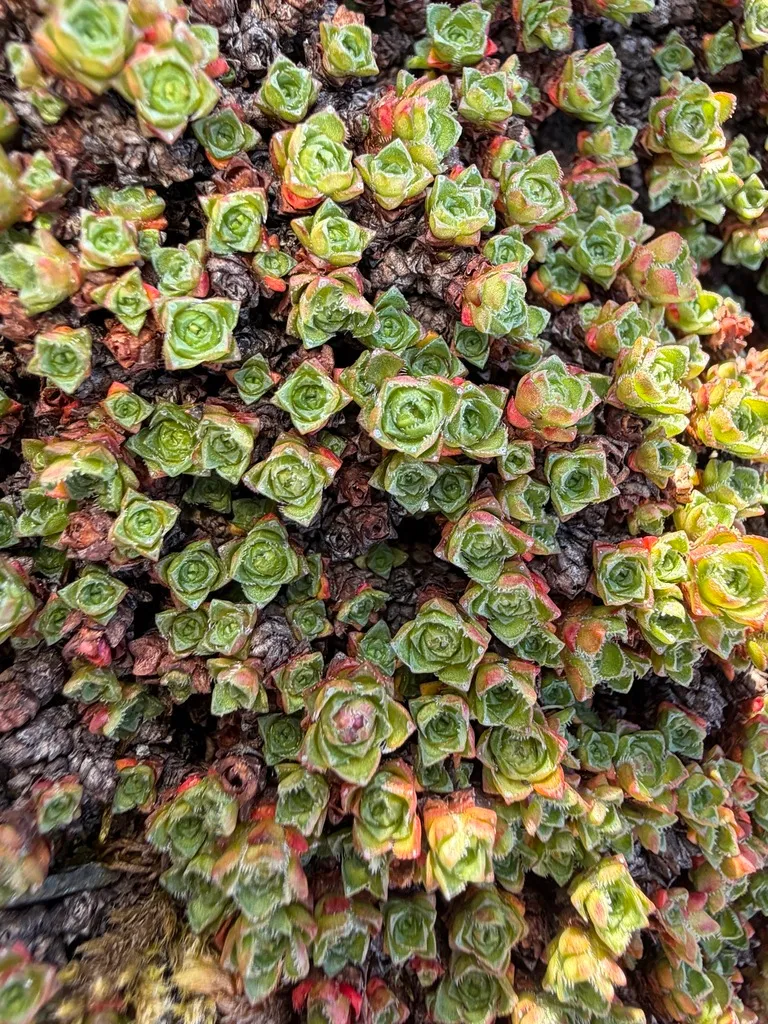
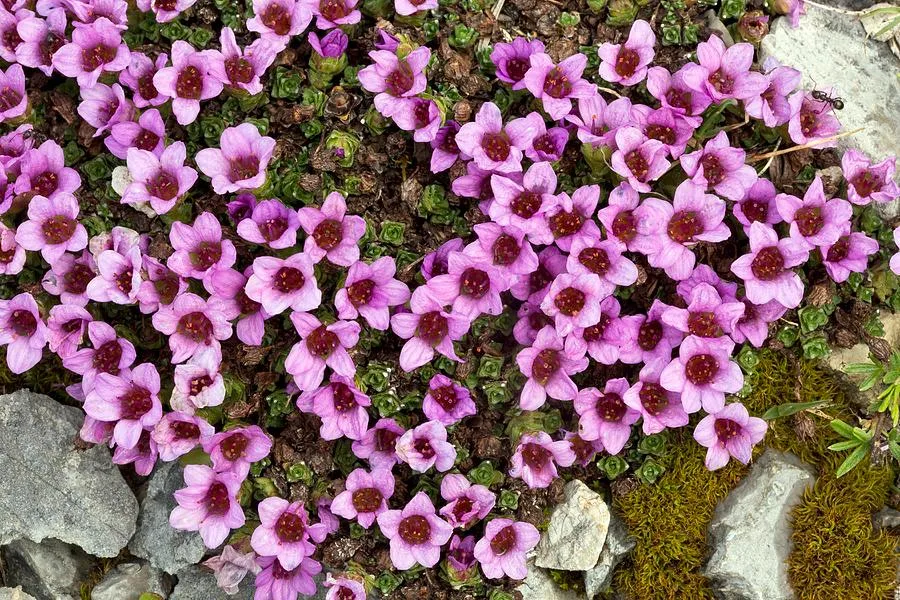
Distribution of purple mountain saxifrage
Distribution map
- Native
- Introduced
- Cultivated
Source:WCVP v16 · Royal Botanic Gardens, Kew · CC BY 3.0 · Boundaries:WGSRPD / TDWG
purple mountain saxifrage care guide
- Moderate regular watering, avoid prolonged drought and stagnant waterlogging
- Watering
- Full sun · Partial shade
- Sunlight

Watering
Moderate regular watering, avoid prolonged drought and stagnant waterlogging
Fertilizing
 Fertilizing
Balanced perennial feed every four weeks spring through summer growth
Pruning
 Pruning
No pruning required
Propagation
 Propagation
Propagate by detaching individual rosettes and rooting as cuttings
Growing
 Growing
Grow in humus-rich, moist but very well-drained, alkaline or neutral soil in light shade
Common pests and diseases
Diseases
Generally disease-free
Pests
May be susceptible to aphids, slugs, vine weevil, and glasshouse red spider mites
Explore the plant health library →




