
black snakeweed
Also known as: Canadian snakeroot; colic root; false crowfoot; ginger root; heart-leaf; pigs; snake root; southern snakeroot; southern wild ginger; Vermont snakeroot
A low-growing, spreading deciduous perennial with downy, heart-shaped green leaves in spring and purple-brown, cup-shaped flowers, often hidden by the foliage
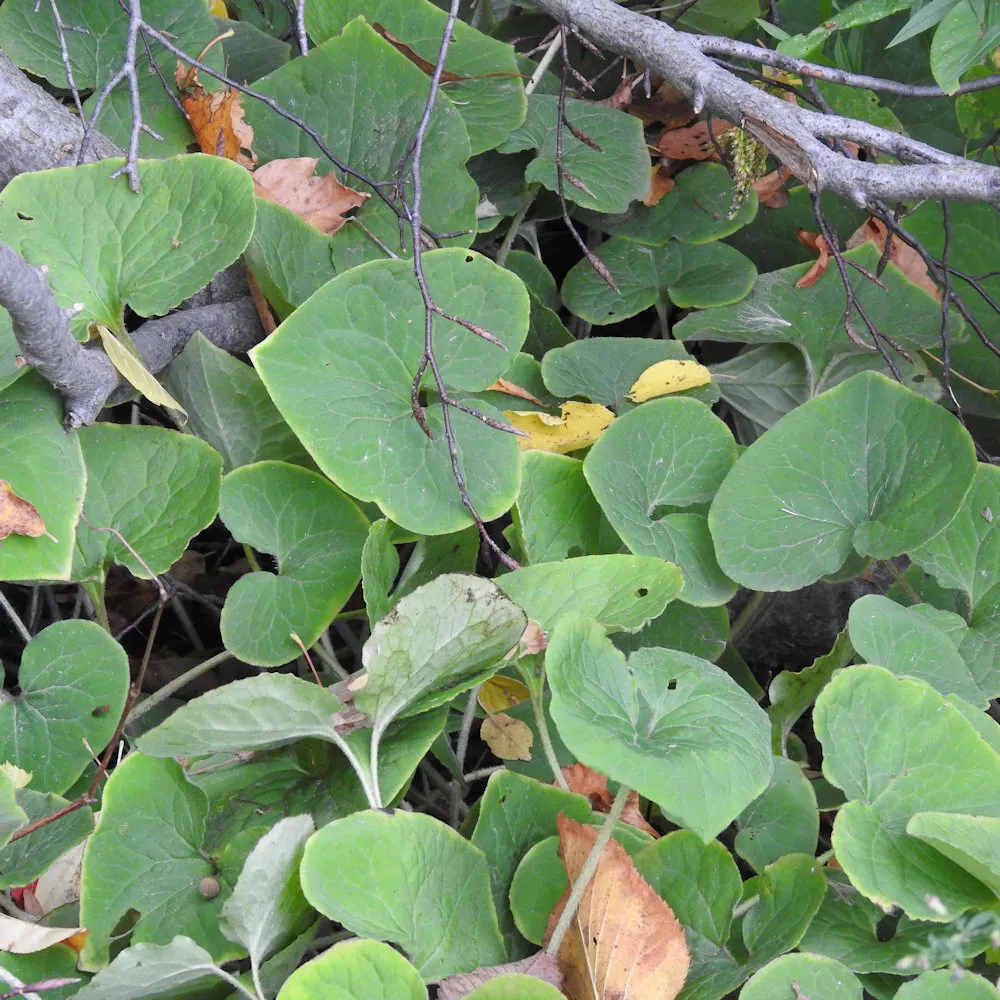
Scientific classification
- Species
- black snakeweed (Asarum canadense)
- Genus
- Asarum
- Family
- Aristolochiaceae
- TOXIC if eaten. Wear gloves and other protective equipment when handling
- Toxicity
- Herbaceous Perennial
- Plant type
- 0.1-0.5 metres
- Height
- 0.5-1 metres
- Spread
- Deciduous
- Foliage
- Matforming
- Habit
- Spring · Summer · Autumn
- Season of interest
- Full shade · Partial shade
- Sunlight
- Information to be completed
- Ideal temperature









black snakeweed pictures
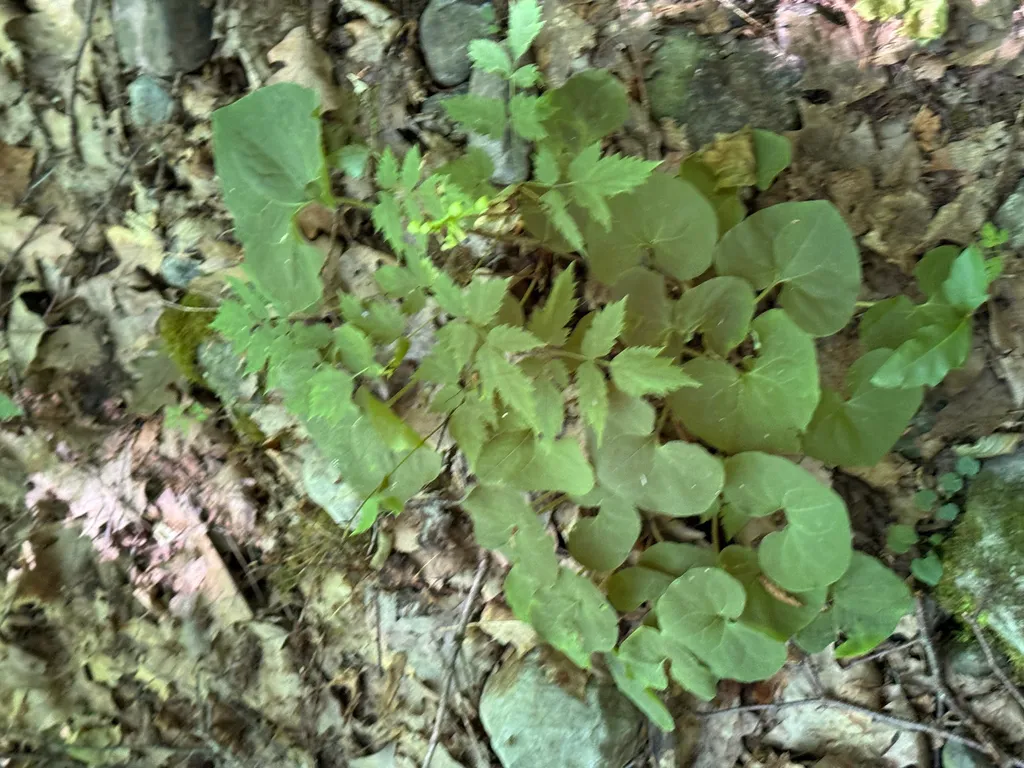
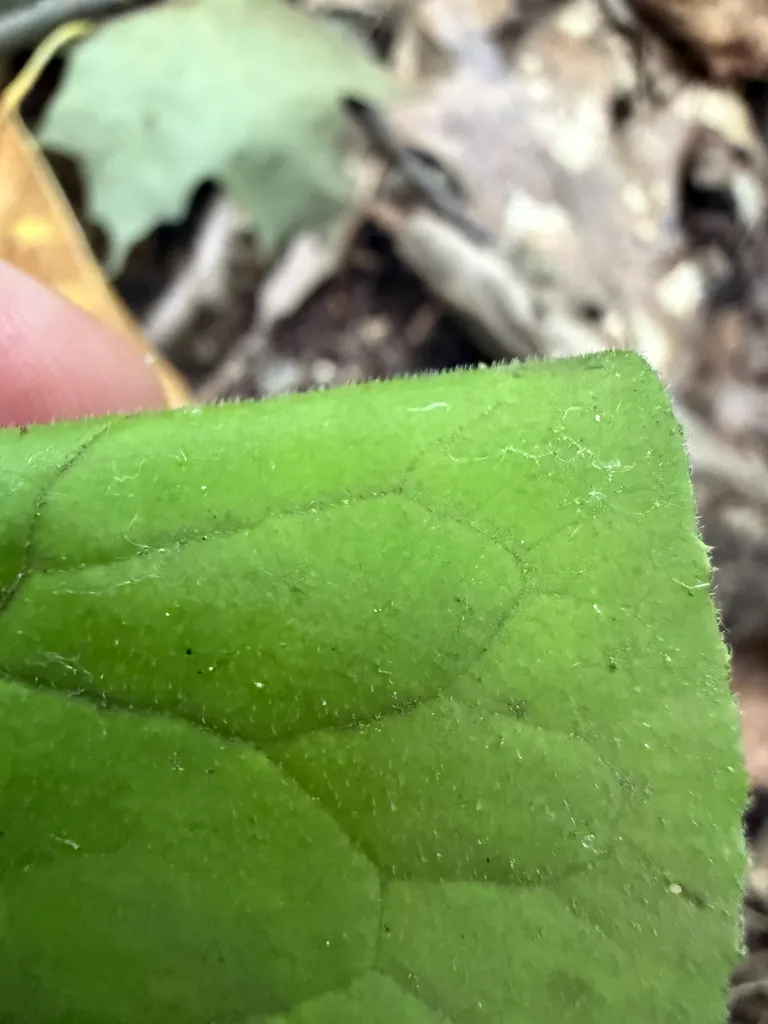
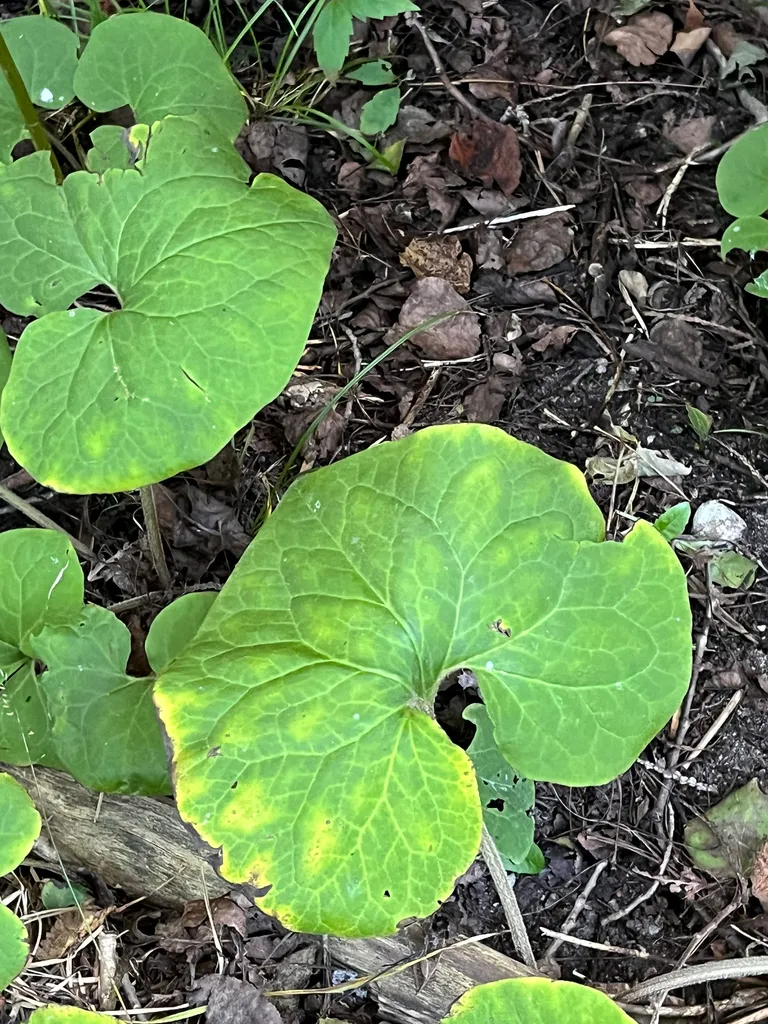
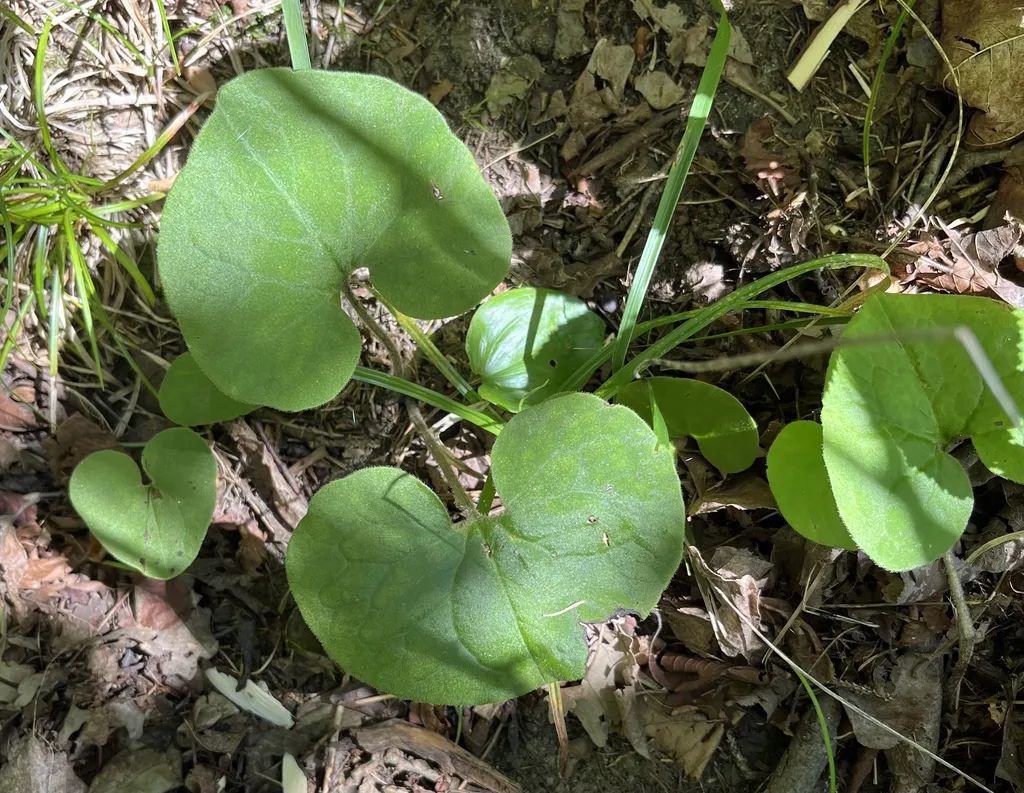
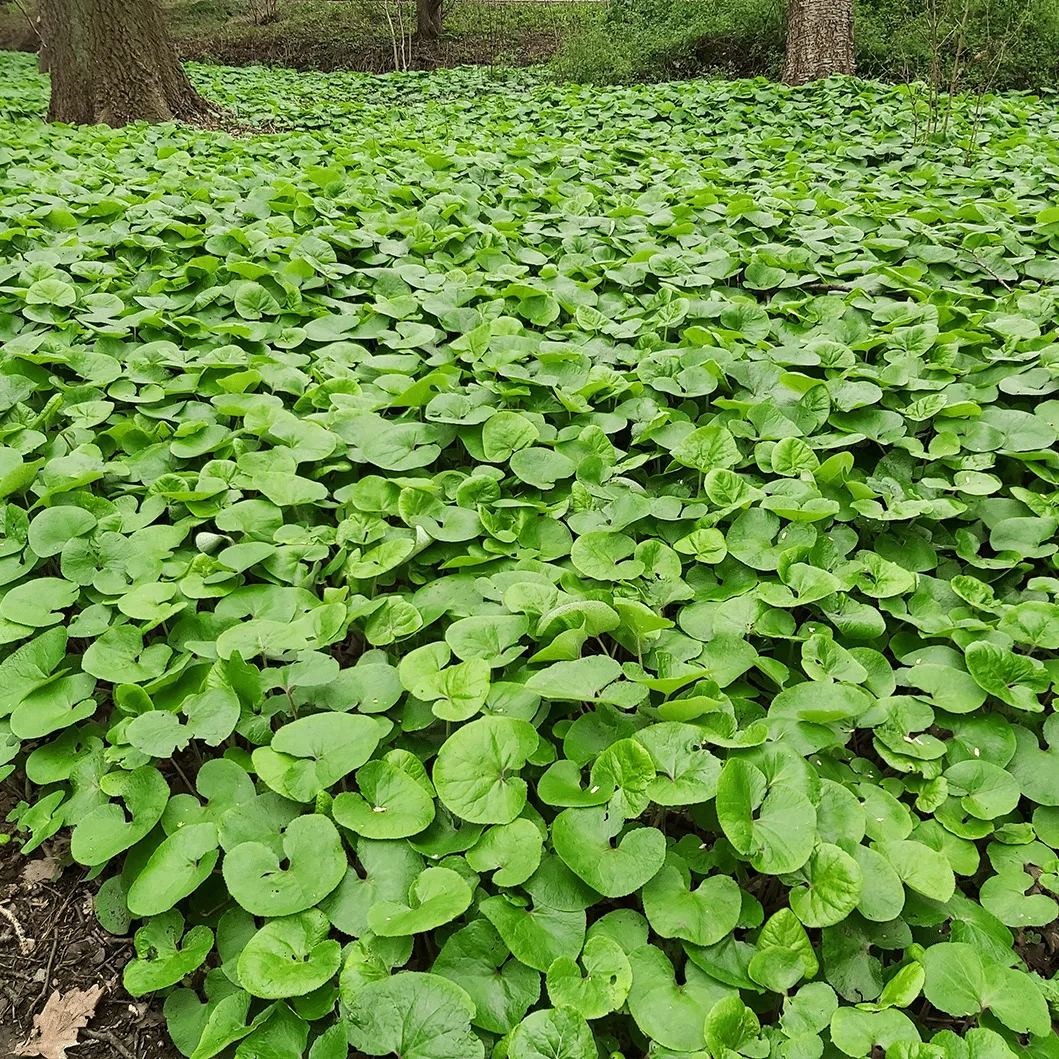
Distribution of black snakeweed
Distribution map
Information to be completed
Information to be completed
Culture
Information to be completed
Toxicity
TOXIC if eaten. Wear gloves and other protective equipment when handling
Quick identification of black snakeweed
Information to be completed
black snakeweed care guide
- Constant cool damp soil, full dryness will damage roots
- Watering
- Full shade · Partial shade
- Sunlight
- Information to be completed
- Ideal temperature

Watering
Constant cool damp soil, full dryness will damage roots
Fertilizing
 Fertilizing
Half-strength general feed monthly spring through fall
Pruning
 Pruning
No pruning required
Propagation
 Propagation
Propagate by division
Growing
 Growing
Best grown on neutral to acidic, moist but well drained soil in partial shade
People also ask
Information to be completed
Common pests and diseases
Diseases
Generally disease-free
Pests
May be susceptible to slugs and snails
Explore the plant health library →




