
asarabacca
Also known as: foalfoot; foal's foot; hazelwort; wild ginger; wild nard
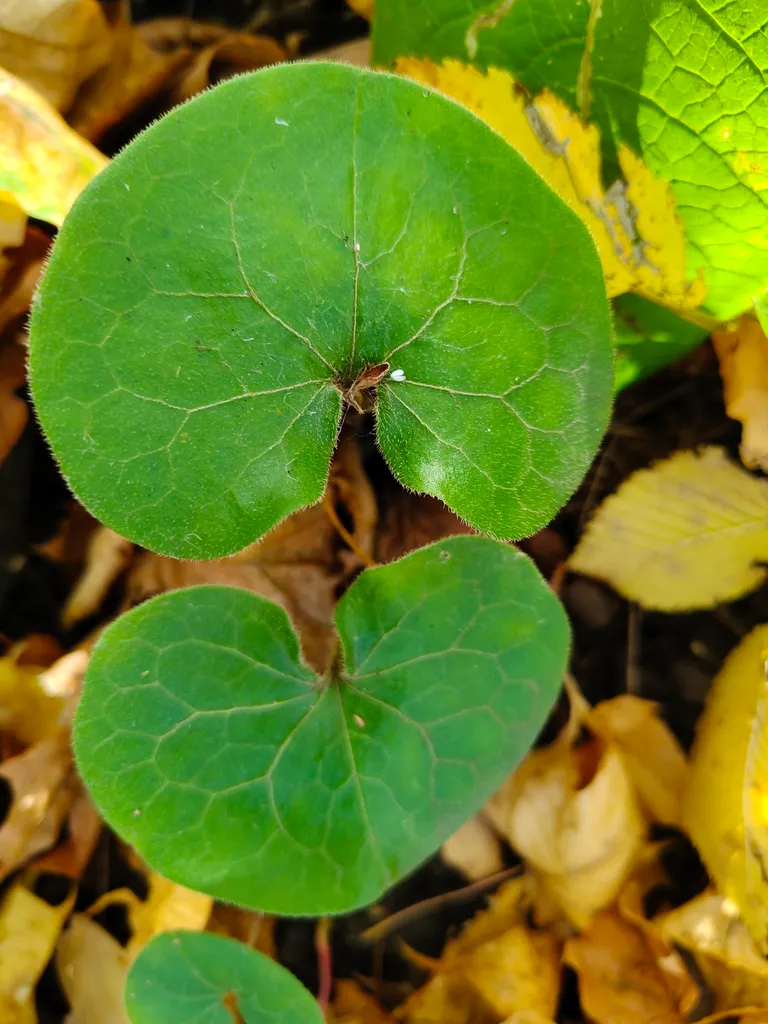
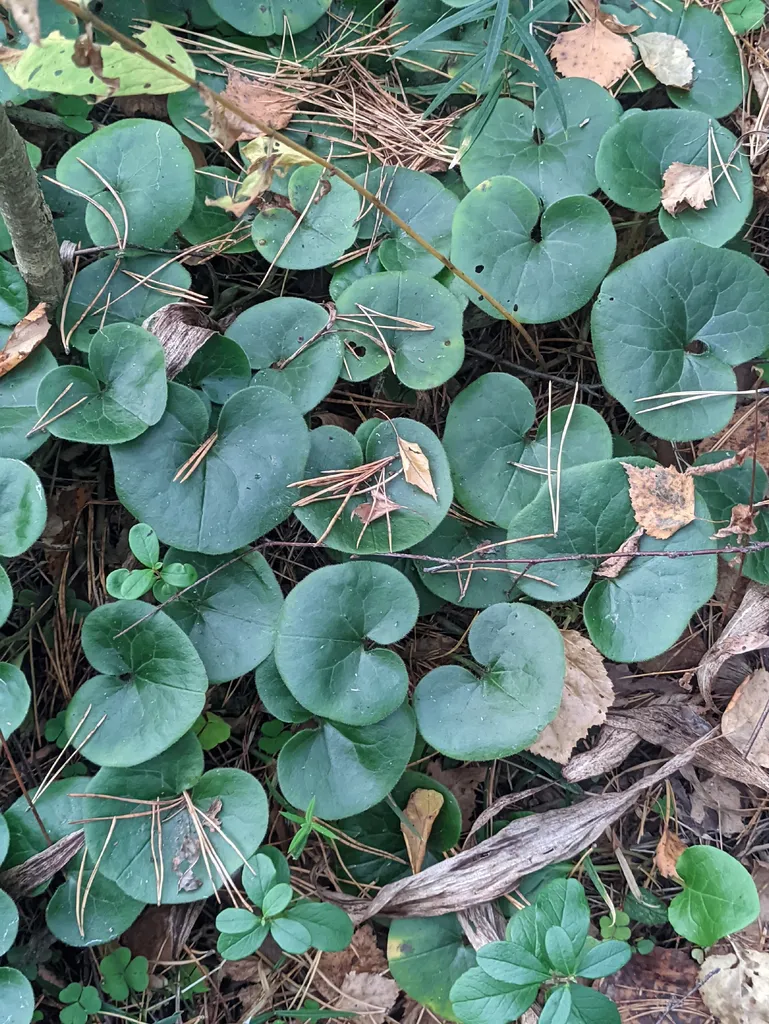
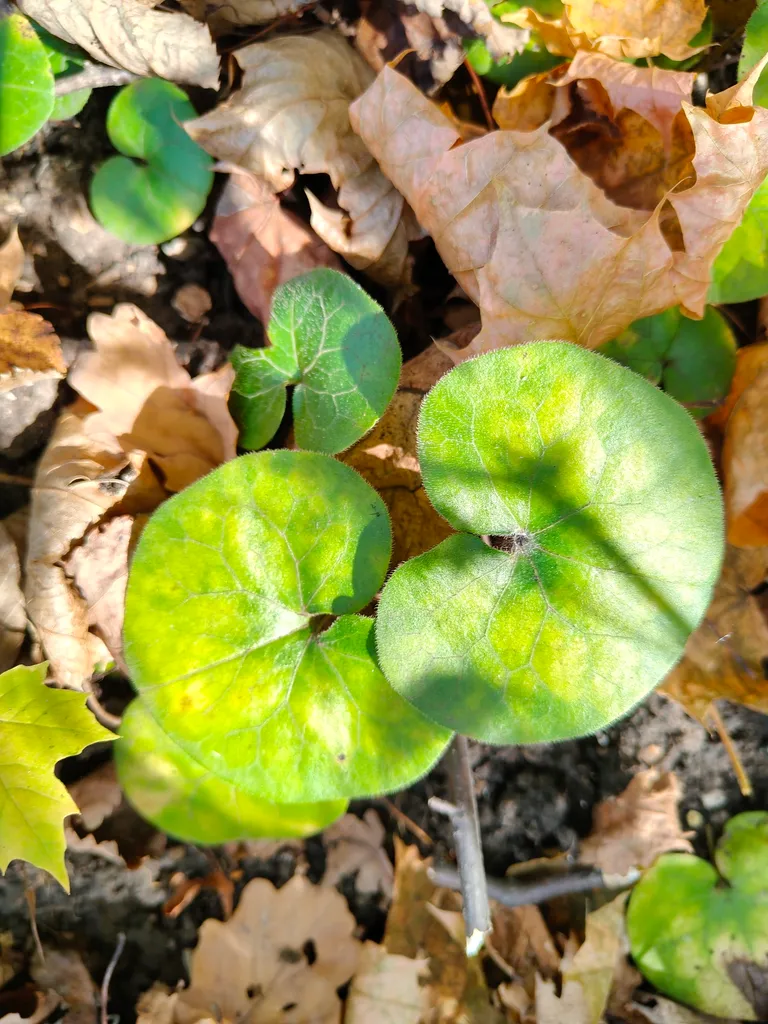
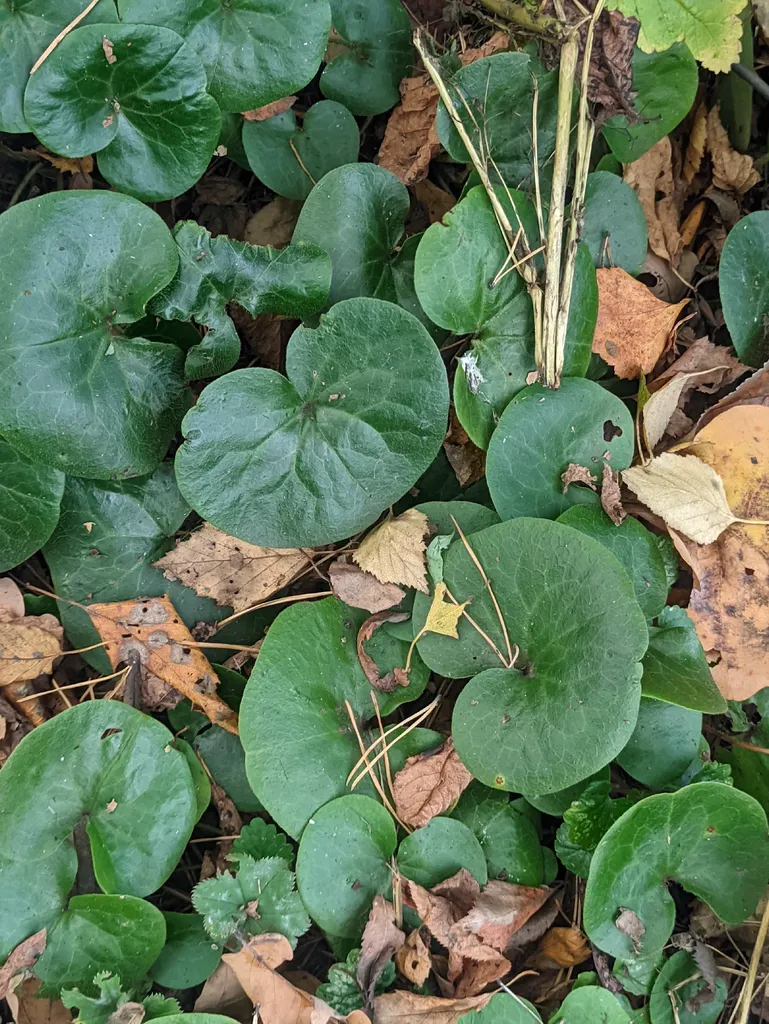
A creeping, evergreen perennial forming carpets of kidney-shaped, glossy, dark green leaves. The green, then purple, flowers are hidden under the foliage
Scientific classification
- Species
- asarabacca (Asarum europaeum)
- Genus
- Asarum
- Family
- Aristolochiaceae
- Order
- Piperales
- Class
- Magnoliopsida
- Phylum
- Magnoliophyta
- TOXIC if eaten. Wear gloves and other protective equipment when handling
- Toxicity
- Herbaceous Perennial
- Plant type
- Up to 10 cm
- Height
- 0.1-0.5 metres
- Spread
- Evergreen
- Foliage
- Matforming
- Habit
- Spring · Summer · Autumn · Winter
- Season of interest
- Full shade · Partial shade
- Sunlight
- Information to be completed
- Ideal temperature









asarabacca pictures
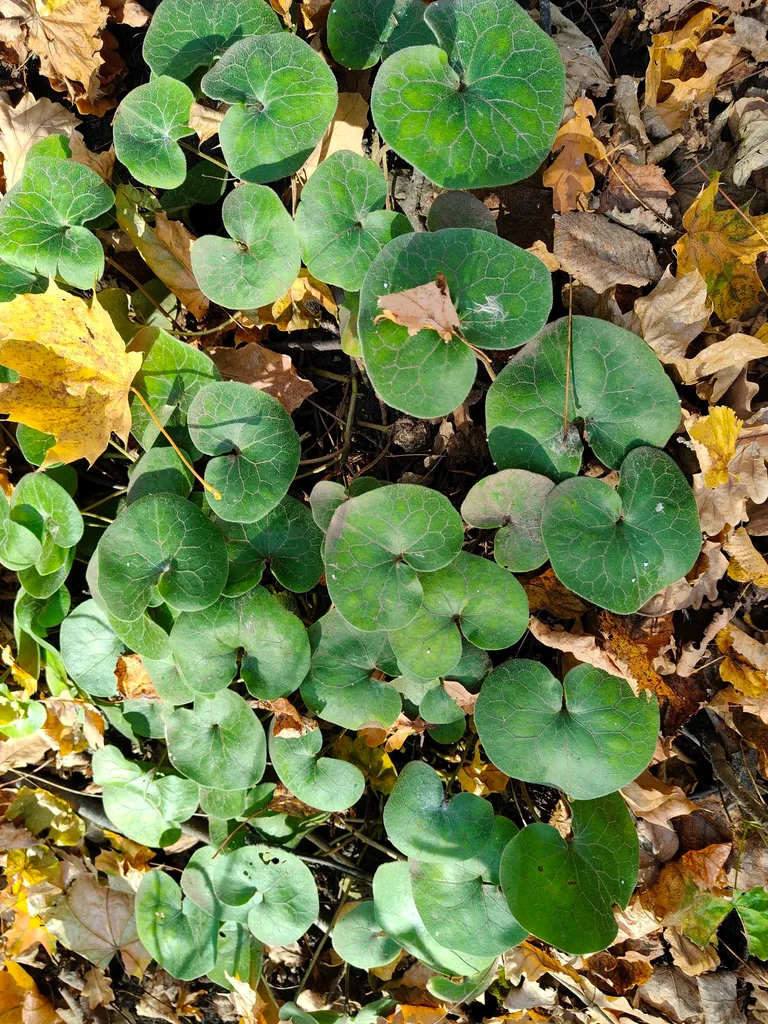
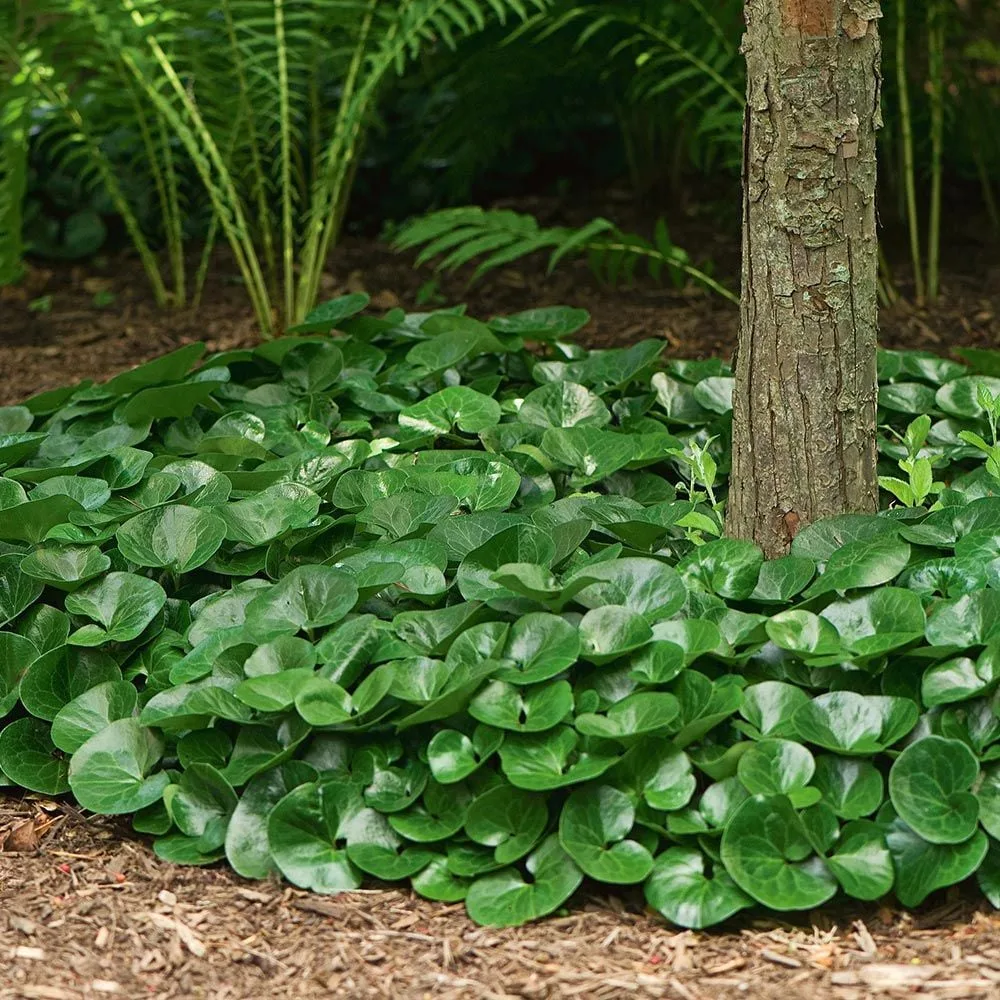
Distribution of asarabacca
Distribution map
- Native
- Introduced
- Cultivated
Source:WCVP v16 · Royal Botanic Gardens, Kew · CC BY 3.0 · Boundaries:WGSRPD / TDWG
Toxicity
TOXIC if eaten. Wear gloves and other protective equipment when handling
asarabacca care guide
- Constantly damp shaded woodland soil, avoid full substrate drying out
- Watering
- Full shade · Partial shade
- Sunlight

Watering
Constantly damp shaded woodland soil, avoid full substrate drying out
Fertilizing
 Fertilizing
Very weak organic liquid feed monthly spring until late summer period
Pruning
 Pruning
No pruning required
Propagation
 Propagation
Propagate by seed sown in containers as soon as ripe, or divide in early spring
Growing
 Growing
Likes woodland conditions - a humus-rich, moist but well-drained, acid to neutral soil and full to partial shade
Common pests and diseases
Diseases
Generally disease-free
Pests
May be susceptible to slugs and snails
Explore the plant health library →




