
large-flowered magnolia vine
Also known as: Information to be completed
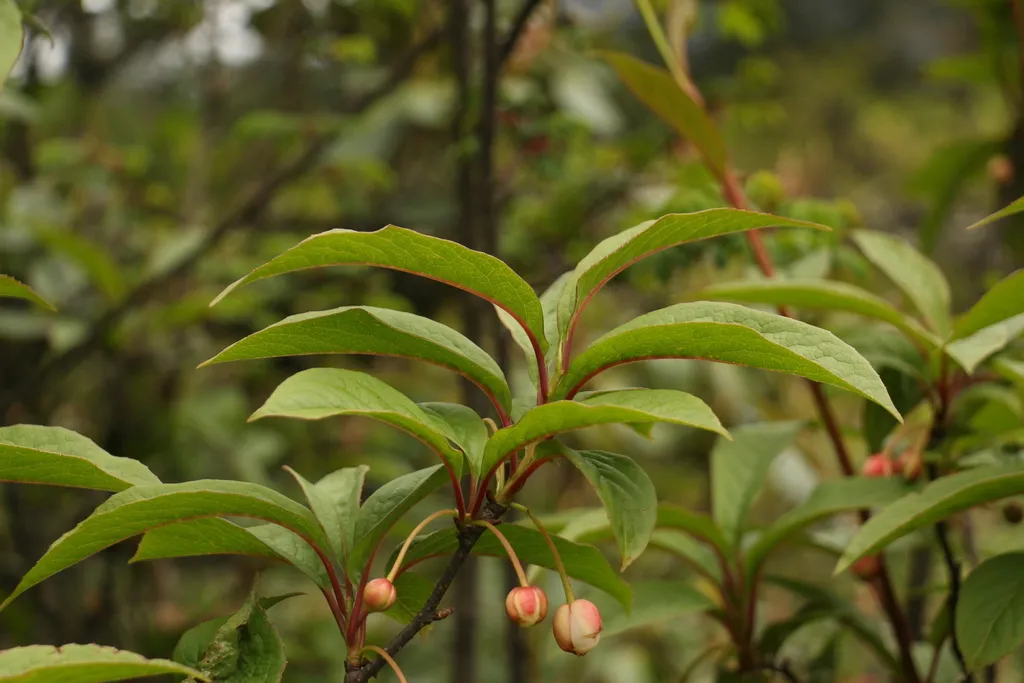
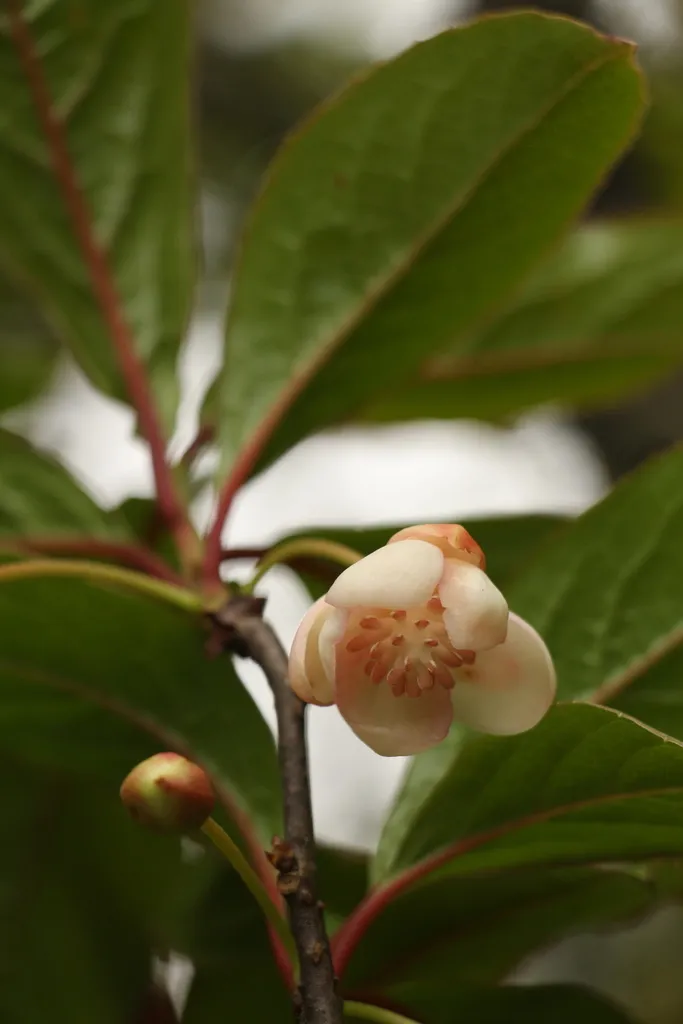
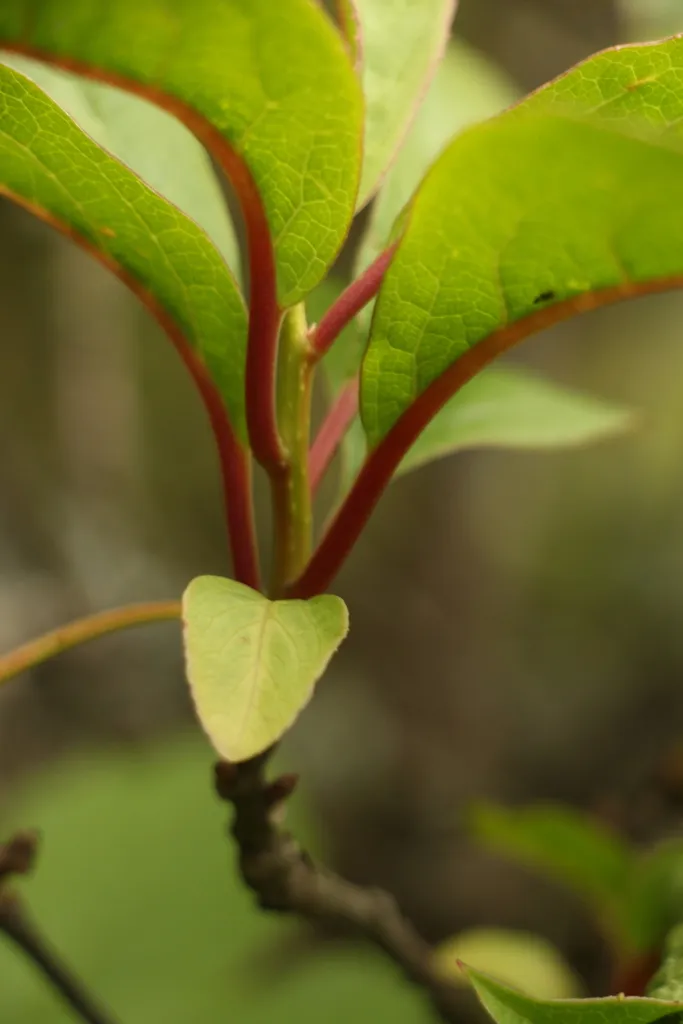
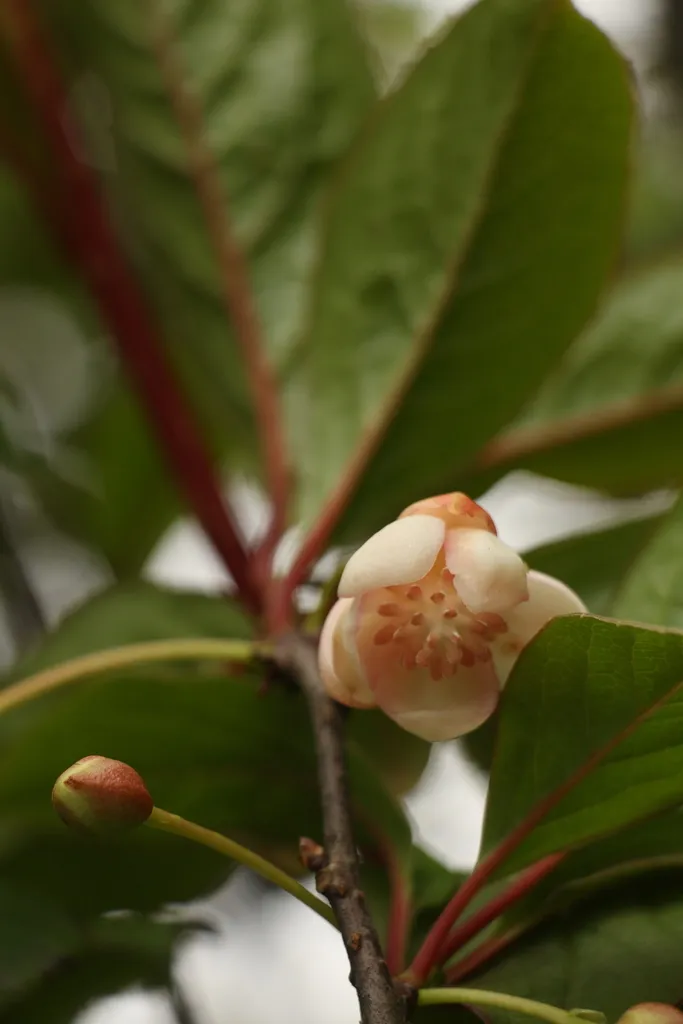
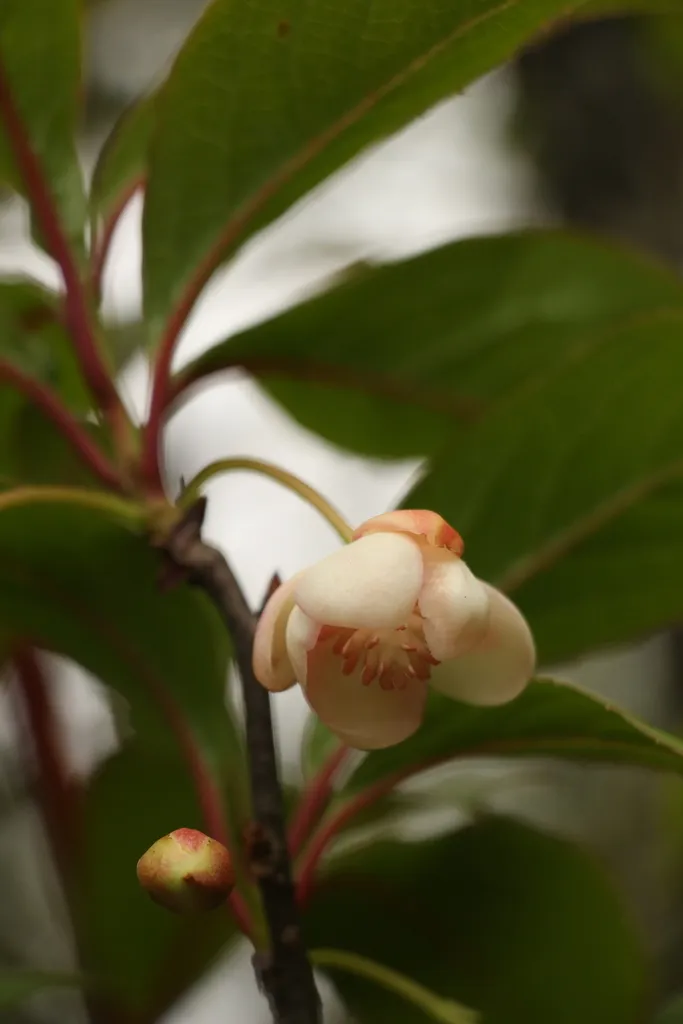
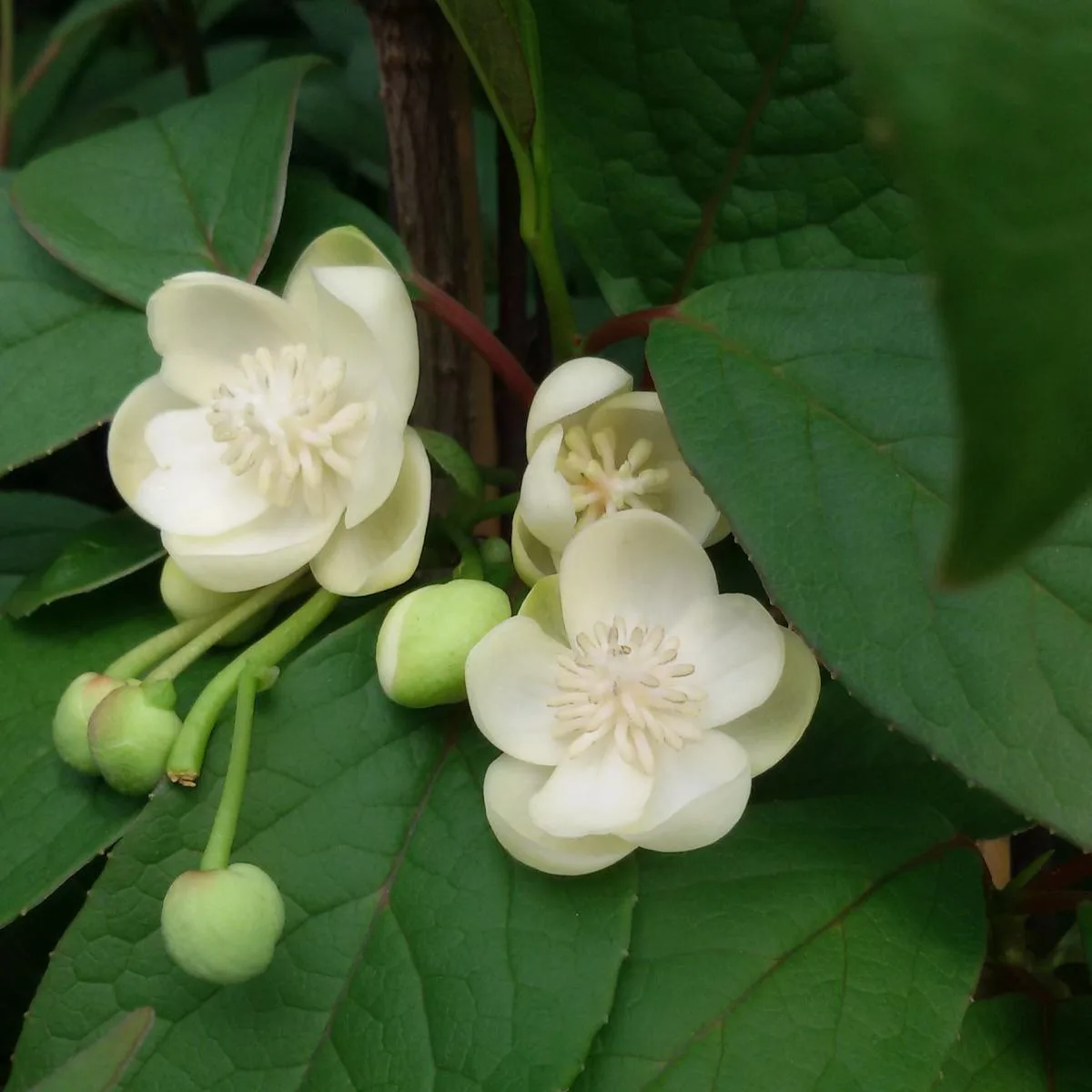
A twining, deciduous climber. Flowers are typically white and with male and female flowers being borne on separate plants, in late spring and into summer, both sexes are required to produce the hanging red fruit in autumn
Scientific classification
- Species
- large-flowered magnolia vine (Schisandra grandiflora)
- Genus
- Schisandra
- Family
- Schisandraceae
- Order
- Austrobaileyales
- Class
- Magnoliopsida
- Phylum
- Magnoliophyta
- Information to be completed
- Toxicity
- Climber Wall Shrub
- Plant type
- 8-12 metres
- Height
- 2.5-4 metres
- Spread
- Deciduous
- Foliage
- Climbing
- Habit
- Autumn · Spring · Summer
- Season of interest
- Full sun · Partial shade
- Sunlight
- Information to be completed
- Ideal temperature









large-flowered magnolia vine pictures
Distribution of large-flowered magnolia vine
Distribution map
- Native
- Introduced
- Cultivated
Source:WCVP v16 · Royal Botanic Gardens, Kew · CC BY 3.0 · Boundaries:WGSRPD / TDWG
large-flowered magnolia vine care guide
- Moderate regular watering, avoid prolonged drought and stagnant waterlogging
- Watering
- Full sun · Partial shade
- Sunlight

Watering
Moderate regular watering, avoid prolonged drought and stagnant waterlogging
Fertilizing
 Fertilizing
Balanced perennial feed every four weeks spring through summer growth
Pruning
 Pruning
On established plants, shorten sideshoots to three or four buds from the permanent framework; remove crowded or damaged shoots. Prune in early spring.
Propagation
 Propagation
Propagate by seed sown in containers in a cold frame as soon as ripe. Propagate by softwood cuttings (greenwood) in early or mid-summer or semi-ripe cuttings in summer
Growing
 Growing
Grow in fertile, moist but well-drained soil in full sun or partial shade. Frost hardy
Common pests and diseases
Diseases
Generally trouble free
Pests
Generally trouble free
Explore the plant health library →




