
Chinese magnolia vine
Also known as: Information to be completed
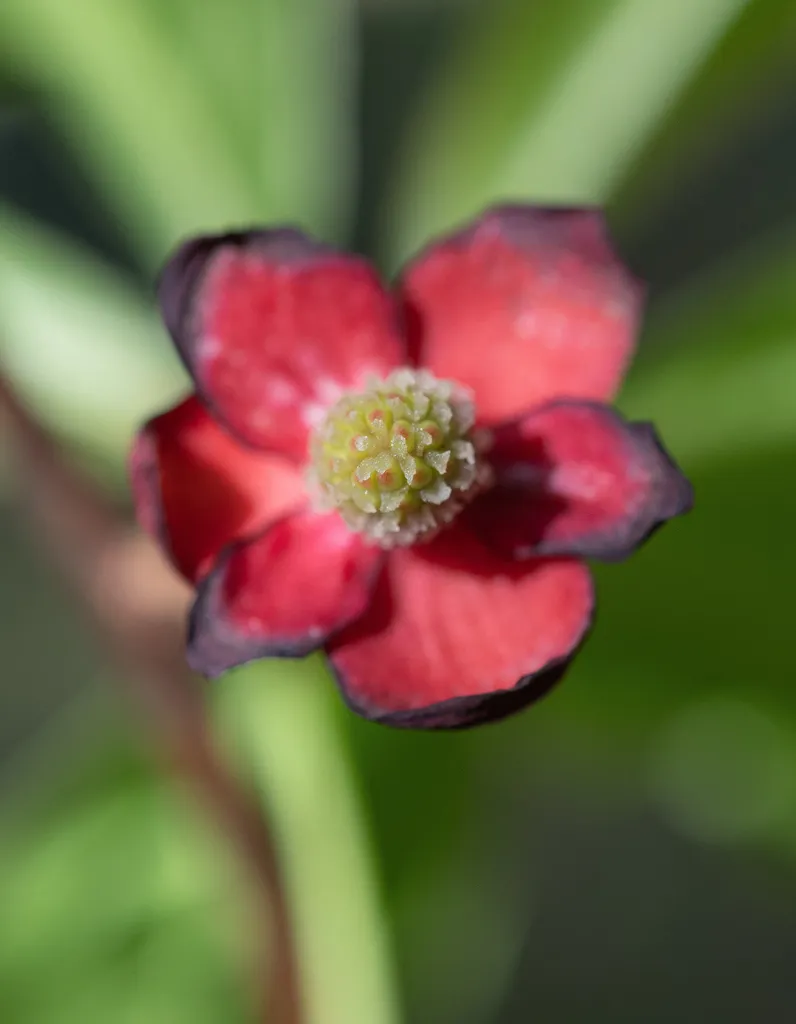
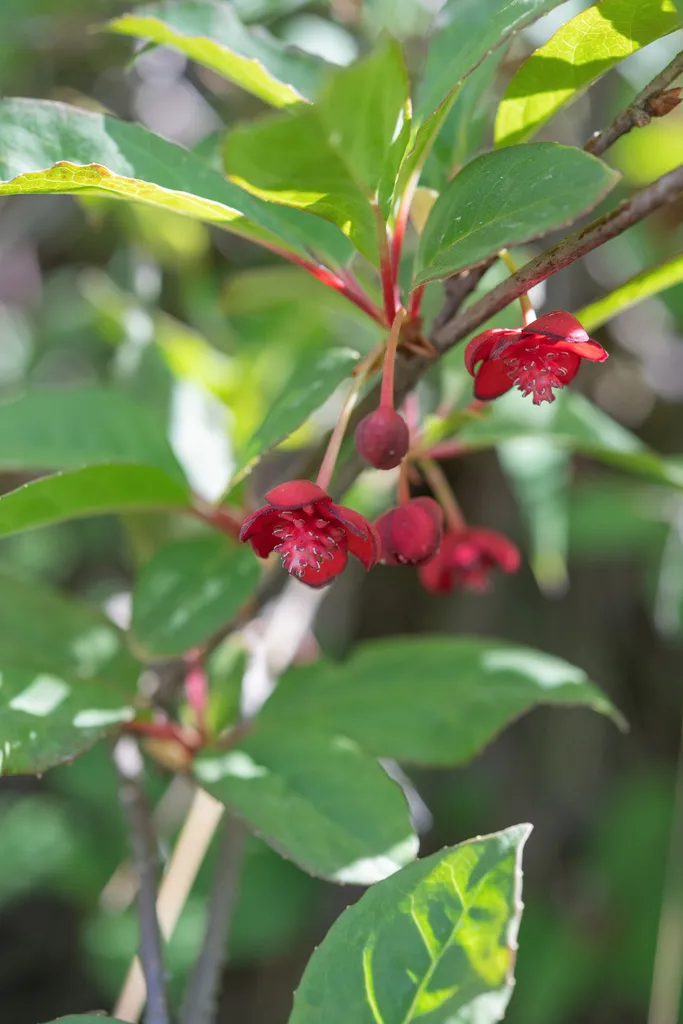
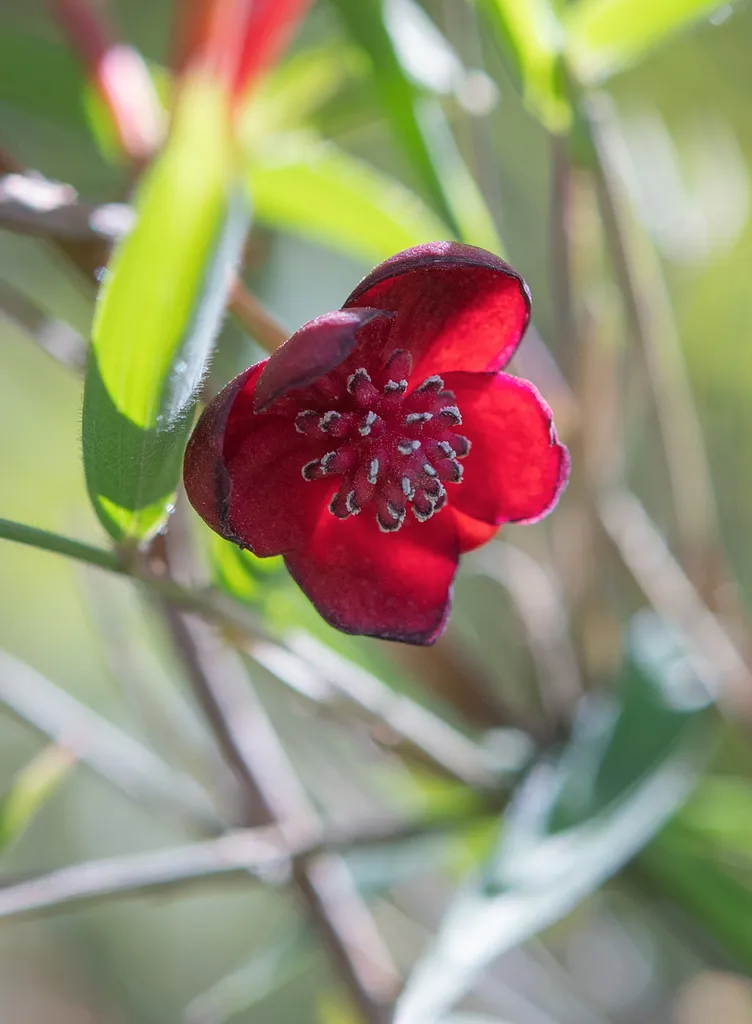
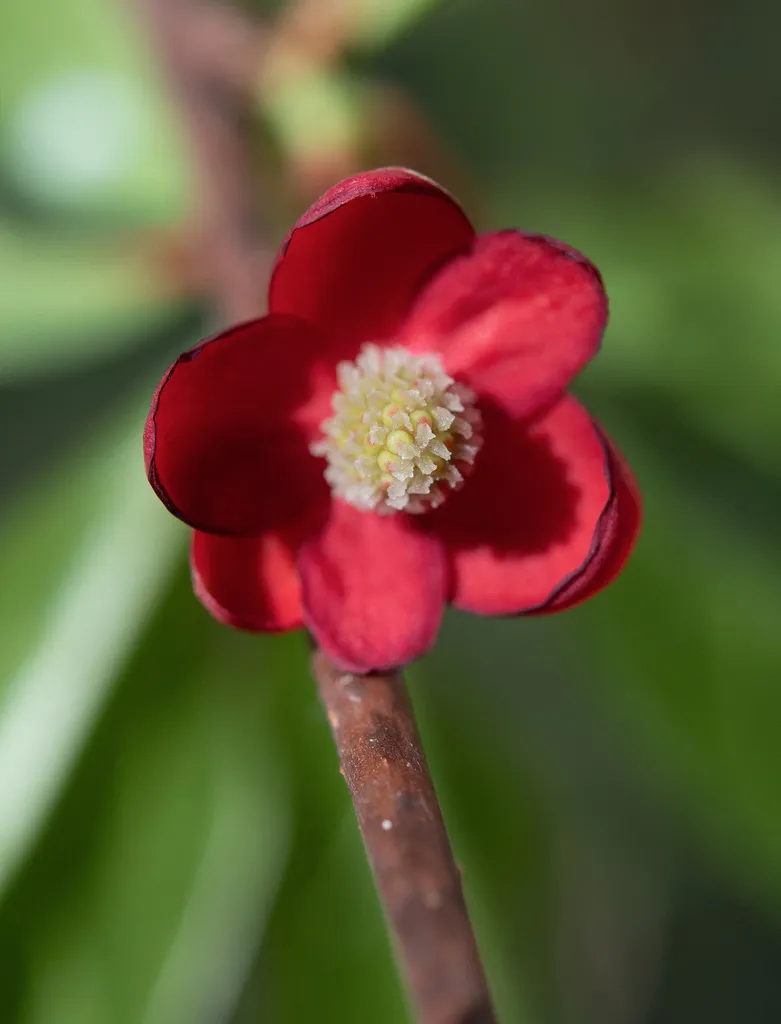
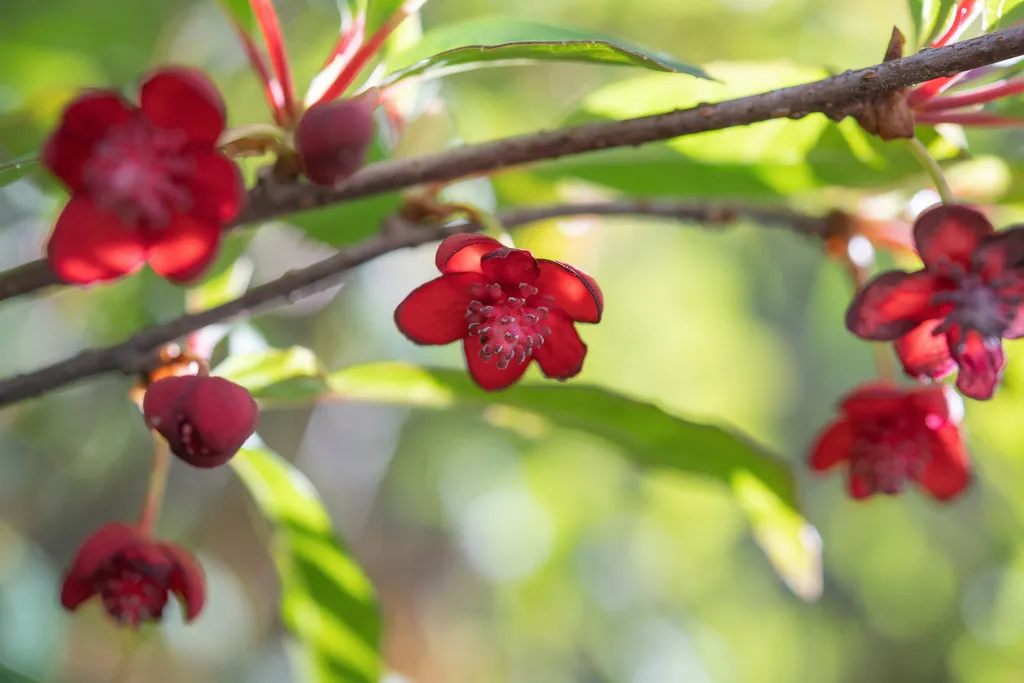
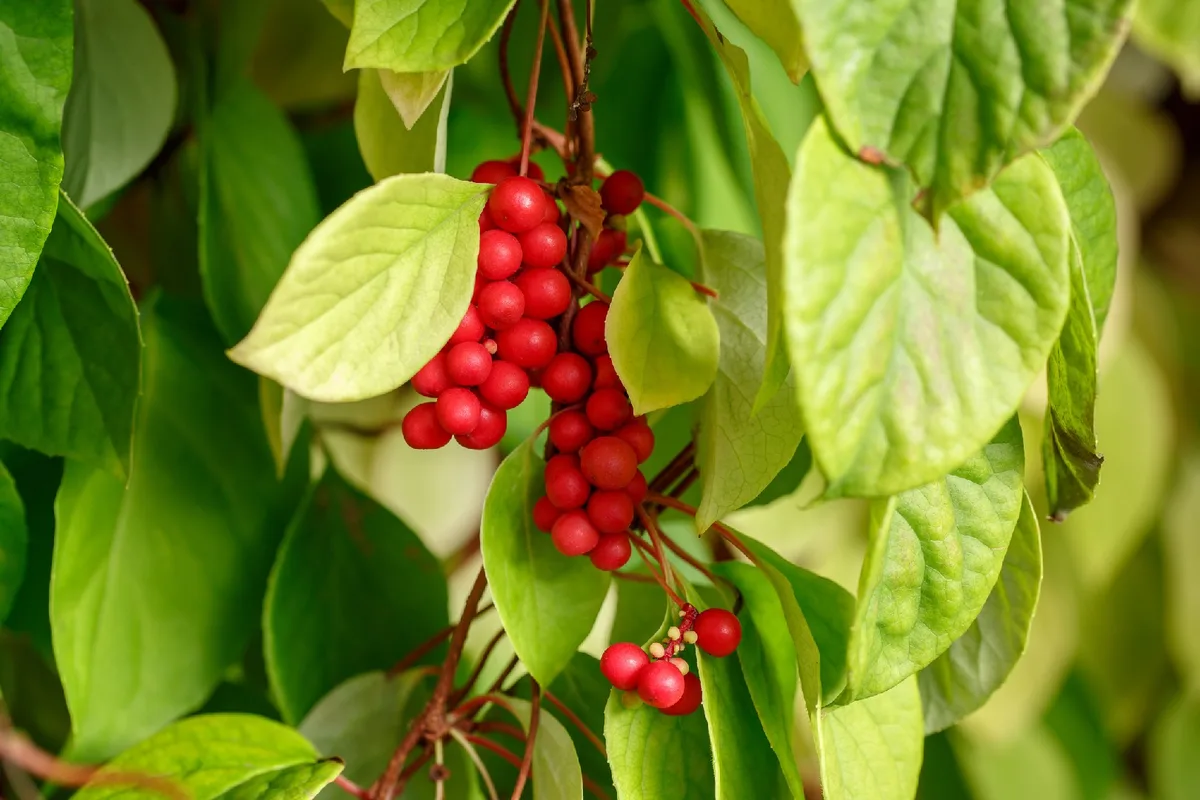
A climbing, deciduous shrub, twining to 8m. Leaves are lanceolate, smooth and rather leathery, mid-green, sometimes with reddish new shoots. Flowers are unisexual, but sometimes borne on one plant, so can be self-fertile. They are borne singly in the leaf axils of new shoots, and are cup-shaped, to 3cm across, deep crimson, on pendulous red stalks to 4cm long, in June. The closely-set, pea-sized, bright red berries are borne on dangling spikes to 12.5cm
Scientific classification
- Species
- Chinese magnolia vine (Schisandra rubriflora)
- Genus
- Schisandra
- Family
- Schisandraceae
- Information to be completed
- Toxicity
- Climber Wall Shrub
- Plant type
- 8-12 metres
- Height
- 2.5-4 metres
- Spread
- Deciduous
- Foliage
- Climbing
- Habit
- Autumn · Spring · Summer
- Season of interest
- Full sun · Partial shade
- Sunlight
- Information to be completed
- Ideal temperature









Chinese magnolia vine pictures
Distribution of Chinese magnolia vine
Distribution map
- Native
- Introduced
- Cultivated
Source:WCVP v16 · Royal Botanic Gardens, Kew · CC BY 3.0 · Boundaries:WGSRPD / TDWG
Culture
Information to be completed
Toxicity
Information to be completed
Quick identification of Chinese magnolia vine
Information to be completed
Chinese magnolia vine care guide
- Evenly moist humus soil, prevent full drought damage to roots
- Watering
- Full sun · Partial shade
- Sunlight
- Information to be completed
- Ideal temperature

Watering
Evenly moist humus soil, prevent full drought damage to roots
Fertilizing
 Fertilizing
Woody vine slow release fertilizer applied once each early spring
Pruning
 Pruning
On established plants, shorten sideshoots to three or four buds from the permanent framework; remove crowded or damaged shoots. Prune in early spring.
Propagation
 Propagation
Propagate by seed sown in containers in a cold frame as soon as ripe. Propagate by softwood cuttings (greenwood) in early or mid-summer or semi-ripe cuttings in summer
Growing
 Growing
Grow in fertile, moist but well-drained soil in full sun or partial shade
People also ask
Information to be completed
Common pests and diseases
Diseases
Generally trouble free
Pests
Generally trouble free
Explore the plant health library →




