
Chinese squill
Also known as: Japanese jacinth
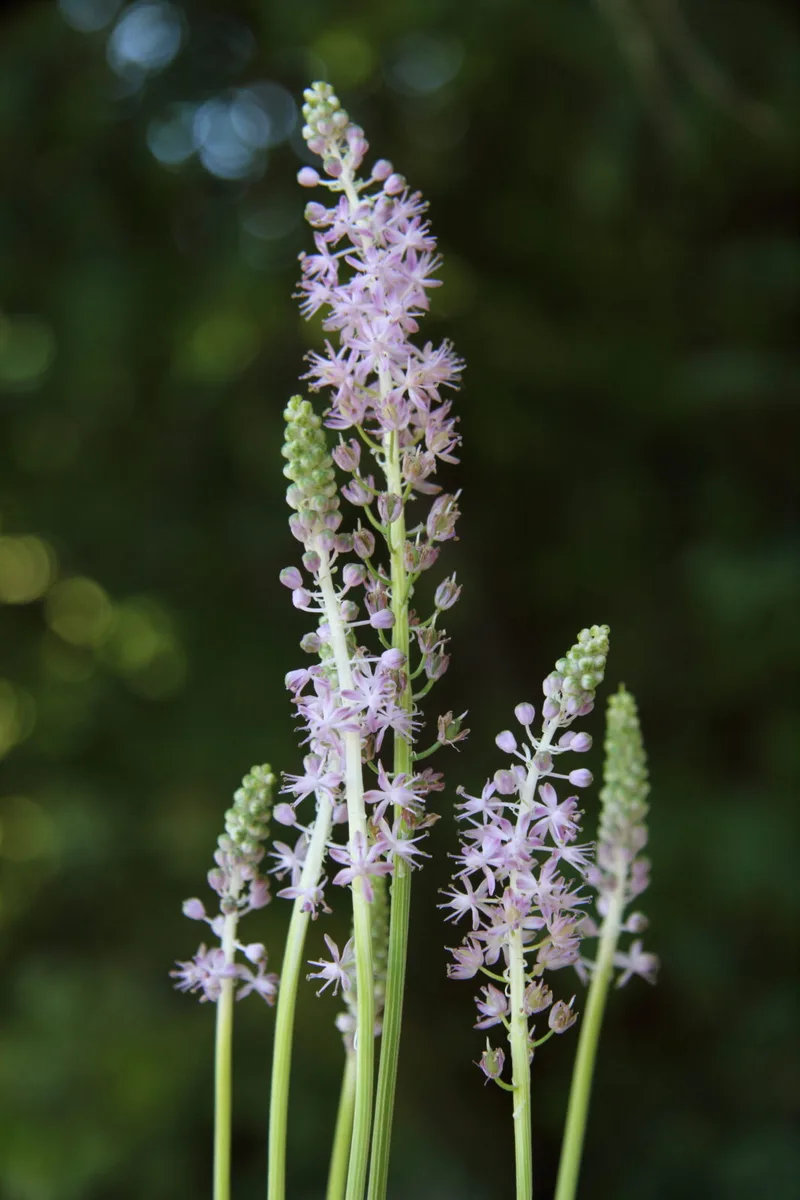
S. scilloides is a slender bulbous perennial to 20cm tall, with rather floppy narrow leaves, and many-flowered racemes of starry, purplish-pink flowers 4mm wide opening with the leaves in late summer and early autumn
Scientific classification
- Species
- Chinese squill (Scilla scilloides)
- Genus
- Scilla
- Family
- Asparagaceae
- Ornamental bulbs - not to be eaten. Wear gloves and other protective equipment when handling
- Toxicity
- Bulbs
- Plant type
- 0.1-0.5 metres
- Height
- 0-0.1 metre
- Spread
- Deciduous
- Foliage
- Bushy
- Habit
- Summer · Autumn
- Season of interest
- Full sun
- Sunlight
- Information to be completed
- Ideal temperature









Chinese squill pictures
Distribution of Chinese squill
Distribution map
China to temp Eastern Asia
Information to be completed
Culture
Information to be completed
Toxicity
Ornamental bulbs - not to be eaten. Wear gloves and other protective equipment when handling
Quick identification of Chinese squill
Information to be completed
Chinese squill care guide
- Moist soil during active growth, then reduce watering after foliage yellows
- Watering
- Full sun
- Sunlight
- Information to be completed
- Ideal temperature

Watering
Moist soil during active growth, then reduce watering after foliage yellows
Fertilizing
 Fertilizing
Light bulb fertilizer at emergence and again after flowering
Pruning
 Pruning
No pruning required
Propagation
 Propagation
Propagate by seed, sown in pots in a cold frame when ripe, keep shaded and do not allow to dry out. Alternatively remove offsets in summer. See bulb propagation
Growing
 Growing
Ideal for naturalising in grass or a gravel garden in full sun and a well-drained soil. Plant bulbs two to three times their depth. Please see bulb cultivation page
People also ask
Information to be completed
Common pests and diseases
Diseases
Generally disease-free
Pests
Generally pest-free
Explore the plant health library →




