
Sedum palmeri
Also known as: Information to be completed
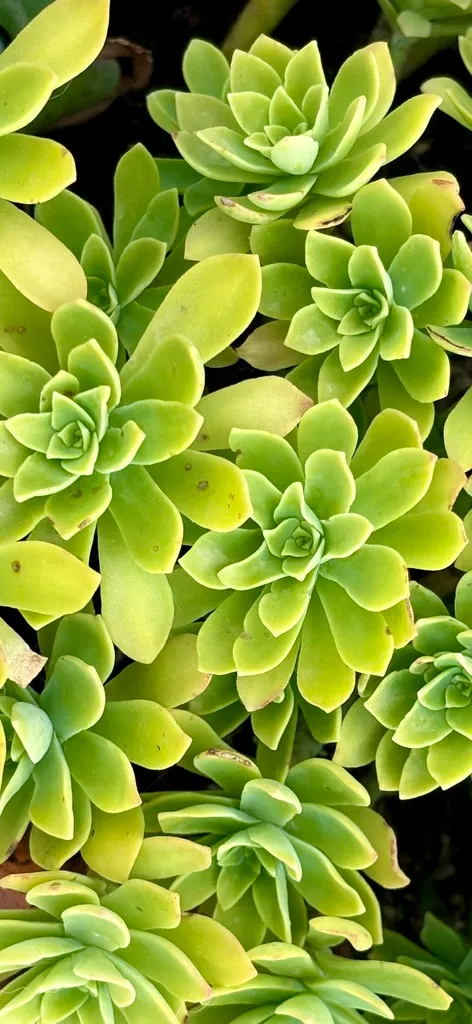
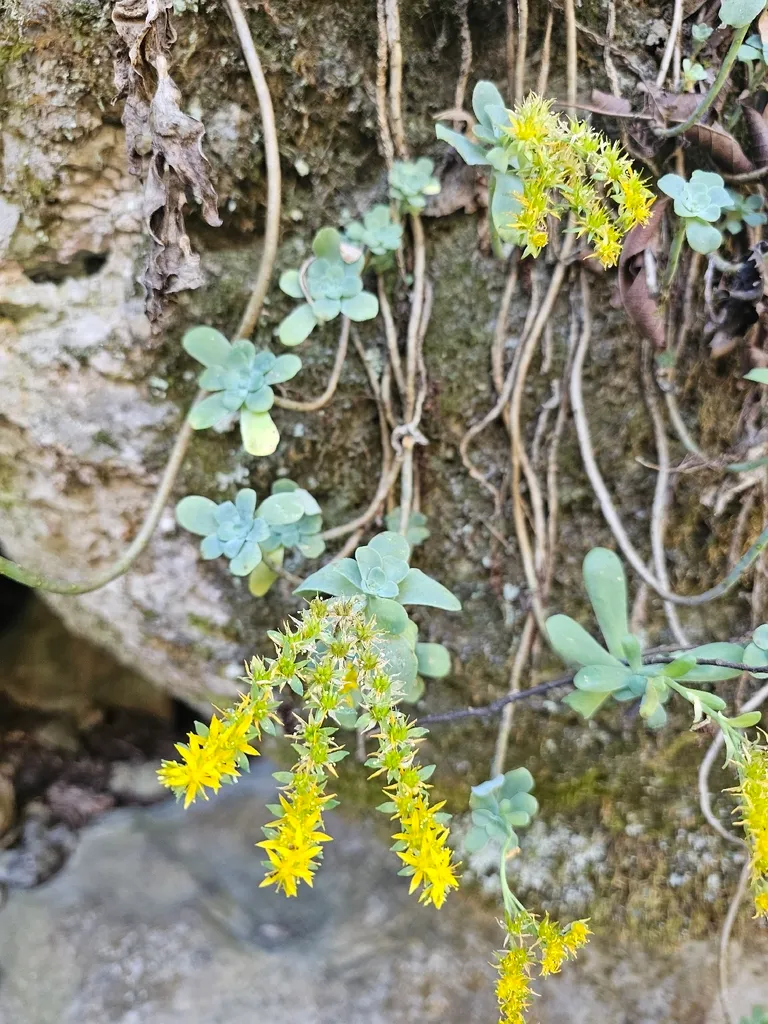
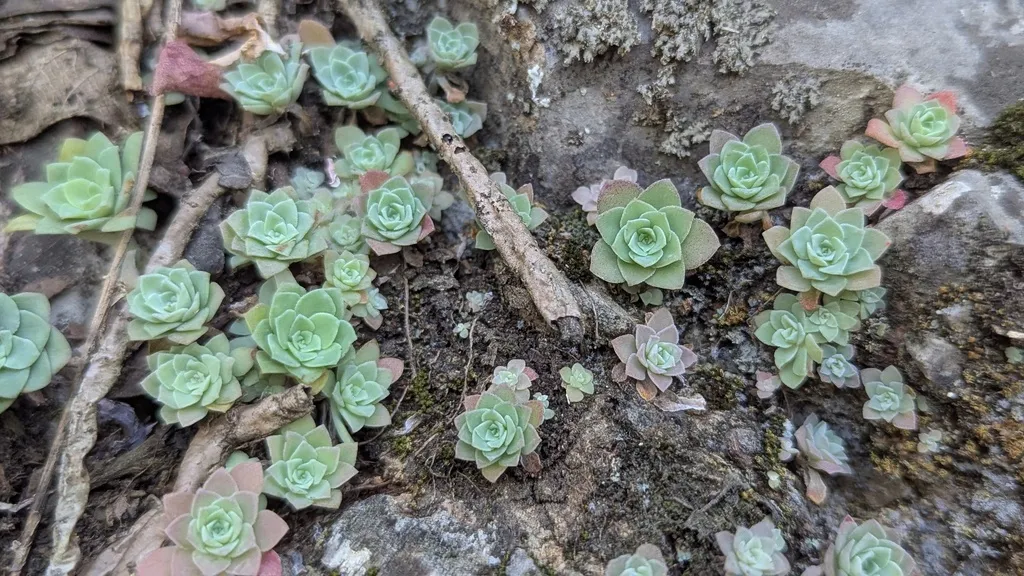
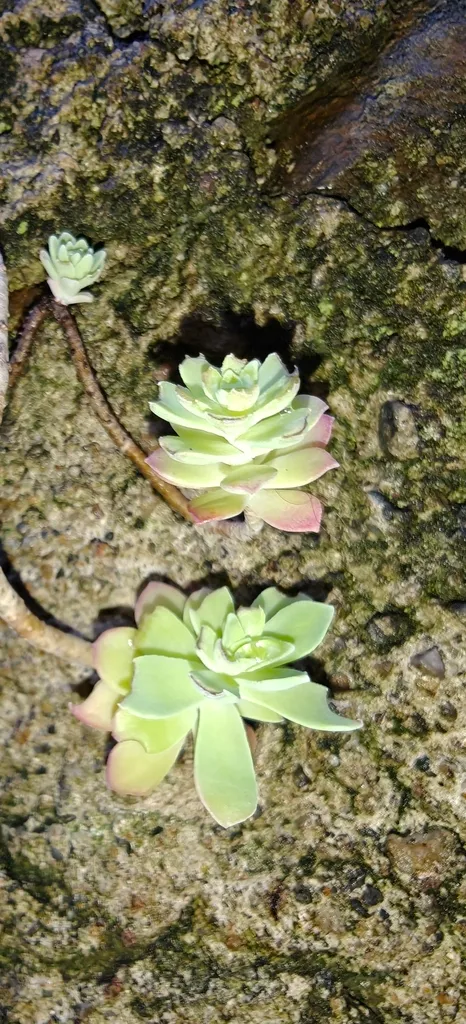
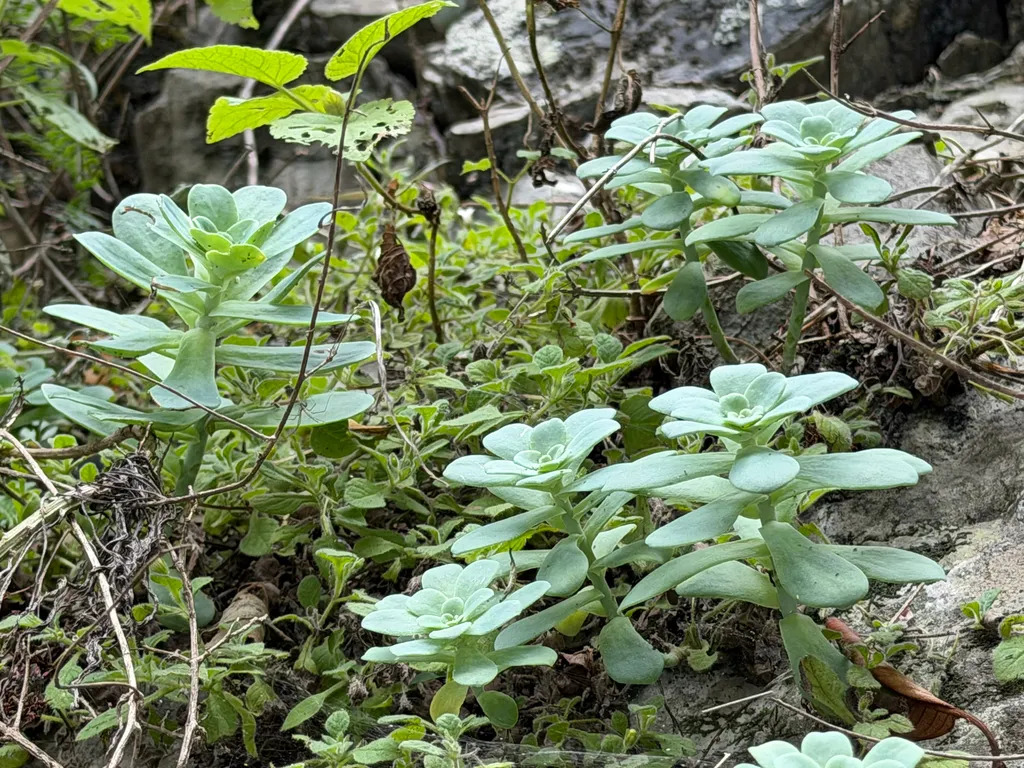
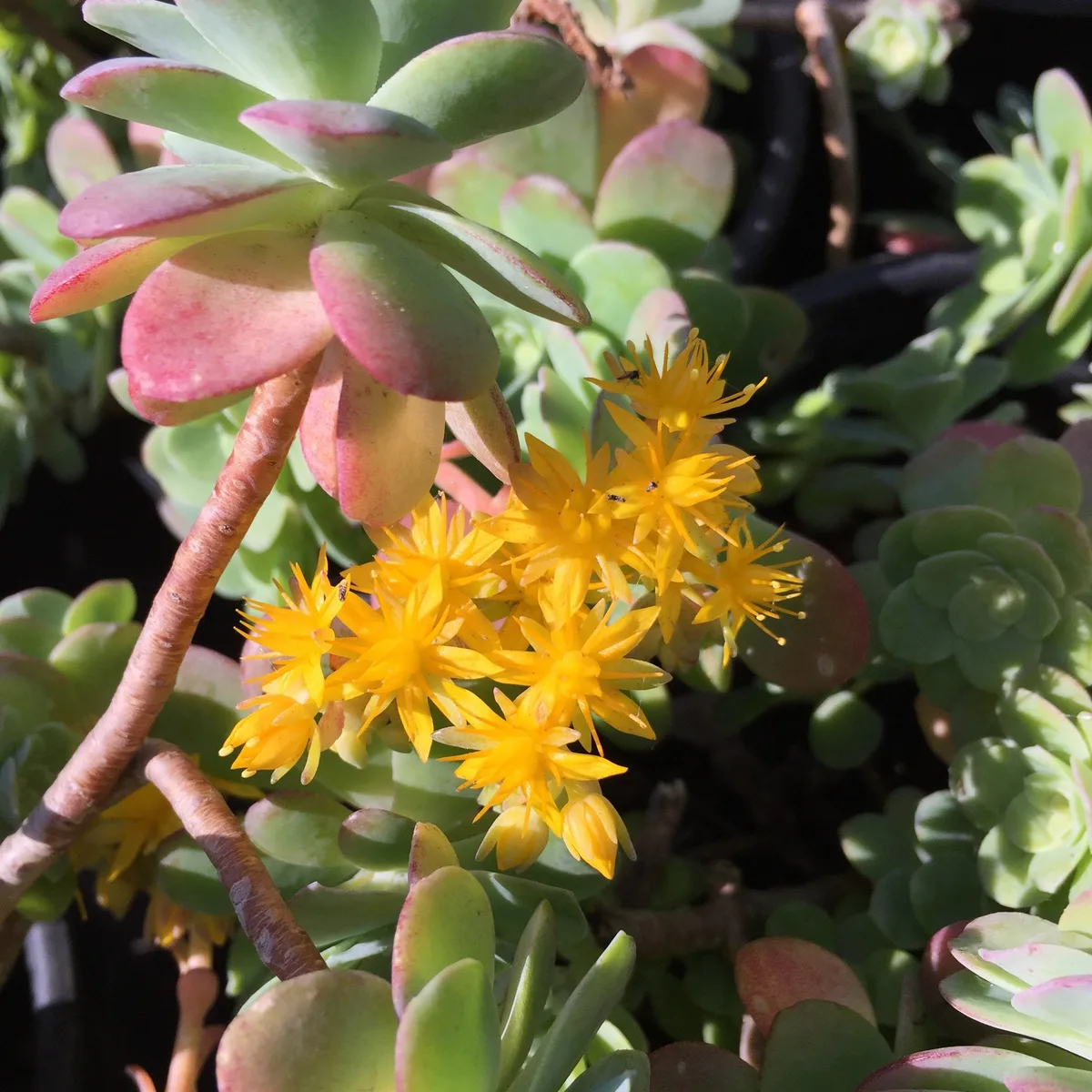
A spreading perennial succulent with multiple branching stems, that form rosettes of fleshy, spoon shaped grey-green leaves with pointed tips. Leaves flush reddish-pink in strong light or cold temperatures. Flowers are yellow and produced in clusters on short stems in spring
Scientific classification
- Species
- Sedum palmeri (Sedum palmeri)
- Genus
- Sedum
- Family
- Crassulaceae
- Order
- Saxifragales
- Class
- Magnoliopsida
- Phylum
- Magnoliophyta
- Information to be completed
- Toxicity
- Cactus Succulent
- Plant type
- 0.1-0.5 metres
- Height
- 0.1-0.5 metres
- Spread
- Evergreen
- Foliage
- Information to be completed
- Habit
- Spring · Autumn · Summer · Winter
- Season of interest
- Full sun · Partial shade
- Sunlight
- Information to be completed
- Ideal temperature









Sedum palmeri pictures
Distribution of Sedum palmeri
Distribution map
- Native
- Introduced
- Cultivated
Source:WCVP v16 · Royal Botanic Gardens, Kew · CC BY 3.0 · Boundaries:WGSRPD / TDWG
Sedum palmeri care guide
- Let gritty soil dry fully before each thorough watering cycle
- Watering
- Full sun · Partial shade
- Sunlight

Watering
Let gritty soil dry fully before each thorough watering cycle
Fertilizing
 Fertilizing
Very dilute low-nitrogen succulent feed monthly in warm growth
Pruning
 Pruning
No pruning required
Propagation
 Propagation
Propagate by seed, or by softwood stem cuttings or leaf cuttings
Growing
 Growing
Grow under glass in a free-draining potting mix, in full light with good ventilation, Can be grown outside in frost-free areas, in well-drained soil in full sun or partial shade. Drought tolerant once established. Protect against frost
Common pests and diseases
Diseases
May be susceptible to fungal and bacterial crown and root rots
Pests
May be susceptible to aphids, scale insects, mealybugs and vine weevils when grown under glass, and to slugs and snails when grown outdoors
Explore the plant health library →




