
star-flowered lily of the valley
Also known as: star-like false Solomon's seal; starflower
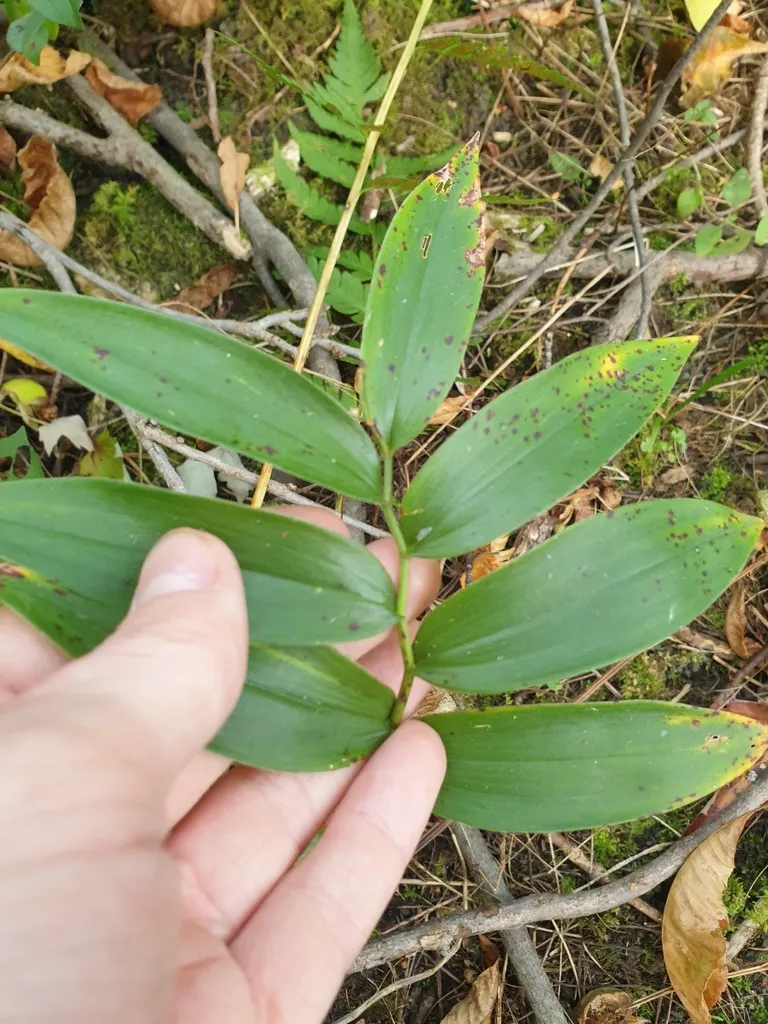
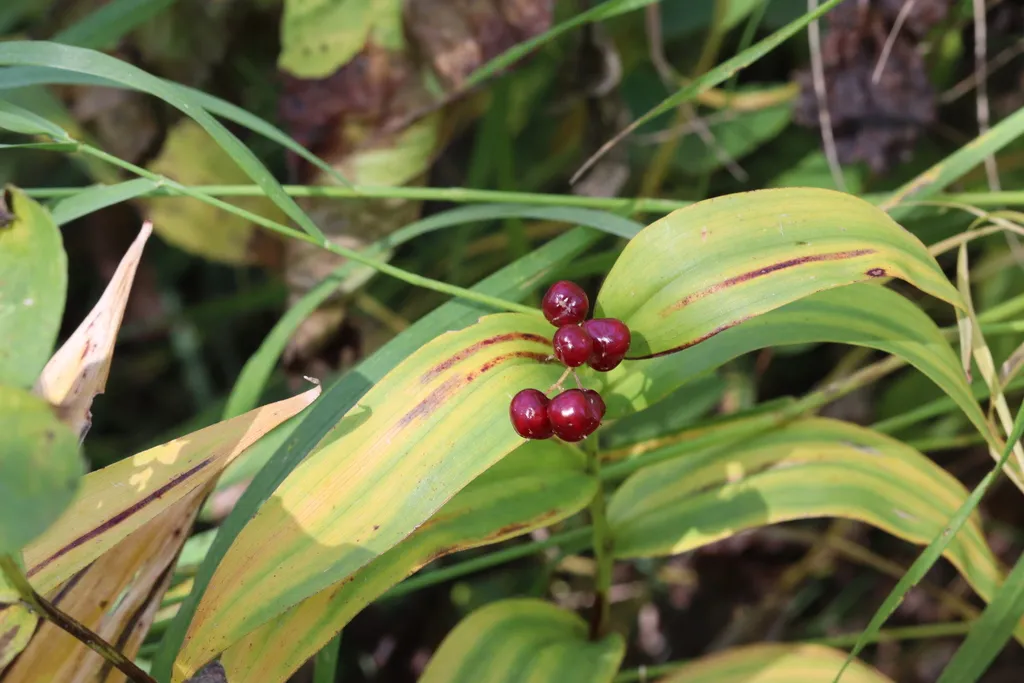
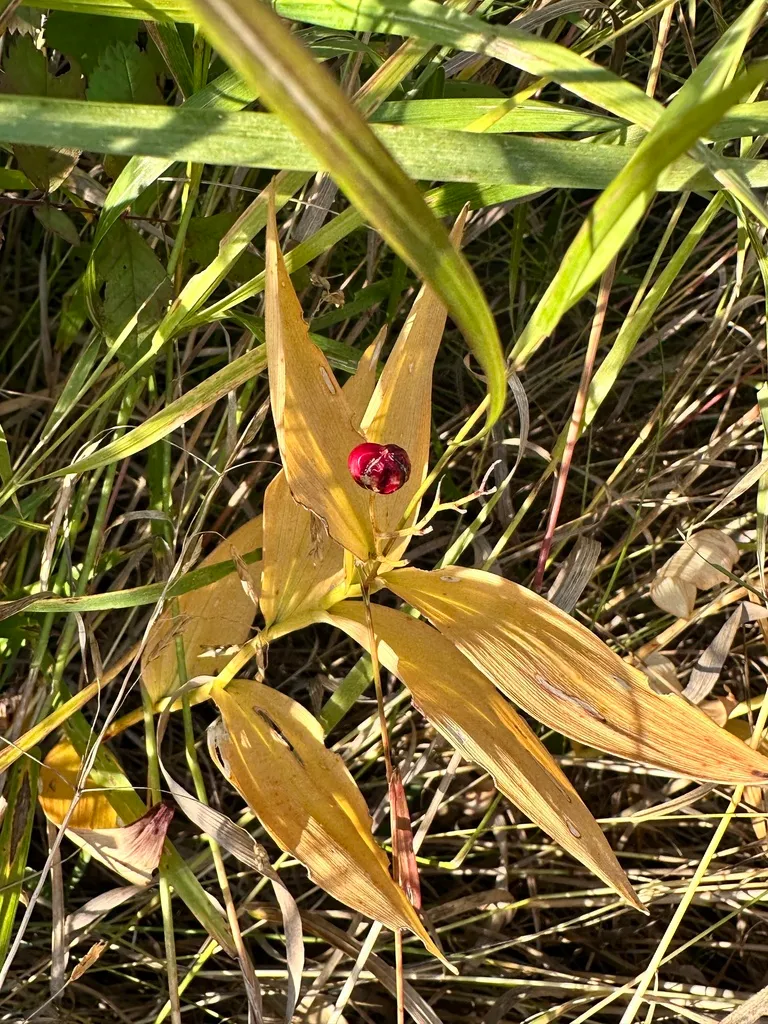
M. stellatum is a creeping, rhizomatous perennial with narrow, pointed leaves that clasp upright stems, to about 60cm tall. Small sprays of white, star-shaped, lightly-scented flowers appear in late spring and early summer followed by berries that start off green with black stripes, turning red with black stripes then black
Scientific classification
- Species
- star-flowered lily of the valley (Maianthemum stellatum)
- Genus
- Maianthemum
- Family
- Asparagaceae
- Order
- Asparagales
- Class
- Liliopsida
- Phylum
- Magnoliophyta
- Fruit are ornamental - not to be eaten. Wear gloves and other protective equipment when handling
- Toxicity
- Herbaceous Perennial
- Plant type
- 0.5-1 metres
- Height
- 1-1.5 metres
- Spread
- Deciduous
- Foliage
- Bushy
- Habit
- Spring · Summer · Autumn
- Season of interest
- Partial shade
- Sunlight
- Information to be completed
- Ideal temperature









star-flowered lily of the valley pictures
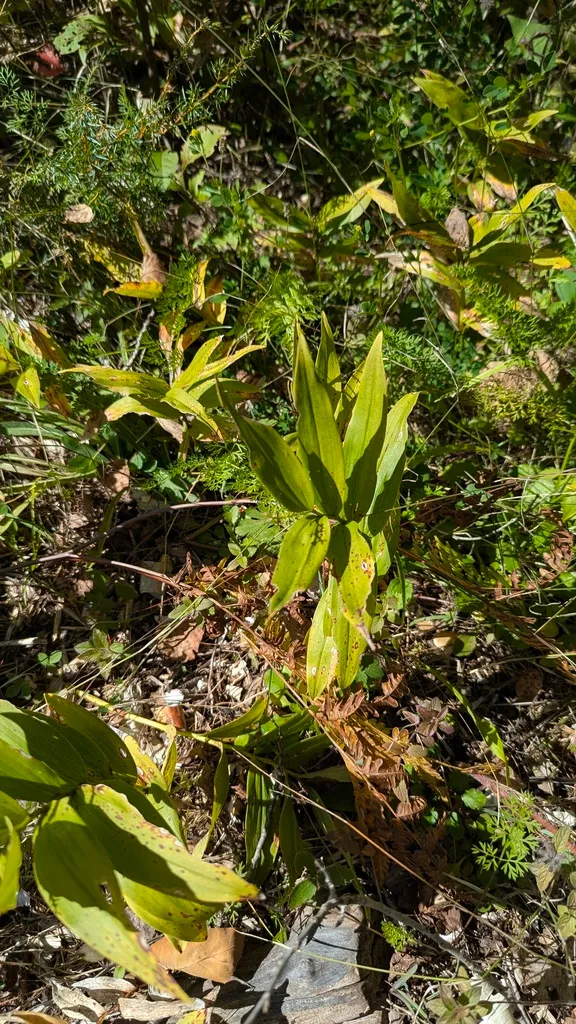
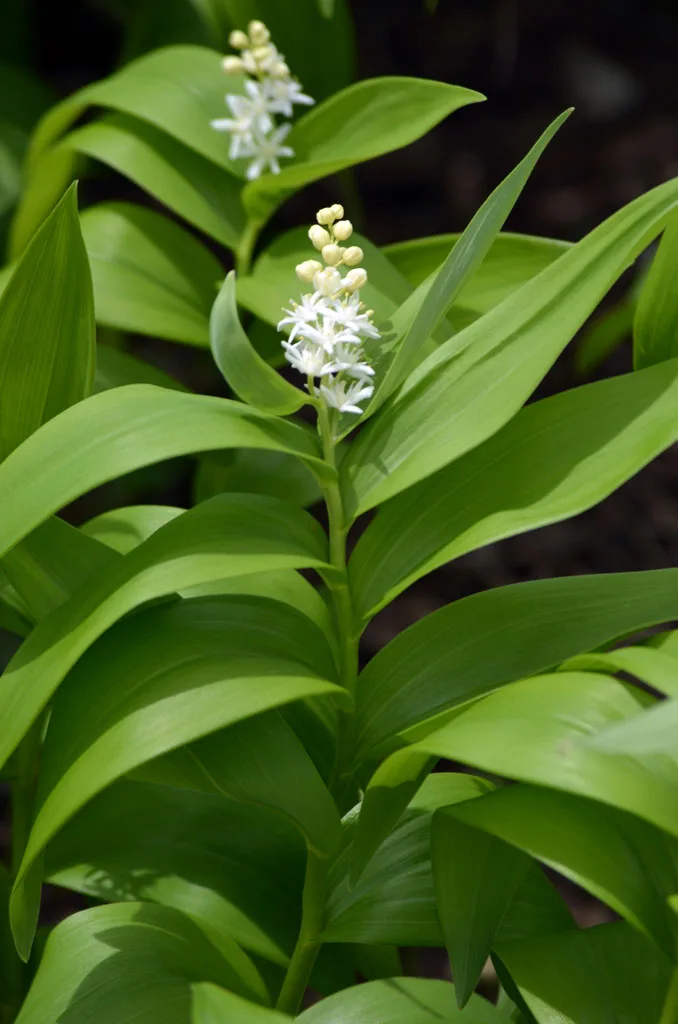
Distribution of star-flowered lily of the valley
Distribution map
- Native
- Introduced
- Cultivated
Source:WCVP v16 · Royal Botanic Gardens, Kew · CC BY 3.0 · Boundaries:WGSRPD / TDWG
Toxicity
Fruit are ornamental - not to be eaten. Wear gloves and other protective equipment when handling
star-flowered lily of the valley care guide
- Evenly moist woodland soil, light watering under full shade cover
- Watering
- Partial shade
- Sunlight

Watering
Evenly moist woodland soil, light watering under full shade cover
Fertilizing
 Fertilizing
Weak organic diluted feed monthly spring through summer months
Pruning
 Pruning
No pruning required
Propagation
 Propagation
Propagate by seed in pots in a cold frame in autumn, or by division of rhizomes in spring
Growing
 Growing
Grow in moderately fertile, humus-rich, lime-free, moist but well-drained soil in partial shade. Shelter from cold winds. Can spread
Common pests and diseases
Diseases
Generally disease-free
Pests
Generally pest-free
Explore the plant health library →




