
bean (climbing French) 'Cobra'
Also known as: Information to be completed
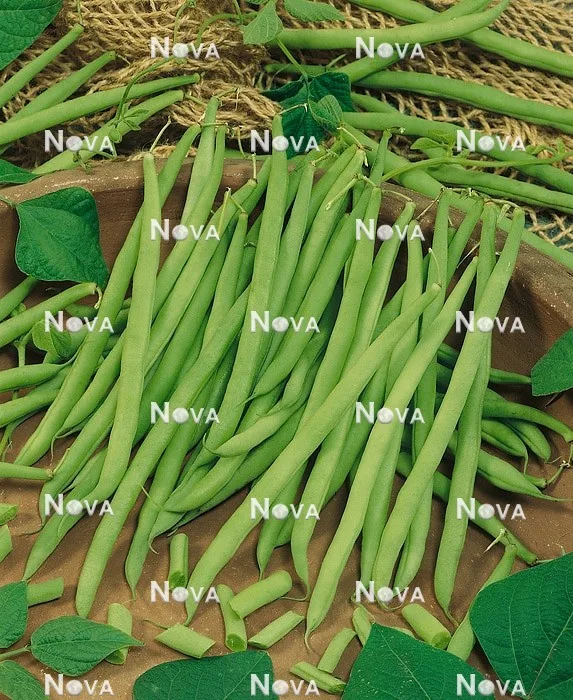
Most reliable vigorous French bean climber that quickly reaches the top producing ahead of most, a third more beans than other varieties. A long season continous heavy cropper of smooth, round, 7 inches long, sweetly flavoured stringless pods with exceptional flavour. The pale violet flowers in summer are also worthy of the ornamental garden.
Scientific classification
- Species
- bean (climbing French) 'Cobra' (Phaseolus vulgaris 'Cobra')
- Genus
- Phaseolus
- Family
- Fabaceae
- Order
- Fabales
- Class
- Magnoliopsida
- Phylum
- Magnoliophyta
- Raw pods/beans harmful if eaten. Wear gloves and other protective equipment when handling
- Toxicity
- Climber Wall Shrub
- Plant type
- 1.5-2.5 metres
- Height
- 0.1-0.5 metres
- Spread
- Deciduous
- Foliage
- Climbing
- Habit
- Summer
- Season of interest
- Full sun · Partial shade
- Sunlight
- Information to be completed
- Ideal temperature









bean (climbing French) 'Cobra' pictures
Distribution of bean (climbing French) 'Cobra'
Distribution map
- Native
- Introduced
- Cultivated
Source:WCVP v16 · Royal Botanic Gardens, Kew · CC BY 3.0 · Boundaries:WGSRPD / TDWG
Toxicity
Raw pods/beans harmful if eaten. Wear gloves and other protective equipment when handling
bean (climbing French) 'Cobra' care guide
- Moderate regular watering, avoid prolonged drought or waterlogging
- Watering
- Full sun · Partial shade
- Sunlight

Watering
Moderate regular watering, avoid prolonged drought or waterlogging
Fertilizing
 Fertilizing
Balanced feed in spring and light repeat in growth season
Pruning
 Pruning
No pruning required
Propagation
 Propagation
Propagate by seed. See sowing vegetable seeds
Growing
 Growing
Sow seeds in mid April and keep seedlings in a frost-free greenhouse or windowsill unitl the danger of frost has passed. Harden off before planting out in late May in humous rich soil. Provide support with canes for the plant to climb and train it so that it continues to twine. Mulch around the base to retain moisture and water regularly in dry warm weather. Consider planting Nasturtiums alongside as a companion plant to keep aphids away. Pick beans regularly to avoid the plant stopping production. See french-bean cultivation for further advice
Common pests and diseases
Diseases
May be susceptible to chocolote spot, Downy mildew, Foot and root rot, Halo blight, Powdery mildews
Pests
May be susceptible to black bean aphids. Young plants also need protection from slugs and snails
Explore the plant health library →




