
Astelia fragrans
Also known as: Information to be completed
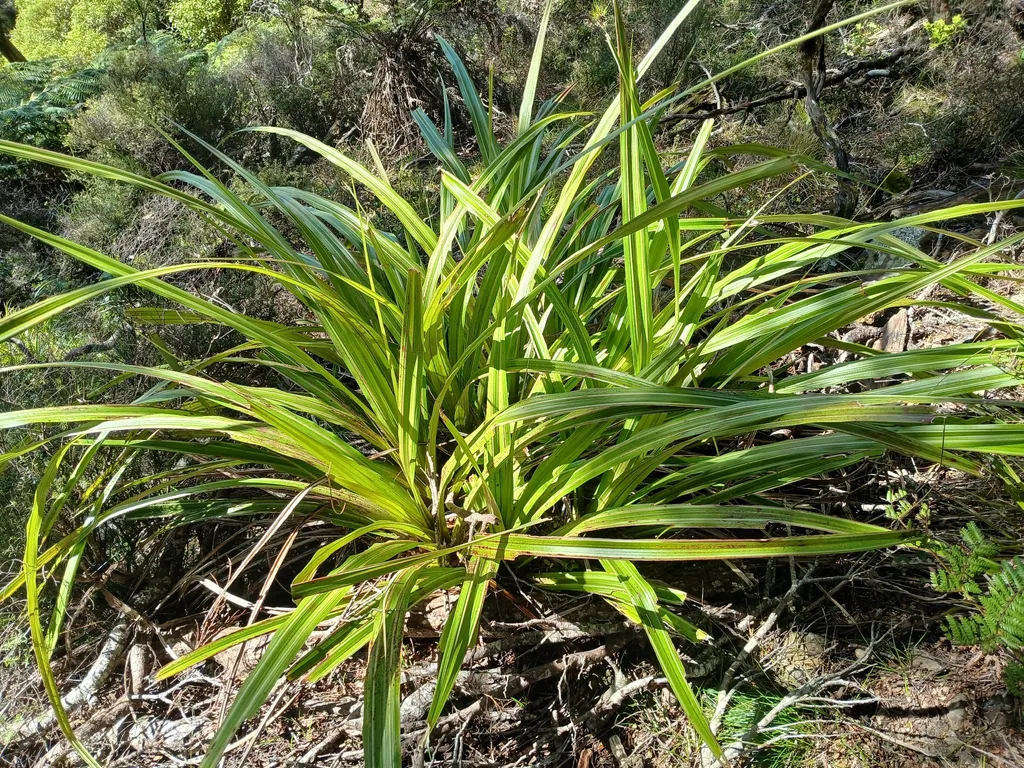
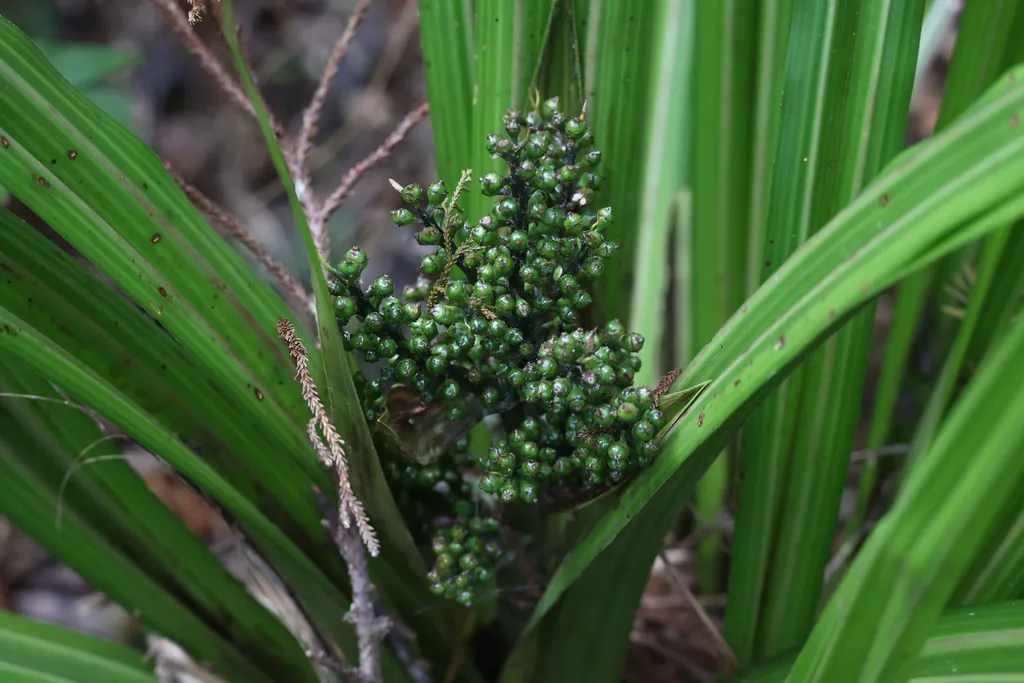
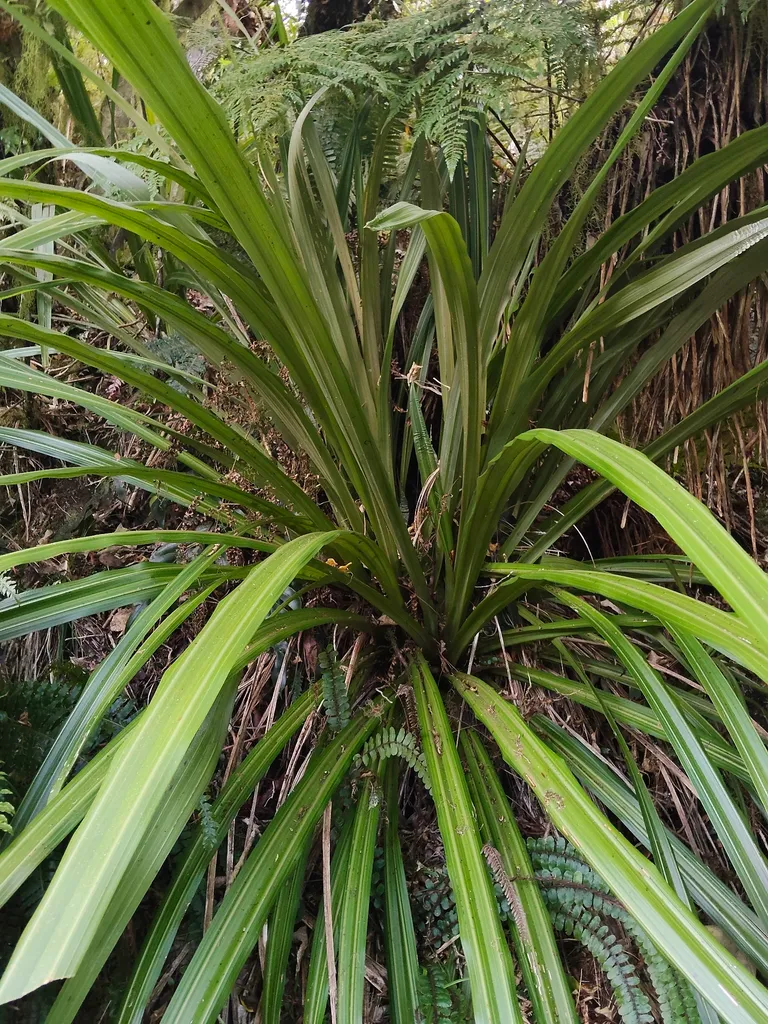
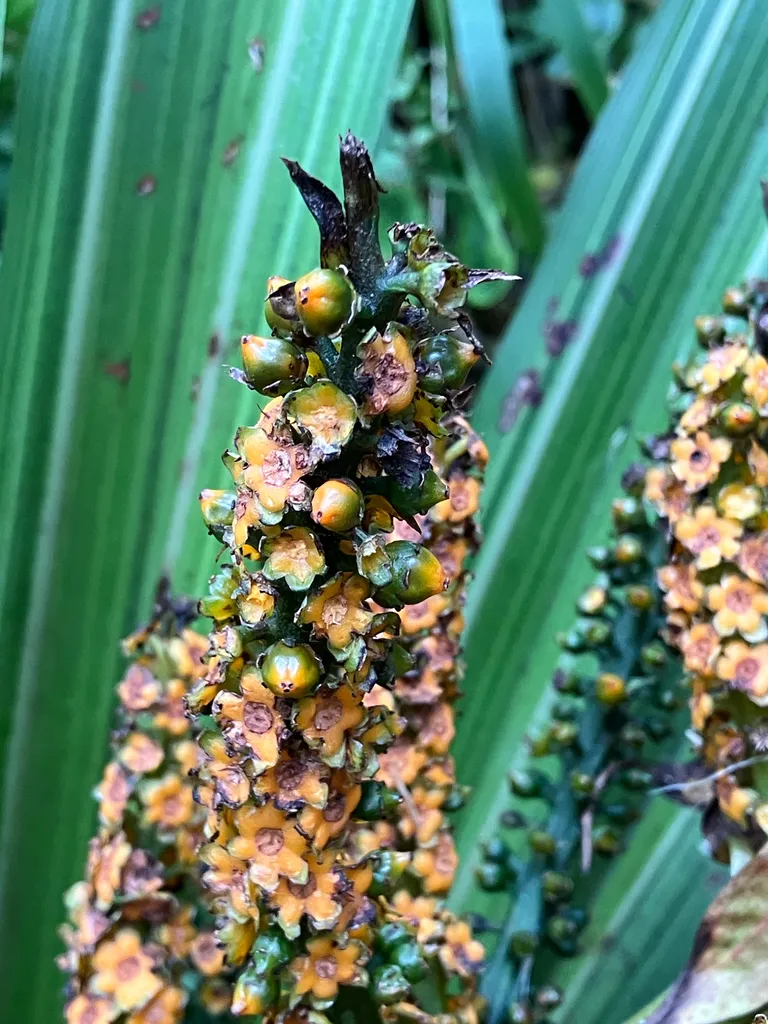
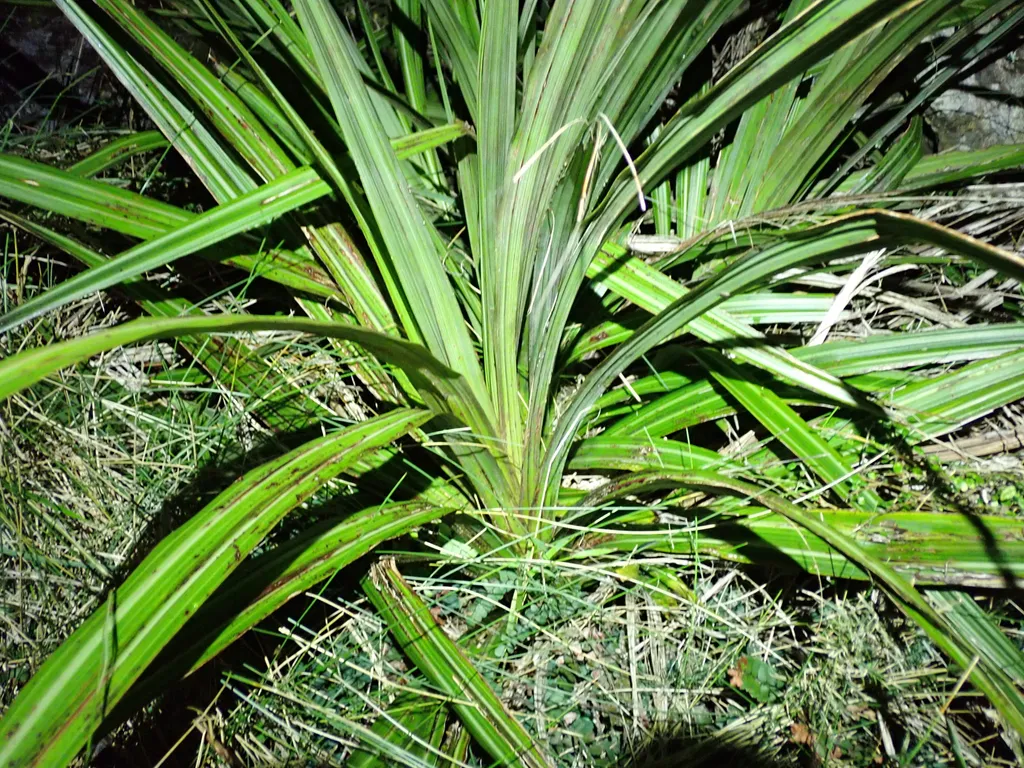
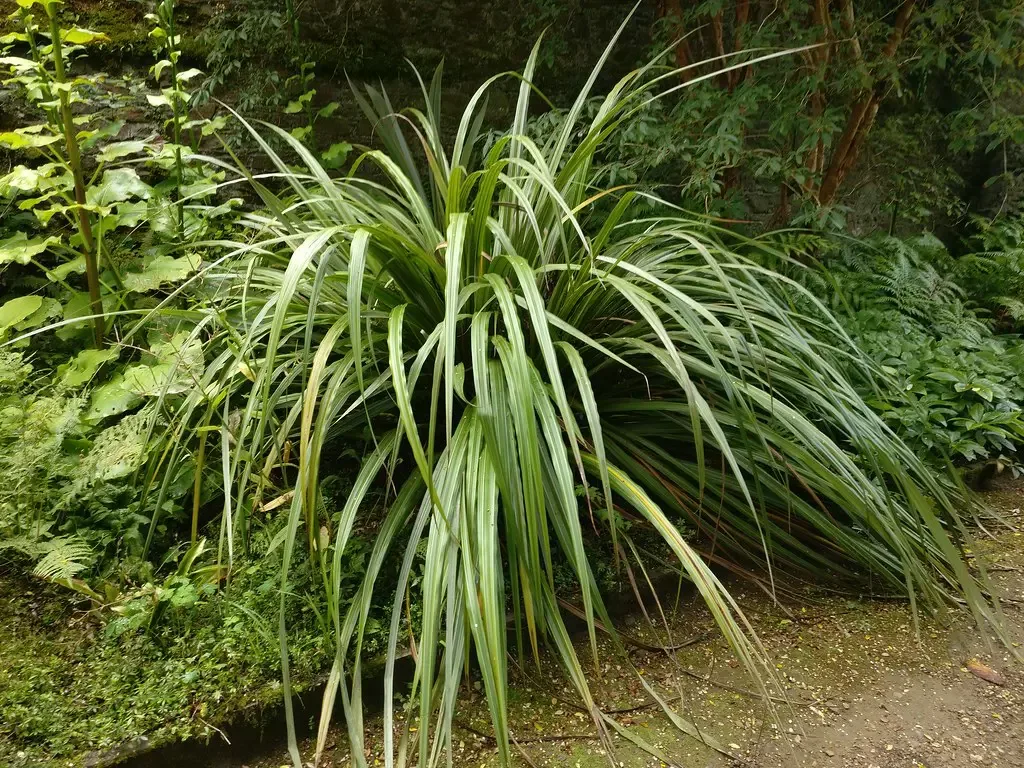
A clump-forming evergreen herbaceous perennial, to around 1m (39in) high and across, bearing mid-green strap-shaped leaves which are bright, metallic silver on their undersides. These arch upwards and outwards from the base of the plant and can be up to 1.2m (4ft) long and 8cm (3½in) across. Green, fragrant flowers appear in panicles in the centre of the plant in spring, followed by clusters of orange berries on female plants around 1cm (½in) in diameter in summer. The plant is dioecious - producing either male or female plants, meaning both male and female plants are required for the female to produce berries. An architectural plant, its dramatic foliage providing a useful focal-point in courtyard and urban gardens.
Scientific classification
- Species
- Astelia fragrans (Astelia fragrans)
- Genus
- Astelia
- Family
- Asteliaceae
- Information to be completed
- Toxicity
- Herbaceous Perennial
- Plant type
- 0.5-1 metres
- Height
- 0.5-1 metres
- Spread
- Evergreen
- Foliage
- Clump forming
- Habit
- Spring · Summer · Autumn · Winter
- Season of interest
- Partial shade
- Sunlight
- Information to be completed
- Ideal temperature









Astelia fragrans pictures
Distribution of Astelia fragrans
Distribution map
Information to be completed
Information to be completed
Culture
Information to be completed
Toxicity
Information to be completed
Quick identification of Astelia fragrans
Information to be completed
Astelia fragrans care guide
- Moderate regular watering, allowing brief slight drying between soakings
- Watering
- Partial shade
- Sunlight
- Information to be completed
- Ideal temperature

Watering
Moderate regular watering, allowing brief slight drying between soakings
Fertilizing
 Fertilizing
Balanced perennial feed every four weeks from spring through summer
Pruning
 Pruning
Remove or trim winter-damaged foliage in spring
Propagation
 Propagation
Propagate by division spring
Growing
 Growing
A half-hardy perennial which may need protection against hard frosts and temperatures below -10°C. It is happy in well-drained but moisture-retentive soil, in partial shade.
People also ask
Information to be completed
Common pests and diseases
Diseases
Generally disease-free
Pests
Generally pest-free
Explore the plant health library →




