
compass plant
Also known as: gopher plant; pilot plant; pilot weed; polar plant; ragged cup; rosin weed
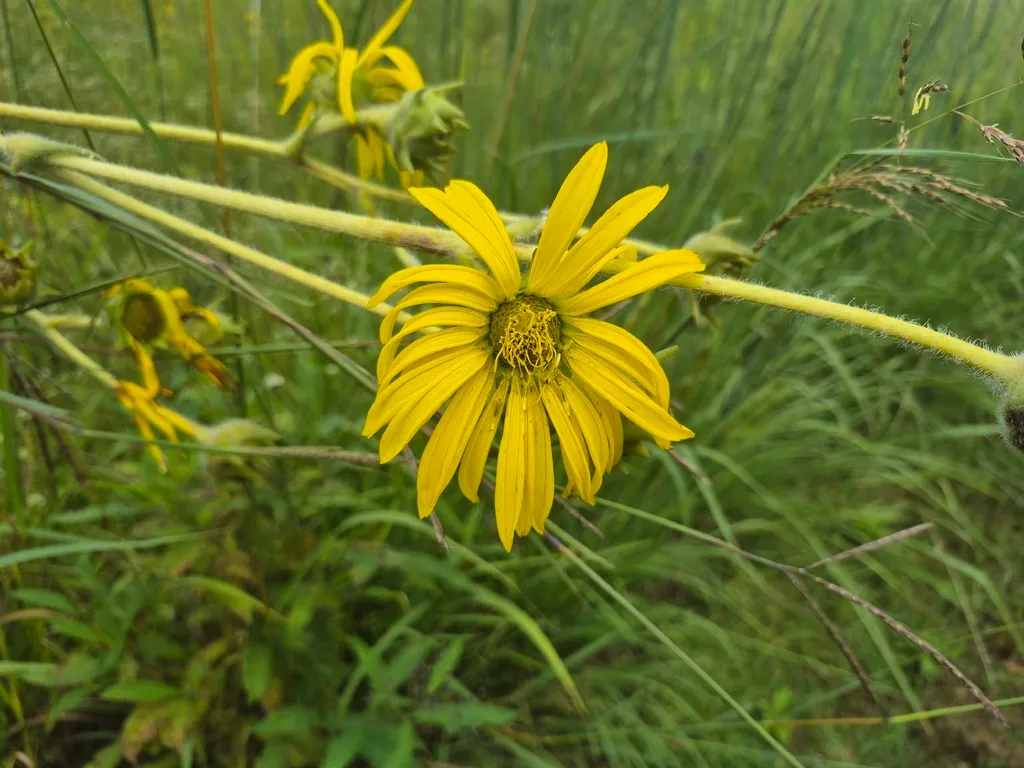
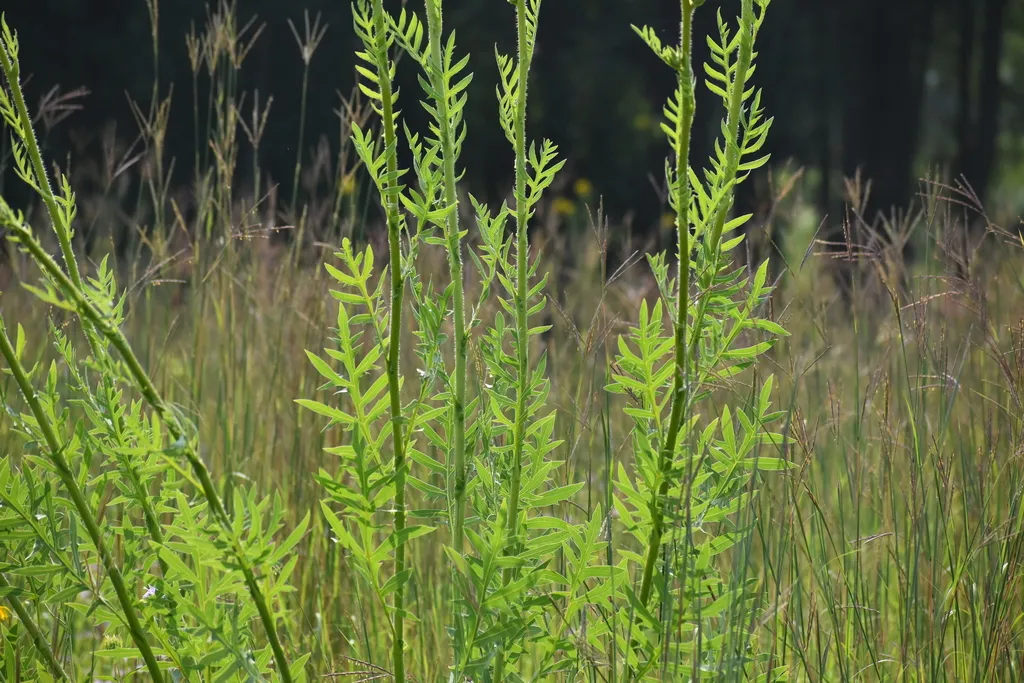
S. laciniatum is a large upright perennial, to 3m tall, with hairy, aromatic, fern-like leaves, to 50cm long, becoming smaller up the stems. In late summer and early autumn it bears narrow sprays of bright yellow daisies, each up to 12cm across
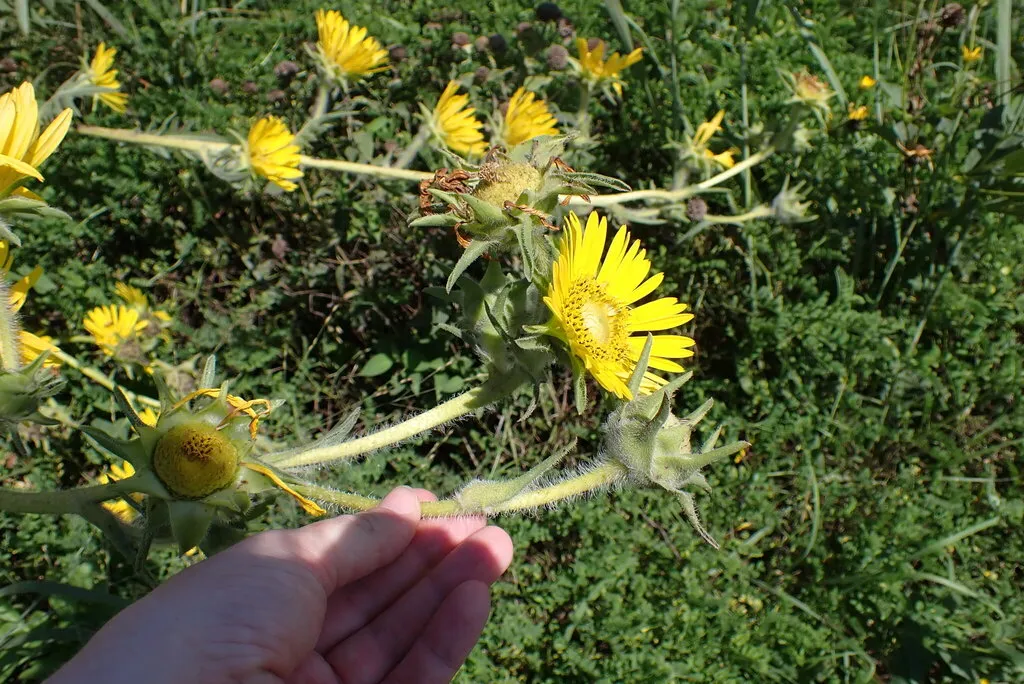
Scientific classification
- Species
- compass plant (Silphium laciniatum)
- Genus
- Silphium
- Family
- Asteraceae
- Information to be completed
- Toxicity
- Herbaceous Perennial
- Plant type
- 2.5-4 metres
- Height
- 0.5-1 metres
- Spread
- Deciduous
- Foliage
- Columnar upright
- Habit
- Spring · Summer · Autumn
- Season of interest
- Full sun · Partial shade
- Sunlight
- Information to be completed
- Ideal temperature









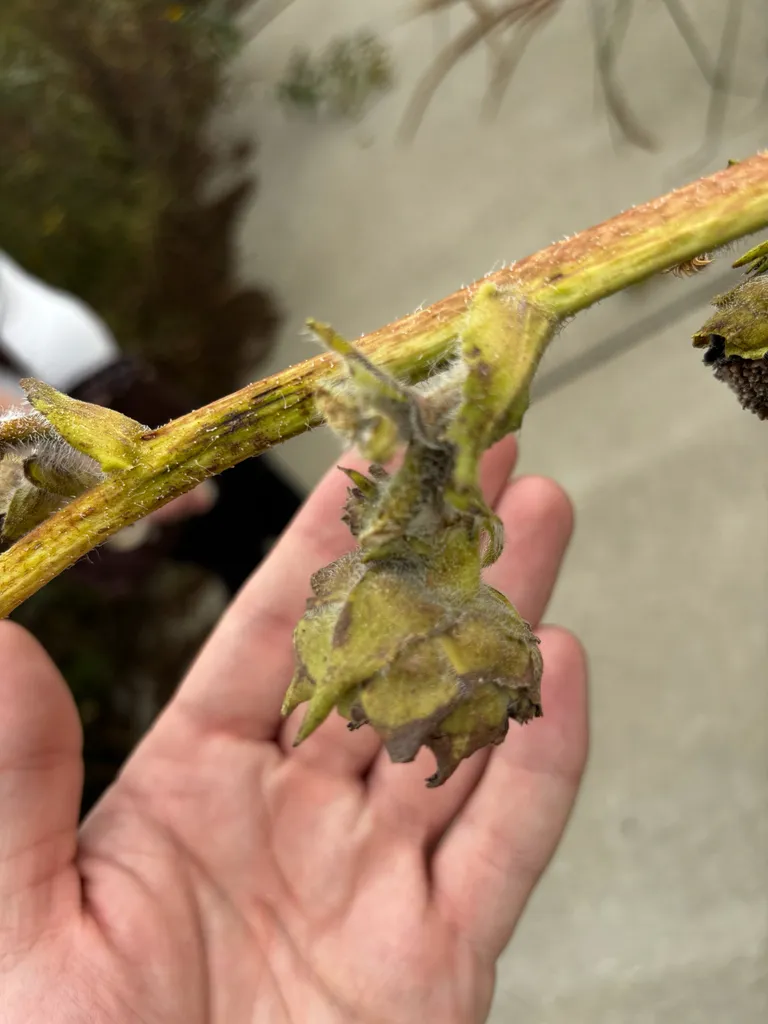
compass plant pictures
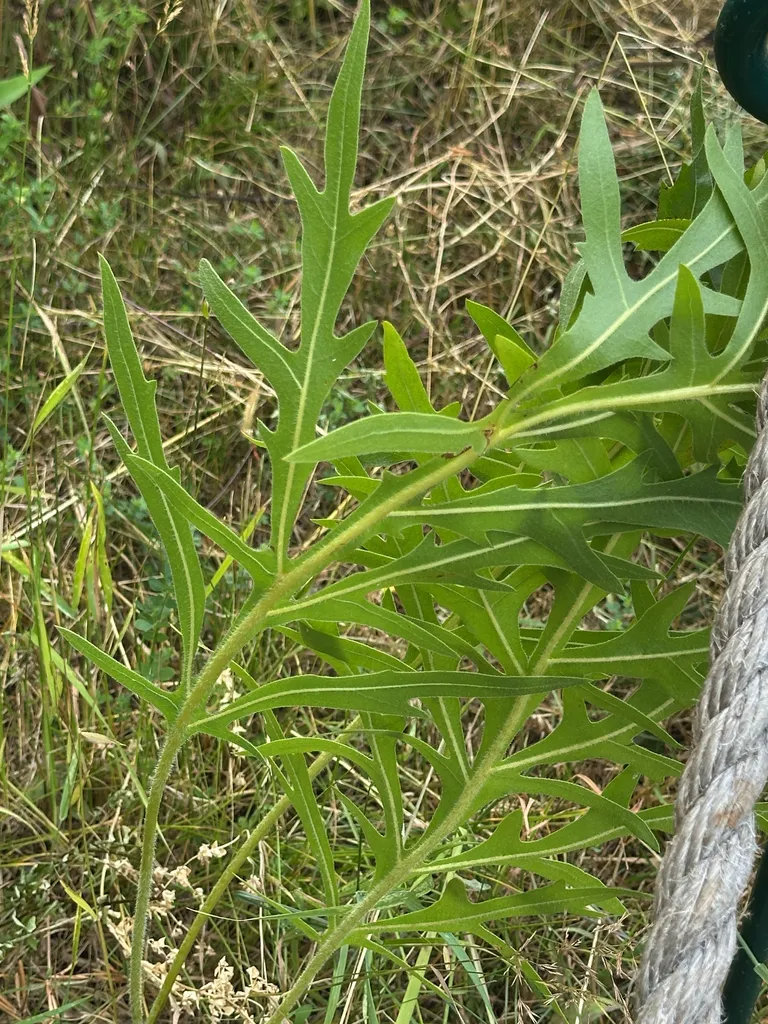
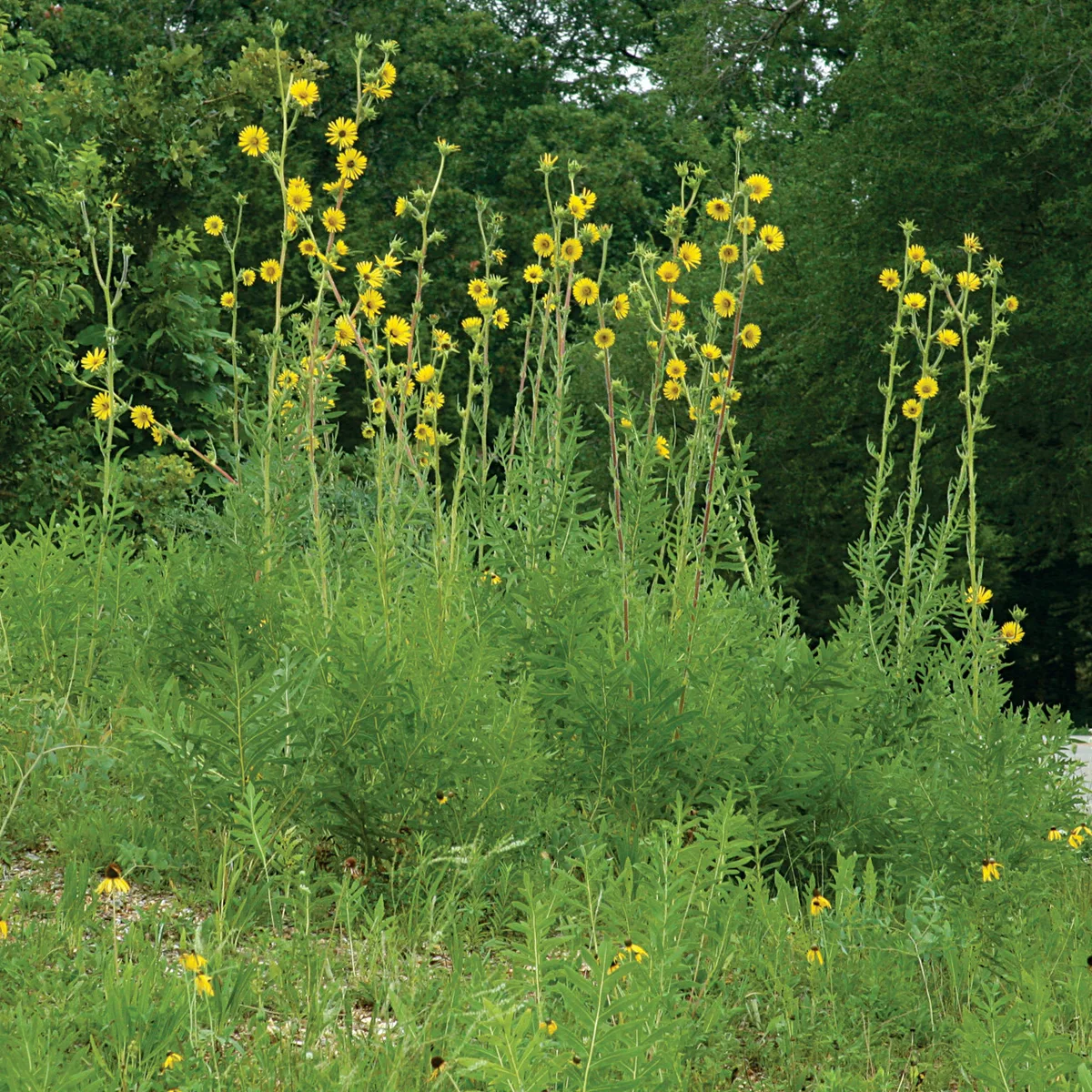
Distribution of compass plant
Distribution map
Northern America
Information to be completed
Culture
Information to be completed
Toxicity
Information to be completed
Quick identification of compass plant
Information to be completed
compass plant care guide
- Moderate regular watering, allowing brief slight drying between soakings
- Watering
- Full sun · Partial shade
- Sunlight
- Information to be completed
- Ideal temperature

Watering
Moderate regular watering, allowing brief slight drying between soakings
Fertilizing
 Fertilizing
Balanced perennial feed every four weeks from spring through summer
Pruning
 Pruning
Cut back after flowering; stems may optionally be left until shortly before new growth begins the following season
Propagation
 Propagation
Propagate by seed or division
Growing
 Growing
Grow in moderately fertile, moist, deep, neutral to slightly alkaline, heavy soil in full sun or partial shade
People also ask
Information to be completed
Common pests and diseases
Diseases
Generally trouble free
Pests
Generally trouble free
Explore the plant health library →




