
Japanese skimmia
Also known as: Information to be completed
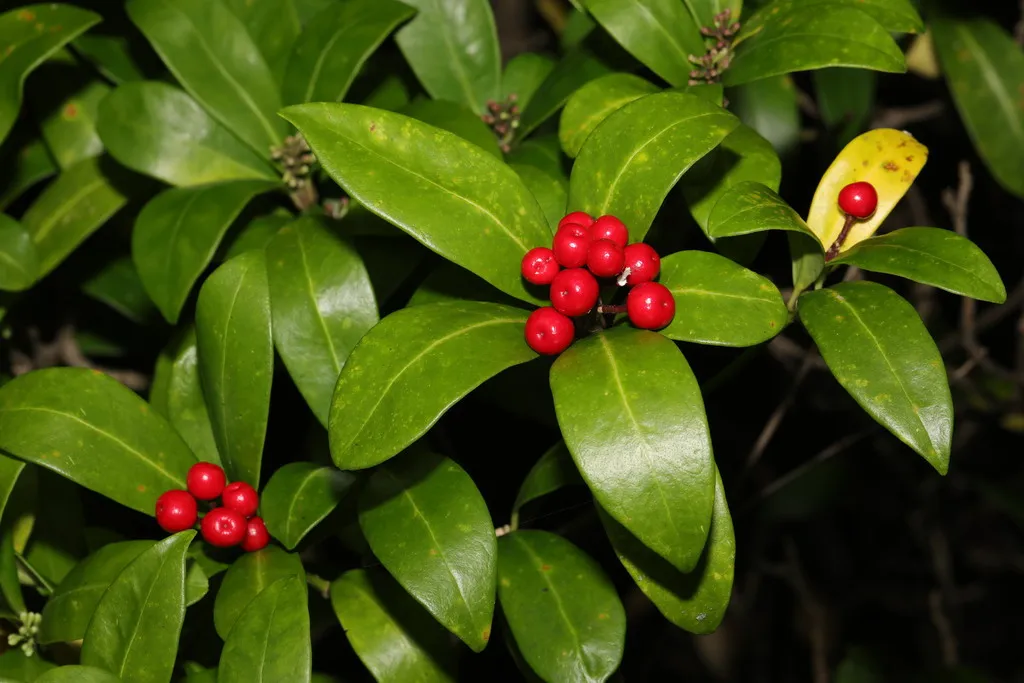
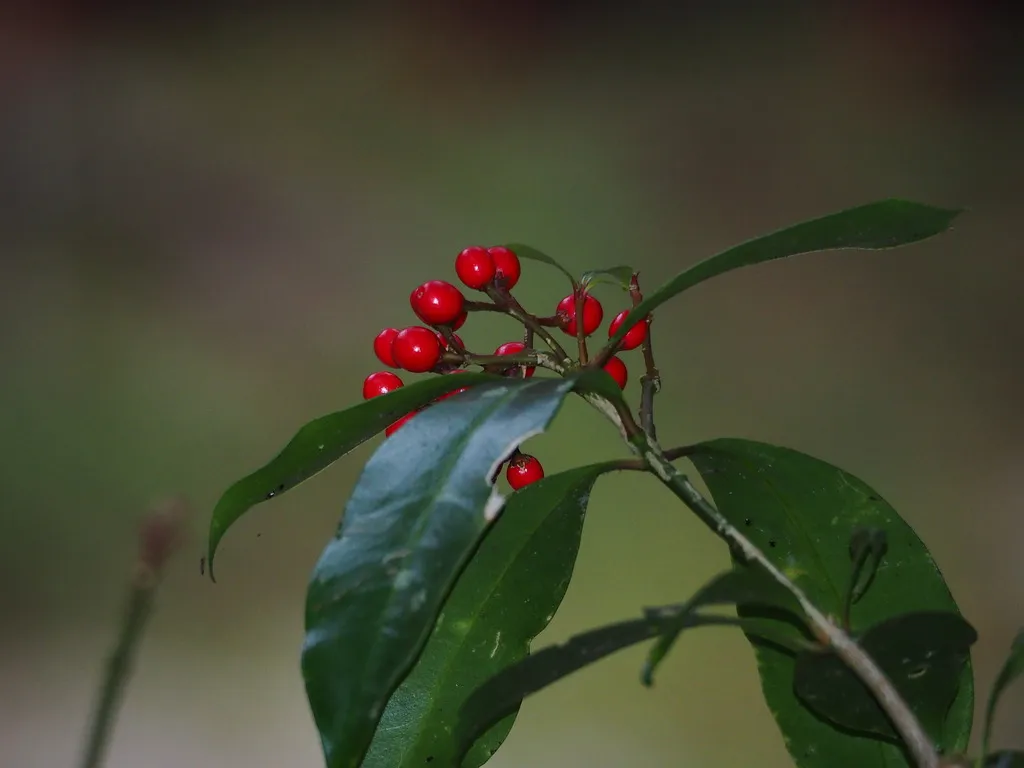
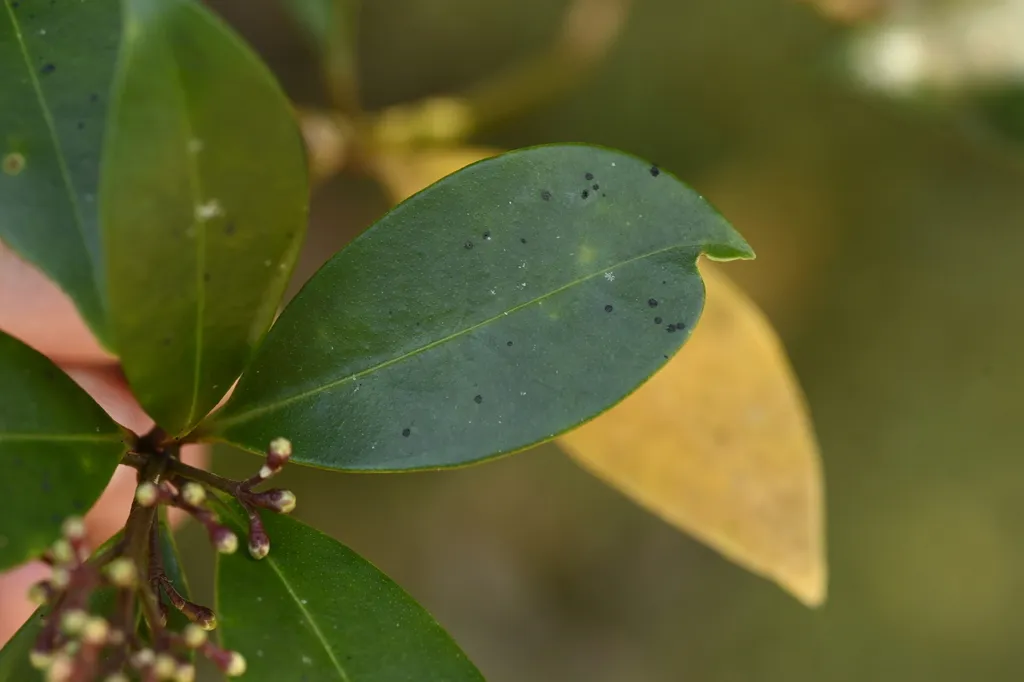
S. japonica is a variable, evergreen, densely-branched, dome-shaped shrub, low and creeping or erect, from 0.5m to 7m in height (but typically up to 1.5m in cultivation), with slightly-aromatic, dark green, leathery, obovate to elliptic leaves. White flowers in spring, sometimes flushed pink or red on the outside, appear in panicles at the ends of branches; male flowerheads are large and conspicuous, up to 8cm long, and very sweetly-scented, while the smaller fragrant female flowerheads are followed, if pollinated, by brilliantly bright red fruits, 8mm across, which usually last until the next flowers appear the following spring
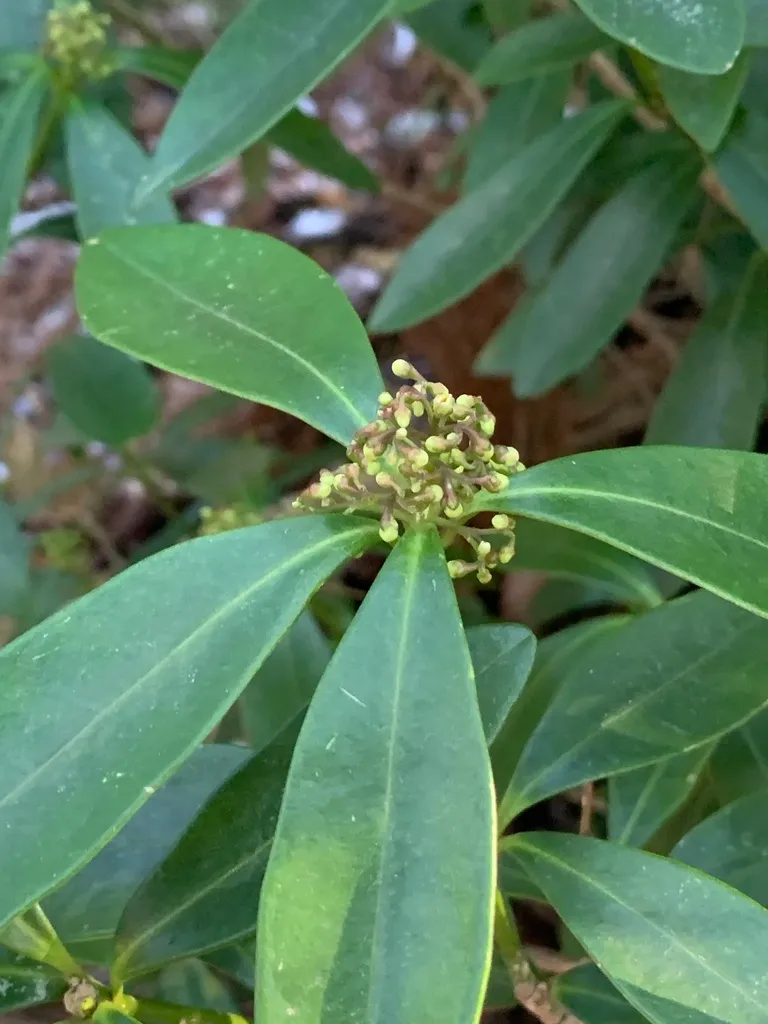
Scientific classification
- Species
- Japanese skimmia (Skimmia japonica)
- Genus
- Skimmia
- Family
- Rutaceae
- Order
- Sapindales
- Class
- Magnoliopsida
- Phylum
- Magnoliophyta
- Fruit are ornamental, not to be eaten. Wear gloves and other protective equipment when handling]
- Toxicity
- Shrubs
- Plant type
- 1.5-2.5 metres
- Height
- 1-1.5 metres
- Spread
- Evergreen
- Foliage
- Bushy
- Habit
- Spring · Summer · Autumn · Winter
- Season of interest
- Full shade · Partial shade
- Sunlight
- Information to be completed
- Ideal temperature









Japanese skimmia pictures
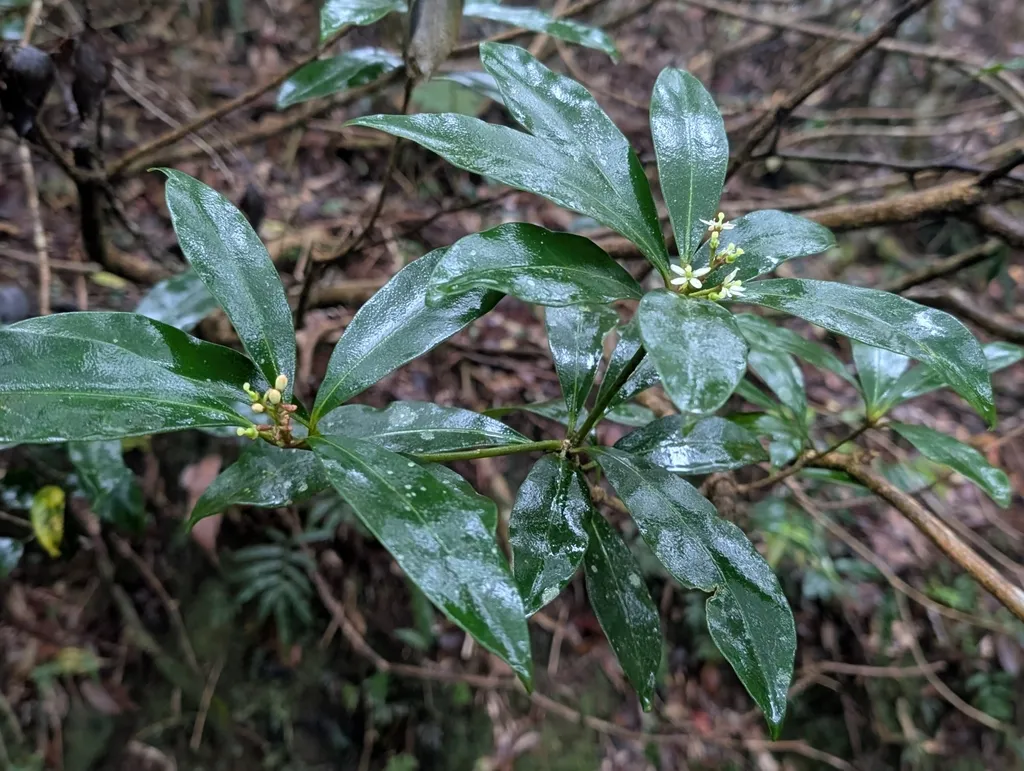
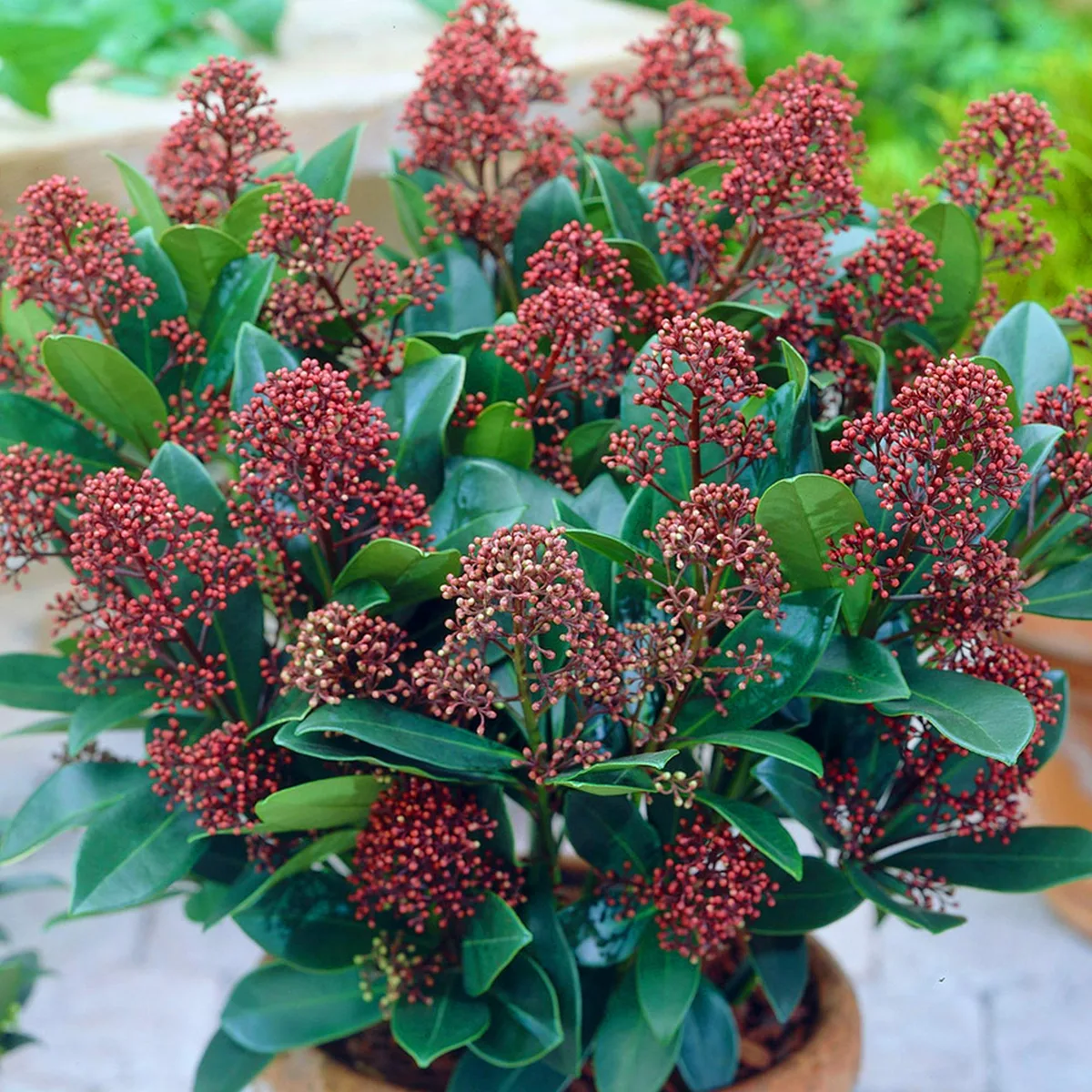
Distribution of Japanese skimmia
Distribution map
- Native
- Introduced
- Cultivated
Source:WCVP v16 · Royal Botanic Gardens, Kew · CC BY 3.0 · Boundaries:WGSRPD / TDWG
Toxicity
Fruit are ornamental, not to be eaten. Wear gloves and other protective equipment when handling]
Japanese skimmia care guide
- Moderate deep watering during dry periods, free drainage preferred
- Watering
- Full shade · Partial shade
- Sunlight

Watering
Moderate deep watering during dry periods, free drainage preferred
Fertilizing
 Fertilizing
Balanced shrub feed once in spring
Pruning
 Pruning
Keep pruning to a minimum: remove dead, damaged or unwanted growth; if shaping is needed, trim lightly after flowering.
Propagation
 Propagation
Propagate by seed, sown in a cold frame in autumn, or sown outside in spring; by softwood cuttings of new growth in early summer and given bottom heat; by semi-ripe cuttings in a cold frame in late summer; or by layering
Growing
 Growing
Grow in humus-rich, light, rich, moist but well-drained soil in partial or full shade; will grow best in neutral or acidic soils, but will also thrive in humus-rich alkaline soils; plant both male and female plants to get fruits
Common pests and diseases
Diseases
May be susceptible to Phytophthora and honey fungus
Pests
May be susceptible to scale insects, and to vine weevil when grown in containers
Explore the plant health library →




