
Aster ageratoides
Also known as: Information to be completed
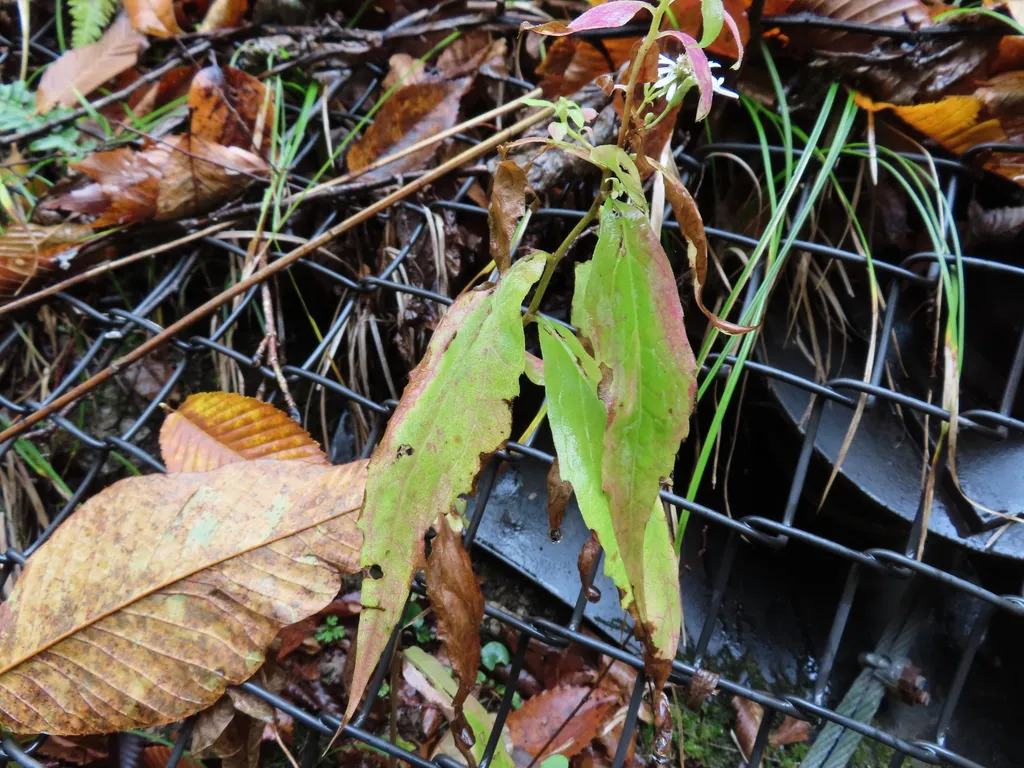
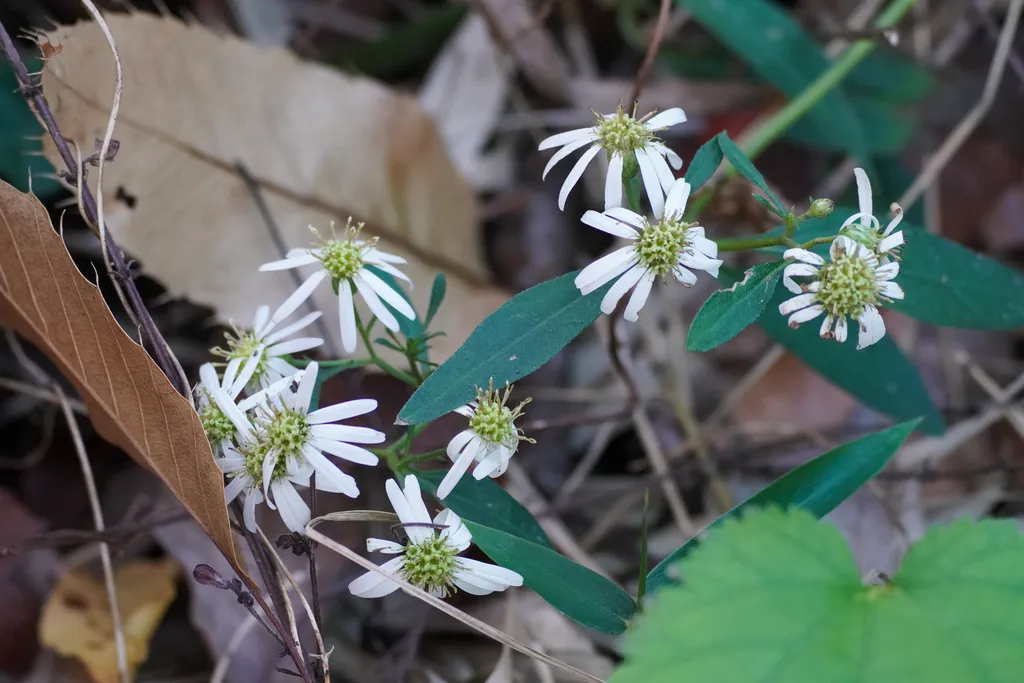
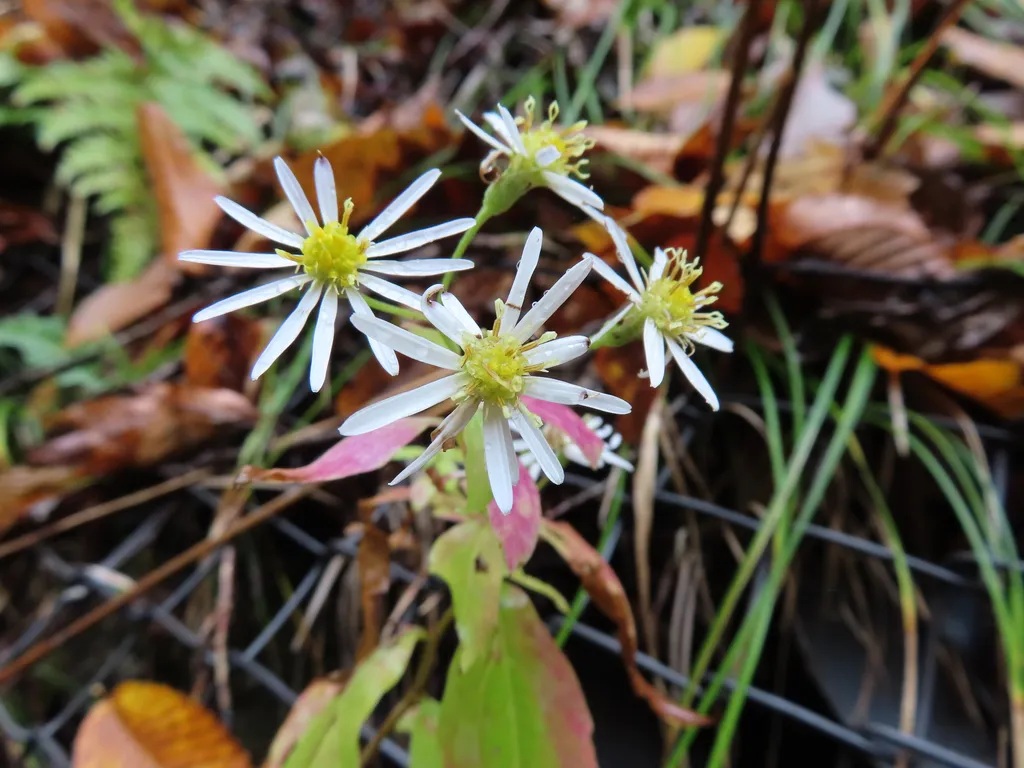
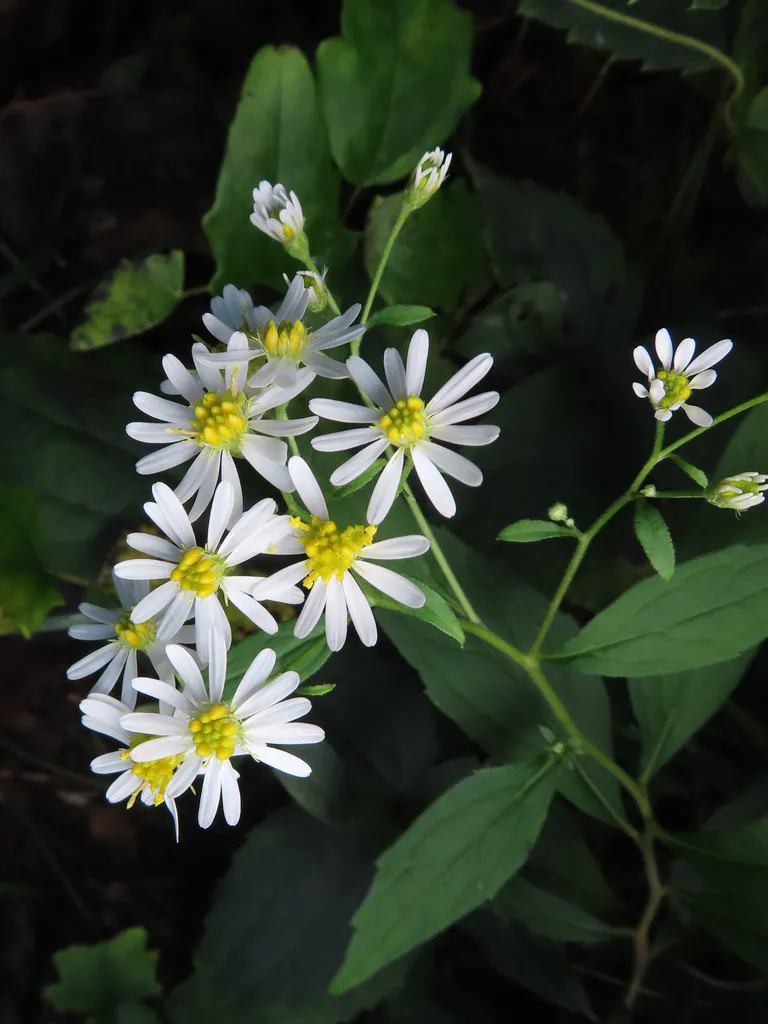
Clump-forming perennial which grows to about 75-90cm tall, with dark green, toothed, lance-shaped leaves, and clusters of dark violet flowers with yellow centres, flowering on strong stems, over a long period from early to late autumn or early winter
Scientific classification
- Species
- Aster ageratoides (Aster ageratoides)
- Genus
- Aster
- Family
- Asteraceae
- Information to be completed
- Toxicity
- Herbaceous Perennial
- Plant type
- 0.5-1 metres
- Height
- 0.5-1 metres
- Spread
- Deciduous
- Foliage
- Clump forming
- Habit
- Spring · Summer · Autumn
- Season of interest
- Full sun · Partial shade
- Sunlight
- Information to be completed
- Ideal temperature









Aster ageratoides pictures
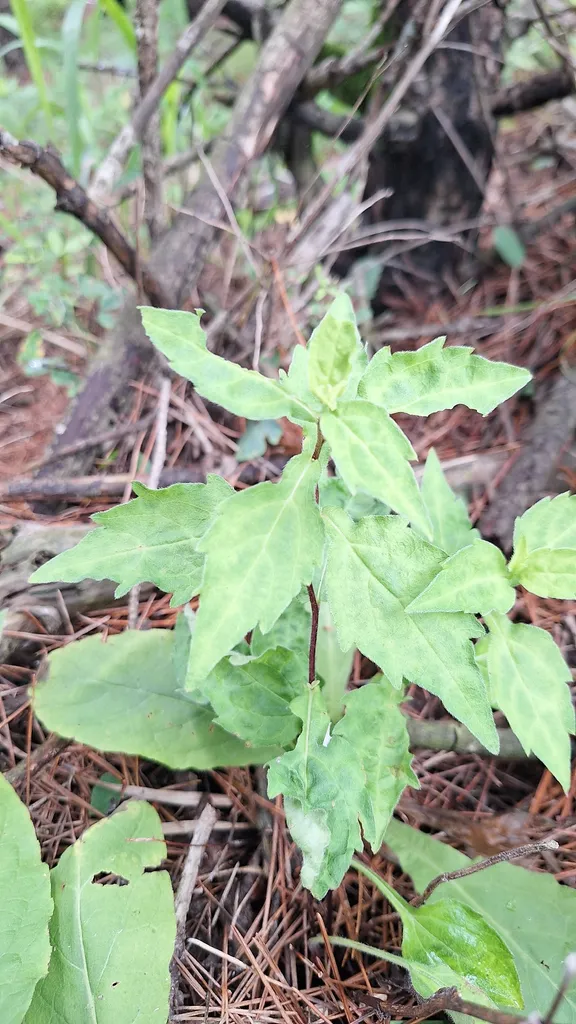
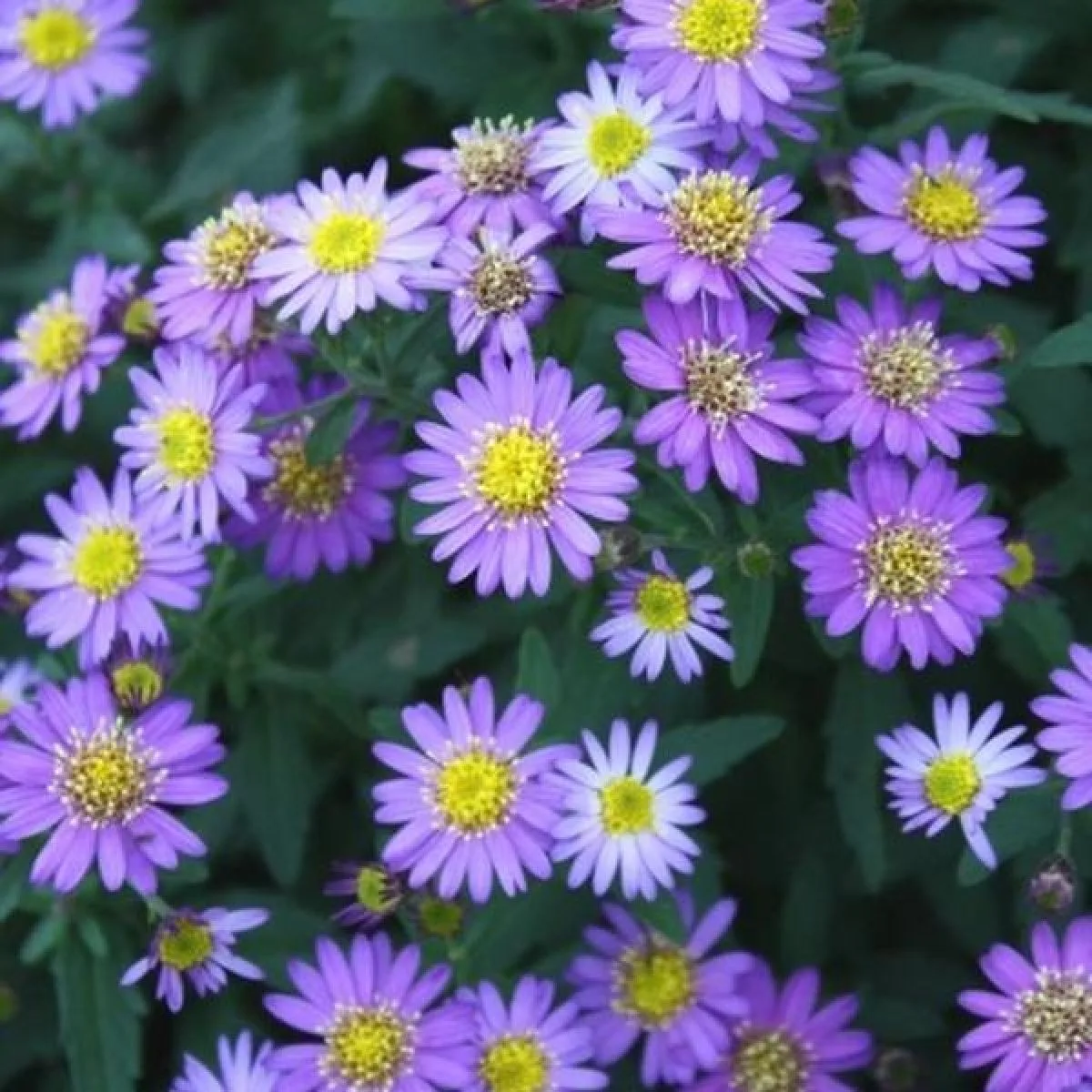
Distribution of Aster ageratoides
Distribution map
Himalaya
Information to be completed
Culture
Information to be completed
Toxicity
Information to be completed
Quick identification of Aster ageratoides
Information to be completed
Aster ageratoides care guide
- Evenly moist soil spring-autumn, reduce irrigation volume cold winter
- Watering
- Full sun · Partial shade
- Sunlight
- Information to be completed
- Ideal temperature

Watering
Evenly moist soil spring-autumn, reduce irrigation volume cold winter
Fertilizing
 Fertilizing
Weak balanced perennial feed every three weeks warm growing season
Pruning
 Pruning
Deadhead spent flowers to tidy, cut back stem close to the ground in late autumn
Propagation
 Propagation
Propagate by division in spring or root softwood basal cuttings in spring
Growing
 Growing
Grow in moderately fertile, well-drained soil in full sun or light shade. See aster cultivation
People also ask
Information to be completed
Common pests and diseases
Diseases
Asters may be susceptible to Verticillium wilt, Powdery mildews and grey moulds
Pests
May be susceptible to leaf and bud eelworms, slugs and snails
Explore the plant health library →




