
prickly ivy
Also known as: Information to be completed
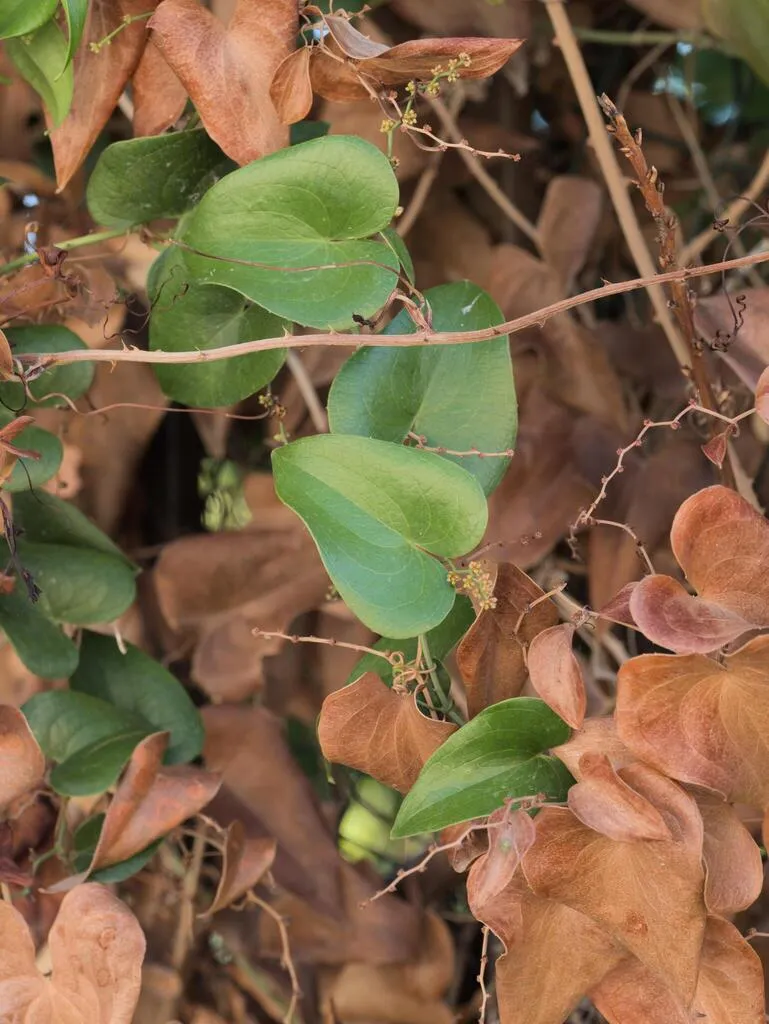
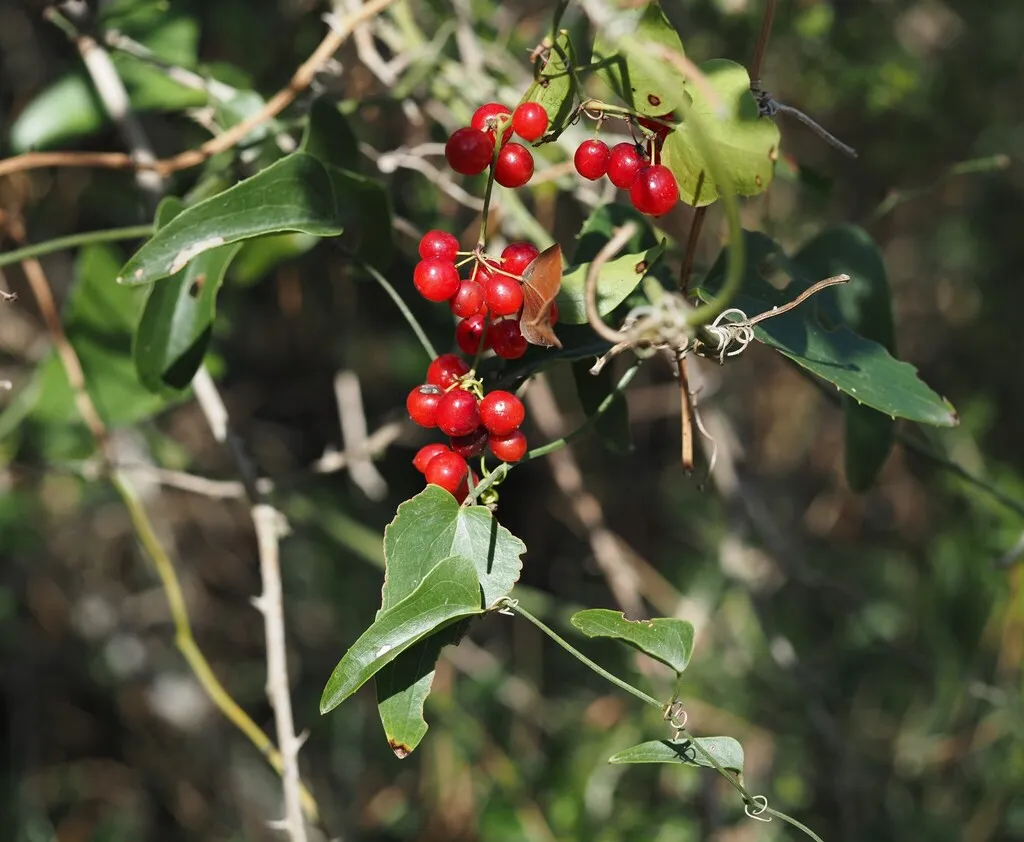
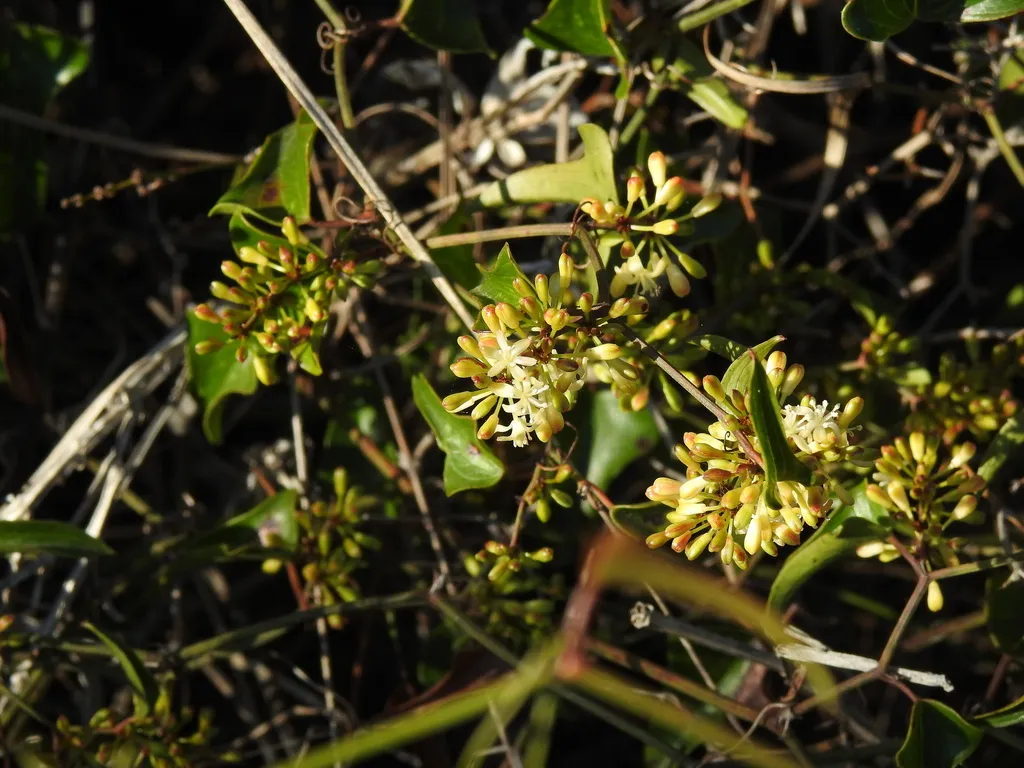
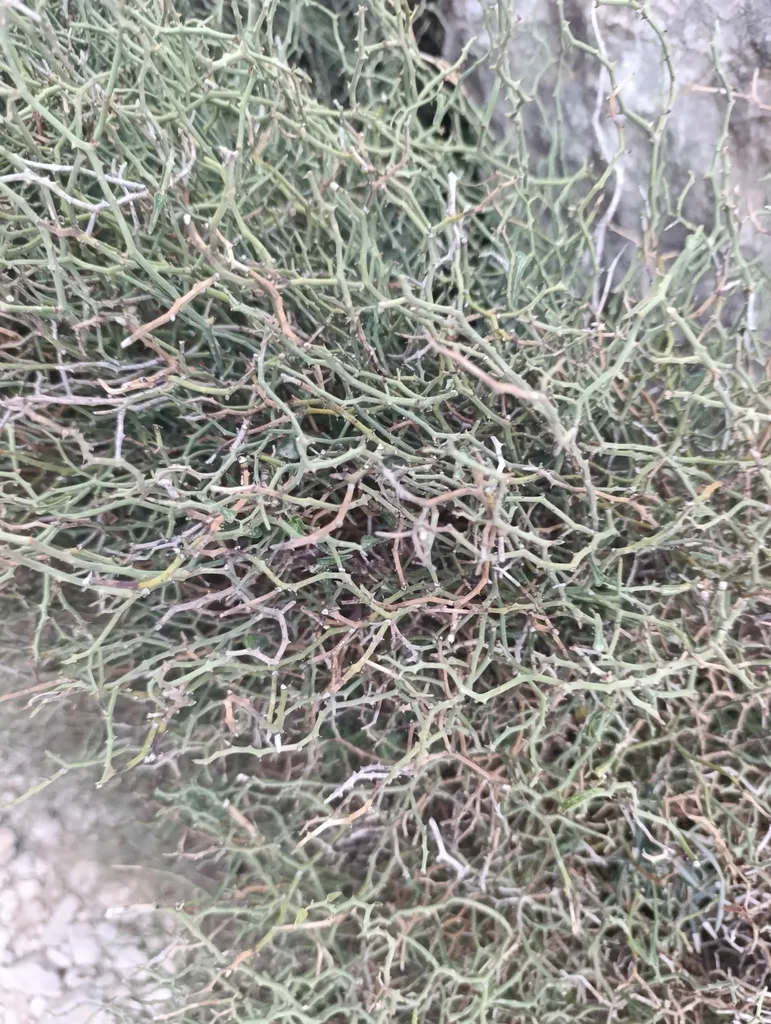
Evergreen climber about 3m tall, eventually forming a dense tangle of thorny, angular stems, and leathery, ovate, heart-shaped, glossy green leaves, often blotched grey. Small, fragrant, pale green flowers are produced in racemes in late summer and early autumn, followed by red fruits
Scientific classification
- Species
- prickly ivy (Smilax aspera)
- Genus
- Smilax
- Family
- Smilacaceae
- Information to be completed
- Toxicity
- Climber Wall Shrub
- Plant type
- 2.5-4 metres
- Height
- 2.5-4 metres
- Spread
- Evergreen
- Foliage
- Climbing · Trailing
- Habit
- Spring · Summer · Autumn · Winter
- Season of interest
- Full sun · Partial shade
- Sunlight
- Information to be completed
- Ideal temperature









prickly ivy pictures
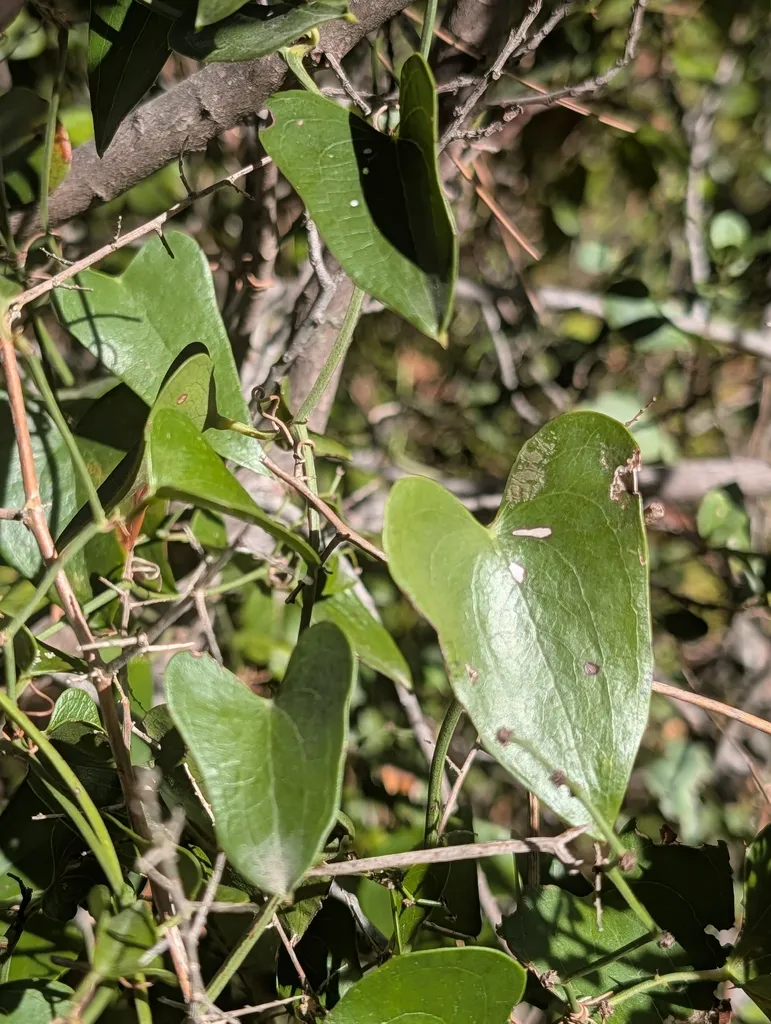
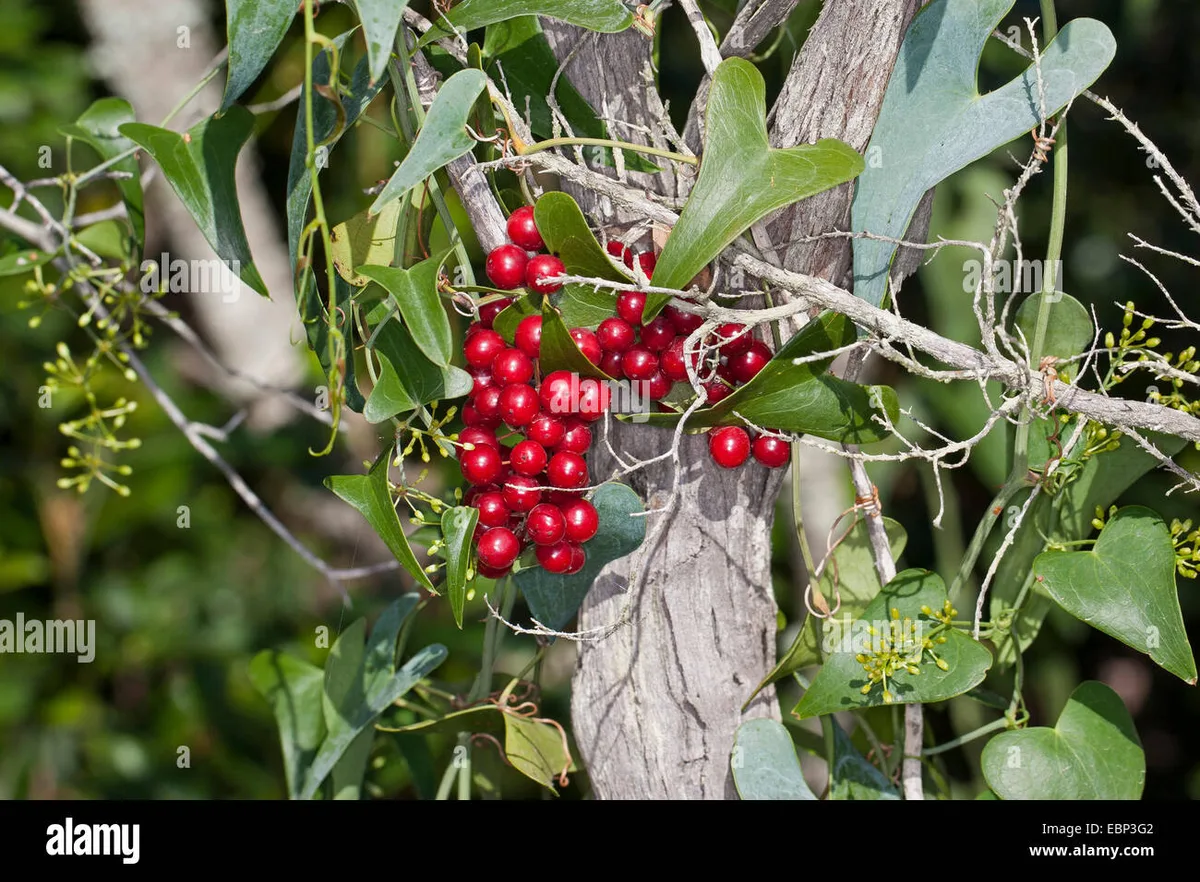
Distribution of prickly ivy
Distribution map
Europe, Asia, Africa
Information to be completed
Culture
Information to be completed
Toxicity
Information to be completed
Quick identification of prickly ivy
Information to be completed
prickly ivy care guide
- Moderate regular watering, allowing brief slight drying between soakings
- Watering
- Full sun · Partial shade
- Sunlight
- Information to be completed
- Ideal temperature

Watering
Moderate regular watering, allowing brief slight drying between soakings
Fertilizing
 Fertilizing
Balanced perennial feed every four weeks from spring through summer
Pruning
 Pruning
Routine pruning is unnecessary; shorten overlong shoots to fit the available space. For last-year flowering growth, prune after flowering; for current-year flowering growth, prune in late winter or spring. This guidance is for established plants.
Propagation
 Propagation
Propagate by seed in autumn or by division in autumn or spring
Growing
 Growing
Requires a warm sunny position in well-drained soil, grown against a support. Not suitable for cold, frost prone areas
People also ask
Information to be completed
Common pests and diseases
Diseases
Generally disease-free
Pests
Generally pest-free
Explore the plant health library →




