
box-leaved barberry
Also known as: Information to be completed
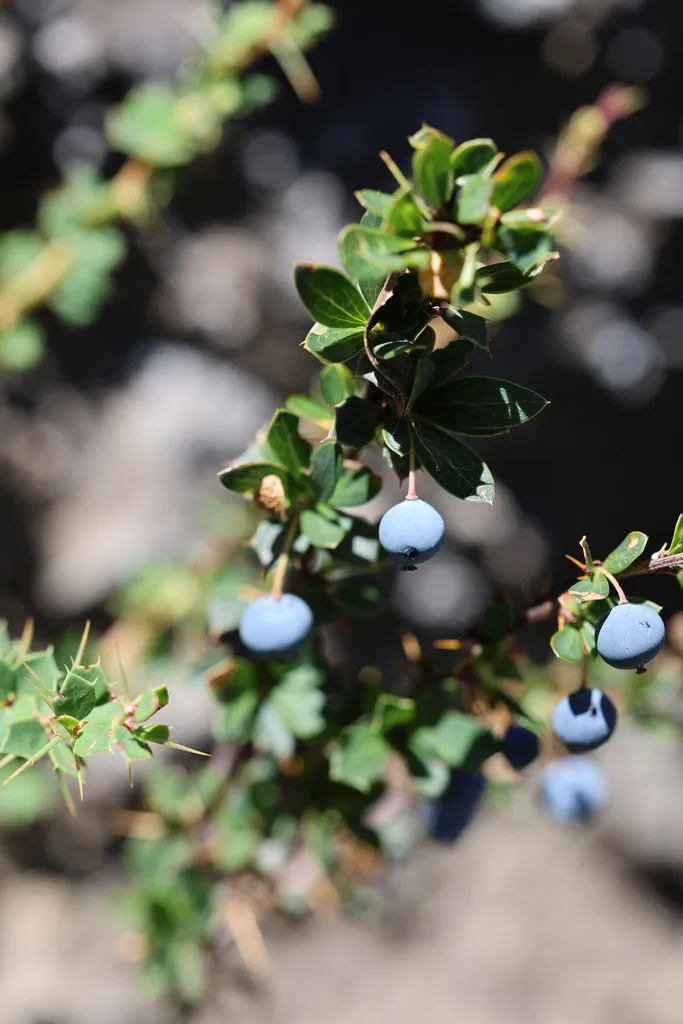
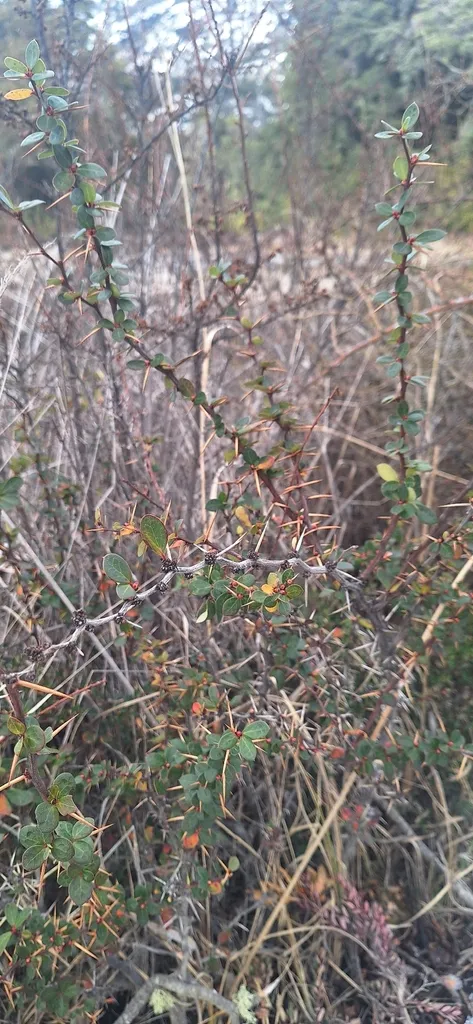
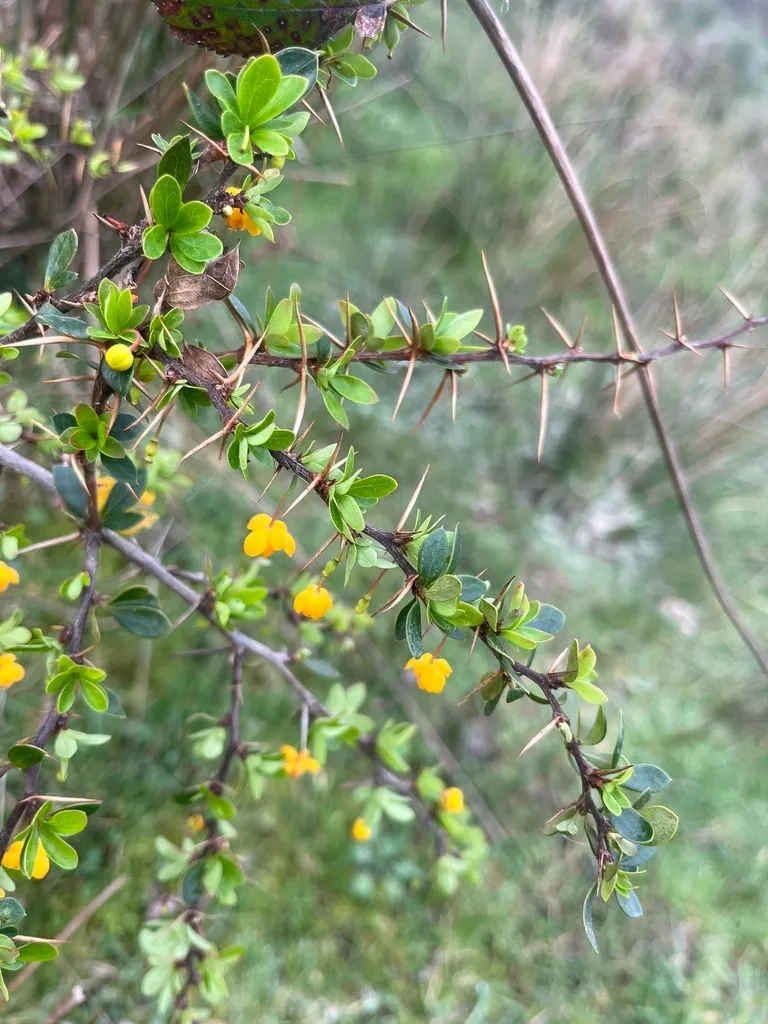
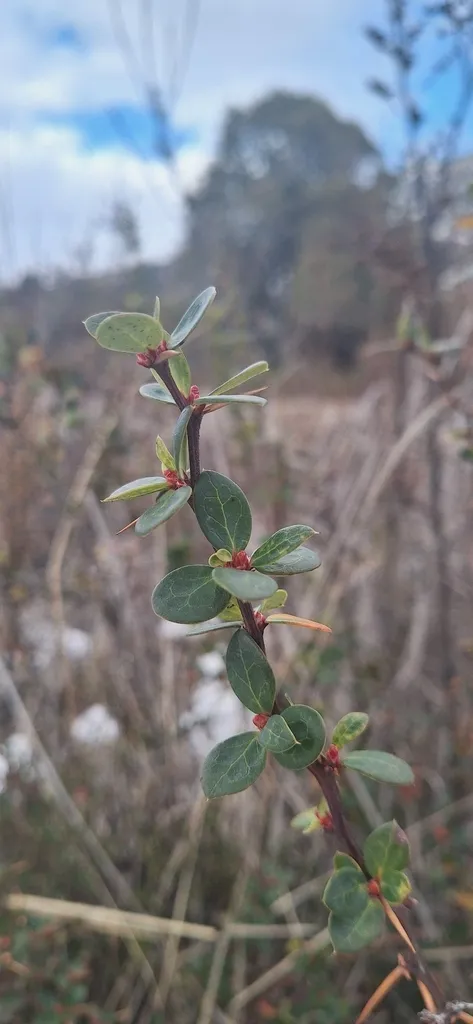
An upright, semi-evergreen to evergreen shrub with arching branches of oval-shaped, leathery mid to dark green foliage. Yellow-orange flowers appear in the spring, followed by blue-black fruit in autumn
Scientific classification
- Species
- box-leaved barberry (Berberis microphylla)
- Genus
- Berberis
- Family
- Berberidaceae
- Fruit are ornamental - not to be eaten. Wear gloves and other protective equipment when handling
- Toxicity
- Shrubs
- Plant type
- 1.5-2.5 metres
- Height
- 2.5-4 metres
- Spread
- Evergreen · Semi evergreen
- Foliage
- Bushy
- Habit
- Spring · Summer · Autumn · Winter
- Season of interest
- Full sun
- Sunlight
- Information to be completed
- Ideal temperature









box-leaved barberry pictures
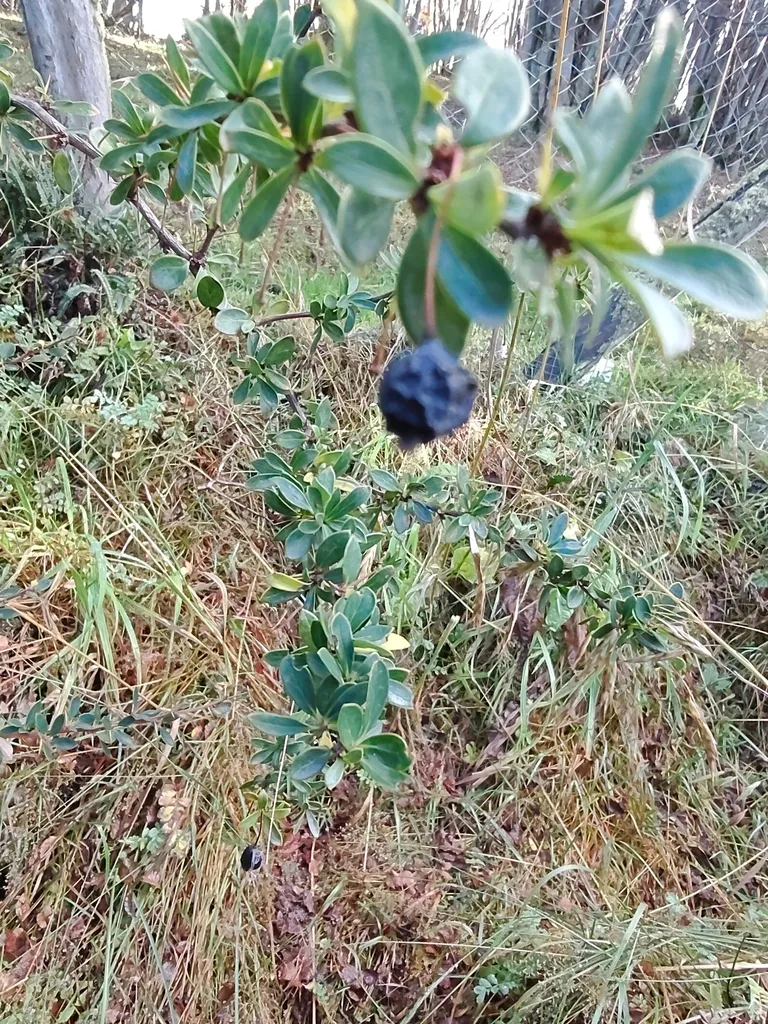
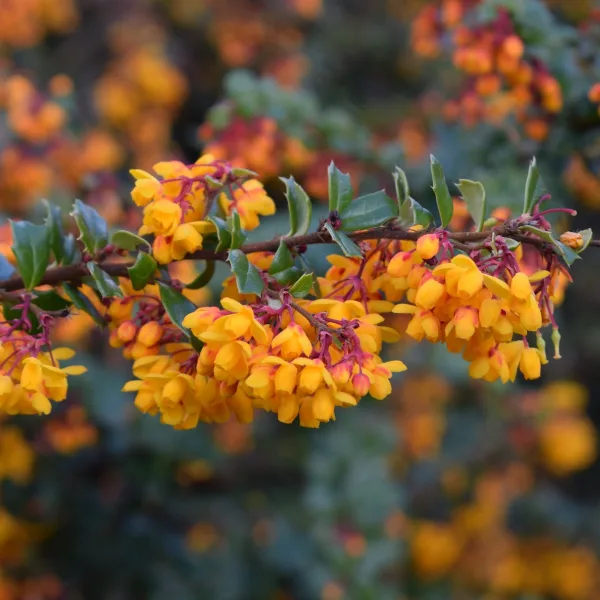
Distribution of box-leaved barberry
Distribution map
Chile, Argentina
Information to be completed
Culture
Information to be completed
Toxicity
Fruit are ornamental - not to be eaten. Wear gloves and other protective equipment when handling
Quick identification of box-leaved barberry
Information to be completed
box-leaved barberry care guide
- Moderate deep watering during dry periods, free drainage preferred
- Watering
- Full sun
- Sunlight
- Information to be completed
- Ideal temperature

Watering
Moderate deep watering during dry periods, free drainage preferred
Fertilizing
 Fertilizing
Balanced shrub feed once in spring
Pruning
 Pruning
Trim to shape after flowering or, for best foliage effect, cut back hard in spring
Propagation
 Propagation
Propagate by semi-hardwood cuttings
Growing
 Growing
Grows in any well-drained soil. Tolerates partial shade, but colour is best in full sun
People also ask
Information to be completed
Common pests and diseases
Diseases
May be susceptible to powdery mildews
Pests
May be susceptible to aphids and berberis sawfly
Explore the plant health library →




